SDG 16
Peace Justice and Strong Institution
Rajamangala University of Technology Lanna (RMUTL) | Sustainability Report 2025
SDG 16 Highlights 2025
In 2025, Rajamangala University of Technology Lanna (RMUTL) strengthened institutional governance, transparency, ethical conduct, and public accountability through university-wide policies, personnel development, and partnerships with government agencies. The university promoted responsible administration, anti-corruption practices, and stakeholder engagement to support effective, inclusive, and accountable institutions.
Strengthening Institutional Transparency and Accountability. RMUTL continued implementing Thailand’s Integrity and Transparency Assessment (ITA) framework through institutional action plans, public information disclosure, designated responsibilities, and governance committees. These measures supported transparent administrative procedures, improved institutional accountability, and reinforced public confidence in university operations.
Promoting Ethical Governance and Anti-Corruption Practices. RMUTL reinforced its university-wide No Gift Policy in November and December 2025, reaffirming its commitment to preventing bribery, conflicts of interest, and inappropriate benefits associated with official duties. University administrators, faculty members, and staff across campuses and administrative units publicly supported the policy. The university also organized ethics and good governance training, including a program at RMUTL Nan in collaboration with the Nan Provincial Public Prosecutor’s Office.
Improving Governance in Research and Innovation Management. Through its Research and Development Institute, RMUTL provided professional development activities to strengthen research planning, project administration, and responsible management of research and innovation initiatives. These activities helped researchers and administrative personnel improve their understanding of funding requirements, institutional procedures, and accountable research management.
Strengthening Public-Sector Capacity and Institutional Cooperation. RMUTL Nan organized practical training on local resource database systems for personnel from local administrative organizations in May 2025. The training focused on digital data registration, verification, and resource information management, helping strengthen technical capabilities and improve the use of local resource information in public administration.
Promoting Ethical Leadership and Public-Sector Partnerships. RMUTL strengthened cooperation with provincial government agencies through participation in public governance and ethics initiatives. In May 2025, RMUTL Nan joined the provincial commitment to promoting a moral society, reinforcing shared principles of integrity, public responsibility, and cooperation among government institutions. The university also maintained an institutional declaration emphasizing transparent administration and opportunities for stakeholder participation.
Together, these initiatives demonstrate RMUTL’s continued commitment to strengthening good governance, ethical leadership, and institutional accountability. By integrating transparency policies, professional development, responsible research administration, and public-sector cooperation, the university contributes to building more effective, trustworthy, and sustainable institutions.
Strengthening Good Governance in Research and Innovation Management
Rajamangala University of Technology Lanna (RMUTL) contributes to Sustainable Development Goal 16 through institutional governance, ethical public service, research administration, capacity-building, and engagement with public agencies and local communities.
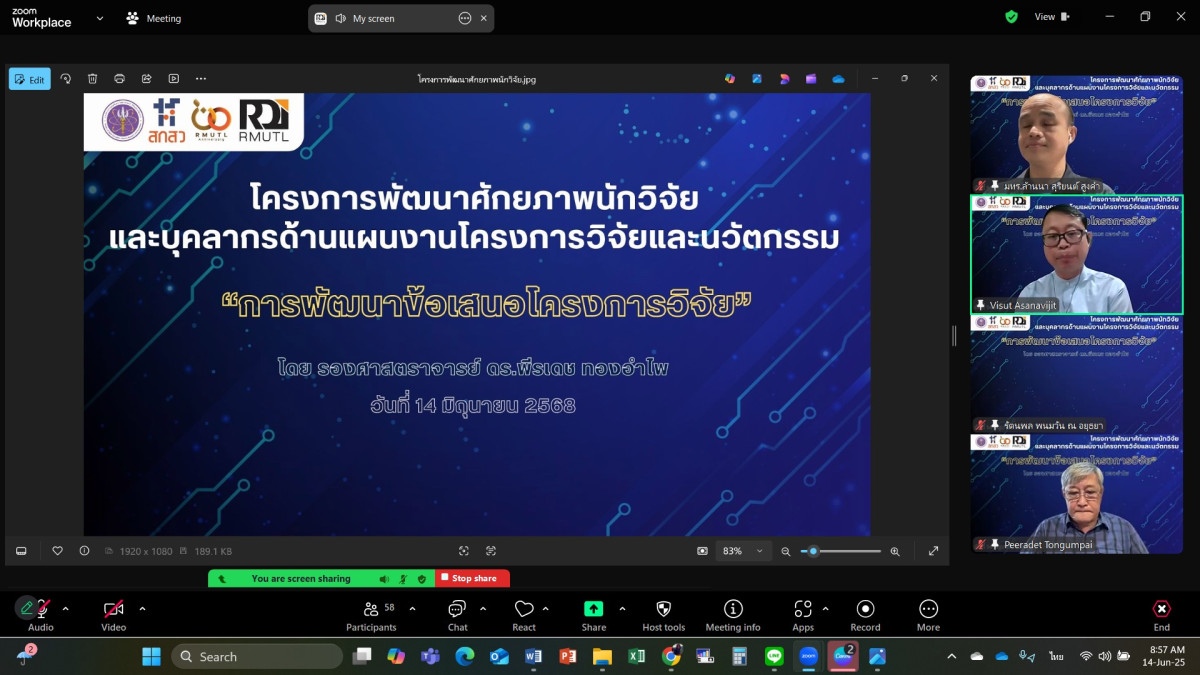
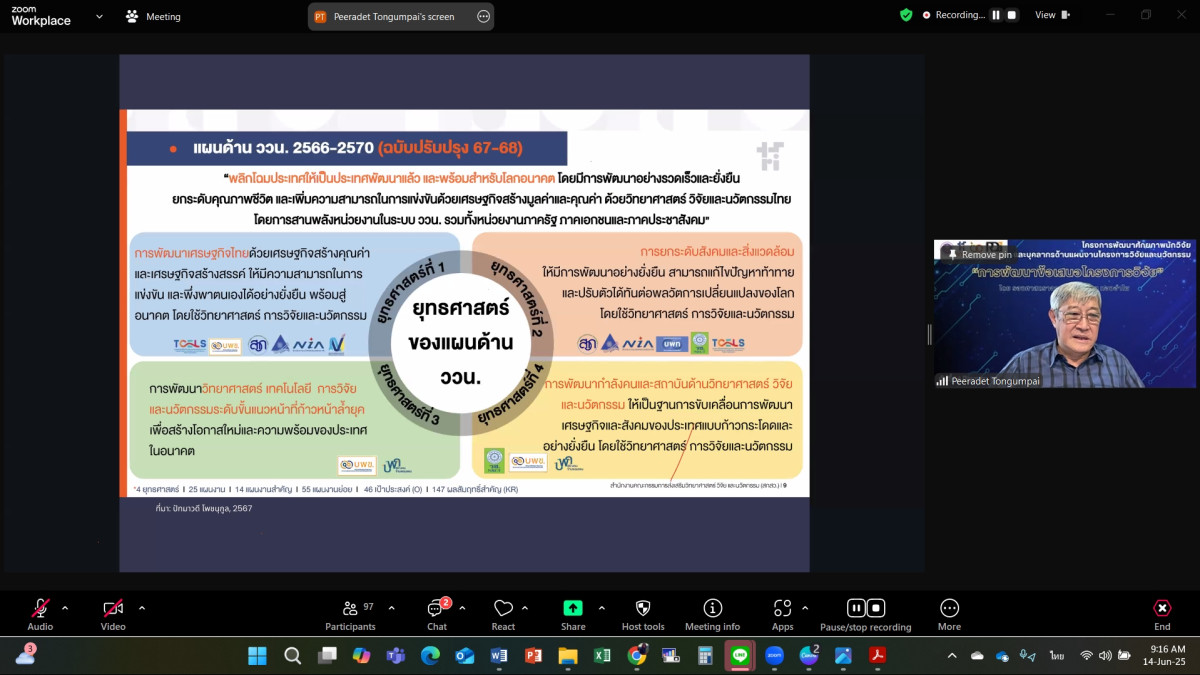
The Research and Development Institute organized a researcher and staff development activity under the 2025 program to strengthen governance in the management of research and innovation plans and projects.
Responsible Research Administration
The program addressed the preparation of proposals aligned with funding objectives and improved management of research plans and projects. It linked sound administrative practices with effective research implementation and the eventual application of knowledge and innovation.
Clearer research-management procedures and stronger professional capacity contribute to accountable institutions. The activity demonstrates governance-oriented research administration; it should not be presented as proof of joint government policy research without additional project records.
Purpose | Improve researcher and staff capabilities in research planning, project administration, and effective utilization. |
Participants / beneficiaries | Researchers and personnel responsible for research and innovation programs. |
Collaborating organizations | RMUTL Research and Development Institute; external research funders referenced as a planning context, not confirmed event partners. |
Relevant THE SDG 16 evidence | Institutional governance / research administration; contextual evidence relevant to 16.3.3, but not direct confirmation of government co-research. |
Source: https://www.rmutl.ac.th/news/29144-grooming14062025
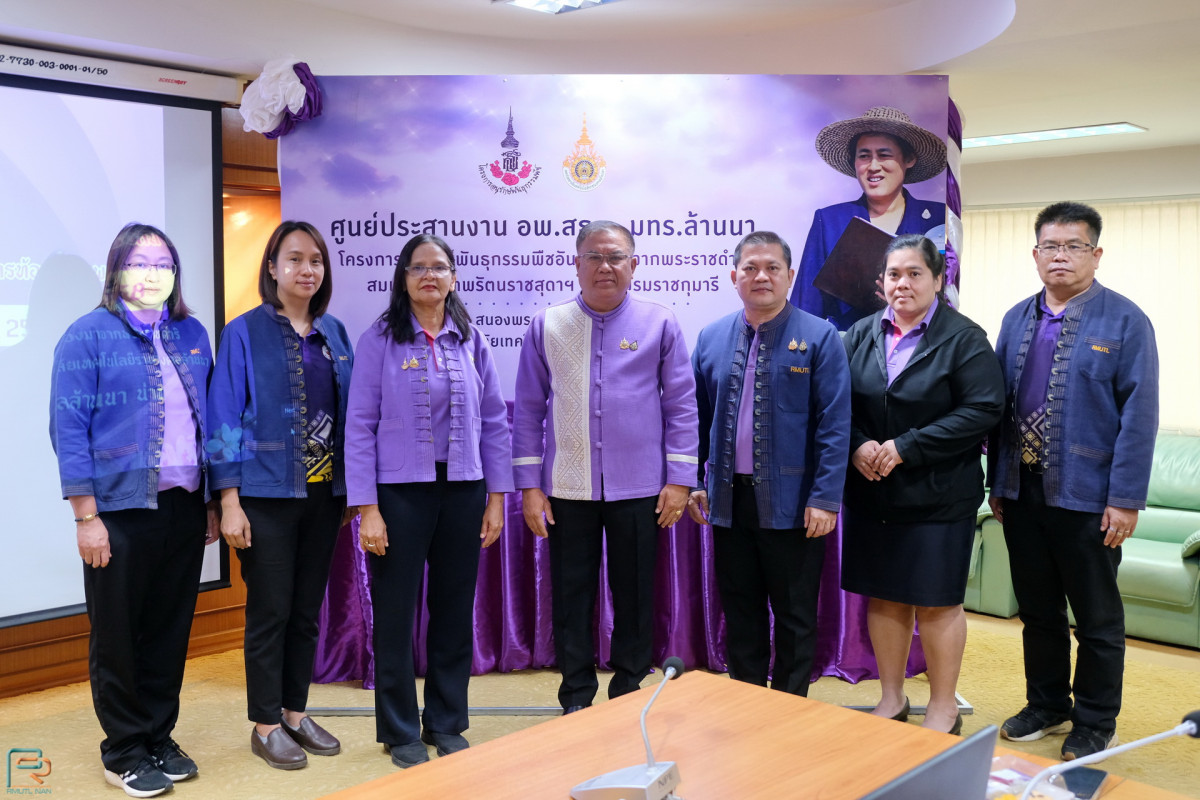
Practical Training on Local Resource Database Systems for Local Government
May 14–15, 2025
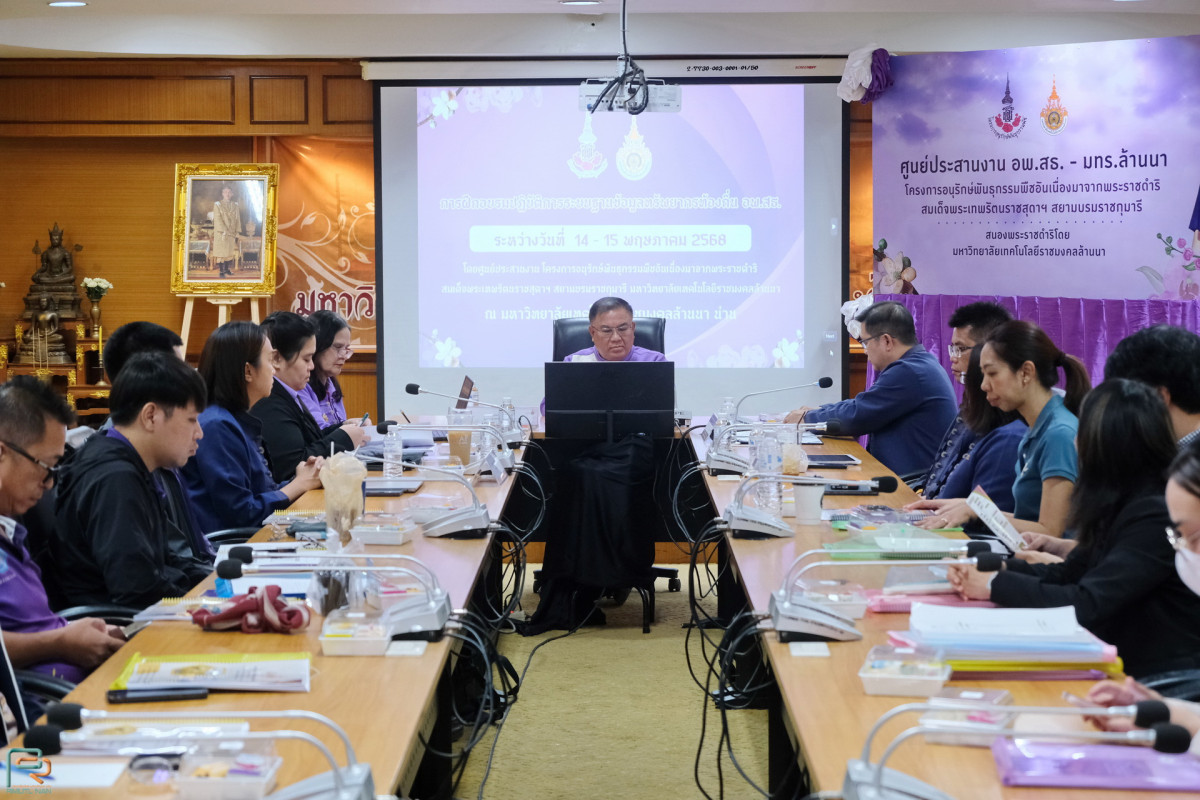
RMUTL Nan hosted practical training on local resource database systems for local administrative organizations under a plant genetic conservation coordination initiative.
Building Public-Sector Technical Capabilities
The course included procedures for mobile application registration and verification of local resource survey and registration data. The activities supported consistent use of resource information by public organizations.
Purpose | Develop the ability to record, verify, and manage local resource information using designated digital systems. |
Participants / beneficiaries | Personnel of local administrative organizations and other participating education-related agencies. |
Collaborating organizations | RMUTL Nan; local administrative organizations; plant genetic conservation coordination network. |
Relevant THE SDG 16 evidence | 16.3.2—outreach and capacity-building for government officials. |
Source: https://www.rmutl.ac.th/news/28845
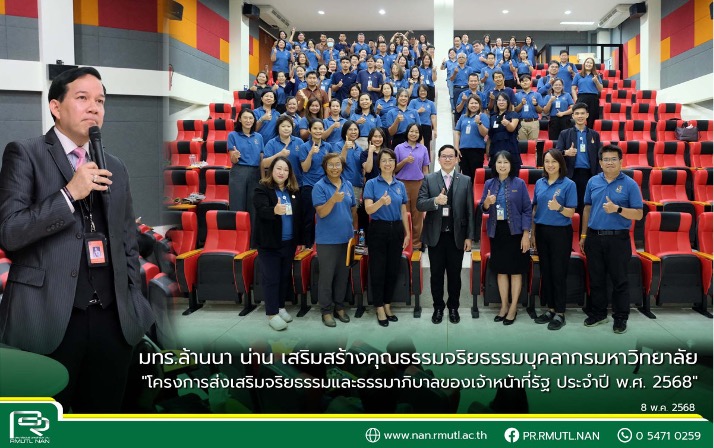
Ethical Governance Education for University Personnel
May 8, 2025
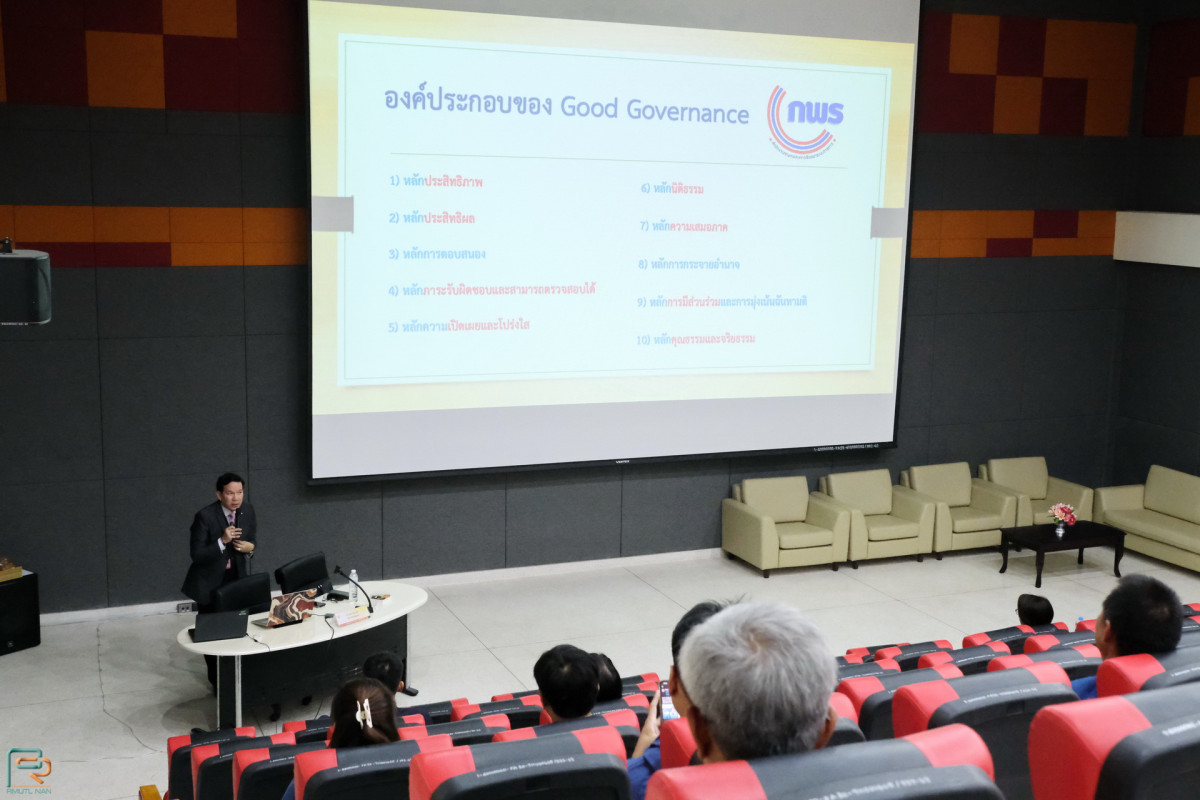
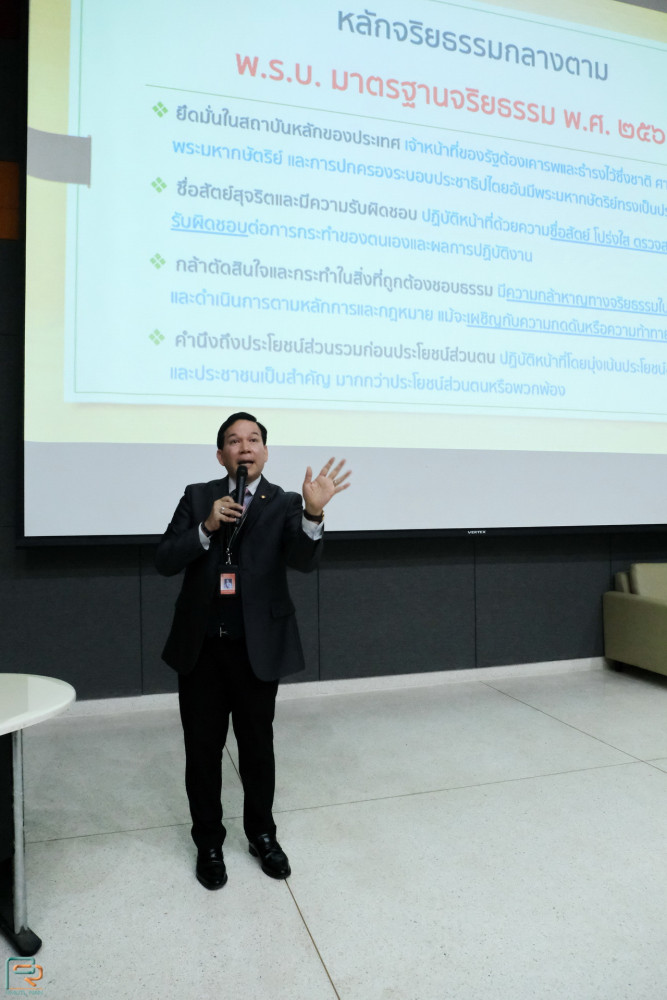
RMUTL Nan delivered a program on morality, ethics, and good governance for public officials, attended by university executives, faculty members, and staff.
Learning from Public Legal Expertise
The Nan Provincial Public Prosecutor provided a lecture addressing ethical conduct and the responsibilities of public officials. The event encouraged participants to apply principles of transparency, fairness, and professional ethics to daily administrative work.
Cultivating Institutional Integrity
The program provided structured ethics education and demonstrated cooperation between the university and a provincial legal institution. Its primary beneficiaries were RMUTL personnel, rather than policy- or lawmakers.
Purpose | Strengthen knowledge of ethics, good governance, and public service responsibilities. |
Participants / beneficiaries | University administrators, faculty members, and staff. |
Collaborating organizations | RMUTL Nan and the Office of the Nan Provincial Public Prosecutor (guest speaker). |
Relevant THE SDG 16 evidence | 16.2.5—anti-corruption/ethics culture; indirect contextual support for government collaboration. |
Source: https://www.rmutl.ac.th/news/28797-08052568
Implementing the 2025 Integrity and Transparency Assessment Framework
Fiscal year 2025; institutional materials available during the evidence period
RMUTL maintained an official repository of Integrity and Transparency Assessment (ITA) information for fiscal year 2025, including implementation plans, data disclosure responsibilities, operational guidance, and committee appointments.
Institutional Accountability
The ITA documentation identifies institutional processes designed to support public access to information, clarify responsibilities for disclosure, and coordinate ethics and transparency work across units.
Strengthening Public Trust
Published governance documentation provides a verifiable institutional mechanism rather than relying only on individual training events.
Purpose | Coordinate and document institutional transparency, ethics, and information-disclosure obligations. |
Participants / beneficiaries | University administrators, designated ITA committee members, and institutional units. |
Collaborating organizations | RMUTL Office of the President; national ITA framework. |
Relevant THE SDG 16 evidence | 16.2.5—published integrity commitments; documentation relevant to institutional transparency. |
Source: https://president.rmutl.ac.th/page/ita
Public Commitment to Integrity and Participation
2025 official institutional declaration
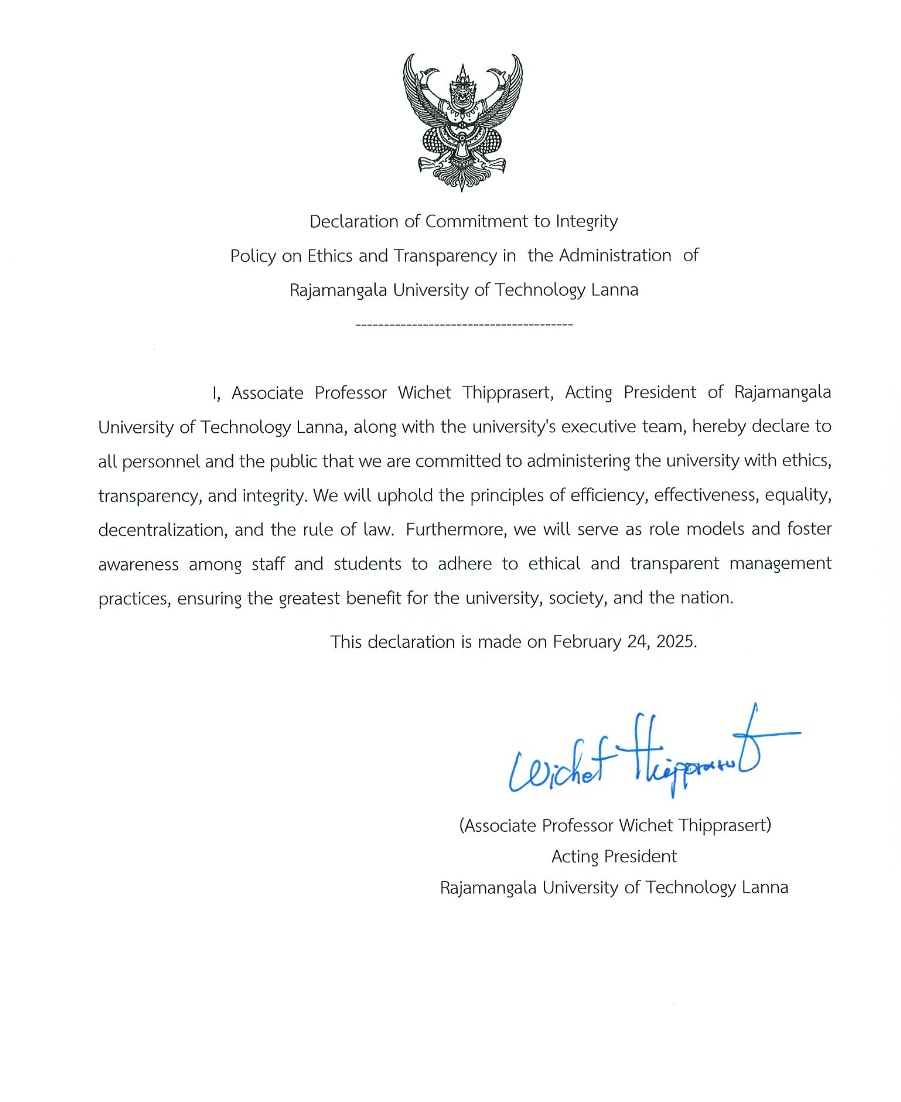
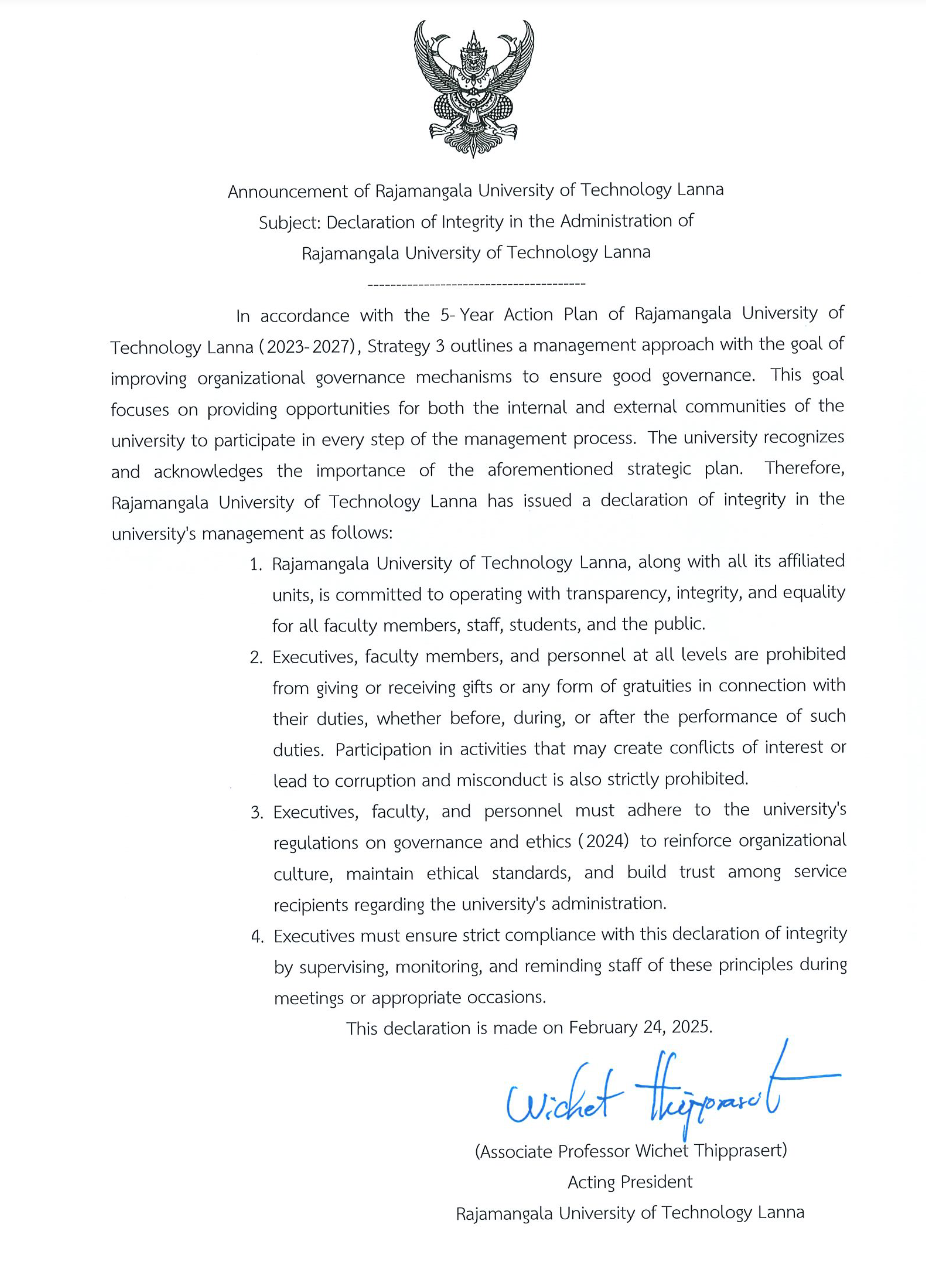
An official RMUTL declaration of management integrity articulates a governance approach emphasizing institutional transparency and opportunities for participation by internal and external university communities.
Principles of Fair Governance
The declaration connects governance with the university’s 2023–2027 development strategy. It offers policy-level context for ethical institutional administration and community participation.
Purpose | Express an institutional commitment to ethical administration, transparency, and participation. |
Participants / beneficiaries | The university community and external stakeholders addressed by the declaration. |
Collaborating organizations | RMUTL central administration. |
Relevant THE SDG 16 evidence | 16.2.3 and 16.2.5—policy framework; 16.2.4 requires additional evidence. |
Source: https://e-cms.rmutl.ac.th/assets/upload/files/2025/04/20250401105449_20556.pdf
University-Wide No Gift Policy:
Institutional Commitment and Unit-Level Implementation
November–December 2025
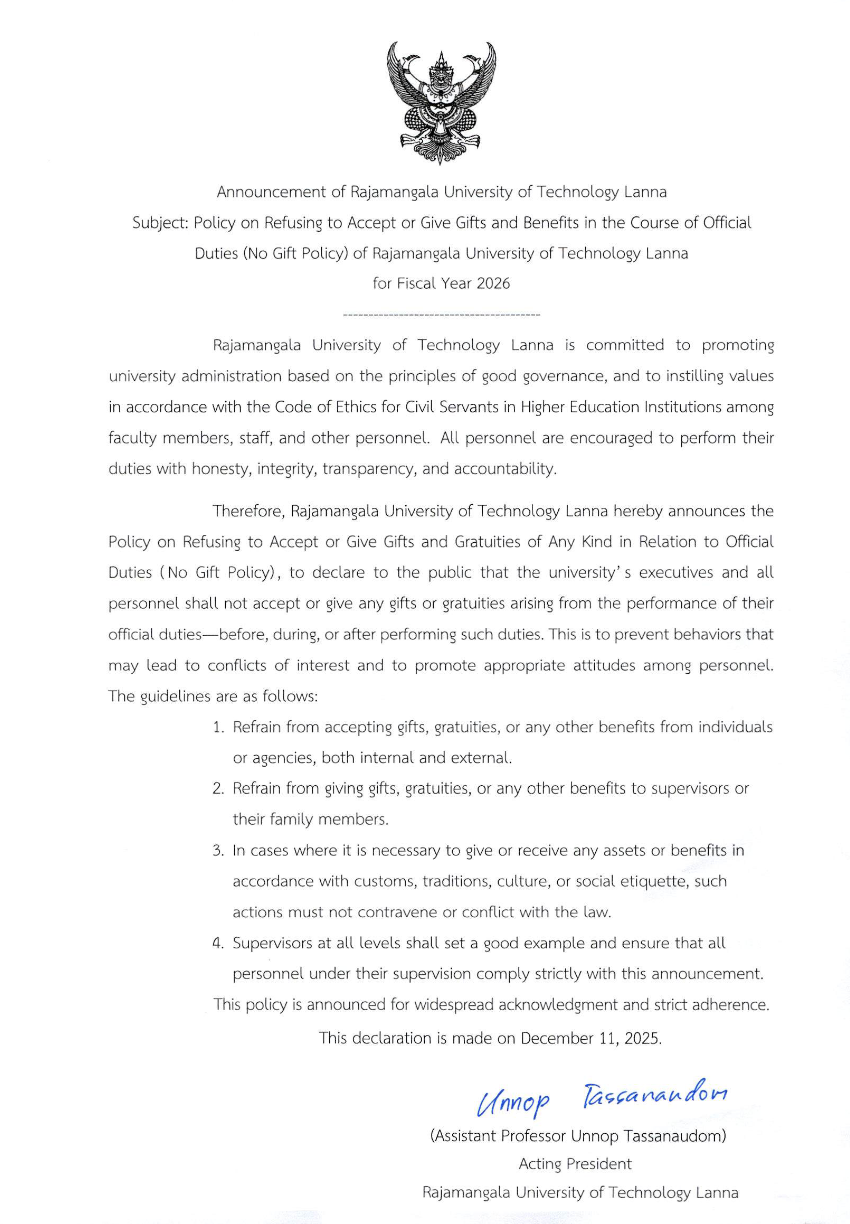
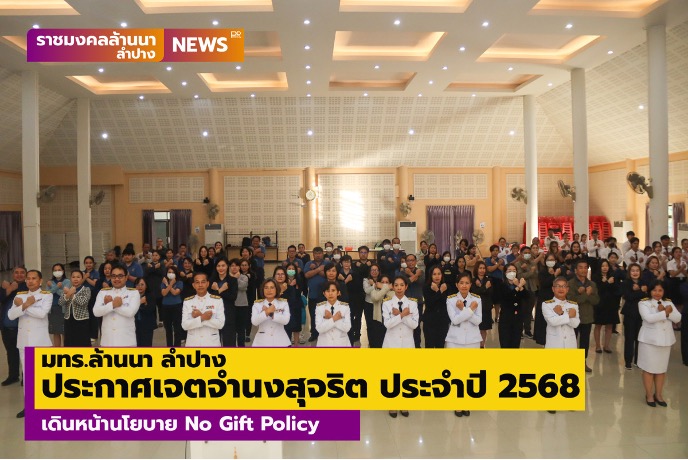
Rajamangala University of Technology Lanna reinforced its institutional commitment to preventing corruption, bribery, and conflicts of interest through the No Gift Policy. On November 27, 2025, the university publicly reaffirmed its position on refusing gifts and gratuities in connection with official duties. Led by Acting President Asst. Prof. Dr. Annop Tatsanaudom, the university’s leadership, faculty members, and personnel expressed their commitment to ethical conduct, transparency, and accountability. The policy is framed as part of institutional governance and public trust, rather than an isolated ceremonial announcement.
University-Wide Policy and Ethical Principles
The university published a formal No Gift Policy announcement on December 15, 2025, dated December 11. It prohibits the acceptance of gifts, gratuities, or other benefits from internal or external persons or organizations in connection with official duties and discourages gifts to supervisors and their families. Any customary exchange of property or benefits must remain consistent with applicable law. Supervisors at all levels are expected to model ethical conduct and communicate the requirements to personnel under their responsibility. The university’s published measures reinforce the goals of Thailand’s Integrity and Transparency Assessment (ITA).
Implementation Across Campuses and Administrative Units
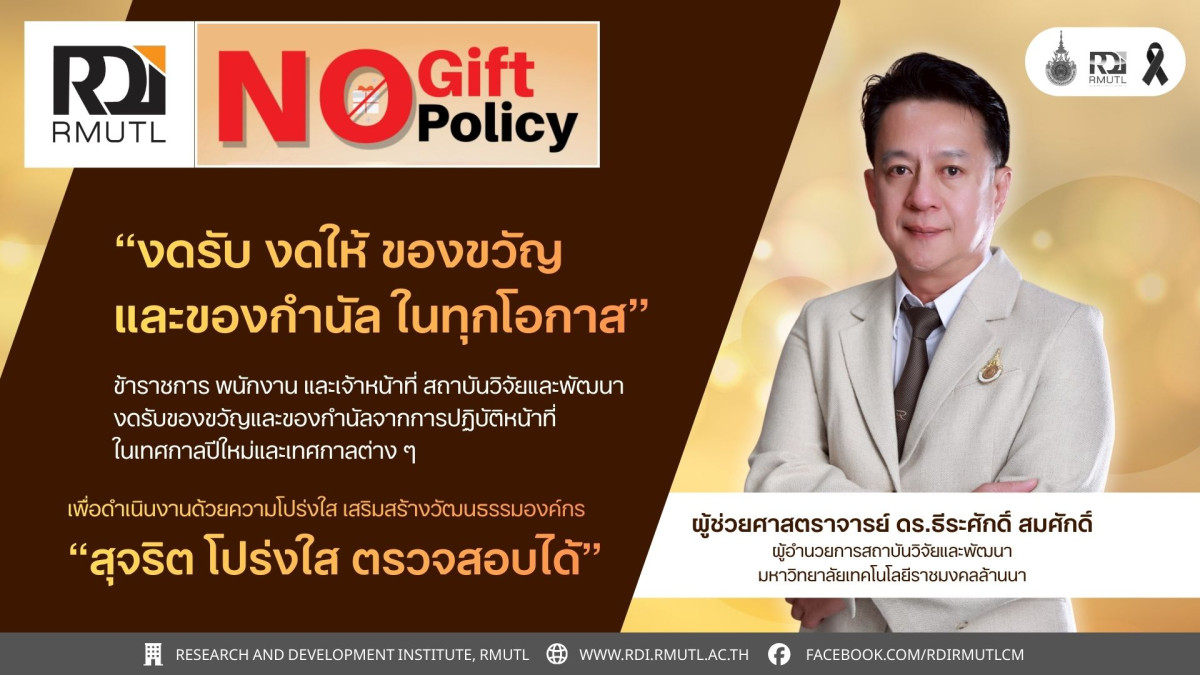
The policy was promoted across university units, with individual offices and campuses publicly affirming implementation. On December 16, 2025, the Research and Development Institute announced its commitment under Director Asst. Prof. Dr. Teerasak Somsak, together with its management and personnel. RMUTL Tak likewise reported support from campus administrators, faculty, and personnel. On December 19, the Institute of Technology Transfer to the Community promoted the policy under Director Asst. Prof. Dr. Worajak Muangjai and encouraged replacing gifts with greetings. On December 23, the Education Division at RMUTL Tak announced its support and linked the commitment to transparent public service.
Continuity from Fiscal Year 2025
The 2025 fiscal-year No Gift Policy was originally introduced in a university-wide integrity declaration on November 28, 2024, when executive leadership and internal units joined the policy announcement. This event predates the January 2025–March 2026 activity window, so it is used only as background evidence showing the origins and continuity of the fiscal-year 2025 policy. The 2025 announcements and actions described above constitute the in-period evidence for this report.

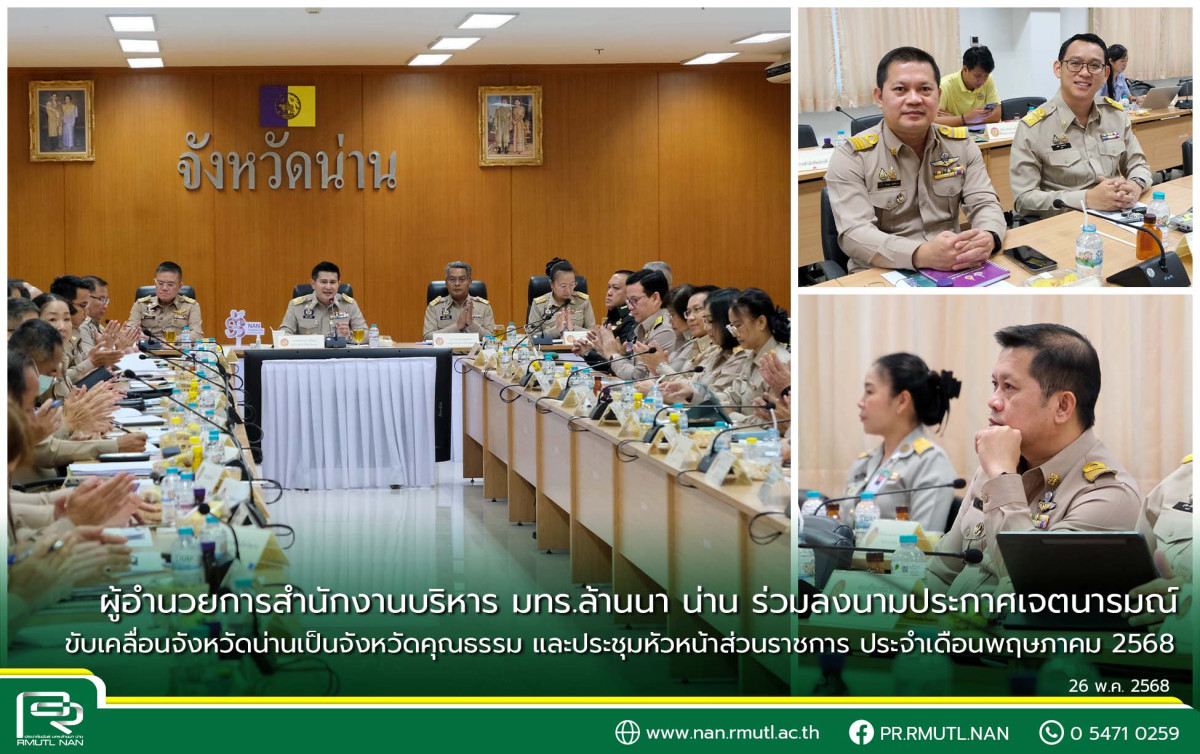
Joining Nan Province’s Collective Commitment to a Moral Society
May 26, 2025
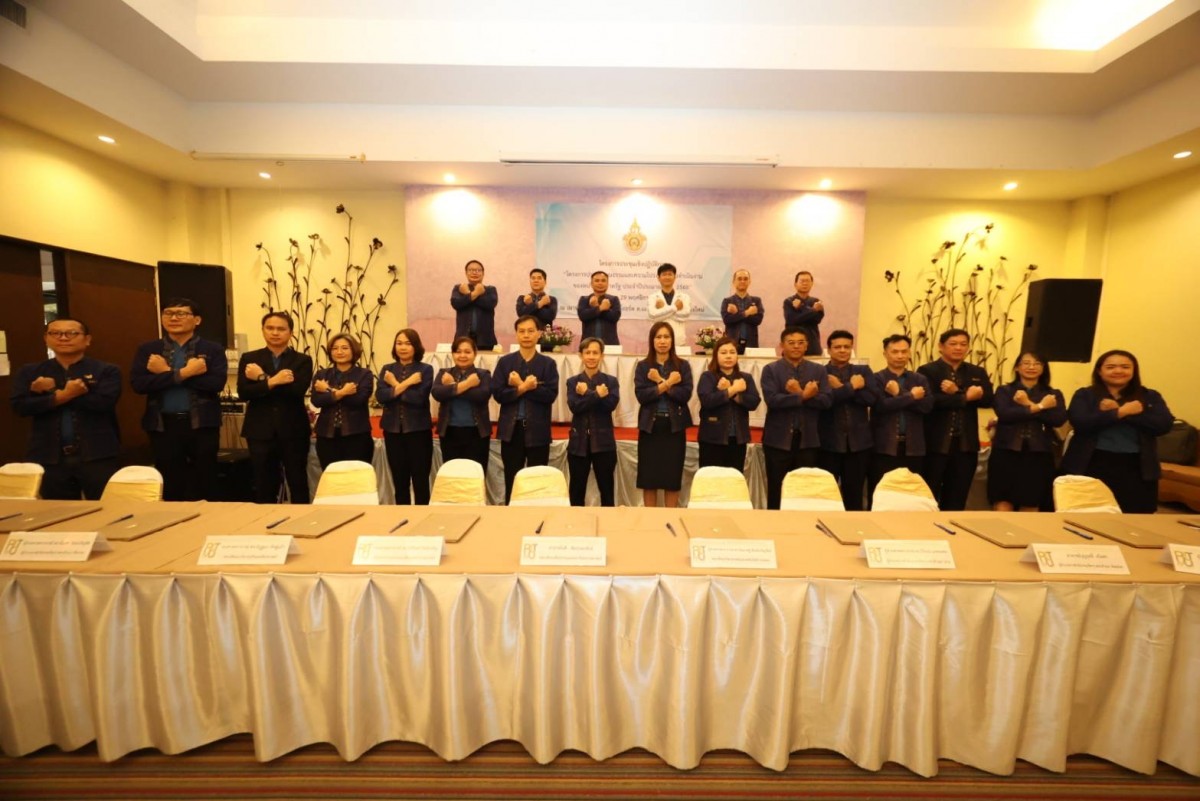
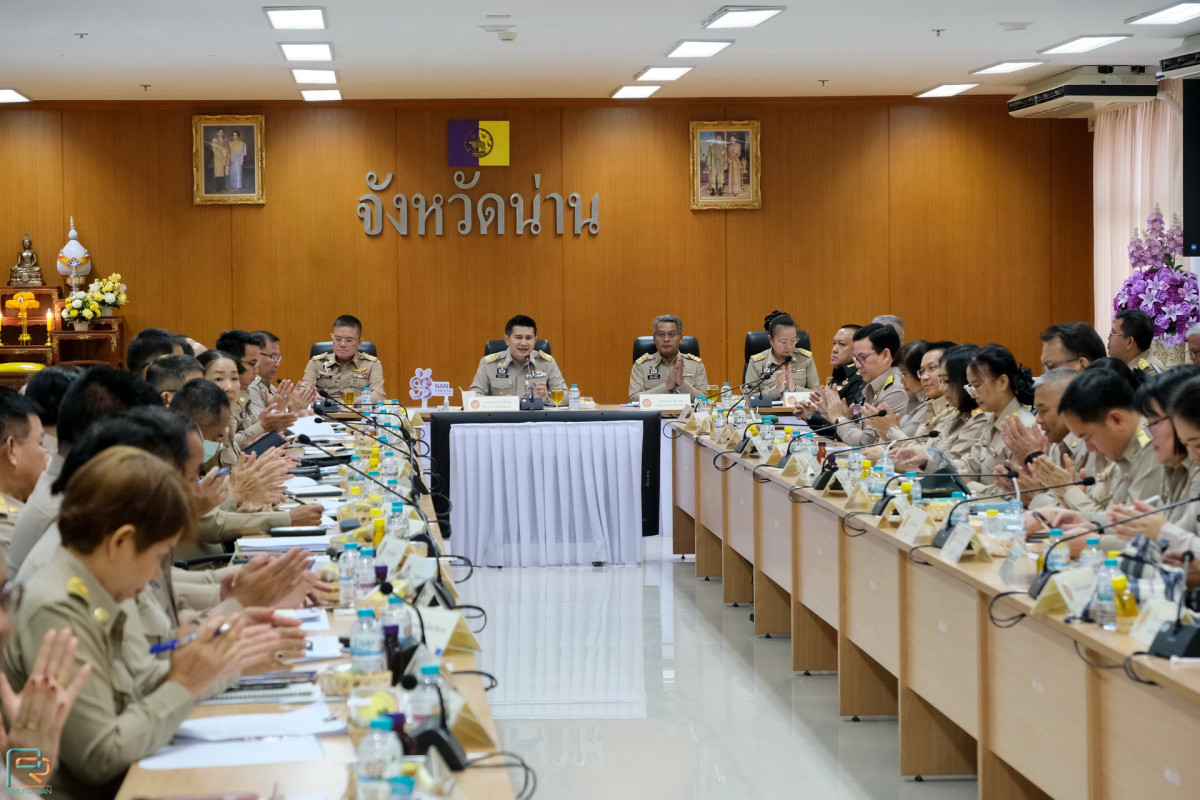
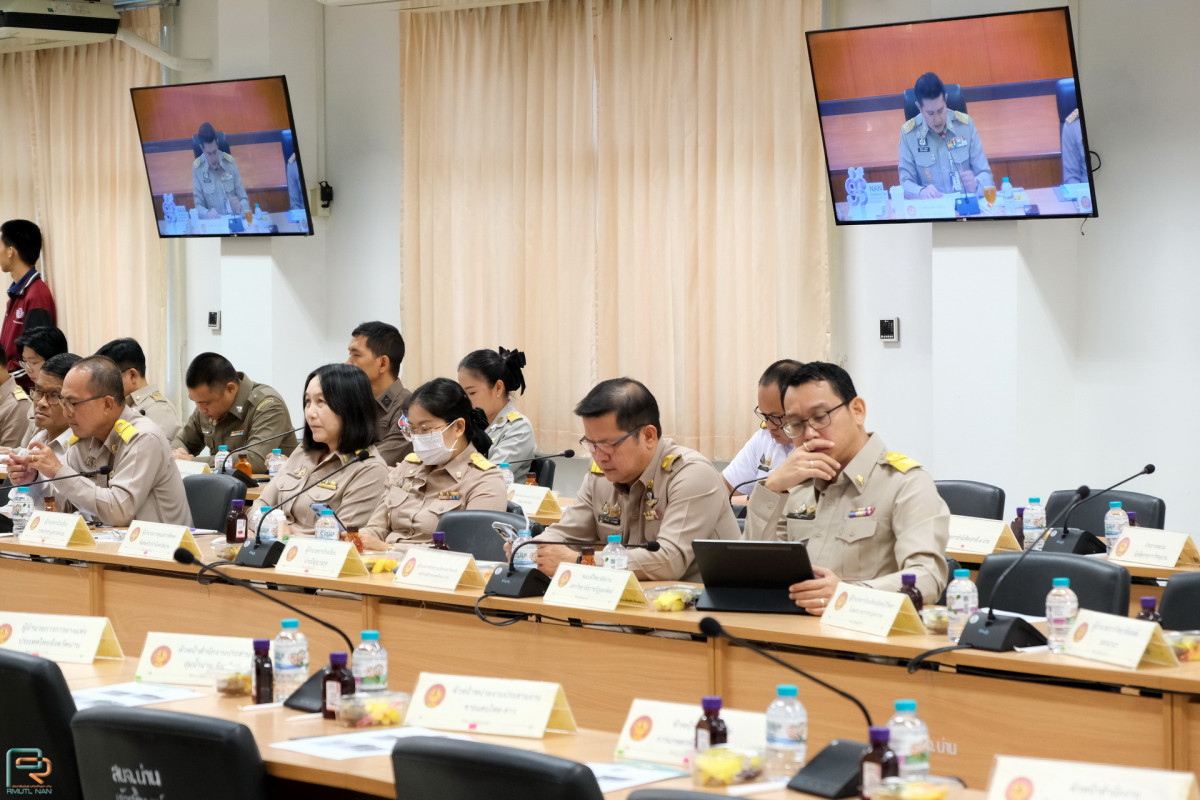
The director of RMUTL Nan’s administrative office participated in the Nan Provincial Committee and heads-of-agencies meeting, where public-sector representatives signed a declaration supporting the province’s ethics and moral society initiative.
Public-University Cooperation
Participation in the provincial meeting situated RMUTL within a collective effort to reinforce ethical administration and public responsibility. The initiative was chaired by the provincial governor and involved provincial government leaders.
Contribution to Institutions Beyond Campus
The activity illustrates engagement with provincial governance networks. It evidences participation and a public commitment to shared ethical goals but does not independently document specific government policy advice delivered by RMUTL.
Purpose | Support provincial ethical commitments and cooperation across public institutions. |
Participants / beneficiaries | RMUTL Nan administrative leadership and provincial government representatives. |
Collaborating organizations | Nan Provincial Government and provincial administrative agencies. |
Relevant THE SDG 16 evidence | Contextual evidence for 16.3.1; direct evidence of engagement, not specific expert policy advice. |
Source: https://www.rmutl.ac.th/news/28970-26052568
Moving Forward
Strengthening Transparent, Inclusive, and Accountable Governance
RMUTL aims to strengthen its institutional governance framework by promoting transparency, ethical leadership, public accountability, and meaningful stakeholder participation. Building on its existing integrity policies, governance training, and partnerships with public agencies, the university will focus on translating institutional commitments into measurable practices that support long-term organizational effectiveness and public trust.
1. Strengthening Institutional Transparency and Anti-Corruption Measures. RMUTL will continue improving the implementation of the Integrity and Transparency Assessment (ITA) framework and the university-wide No Gift Policy. Greater emphasis will be placed on consistent policy implementation across all campuses and administrative units, transparent information disclosure, and regular monitoring of compliance with ethical standards.
2. Promoting Ethical Leadership and Institutional Integrity. The university will strengthen professional development programs on ethics, good governance, responsible administration, and anti-corruption practices for administrators, faculty members, and support staff. These initiatives will help integrate ethical principles into daily operations, institutional decision-making, and public service responsibilities.
3. Expanding Stakeholder Participation and Inclusive Governance. RMUTL will seek to strengthen mechanisms for engaging students, faculty, staff, local communities, government agencies, and external organizations in institutional development. Improved consultation processes, stakeholder feedback channels, and accessible grievance procedures will support more inclusive and responsive governance.
4. Strengthening Public-Sector Partnerships and Capacity Development. The university will expand collaboration with government agencies and local administrative organizations through professional training, knowledge transfer, and technical assistance. These partnerships will focus on strengthening public-sector capabilities, improving digital information management, and supporting evidence-based administrative practices.
5. Improving Governance Monitoring and Institutional Performance. RMUTL will work toward developing more systematic monitoring and evaluation mechanisms to assess the effectiveness of governance policies, transparency measures, ethics training, and stakeholder engagement. Greater use of institutional data and performance indicators will support continuous improvement, accountability, and informed decision-making.
Through these priorities, RMUTL seeks to develop a more transparent, participatory, and accountable institutional environment. By strengthening ethical governance, public-sector partnerships, and evidence-based administration, the university aims to build institutional trust, improve organizational resilience, and contribute to sustainable social development.