SDG 8
Decent Work And Economic Growth
Rajamangala University of Technology Lanna (RMUTL) | Sustainability Report 2025
SDG 8 Highlights 2025
In 2025, Rajamangala University of Technology Lanna (RMUTL) promoted decent work, inclusive economic growth, and sustainable livelihoods through staff welfare, professional development, entrepreneurship education, technology transfer, and community partnerships. The university integrated academic expertise, applied innovation, and industry collaboration to strengthen workforce capabilities, expand business opportunities, and support local economic development across Northern Thailand.
Strengthening Staff Well-Being and Inclusive Workplace Governance. RMUTL promoted a supportive working environment through staff welfare, health promotion, professional development, and mechanisms for employee representation. The Faculty and Staff Council, comprising elected representatives from the university’s six campus areas, held eight meetings in 2025 to discuss personnel welfare, career development, working conditions, and institutional concerns. The university also maintained complaint and feedback channels to support transparent communication and institutional accountability. Health promotion activities, including annual checkups, stress assessments, and wellness training, further supported staff well-being and a healthier working environment.
Advancing Professional Skills and Career Development. RMUTL provided professional development opportunities to strengthen staff competencies, workplace efficiency, and career advancement. In July 2025, the university organized a human resources development seminar focused on effective personnel management, knowledge exchange, and organizational collaboration. In December, an academic promotion workshop provided faculty members with guidance on preparing academic work and meeting the requirements for advancement to higher academic positions. These initiatives contributed to continuous professional development and institutional capacity building.
Promoting Student Entrepreneurship and Startup Development. RMUTL strengthened entrepreneurial education through innovation workshops, business incubation, and startup competitions. The Lanna Art & Tech Startup Boot Camp in February 2025 provided practical training in business model development, value proposition design, and product prototyping, with two startup grants of THB 25,000 each awarded to promising student ventures. The Art, Craft & Culture Business Challenge 2025 brought together seven finalist teams to develop business concepts inspired by Lanna cultural heritage. Additional activities, including Business Preparation workshops and BALA Marketplace 2025, connected students and alumni with business experts, incubation support, and potential market opportunities.
Supporting Community Enterprises and Creative Local Economies. RMUTL collaborated with the Government Savings Bank (GSB) and local communities to strengthen traditional textile enterprises and expand opportunities for sustainable income generation. In Lamphun, the university supported Pwo Karen weaving groups through creative product development, digital storytelling, and marketing materials. In Chiang Mai, the Tai Lue textile development project focused on product innovation, household accounting, cost management, and market analysis. These initiatives combined local cultural knowledge with academic expertise to enhance business capabilities, preserve traditional crafts, and improve market opportunities for community enterprises.
Strengthening Agricultural Value Chains and Sustainable Livelihoods. RMUTL supported highland agricultural development through technical assistance and technology transfer. In May 2025, the university contributed expertise in facility design, machinery, and wastewater treatment to improve Arabica coffee processing at the Teen Tok Royal Project Development Center in Chiang Mai. The initiative aimed to enhance production quality, strengthen food safety practices, and develop a community learning center for sustainable coffee production. These efforts created opportunities for local producers to improve technical skills, add value to agricultural products, and strengthen long-term livelihood prospects.
Together, these initiatives demonstrate RMUTL’s commitment to promoting decent work and inclusive economic development through education, innovation, institutional support, and community engagement. By strengthening professional competencies, supporting entrepreneurship, and connecting local knowledge with technological innovation, the university contributes to more resilient enterprises, improved livelihood opportunities, and sustainable regional economic growth.
Enhancing Staff Well-being and Capacity Development
Rajamangala University of Technology Lanna (RMUTL) is committed to promoting decent work, inclusive economic growth, and sustainable community development. The University supports these goals through staff welfare and professional development, entrepreneurship and innovation, technology transfer, industry collaboration, and initiatives that strengthen local economies and create opportunities for employment and income generation.
RMUTL promotes a supportive and equitable working environment by providing fair compensation, welfare benefits, career development opportunities, safe working conditions, recreational facilities, and professional development programs. In 2025, the university continued to support staff capacity development through training, knowledge exchange, and collaborative learning. These initiatives aim to strengthen professional competencies, encourage innovation, and enhance staff well-being while fostering a motivated and resilient workforce.
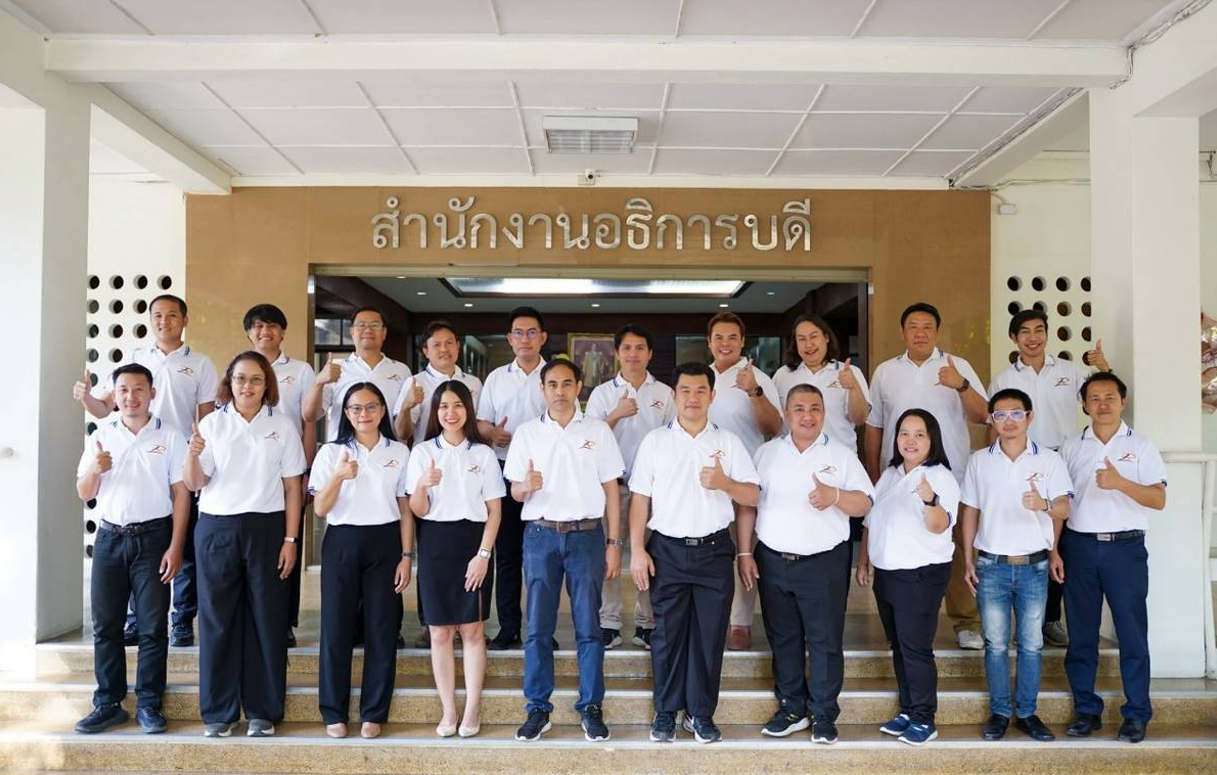
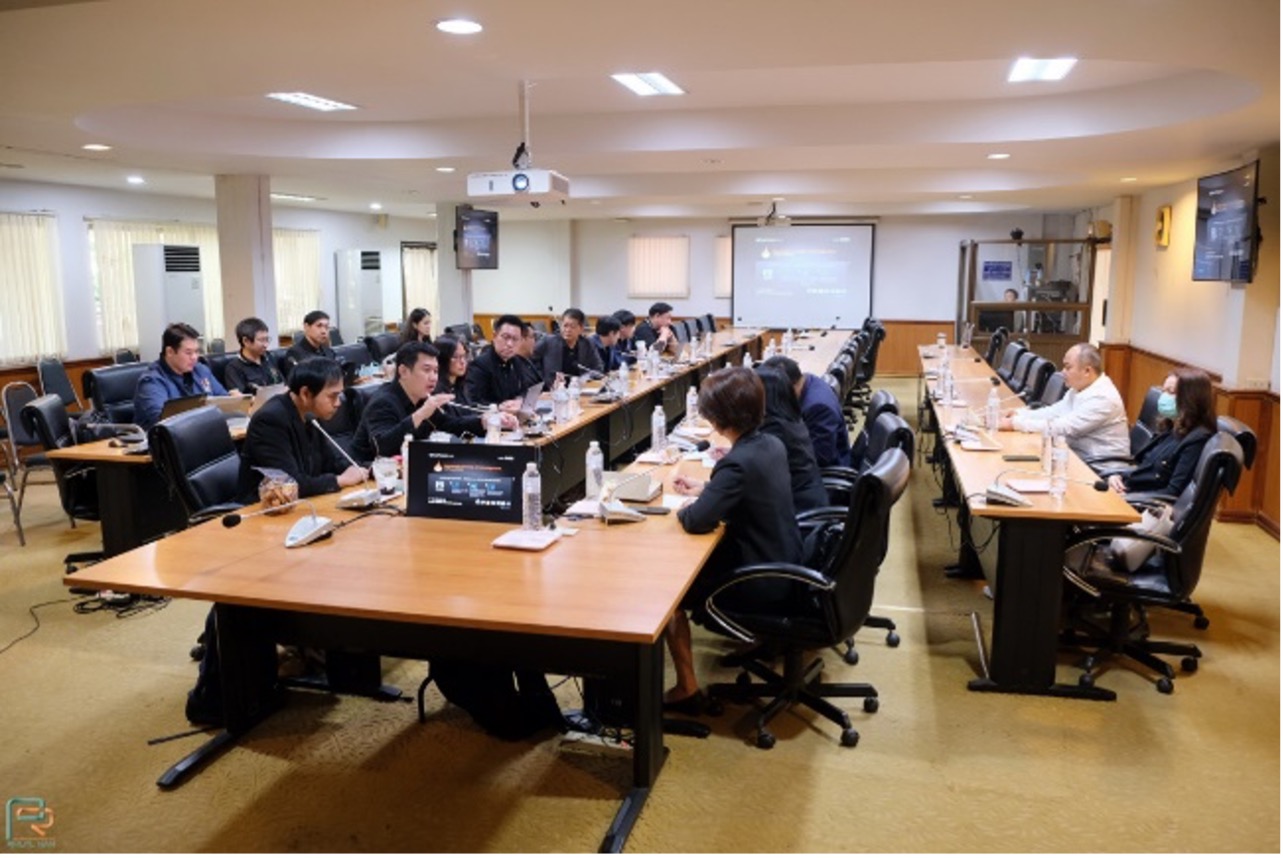
Faculty and Staff Council
The university has appointed elected representatives from all six campuses of the institution to serve on the Faculty and Staff Council. The Council serves as a central forum for exchanging views, proposing constructive approaches to institutional development, advocating for personnel career stability and quality of life, promoting professional development, and receiving feedback and disseminating personnel-related information.
The Council meets at least twice per academic year to discuss personnel-related issues. In 2025, it held a total of eight meetings. The Council Chair reports findings and recommendations to the University President and University Council, monitors the implementation of initiatives, and communicates updates to university personnel. These activities promote transparent governance, constructive dialogue, staff welfare, and improved working conditions.
Faculty and Staff Council
Complaint and Feedback Mechanisms
RMUTL provides accessible channels for students, staff, and stakeholders to submit complaints, suggestions, and reports of misconduct. These include an online complaint platform at https://www.rmutl.ac.th/complaint and a direct complaint channel to the University President at https://www.rmutl.ac.th/hotline. Moreover, dedicated complaint channels and hotlines are available on the websites of individual faculties, institutes, offices, and campuses to facilitate direct communication with the relevant authorities. Complaints are forwarded to the University President for consideration and appropriate action, with feedback communicated to the complainants. Individuals may also submit concerns directly to the central office of the President.
Personal Development Project
RMUTL promotes continuous personnel development to enhance staff competencies, professional growth, and well-being. The university supports training, study visits, further education, and research development to strengthen staff capabilities, improve work performance, and foster innovation in support of the university’s mission and sustainable development.
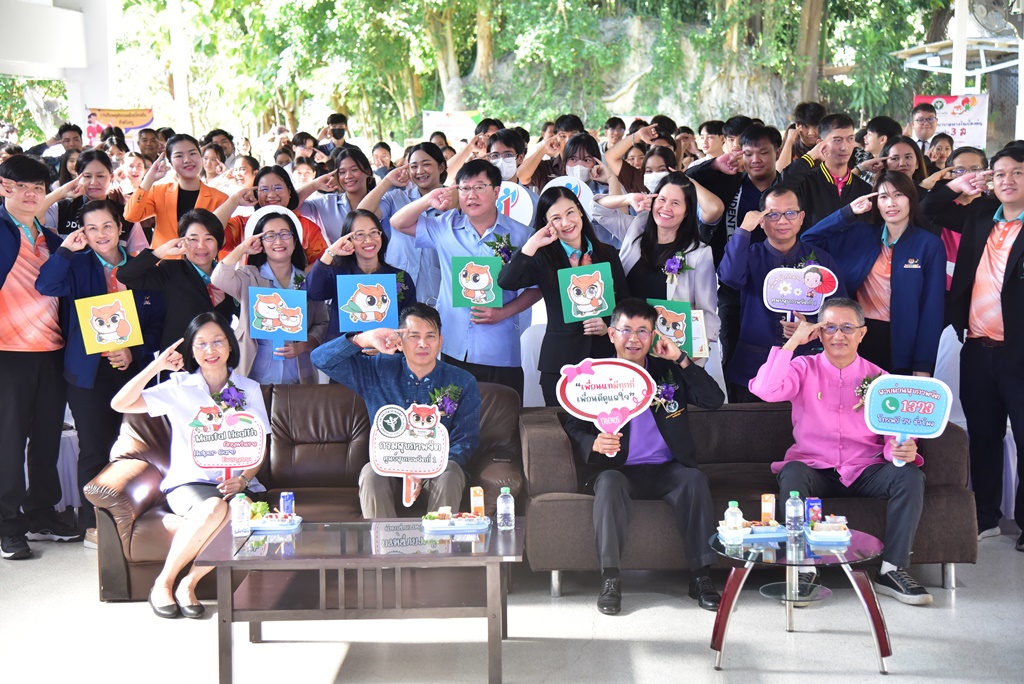
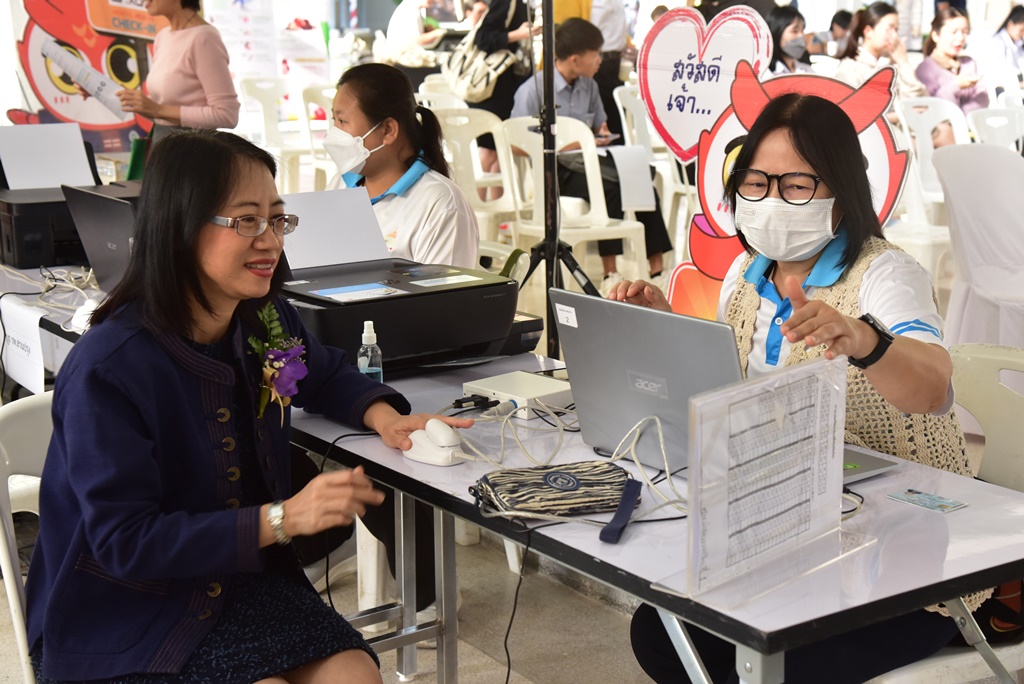
RMUTL Promotes Staff Health and Well-being through Health Care and Wellness Activities in 2025
Throughout 2025, RMUTL demonstrated its commitment to staff health and well-being by organizing various health promotion activities aimed at supporting both physical and mental health. These initiatives included annual health check-ups, stress assessments using Biofeedback technology, vascular health evaluations, and workshops on mental health awareness and physical wellness.In collaboration with healthcare professionals from Chiang Mai University’s Faculty of Associated Medical Sciences and the 1st Regional Mental Health Center in Chiang Mai, RMUTL provided staff with opportunities to monitor their health, assess stress levels, and gain practical knowledge on self-care and stress management. These activities reflect the university’s care and concern for its personnel, while fostering a healthy and supportive working environment that contributes to staff well-being and sustainable work performance.
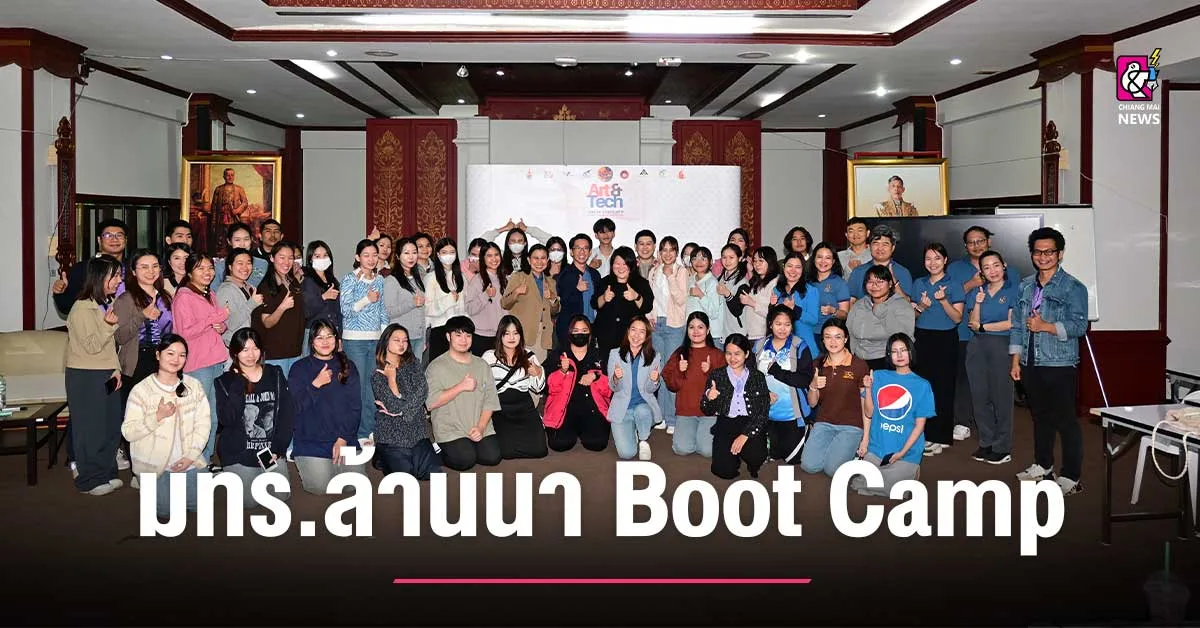
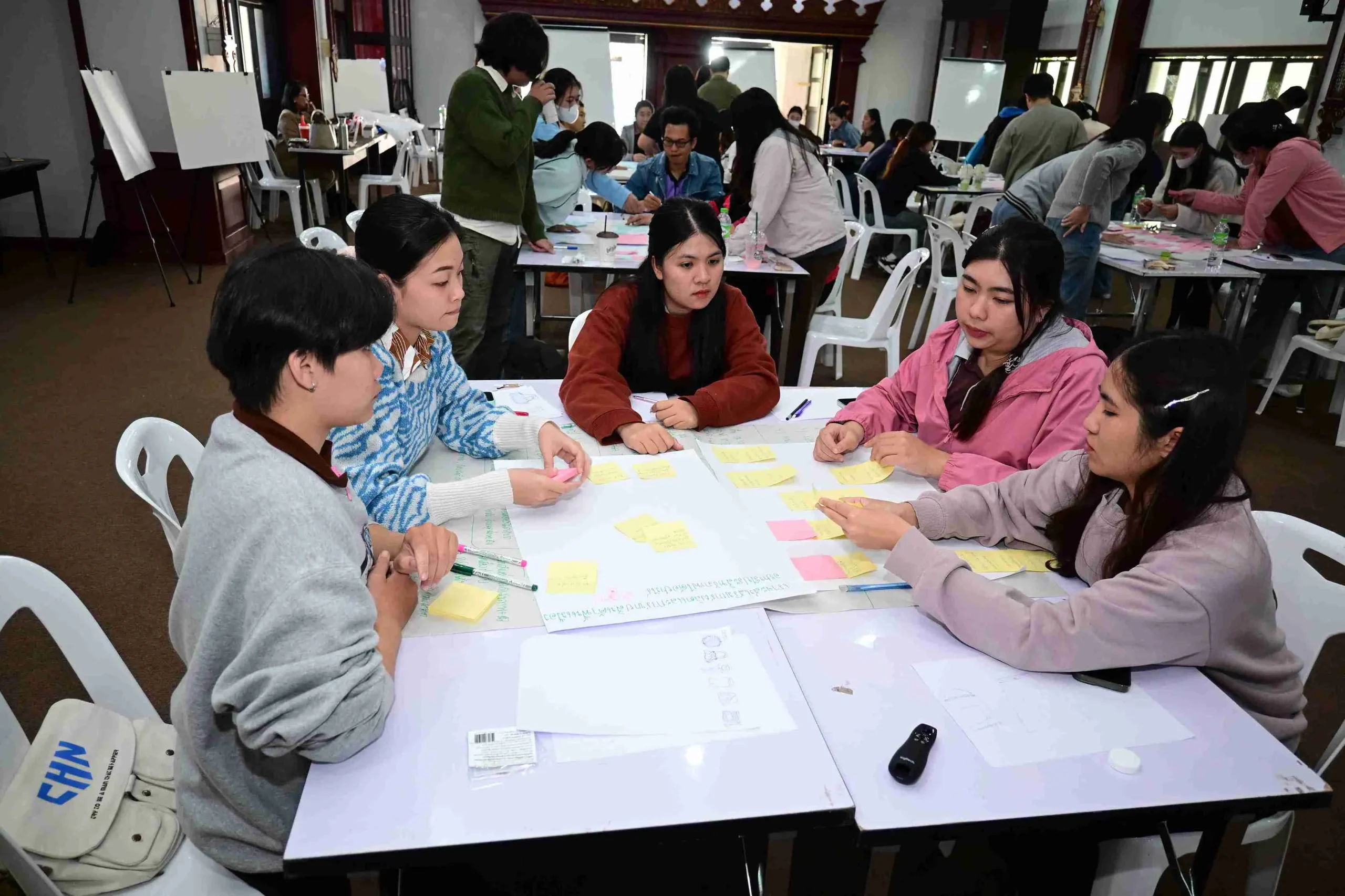
RMUTL Promotes Student Entrepreneurship through the Lanna Art & Tech Startup Boot Camp
On 2 February 2025, RMUTL organized the “Exploring Entrepreneurial: Art & Tech Startup” activity under the Lanna Art & Tech Startup Project to develop students’ creative potential and entrepreneurial skills in art and technology, contributing to the growth of the Lanna creative economy. The Boot Camp provided hands-on training in problem-solving, Business Model Canvas, Value Proposition Design, business model development, technology skills, and product prototyping. Participants developed innovative business ideas with commercial potential, while two startup grants of THB 25,000 each were awarded to support promising student ventures. The initiative promotes entrepreneurship, innovation, and future opportunities for self-employment and business development.
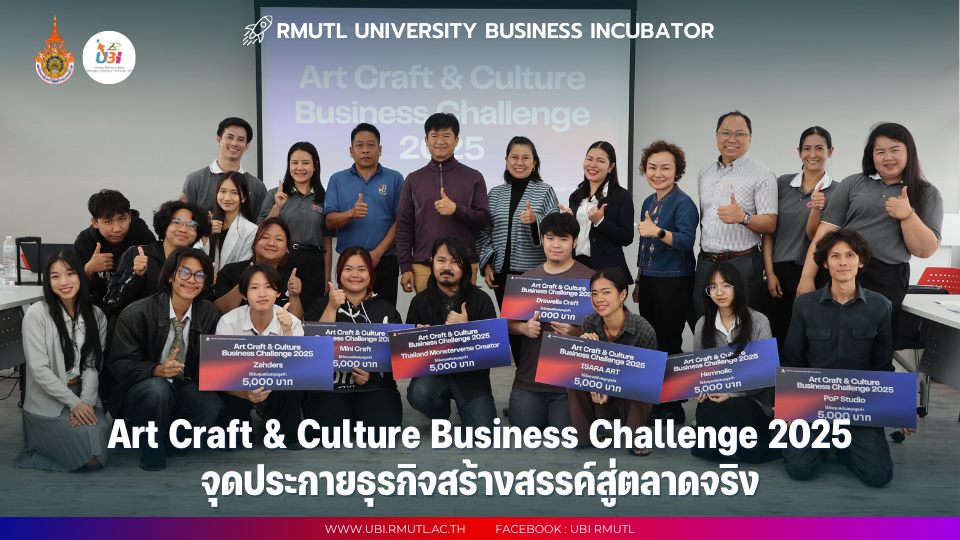
RMUTL Promotes Young Entrepreneurs through the Art, Craft & Culture Business Challenge 2025
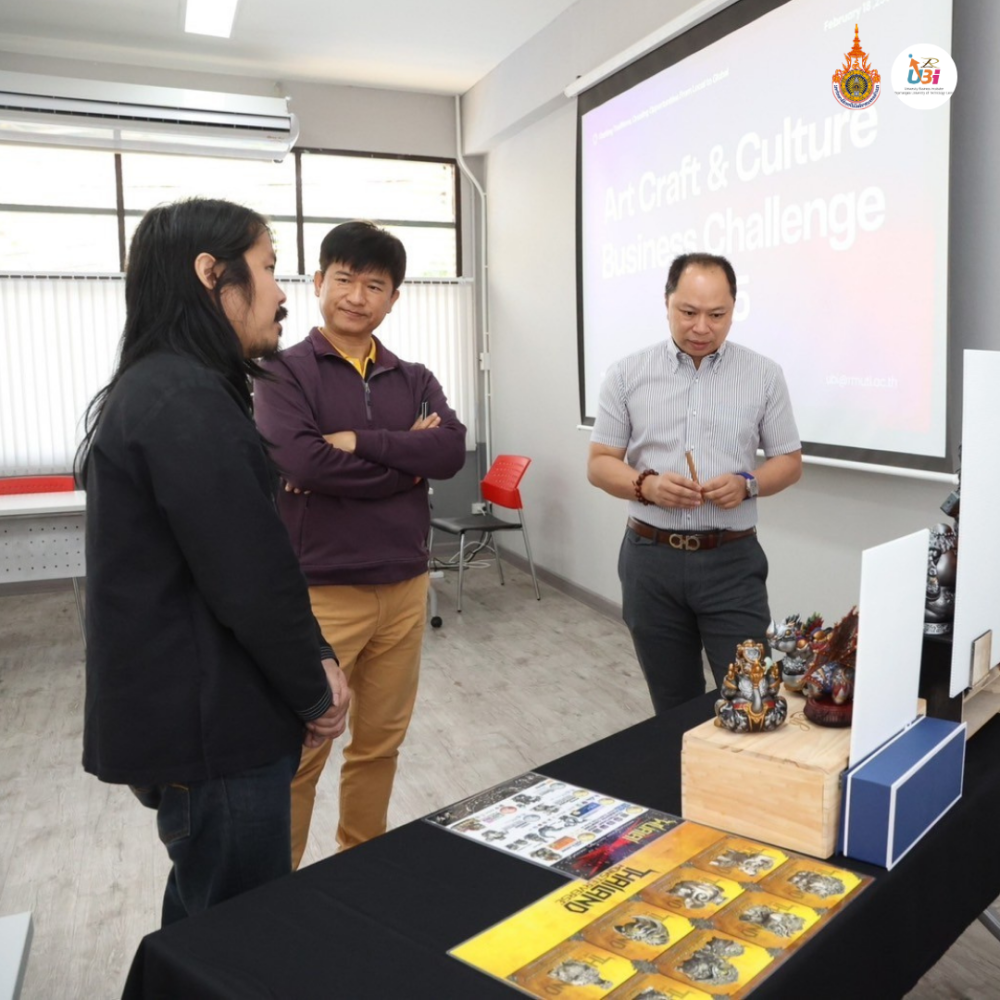
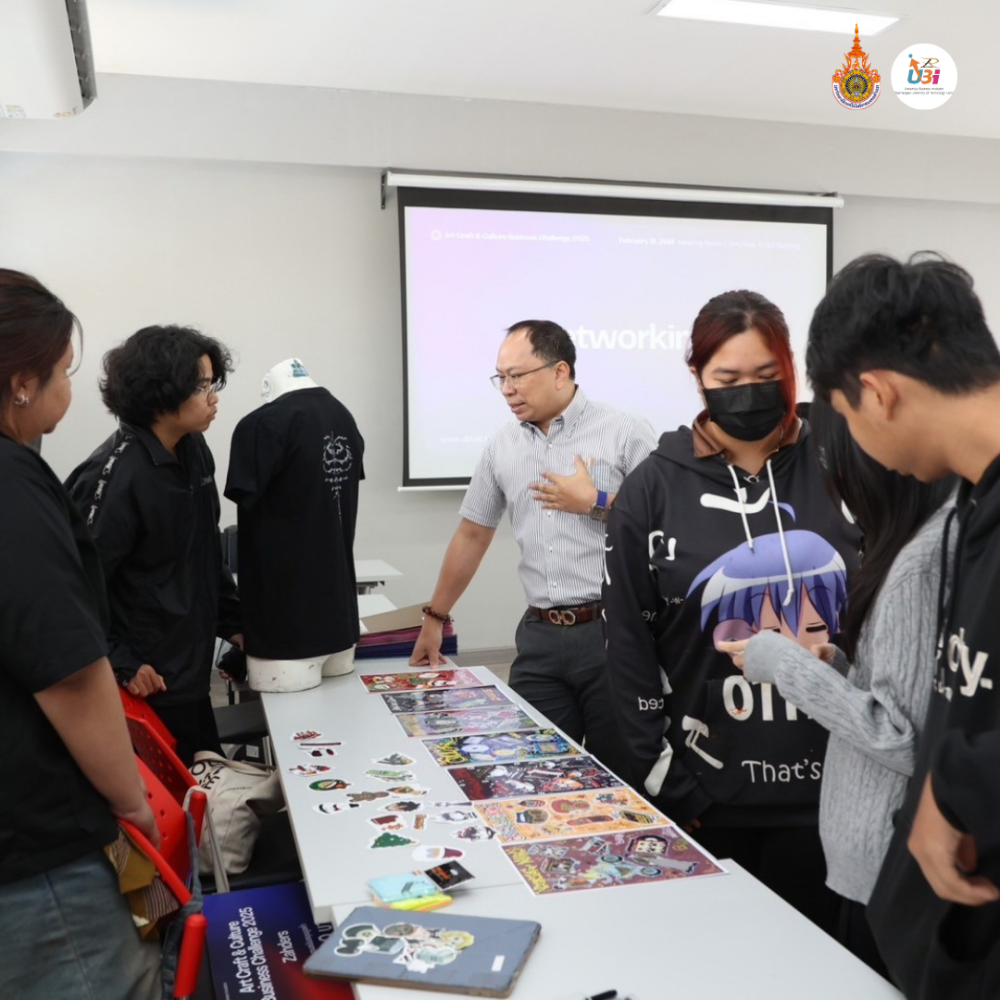
On 18 February 2025, RMUTL, through its Business Incubation Center, organized the “Art, Craft & Culture Business Challenge 2025” under the theme “Local Lanna to Global.” The competition provided students and alumni with opportunities to present creative business ideas and showcase products inspired by Lanna art, handicrafts, and cultural heritage. Seven finalist teams presented their business concepts and received expert feedback. Selected participants were also given opportunities to market and sell their products at Lam Chang Community and Kad Kong Kao Old City cultural markets. The initiative encouraged the integration of local wisdom, cultural heritage, and modern technology to develop innovative products, strengthen entrepreneurial skills, and create business and income-generating opportunities.
RMUTL Organizes Business Preparation Workshop to Strengthen Entrepreneurial Skills and Promote New Business Development
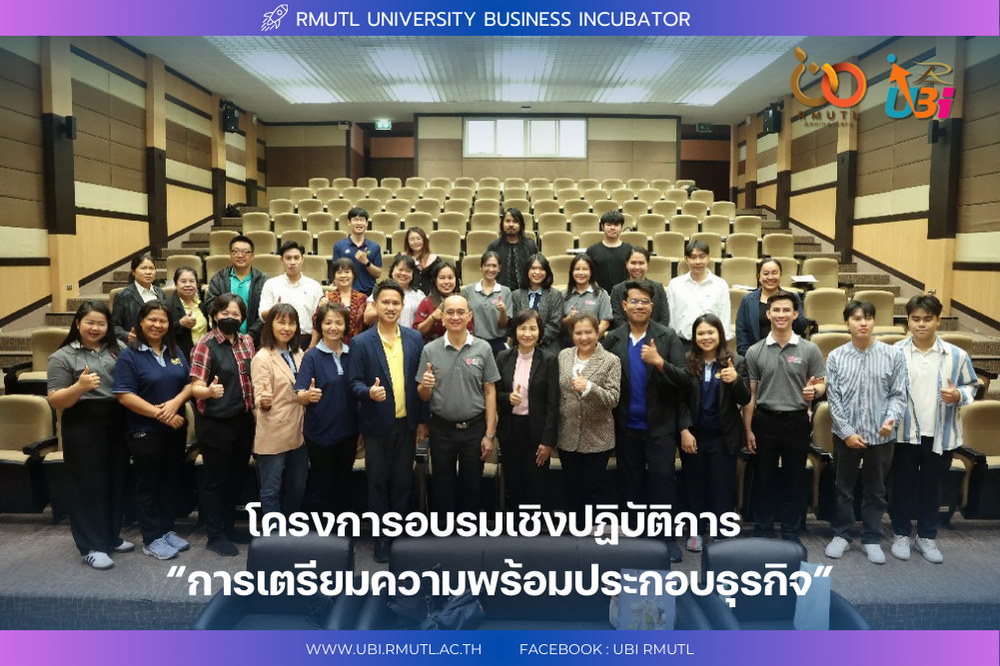
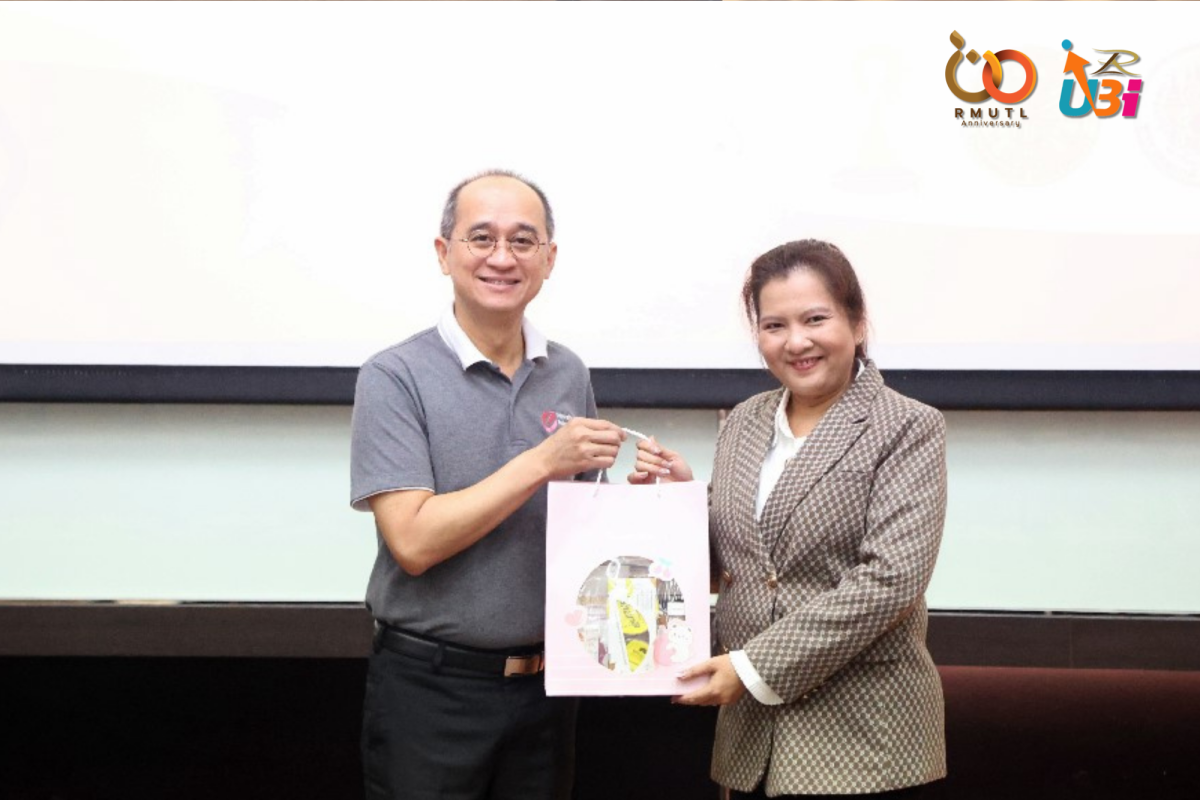
On 6–7 March 2025, RMUTL Business Incubation Center organized a “Business Preparation” workshop for entrepreneurs, students, alumni, and university personnel, aimed to strengthen their business knowledge and entrepreneurial skills. Experts from the National Research Council of Thailand (NRCT), the National Innovation Agency (NIA), King Mongkut’s University of Technology North Bangkok, Chulalongkorn University, and Thammasat University shared practical knowledge on business investment planning, product and service development, funding opportunities, and the application of technology and innovation to enhance business competitiveness. The workshop helped prepare participants to establish and develop sustainable businesses, fostering entrepreneurship, self-employment, and regional economic development.
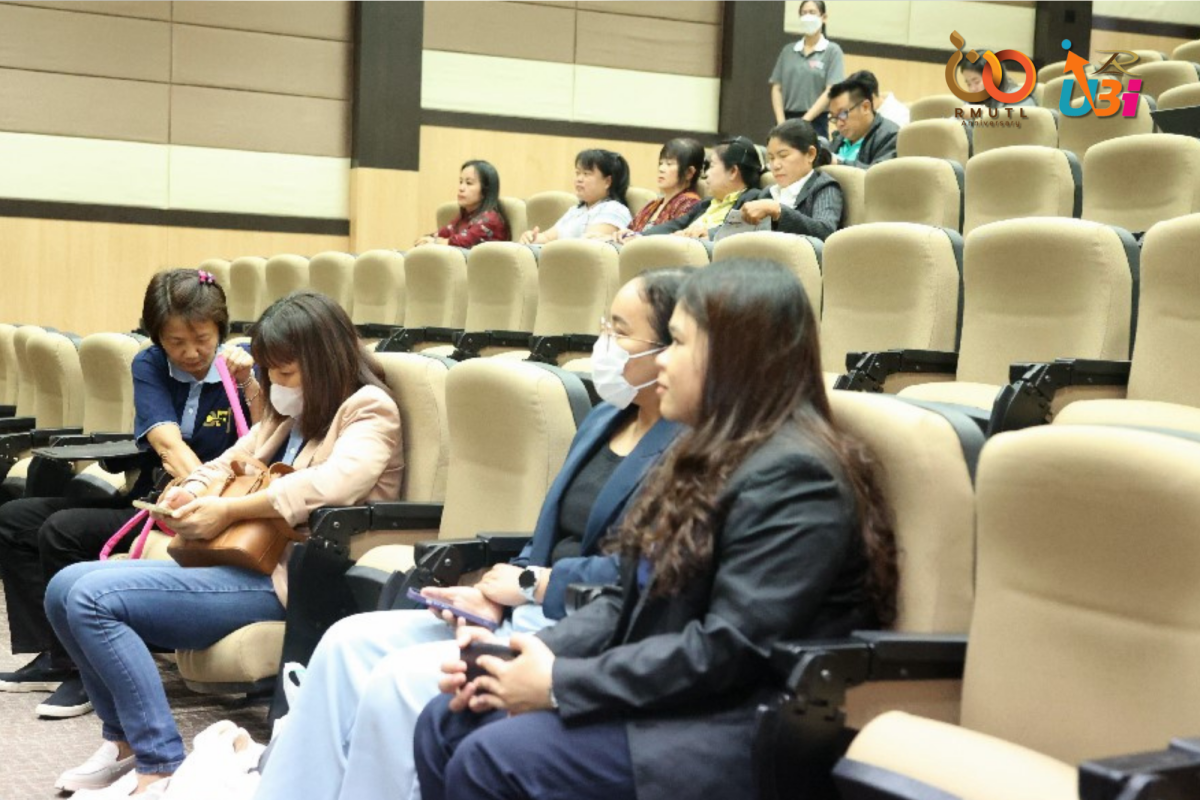
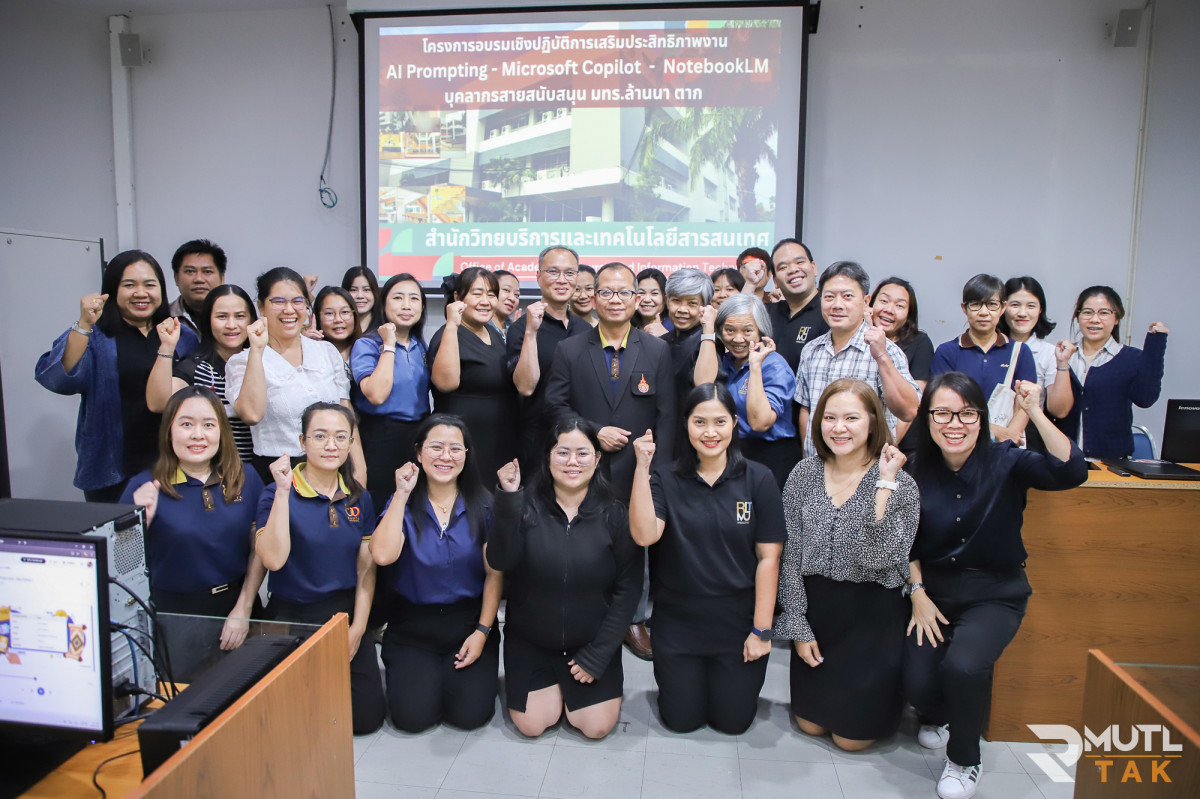
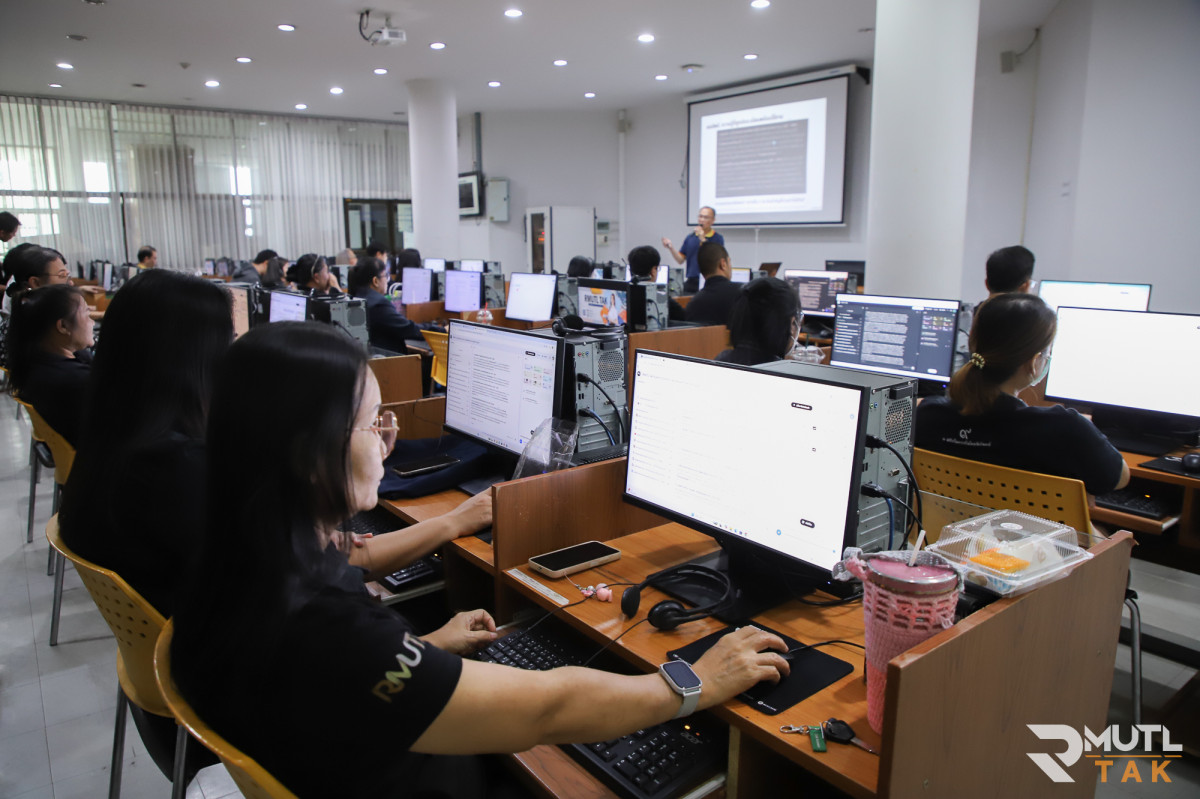
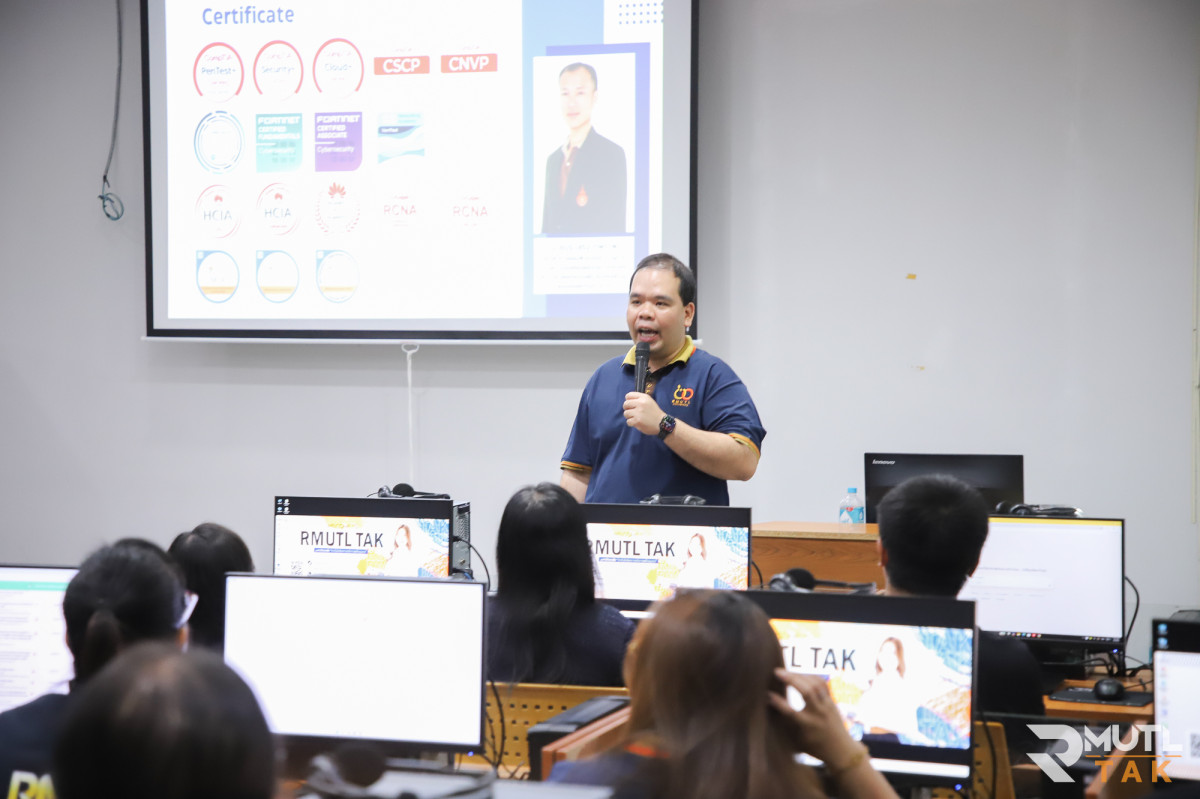
RMUTL Tak Enhances Staff Digital Skills through AI Training to Improve Workplace Efficiency
On 9–10 March 2026, RMUTL Tak organized a hands-on training workshop entitled “Enhancing Work Efficiency with AI: Prompting, Copilot, and Gemini.” The workshop aimed to strengthen staff digital competencies and prepare university personnel to adapt to the digital era. The training focused on the fundamentals and practical applications of Generative AI tools, including Microsoft Copilot, Gemini, and NotebookLM. Participants learned effective prompting techniques to obtain accurate and relevant results and explored how AI could be applied to streamline work processes, reduce repetitive tasks, and improve operational efficiency. The initiative supports staff capacity development and enables personnel to allocate more time to strategic tasks and university development.
RMUTL Organizes Human Resources Personnel Development Seminar to Enhance Professional Competencies
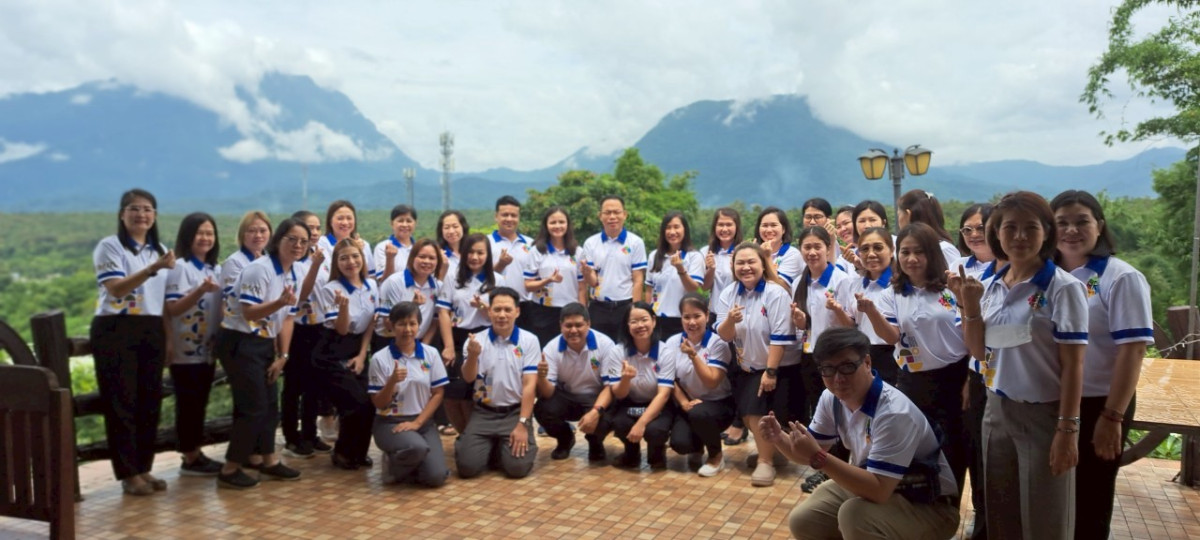
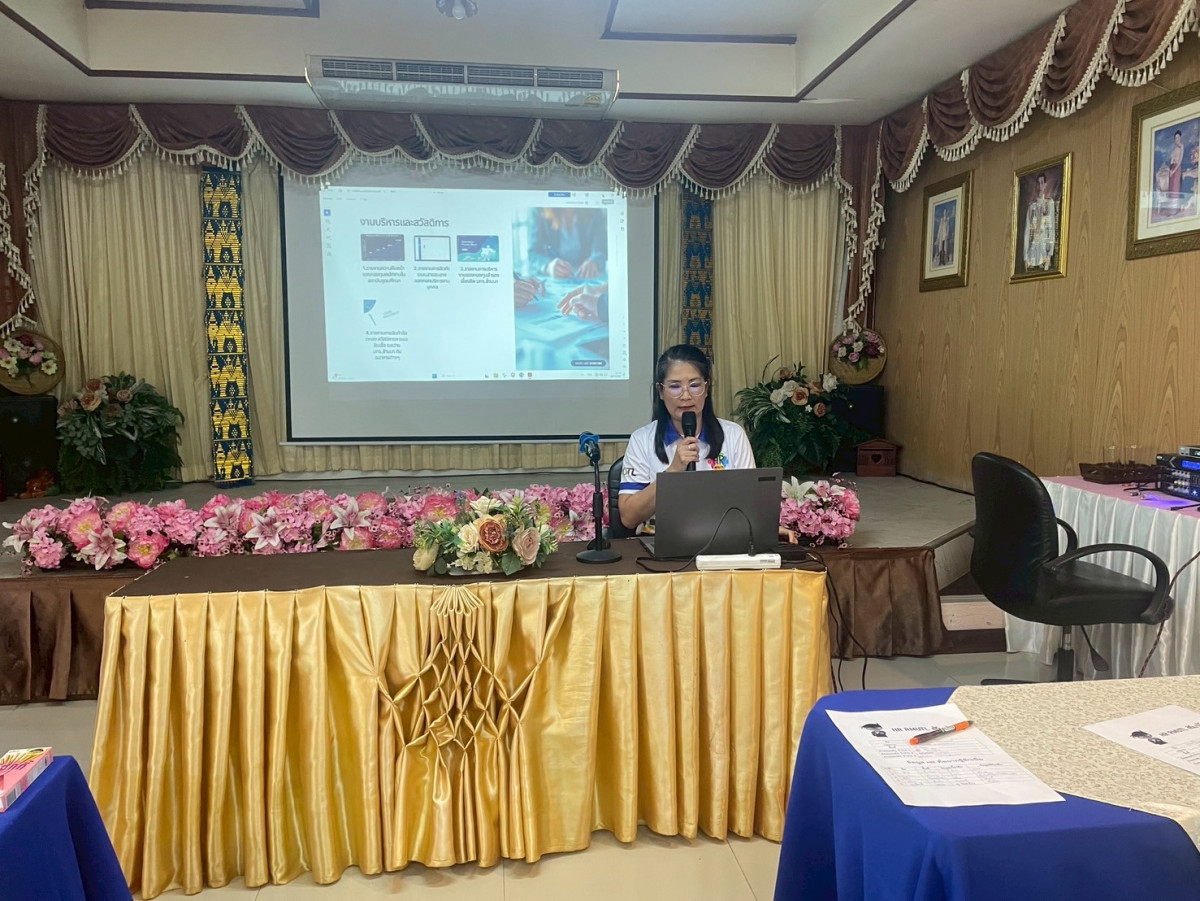
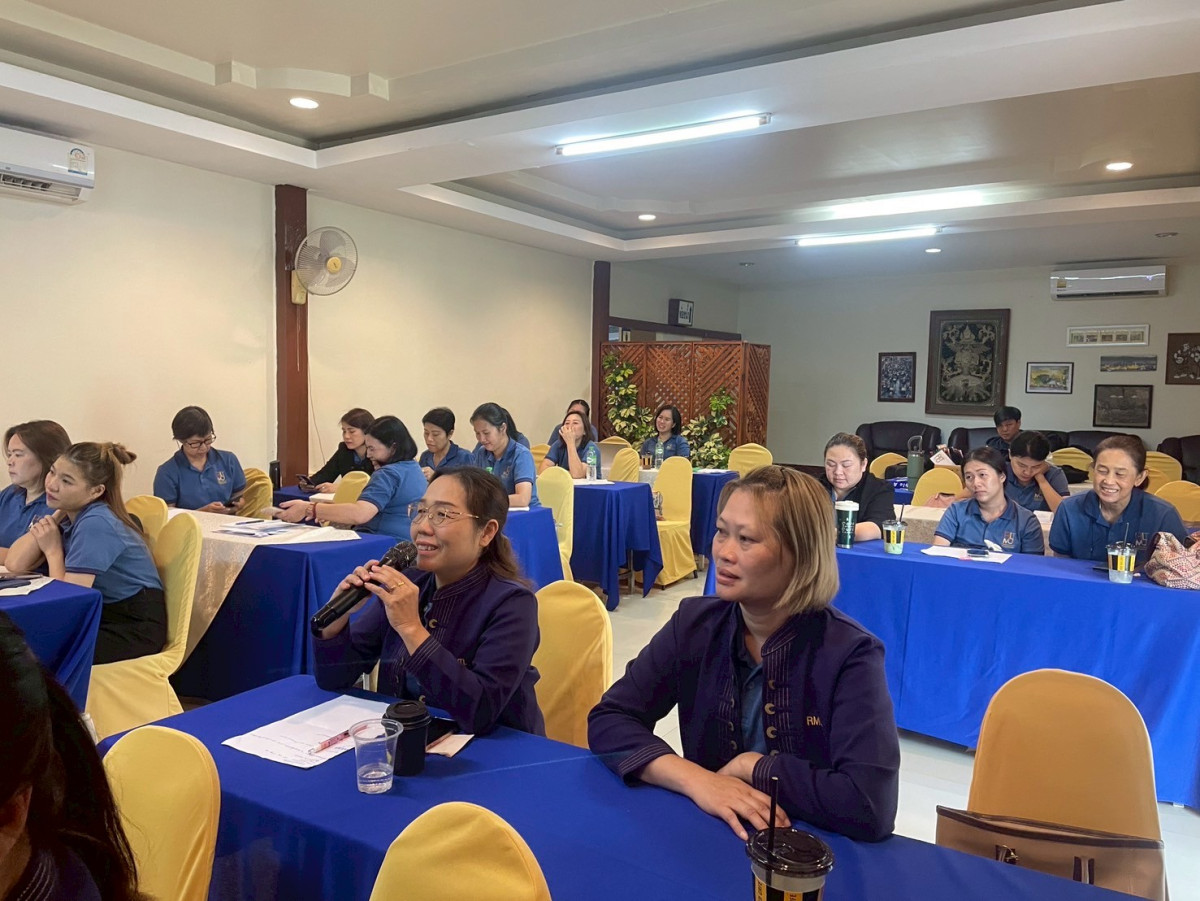
From 29–31 July 2025, RMUTL organized the “Human Resources Personnel Capacity Development Seminar 2025” at Chiang Dao Good View Resort, Chiang Mai. The seminar aimed to strengthen knowledge and skills in human resource management, encourage experience sharing and the exchange of best practices, improve work efficiency, and foster collaboration among personnel. The seminar provided an opportunity for human resources personnel to enhance their professional competencies, exchange knowledge and experiences, and develop more effective working approaches. The initiative also aimed to strengthen teamwork and organizational collaboration, contributing to improved institutional performance and sustainable organizational development.
BALA Marketplace 2025: Promoting Creative Business and Inspiring the Next Generation of Entrepreneurs
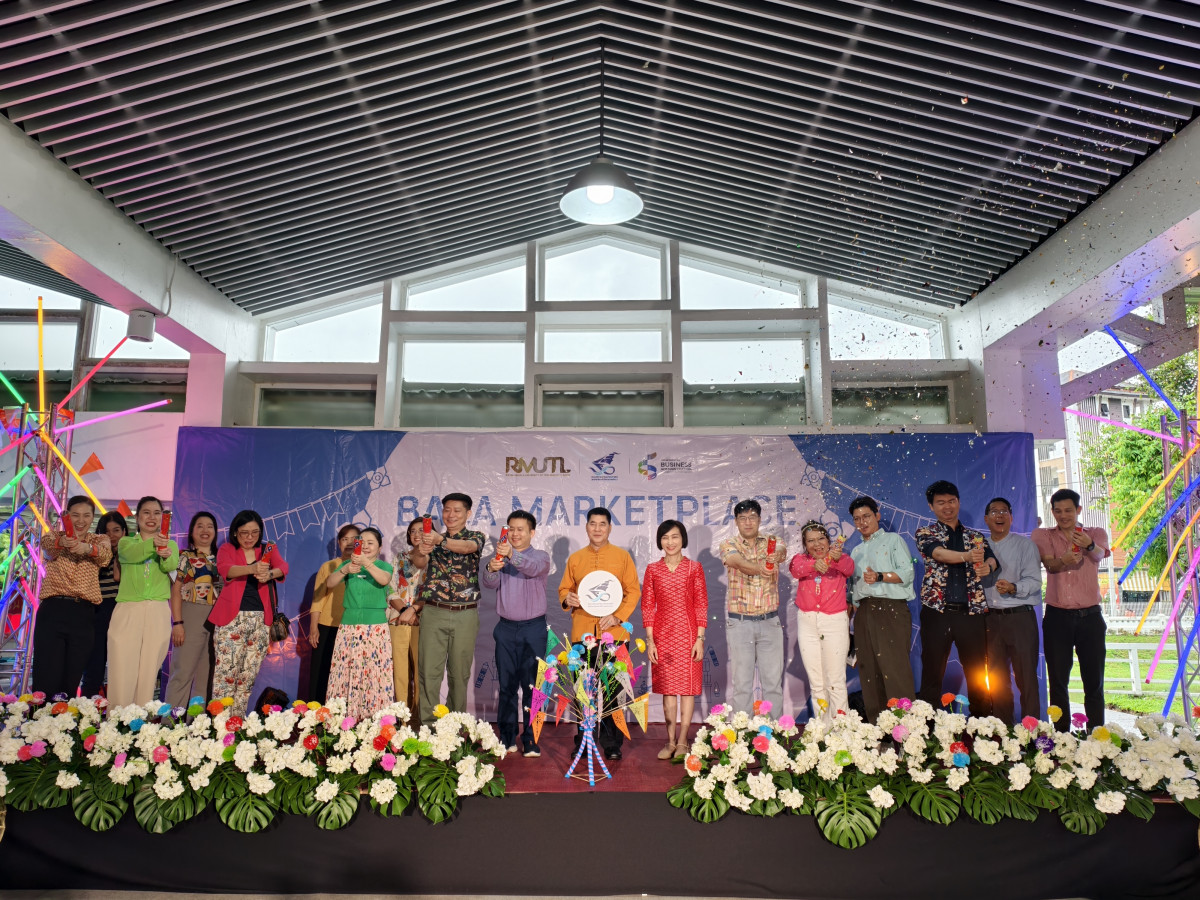
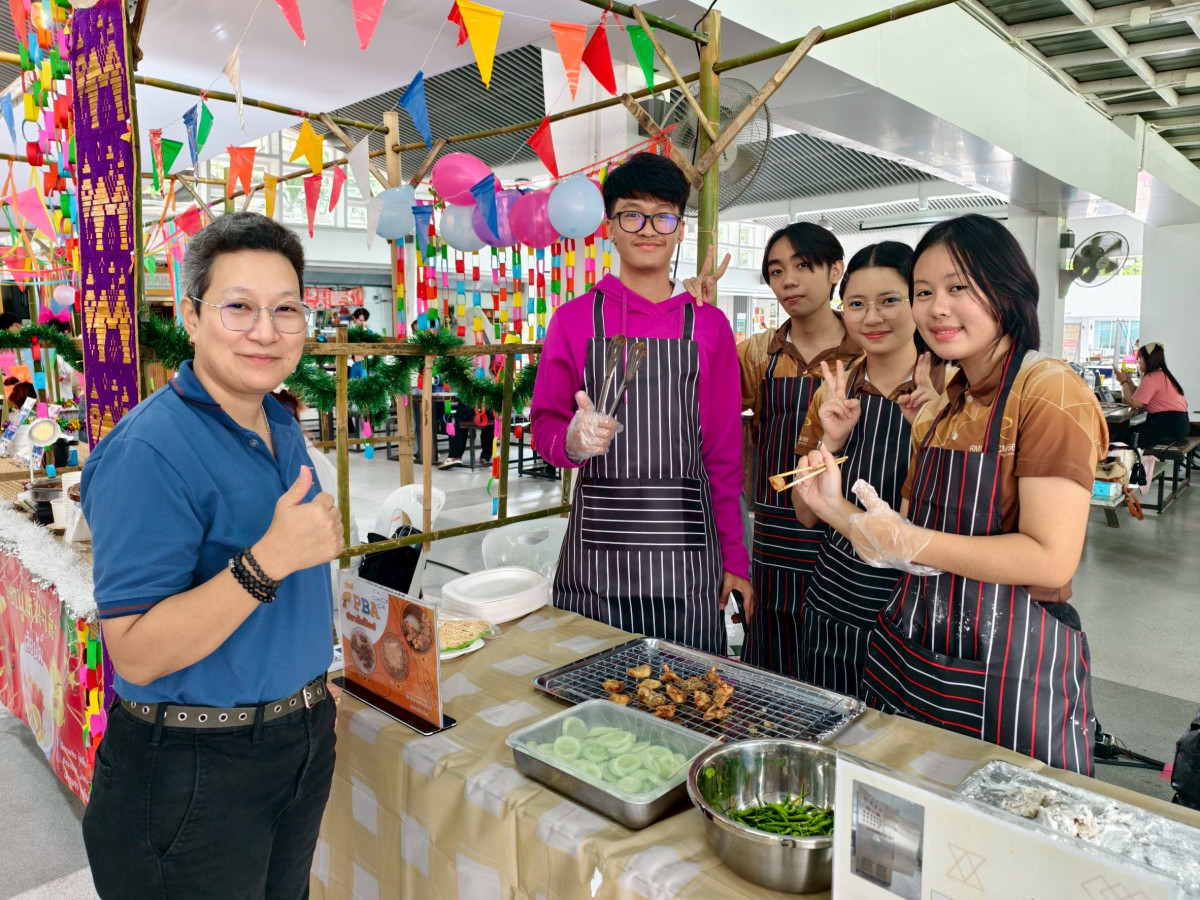
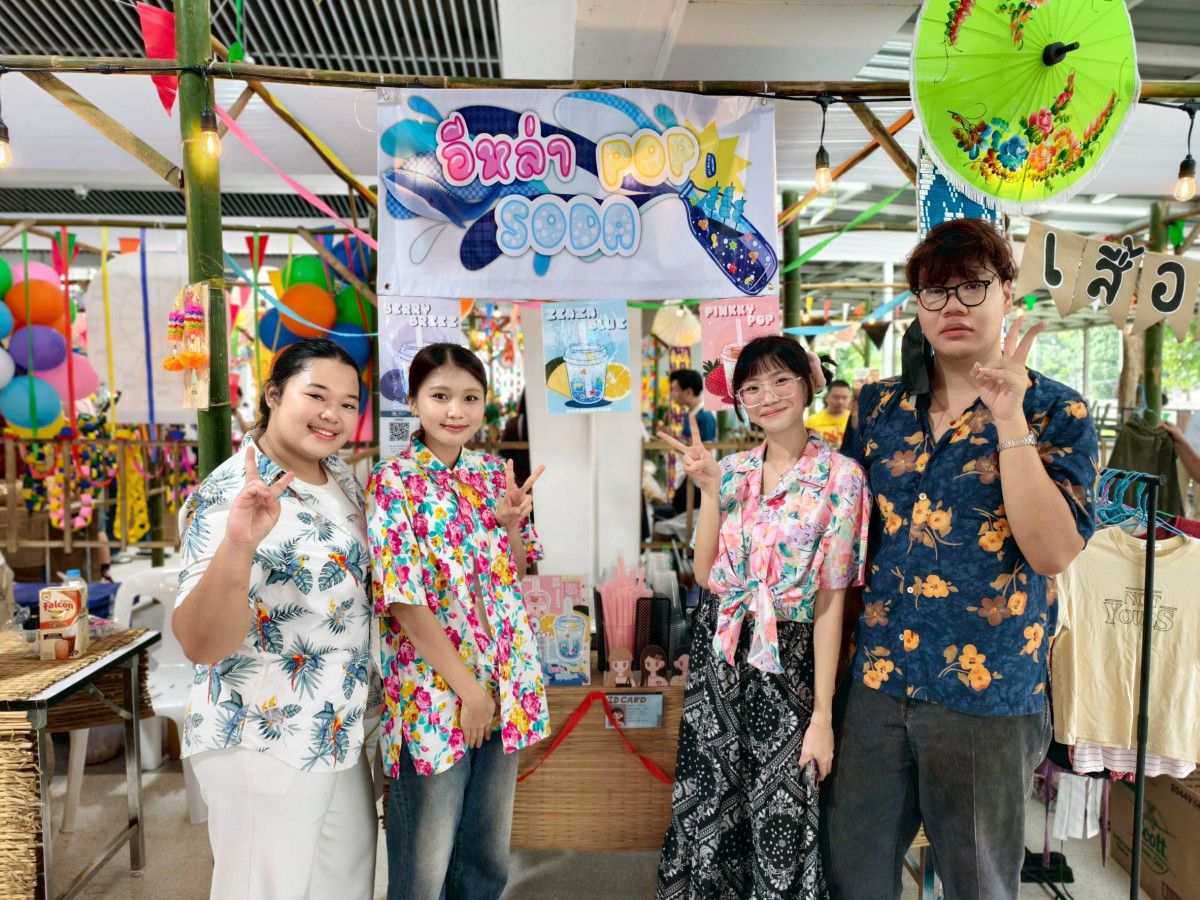
On 28–29 August 2025, the Business Incubation Center of Rajamangala University of Technology Lanna (UBI RMUTL) participated in BALA Marketplace 2025 and Next Gen Startup Coaching, organized by the Business Administration Program, Faculty of Business Administration and Liberal Arts, at RMUTL. The activities aimed to inspire students to pursue entrepreneurship and strengthen the university’s entrepreneurial ecosystem through business knowledge sharing and expert guidance. The event provided students with opportunities to showcase their business ideas, exchange experiences, and receive professional advice. Through Next Gen Startup Coaching, students received guidance on business development and opportunities to introduce their products to the Chiang Mai University Cooperative Store network, helping them explore potential market channels. UBI RMUTL also encouraged promising student entrepreneurs to join its Incubation Program to further develop their business ideas and prepare their products for commercial markets.
RMUTL Organizes Academic Position Promotion Workshop in Science to Support Faculty Career Advancement
On 2 December 2025, the Human Resources Division, in collaboration with the Faculty of Science and Agricultural Technology, RMUTL, organized an academic workshop entitled “Techniques for Applying for Academic Positions: Assistant Professor, Associate Professor, and Professor in Science, Physics, Chemistry, and Biology” with online participation via Zoom. The session provided faculty members and academic personnel with practical knowledge of the procedures, techniques, and requirements for preparing academic works and supporting documents for academic position applications. The activity aimed to enhance academic competencies, promote professional development, and create opportunities for career advancement among RMUTL academic staff.
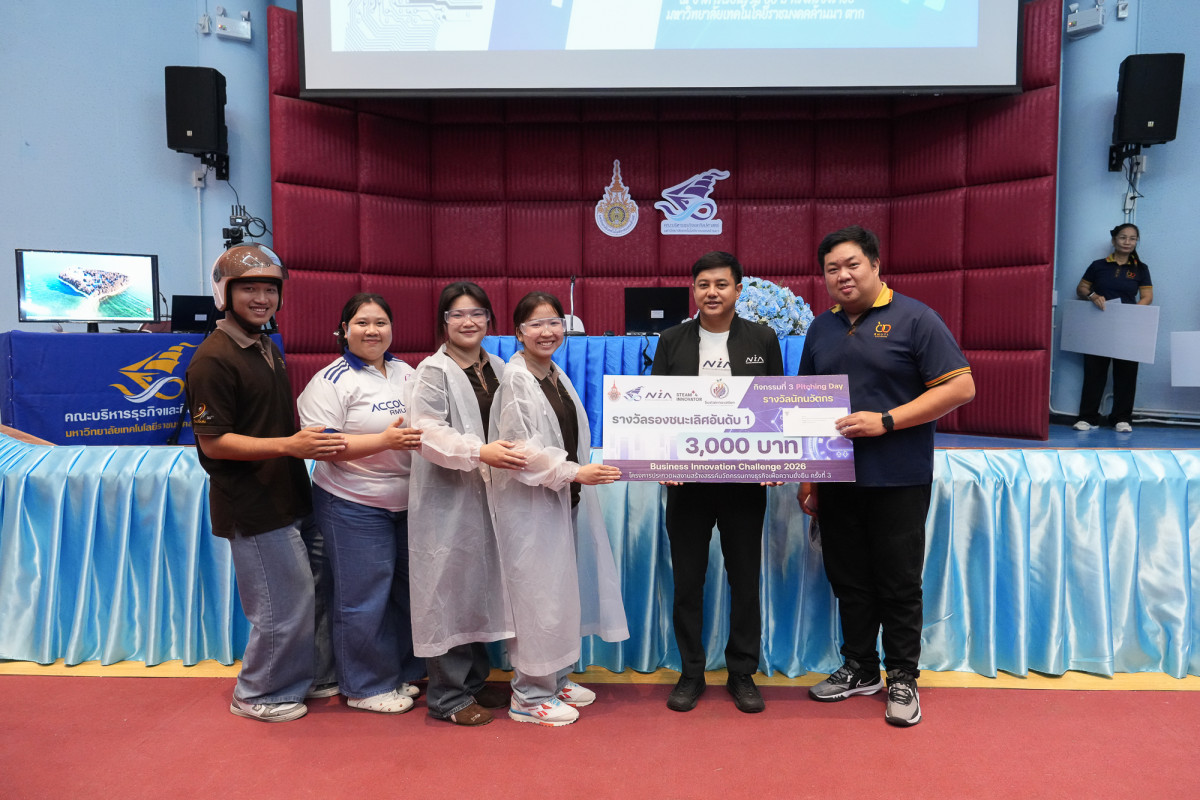
RMUTL Tak Fosters Young Innovators and Entrepreneurs through the 3rd Sustainable Business Innovation Competition
On 3 March 2026, RMUTL Tak organized the 3rd Sustainable Business Innovation Competition at the Faculty of Business Administration and Liberal Arts. The event aimed to nurture student innovators and prepare them for future entrepreneurship through the STEAM4INNOVATOR learning approach, which encourages creative thinking and the development of innovative business ideas that generate economic, social, and environmental value.
The competition brought together 12 teams, comprising 80 students from various disciplines across RMUTL’s six campuses, providing opportunities for interdisciplinary collaboration and the exchange of innovative ideas. Students presented business innovations addressing practical needs and sustainability challenges, with awards recognizing outstanding achievements in overall performance, creativity, practical application, and presentation. The initiative supports the development of entrepreneurial skills and encourages students to transform innovative ideas into potential business opportunities, contributing to sustainable economic development.
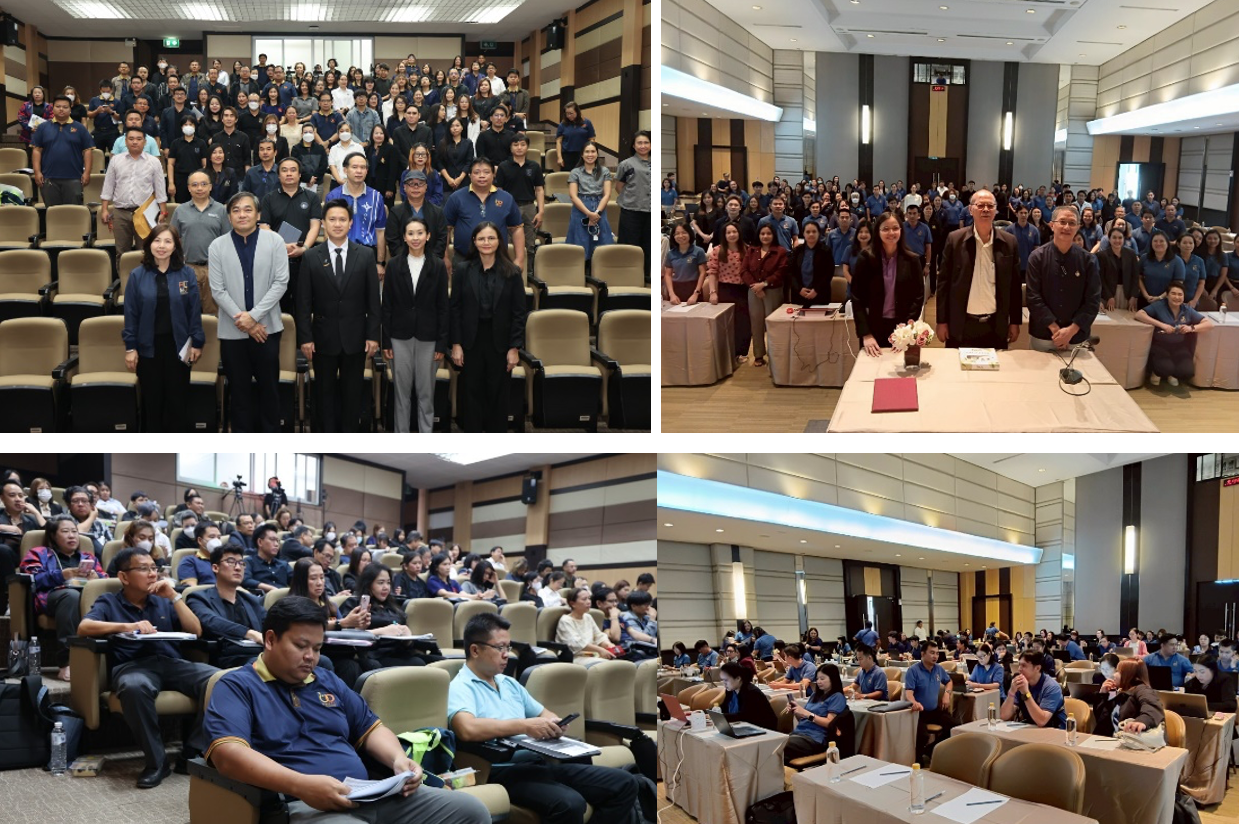
RMUTL Organizes Academic Promotion Development Workshop to Enhance Faculty Career Advancement
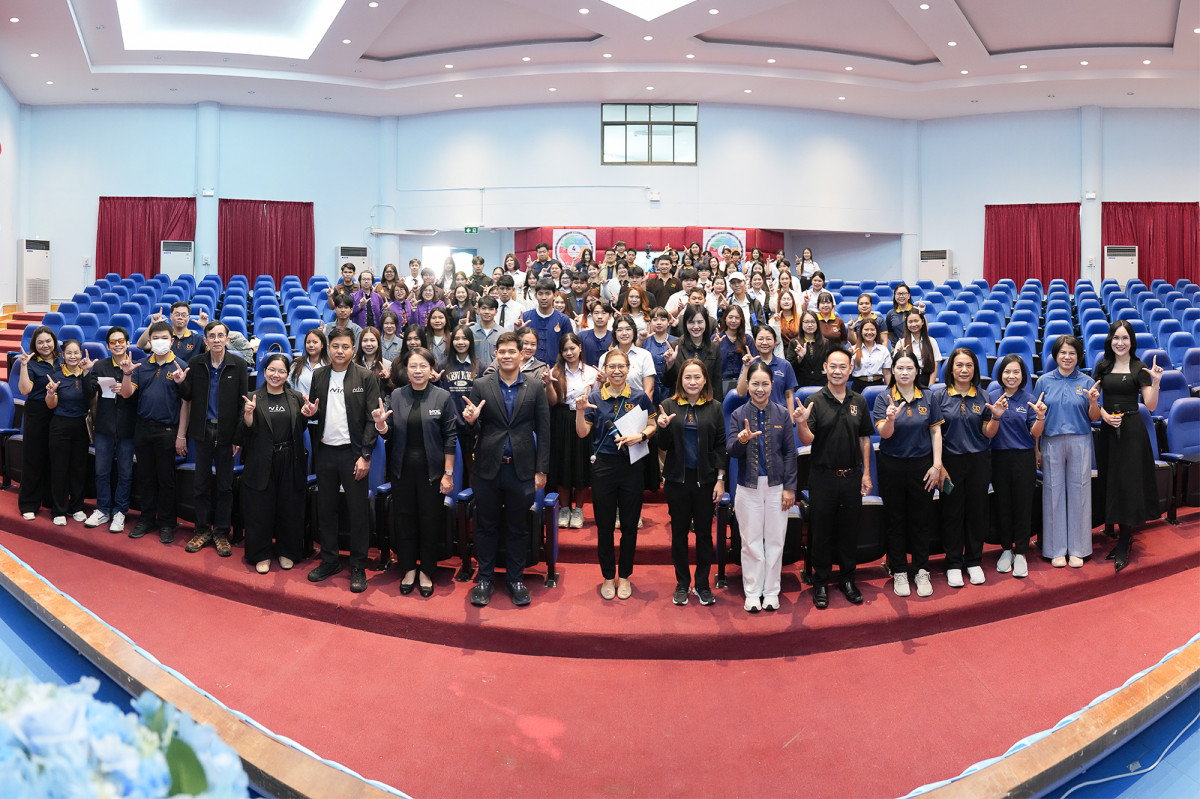
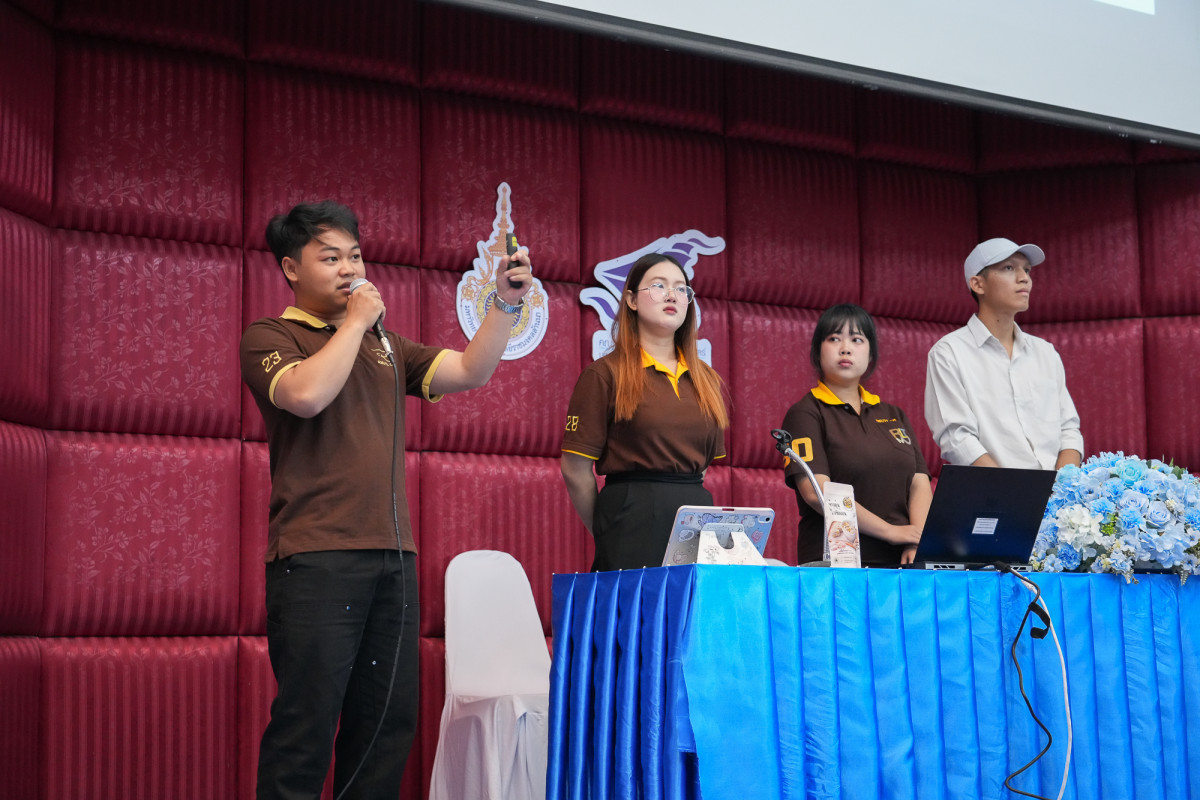
On 27 March 2026, the Human Resources Division, RMUTL, organized a workshop entitled “Tips and Insights on Applying for Academic Positions: Assistant Professor, Associate Professor, and Professor” to support faculty members in preparing high-quality academic works in accordance with the criteria established by the Ministry of Higher Education, Science, Research and Innovation (MHESI).
The workshop provided practical guidance on preparing and submitting academic works based on the academic position criteria announced in 2021 and 2025. The initiative aimed to strengthen academic capabilities, support career advancement, and promote the professional development of RMUTL’s academic workforce.
Support Job Creation, Employment, and Community Development Projects
RMUTL collaborates with government agencies, the private sector, and educational institutions nationally and internationally to develop students’ and staff’s skills and knowledge, promote entrepreneurship, and strengthen community economies. Under its 2023–2027 Action Plan, the university integrates technology, innovation, and local wisdom into project-based learning, supports student and community startups through incubation initiatives such as Creative Lanna, and partners with businesses, SMEs, and local communities to create employment opportunities and promote sustainable economic growth.
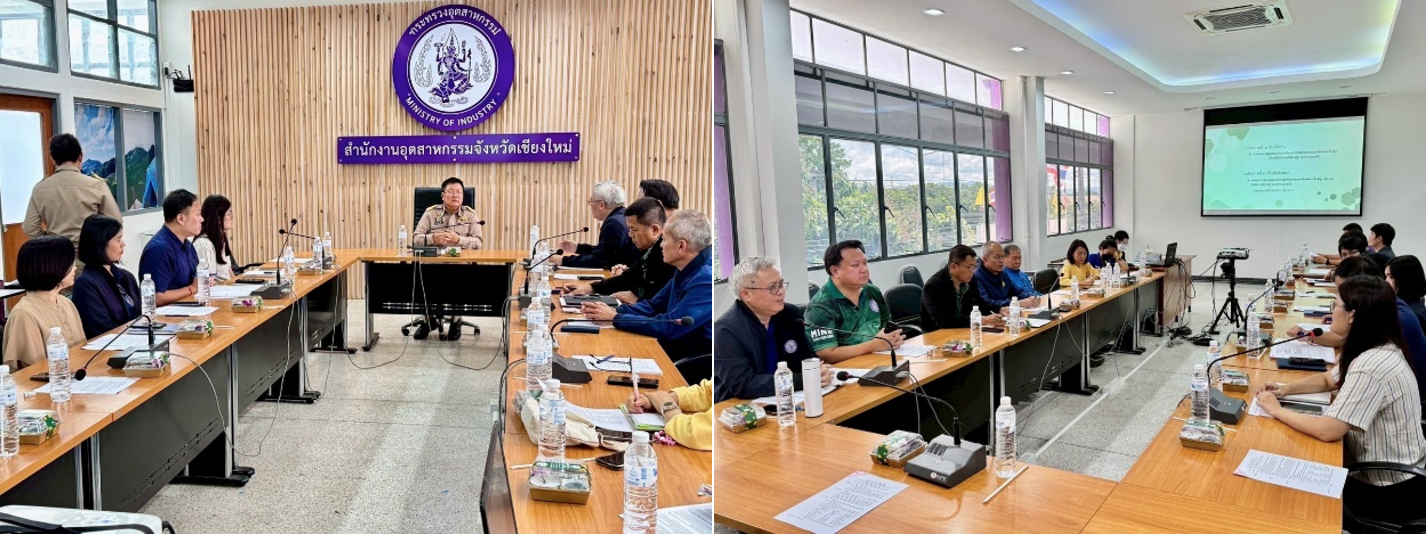
RMUTL Supports Highland Coffee Production Development to Promote Community Livelihoods and Sustainable Economic Growth
On 28 May 2025, a working team from the Technology Transfer to Community Institute, under the Royal Projects Development Planning Group, collaborated with RMUTL’s Building and Grounds Development Division to support the Highland Crop Production Capacity Enhancement Project for Food Safety Standards. The meeting focused on improving highland coffee production systems, particularly Arabica coffee, to meet quality and food safety standards while promoting environmental sustainability.
RMUTL contributed its academic and technical expertise by supporting the design of facilities, machinery, and wastewater treatment systems for coffee processing at the Teen Tok Royal Project Development Center in Mae-On District, Chiang Mai. The initiative aimed to develop the center into a model learning hub for sustainable Arabica coffee production, providing local communities with opportunities to enhance their knowledge and skills in coffee cultivation and processing. This support is expected to promote value-added agricultural products, create income-generating opportunities, and strengthen sustainable livelihoods in highland communities.
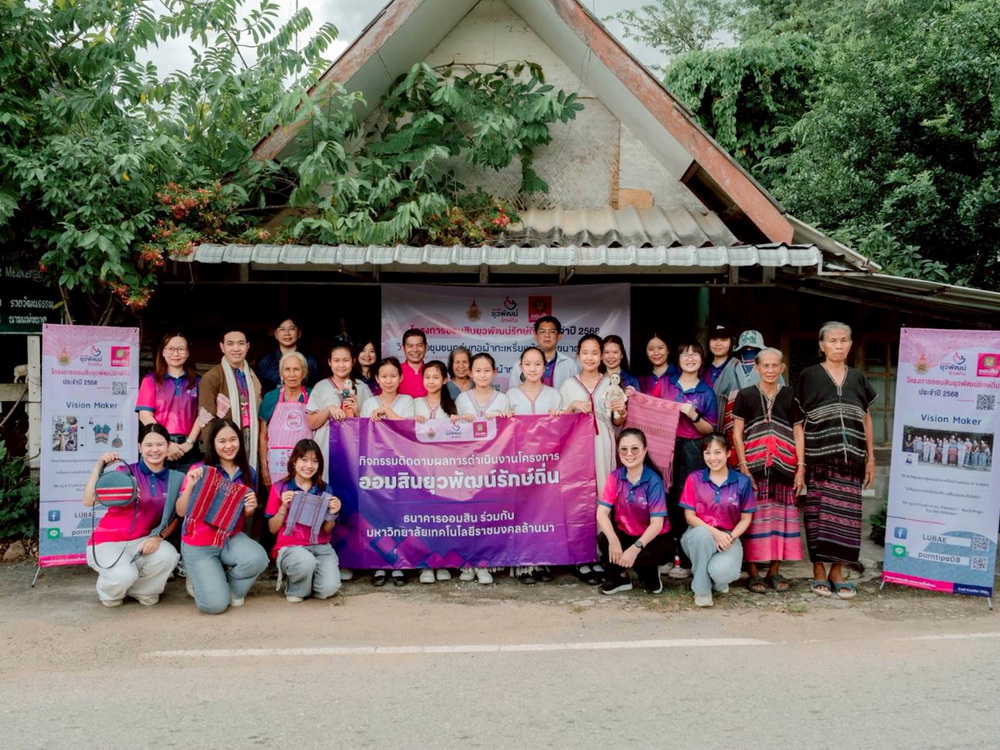
RMUTL Supports Karen and Tai Lue Community Enterprises through the Preservation and Development of Traditional Handwoven Textiles
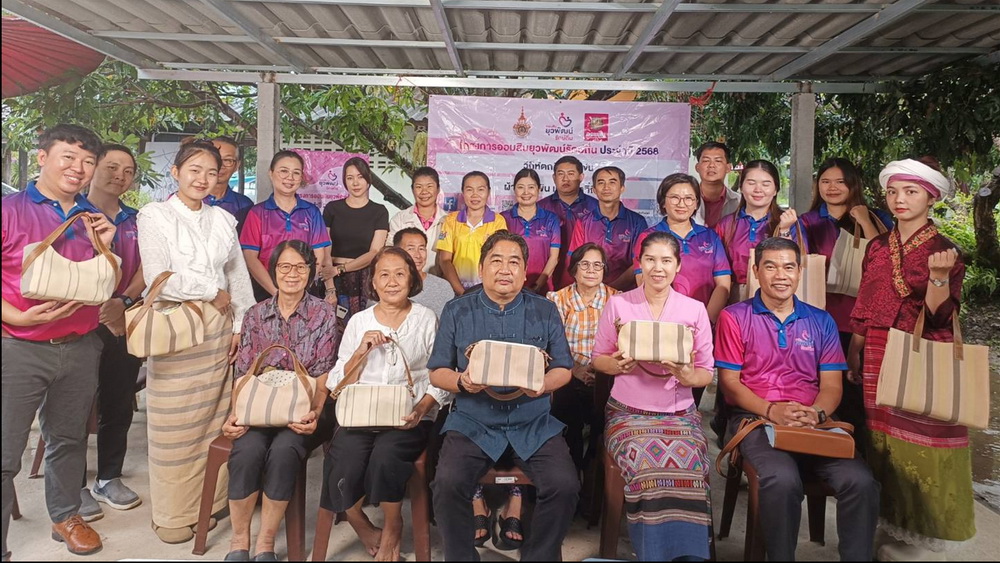
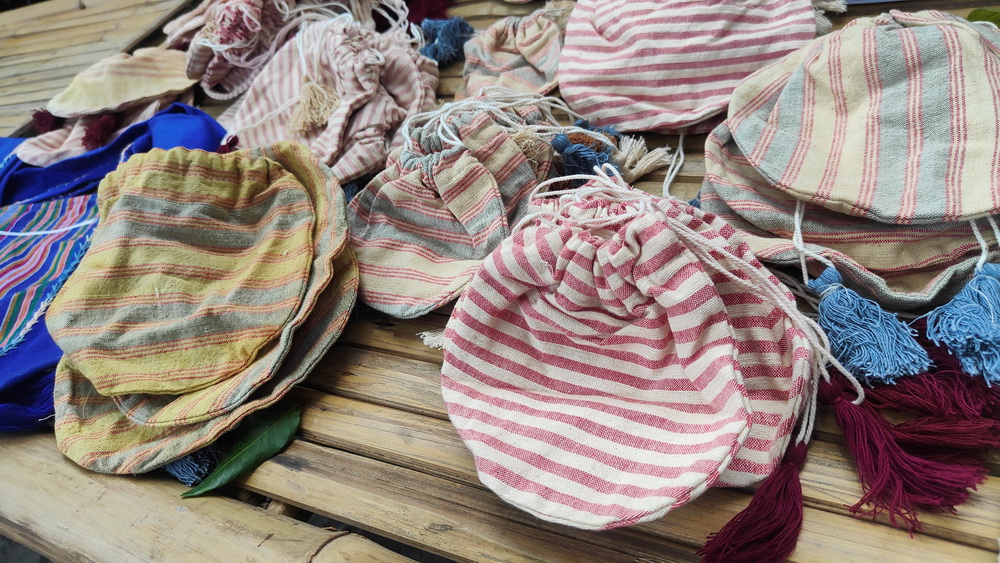
On 15 August 2025, the GSB Yuwapat Rakthin Project Committee of RMUTL, together with representatives from the Government Savings Bank (GSB) Regional Office 8, visited Ban Mae Khanat, Tha Kat Subdistrict, Mae Tha District, Lamphun Province, to monitor the progress of a project supporting the preservation and development of traditional Pwo Karen natural-dyed backstrap loom textiles. The initiative, implemented in collaboration with GSB and the local community, aims to preserve cultural heritage while enhancing the value and market potential of traditional textile products through creative design and contemporary product development. Students from the Vision Makers team, the Faculty of Fine Arts and Architecture, worked with the community weaving group to develop creative and marketing skills. Their outputs included a Story Lookbook, an e-book, digital promotional materials, and videos showcasing the community’s textile heritage and way of life. The project supports community enterprise development, strengthens local marketing capabilities, and creates opportunities for sustainable income generation while encouraging youth participation in cultural preservation and community-based economic development.
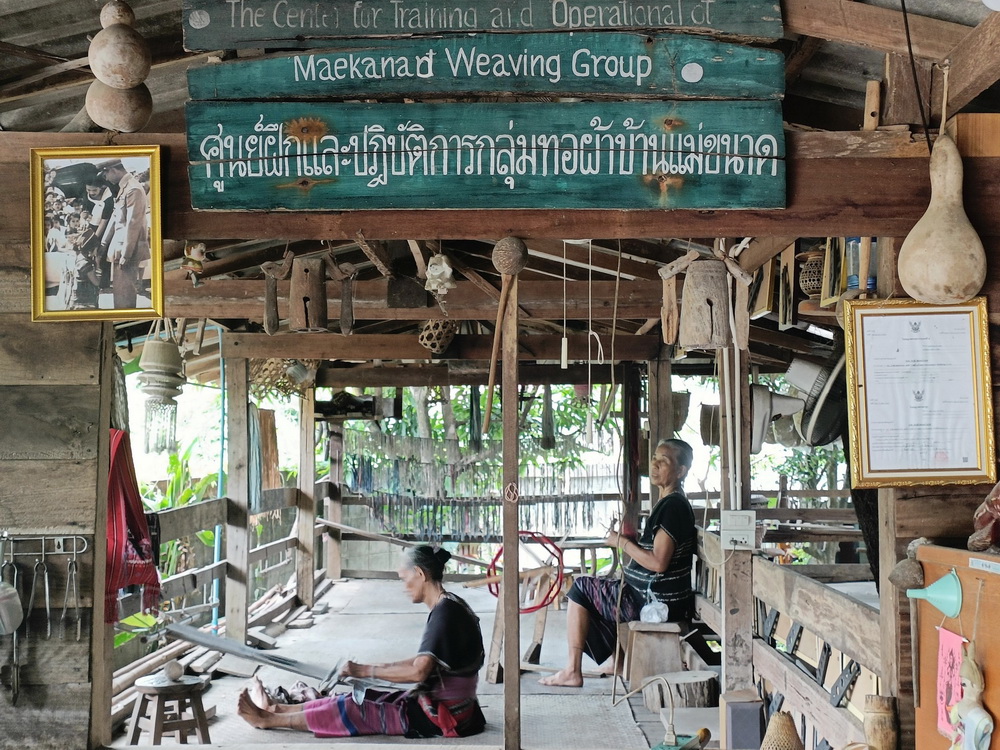
On 25 August 2025, the GSB Yuwapat Rakthin Project Committee of RMUTL, together with representatives from the Social and Community Development Unit of Government Savings Bank (GSB), Regional Office 8, visited the Ban Luang Tai Tai Lue Textile Center in Choeng Doi Subdistrict, Doi Saket District, Chiang Mai Province, to monitor a project aimed at strengthening the capacity of the local Tai Lue textile community enterprise. Implemented from May to September 2025, the project involved students from Interdisciplinary and Technological College, under the supervision of Ajarn Khatasha Srifaleuan, working in collaboration with the local weaving group.
The project focused on enhancing product development, production, and business management through prototype development, household accounting, cost management, market analysis, and marketing improvement. Students applied their knowledge of science, technology, and innovation to support the development of textile products and strengthen the community’s business capabilities. The initiative helps preserve traditional Tai Lue weaving, increase product value, create income-generating opportunities, and promote sustainable economic development in the local community.
RMUTL Agricultural Technology Research Institute Promotes Community Agricultural Innovations at Taste of Lampang & Creative Agriculture Festival
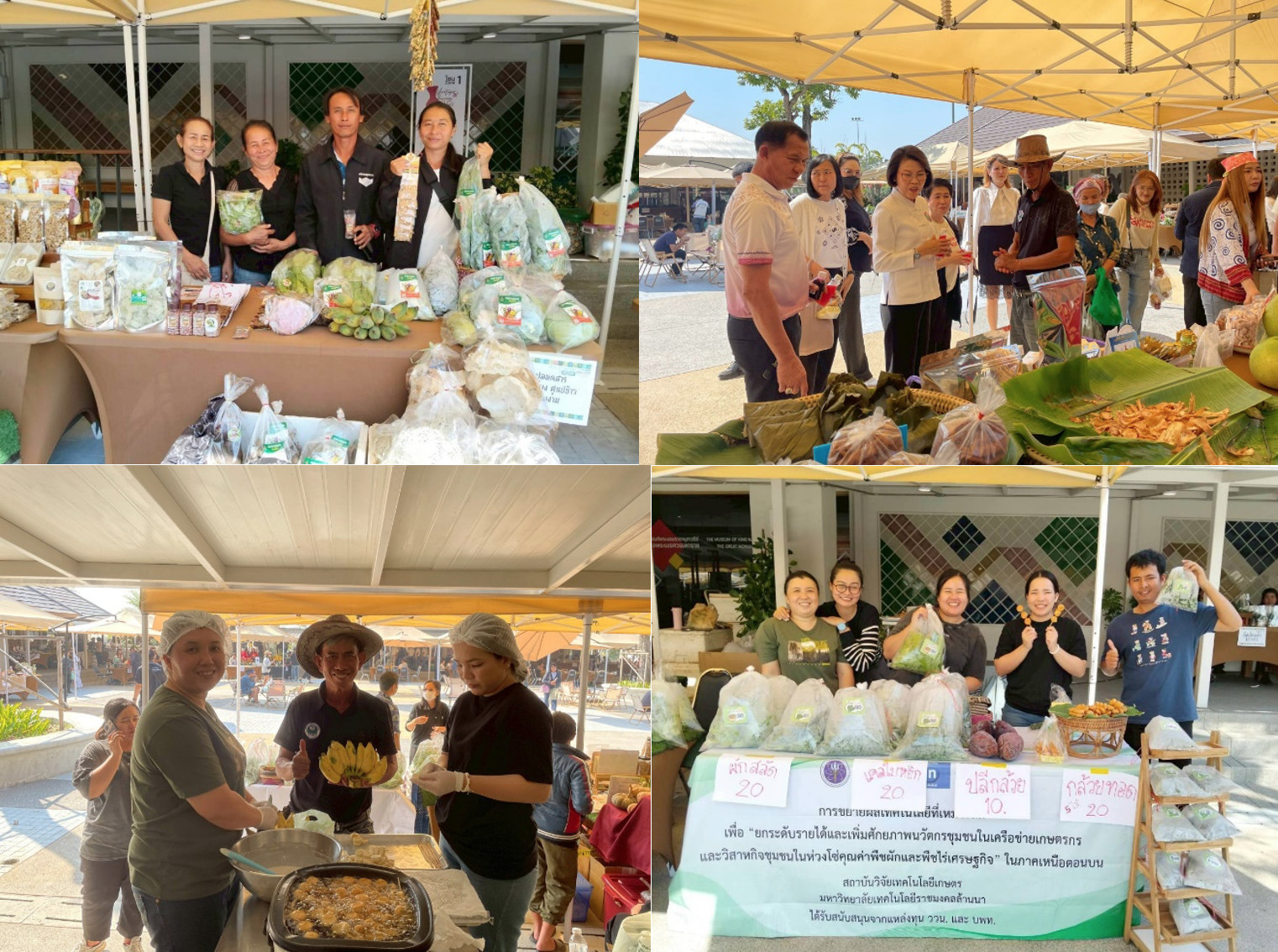
On 31 January 2026, researchers and community enterprise groups participating in a project led by the Agricultural Technology Research Institute, RMUTL, showcased agricultural innovations at the Taste of Lampang & Creative Agriculture Festival under the theme “Taste the City. Learn the Land.” The project focuses on scaling up appropriate technologies to increase income and strengthen the capacity of community innovators among farmer networks and community enterprises in the vegetable and economic crop value chains of Upper Northern Thailand.
The event provided a platform for local farmers and community enterprises to showcase their agricultural products and innovations, connect with consumers, and explore wider market opportunities. Through the integration of appropriate technologies and local agricultural knowledge, the initiative aims to add value to agricultural products, strengthen community-based enterprises, and create sustainable income opportunities for local communities.
RMUTL Supports Ceramic Manufacturer through Technology and Innovation to Enhance Production Efficiency and Business Competitiveness
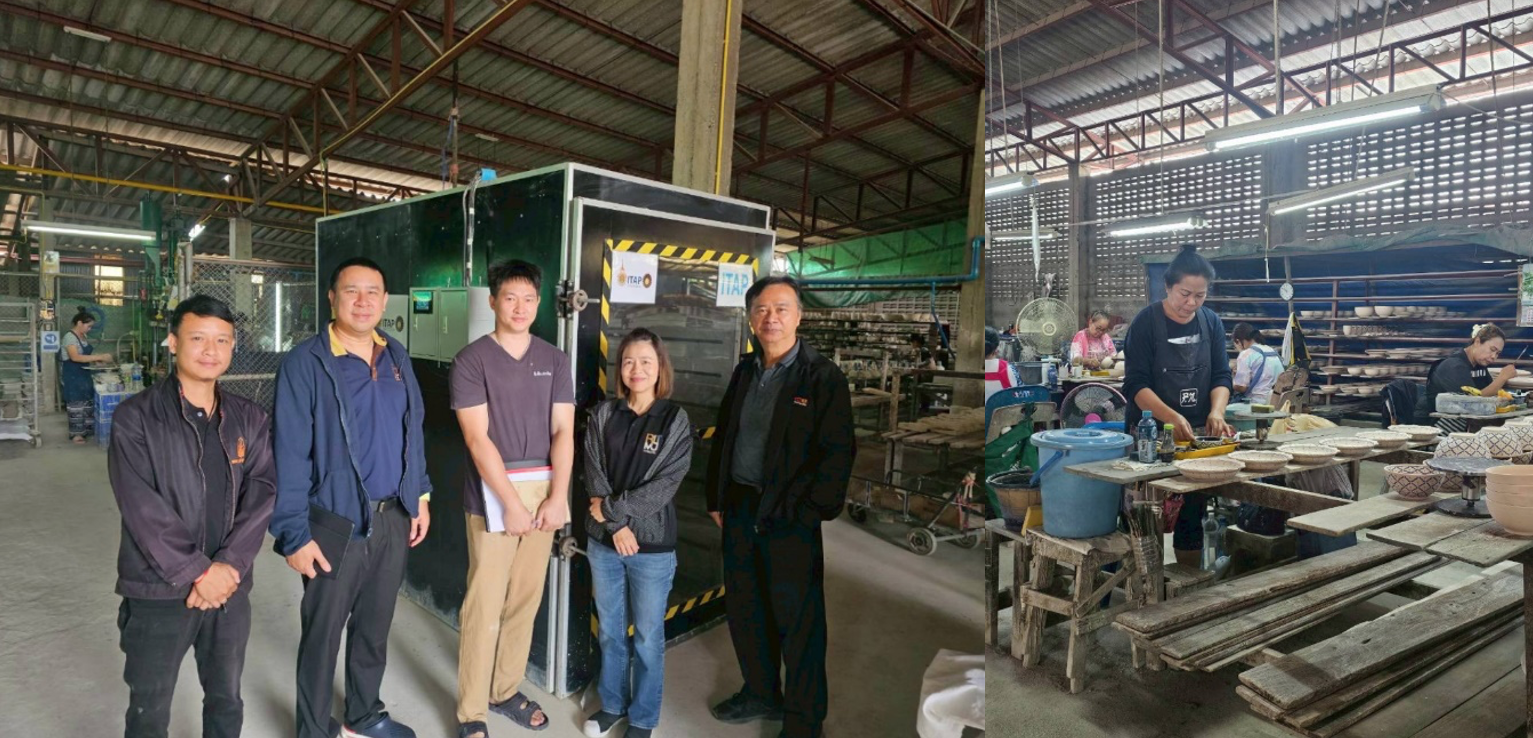
On 13 March 2026, Rajamangala University of Technology Lanna (RMUTL), through its Strategic Planning Unit (SPU) as a network partner of the Innovation and Technology Assistance Program (ITAP), conducted a project evaluation at P.N. Ceramic Factory in Mueang District, Lampang Province. The project aimed to improve energy efficiency in ceramic drying ovens through an automated temperature and humidity control system, enhancing production efficiency while reducing energy consumption and operating costs.
Led by a research team from the Department of Industrial Engineering, Faculty of Engineering, RMUTL, the project developed an improved control system incorporating industrial-grade temperature and humidity sensors, a touchscreen control panel, and enhanced hot-air circulation. The results showed a reduction in electricity expenses of approximately THB 1,950 per month or THB 23,400 annually, equivalent to a 29% decrease based on an average of 30 oven operations per month. This technology transfer initiative helps local enterprises reduce costs, improve productivity, strengthen business competitiveness, and promote sustainable industrial development.
RMUTL Engineering CWIE x Career Day 2/2025: Connecting Students with Career Opportunities and Industry
On 24 March 2026, the Faculty of Engineering, RMUTL, organized the RMUTL Engineering CWIE x Career Day 2/2025 at the university. The event aimed to provide students with opportunities to showcase their engineering projects, enhance their academic and professional skills, and integrate theoretical knowledge with practical experience in preparation for future employment. It also aimed to strengthen the faculty’s Cooperative and Work-Integrated Education (CWIE) programs and foster collaboration with industry partners.
The event featured a special lecture on “Future Engineering: Developing Thai Engineers’ Skills for the Global Digital and AI Economy,” highlighting the skills required of engineers in a rapidly evolving technological landscape. Other activities included cooperative education and engineering project competitions, the Startup Engineering Pitch, and exhibitions by leading companies. Participating companies introduced their organizations and provided opportunities for students to apply for internships and employment, helping bridge the gap between higher education and the labor market.
Moving Forward
Advancing Decent Work, Entrepreneurship, and Sustainable Economic Growth
RMUTL aims to strengthen its role in promoting decent work and inclusive economic growth by integrating workforce development, employee well-being, entrepreneurship education, innovation, and community economic development. Building on its existing staff support mechanisms, business incubation programs, and partnerships with industry and local communities, the university will focus on creating sustainable employment opportunities, improving professional competencies, and strengthening regional economic resilience.
1. Strengthening Staff Welfare and Professional Development. RMUTL will continue improving staff well-being, workplace support, and career development opportunities through training, health promotion, and transparent institutional communication. Greater emphasis will be placed on strengthening the role of the Faculty and Staff Council, improving employee feedback mechanisms, and supporting professional advancement across academic and administrative positions.
2. Expanding Industry-Relevant Skills and Employment Opportunities. The university will strengthen collaboration with industry partners to develop practical skills, work-based learning, and career preparation programs aligned with changing labor market needs. Cooperative and Work-Integrated Education (CWIE), internships, and professional training will be further promoted to improve students’ employability and support their transition from education to employment.
3. Accelerating Student Entrepreneurship and Startup Development. RMUTL will build on its startup boot camps, business competitions, and incubation activities to provide more continuous support for student and alumni entrepreneurs. Greater attention will be given to business model validation, product development, market testing, access to funding, and business mentoring. These efforts will help promising business ideas progress toward viable enterprises and sustainable income generation.
4. Strengthening Community Enterprises and Local Value Chains. The university will expand technology transfer and business development support for community enterprises, agricultural producers, and creative industries. By combining local knowledge with product innovation, digital marketing, cost management, and appropriate technologies, RMUTL aims to strengthen enterprise competitiveness, increase product value, and create more sustainable income opportunities in rural and disadvantaged communities.
5. Improving Economic Impact Monitoring and Long-Term Sustainability. RMUTL will strengthen the monitoring and evaluation of employment, entrepreneurship, and community economic development initiatives. Greater emphasis will be placed on measurable outcomes, including employment opportunities, business survival, enterprise revenue, income generation, professional development, and community benefits. These indicators will support evidence-based planning and help assess the long-term economic contributions of university programs.
Through these priorities, RMUTL seeks to develop a more integrated and sustainable approach to workforce development and economic growth. By connecting education, professional skills, entrepreneurship, industry collaboration, and community innovation, the university aims to expand decent work opportunities, strengthen local enterprises, and contribute to inclusive and resilient economic development across Northern Thailand.