SDG 4
Quality Education
Rajamangala University of Technology Lanna (RMUTL) | Sustainability Report 2025
SDG 4 Highlights 2025
In 2025, Rajamangala University of Technology Lanna (RMUTL) continued to promote inclusive, equitable, and high-quality education through flexible learning pathways, industry partnerships, vocational training, and lifelong learning opportunities. By integrating academic education with practical experience and community engagement, the university expanded access to learning for students, working adults, and underserved communities while developing skills relevant to changing workforce needs.
Expanding Flexible Learning Pathways and Lifelong Education. RMUTL promoted Work-Adult Education, Cooperative and Work-Integrated Education (CWIE), non-degree programs, and Recognition of Prior Learning (RPL). These pathways enabled learners of different ages, educational backgrounds, and employment circumstances to access education, develop professional competencies, and pursue recognized qualifications without relying solely on traditional full-time study.
Strengthening Industry Partnerships and Work-Based Learning. RMUTL collaborated with academic and industrial partners, including King Mongkut’s University of Technology Thonburi (KMUTT), Betagro Public Company Limited, and Thai Eastern Group Holdings Public Company Limited, to support practice-based education in agricultural engineering, smart agriculture, and mechatronics. These partnerships integrated workplace mentoring, industry projects, and competency assessments to prepare learners for employment in agro-industry, natural rubber production, industrial automation, and other emerging sectors.
Developing Technical and Vocational Skills for Employment. The university provided practical training in renewable energy and solar-cell systems, ceramics, cooking, and preventive maintenance. These programs combined technical knowledge with hands-on experience to strengthen employment-related skills, support professional development, and create opportunities for self-employment and entrepreneurship.
Expanding Educational Opportunities for Rural and Underserved Communities. RMUTL extended academic services and community-based learning to rural and highland areas, including Mae Ai and Chiang Dao. Activities involving agricultural knowledge transfer, clean-water technology, and maintenance training provided teachers, students, and community members with practical skills to improve local living conditions and strengthen community resilience.
Promoting Free and Accessible Digital Learning. RMUTL expanded lifelong learning opportunities through RMUTL Open Course, which provides free, self-paced online courses and electronic certificates upon completion. Short courses, STEAM activities, career guidance, and the Learn to Earn platform further supported access to practical education beyond conventional degree programs.
Together, these initiatives demonstrate RMUTL’s commitment to connecting education, employment, and community development. Through flexible learning, competency-based education, industry collaboration, and open educational resources, the university contributed to more inclusive educational opportunities and sustainable human capital development.
Public–Private Partnerships in Work-Adult Education
for Lifelong Career Development
The university provides flexible learning pathways through Work-Adult Education, Cooperative and Work-Integrated Education (CWIE), non-degree program, and Recognition of Prior Learning. These pathways help students and working adults enter, continue, or return to education according to their age, employment, experience, and learning needs.
RMUTL emphasizes competency-based education that integrates Work-Based Learning with industry collaboration. Curricula, workplace projects, mentoring, and competency assessment connect academic knowledge with real work. Close cooperation with industry helps learners develop practical, job-ready skills that respond to the changing needs of Thailand’s major industrial sectors.
RMUTL also promotes adult learning and continuing professional development through upskilling and reskilling programs for workers, technicians, teachers, and community members. Community-based education, academic services, and applied research transfer knowledge to local areas, strengthen self-reliance, and support social mobility. Together, these activities help individuals and communities adapt to technological change, economic transformation, and local development challenges.
Work-Adult Education combines academic study with workplace tasks, mentoring, project work, and recognition of prior experience. Working adults apply new knowledge directly in their jobs, while workplace experience becomes part of their learning and professional development.
UNESCO identifies adult learning and education as a core part of lifelong learning. It includes formal, non-formal, and informal learning that helps adults participate in society and the world of work. Continuing training, flexible learning pathways, and the recognition of prior learning allow adults to build knowledge and recognized competence throughout their working lives (UNESCO Institute for Lifelong Learning, 2016).
Workplaces are also important learning environments. Learning develops through the opportunities that a workplace provides and the learner’s active participation in real work activities (Billett, 2004). For this reason, Work-Adult Education combines authentic tasks with mentoring, guided practice, reflection, academic support, and competency assessment. This approach connects current work experience with formal qualifications and supports career development without requiring learners to leave employment.
RMUTL supports the Agricultural and Biological Engineering program and the Smart Agricultural Engineering program what cooperates with King Mongkut’s University of Technology Thonburi (KMUTT) and Betagro Public Company Limited to develop practice-based engineers for agro-industry. The program strengthens engineering knowledge and problem-solving for modern agricultural and food production.
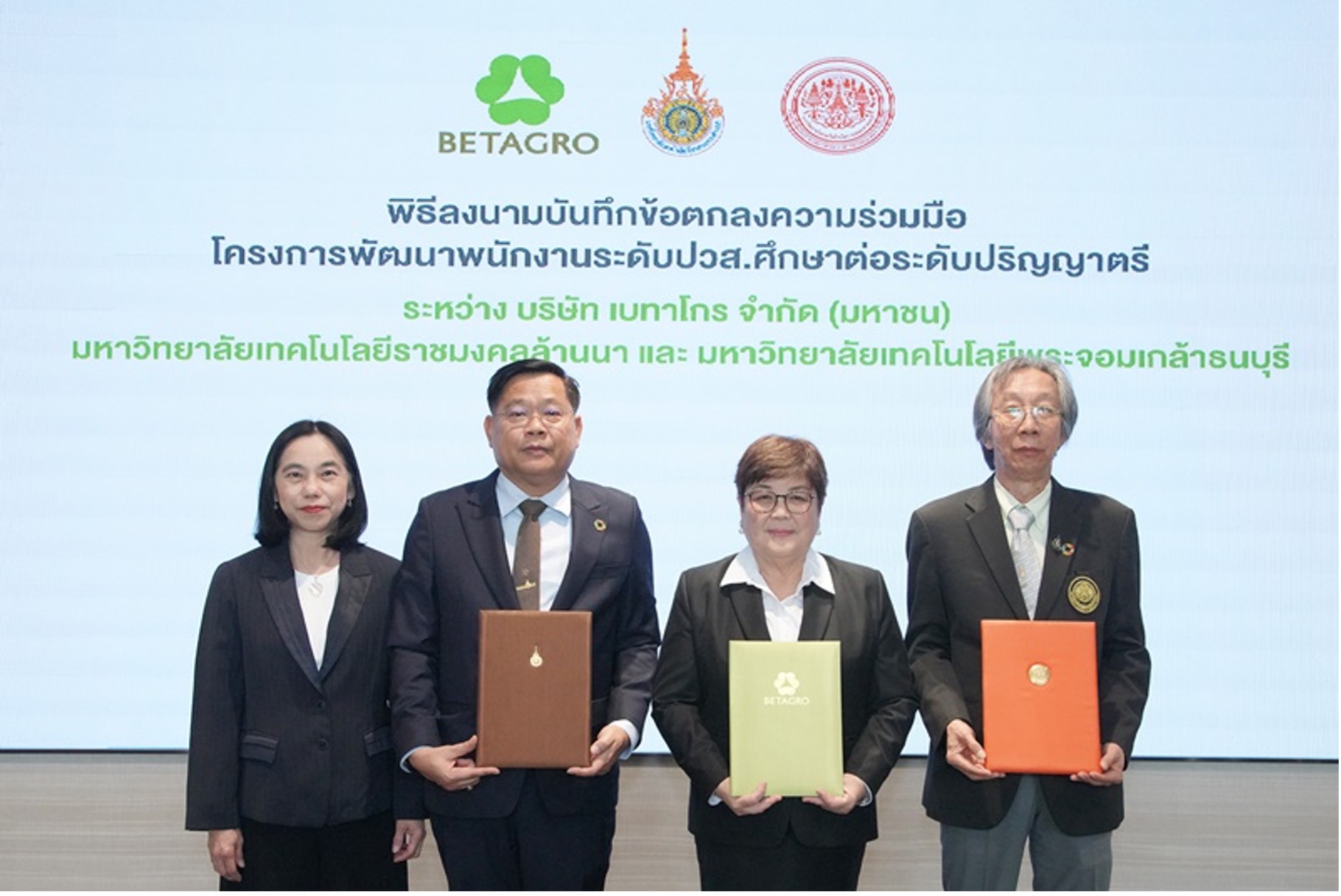
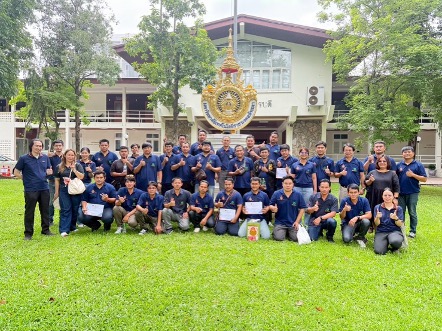
Figure 1 Work-Adult Learning with KMUTT and Betagro Public Company Limited.
The collaboration with Thai Eastern Group Holdings Public Company Limited supports the Mechatronics Engineering program (New Graduate Program). Workplace learning develops competence in production systems, industrial automation, maintenance, quality, safety, and resource efficiency for the natural rubber industry.
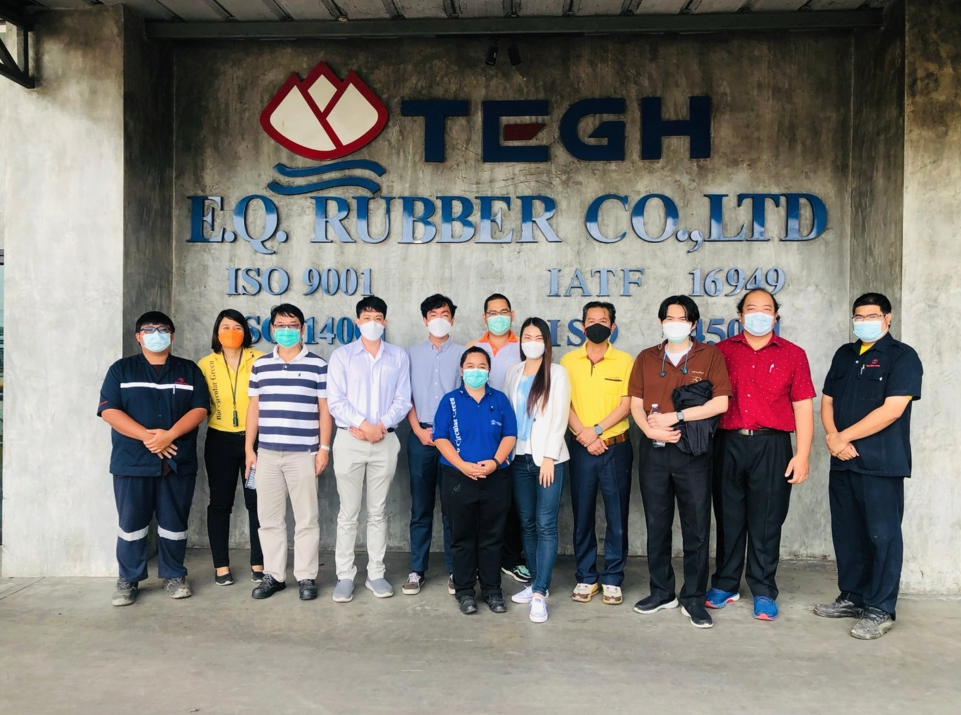
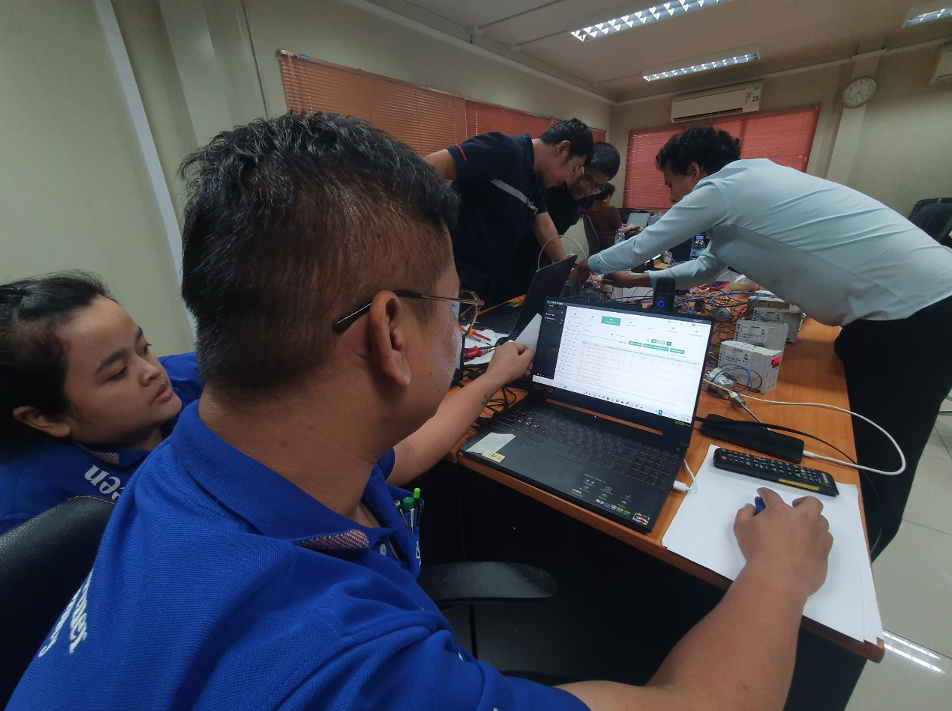
Figure 2 Work-Adult Learning with Thai Eastern Group Holdings Public Company Limited collaboration.
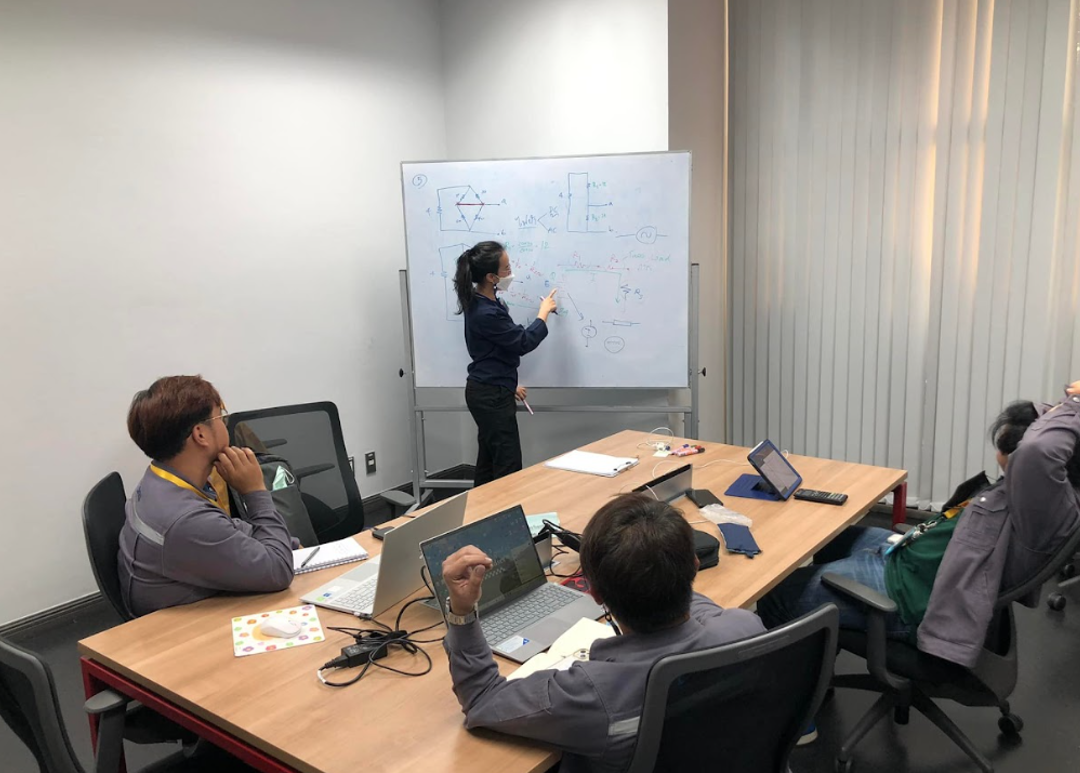
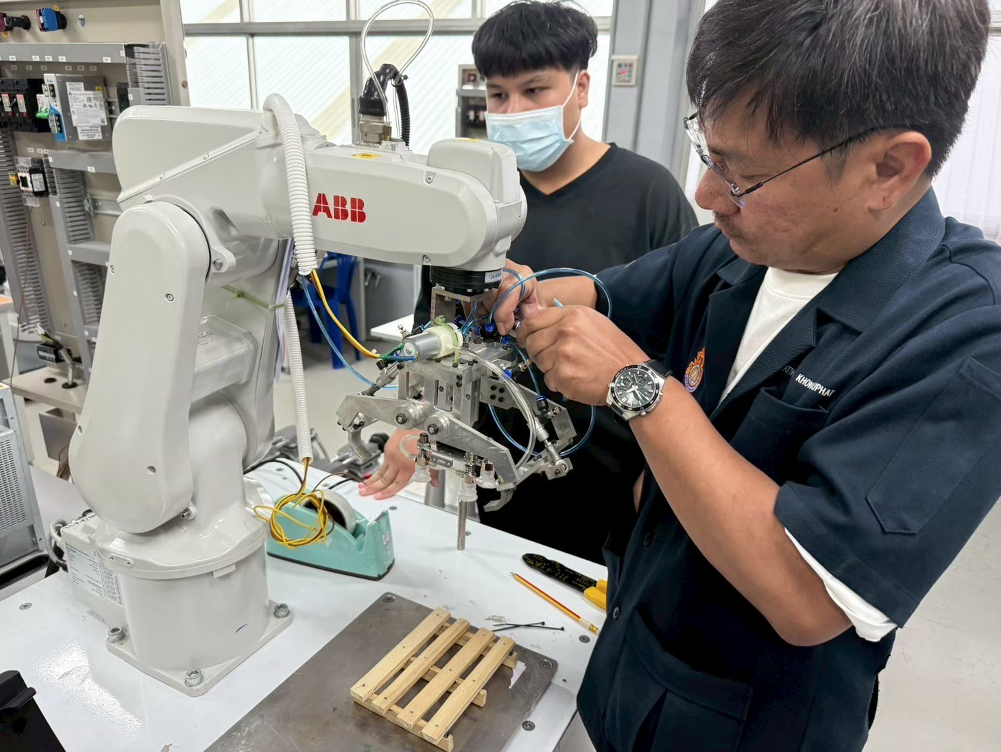
Figure 3 Work-Adult Learning with Nuovo Plus Company Limited and WRC collaboration.
The collaboration with Nuovo Plus Company Limited and WRC supports the Mechatronics and Robotics Engineering program. Rajamangala University of Technology Tawan-Ok is responsible for educational provision. The program develops skills in mechatronics, robotics, automation, energy technology, and production systems for the electric vehicle industry.
Across partnerships, universities provide curriculum design, academic support, assessment, and quality assurance. Companies provide real work settings, industrial mentors, current technologies, and authentic problems. This shared structure helps learners connect academic knowledge with professional practice
The program follows the policy of the Ministry of Higher Education, Science, Research and Innovation. The program develops high-competency workforce for New Growth Engine industries and supports Thailand 4.0 and Thai higher education reform.
Inclusive Education and Lifelong Learning
RMUTL provides flexible learning routes across classrooms, laboratories, workplaces, schools, communities, and online platforms. These routes reduce limits of time, place, and age, allowing more people to continue learning beyond traditional full-time study.
Technical and Vocational Skills for Employment
RMUTL combines theory, practical work, professional standards, and assessment. Training in solar-cell systems, renewable energy, ceramics, cooking, and preventive maintenance helps workers, teachers, and young people build skills for employment, self-employment, and better professional practice.
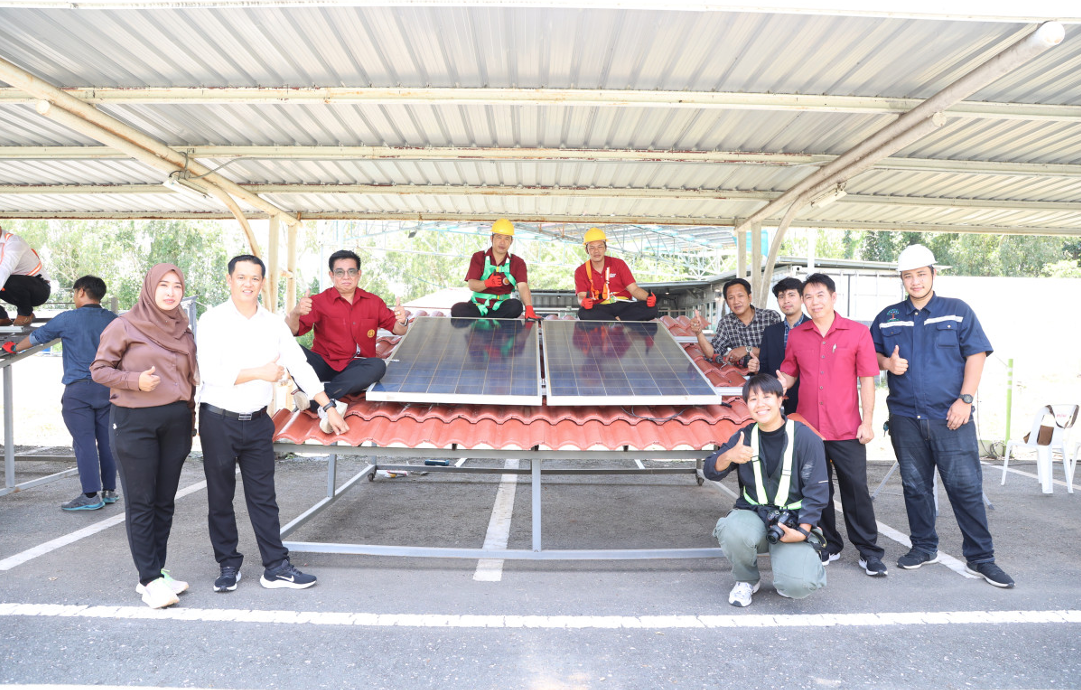
Figure 4 Renewable energy training combines theory, practical work, and competency assessment.
Community Learning and Equal Access
RMUTL brings learning beyond campus through agricultural knowledge transfer, rural school workshops, clean-water technology, and maintenance training. Activities in Mae Ai and Chiang Dao support health, safety, environmental management, and community resilience while reaching learners in local and highland areas.
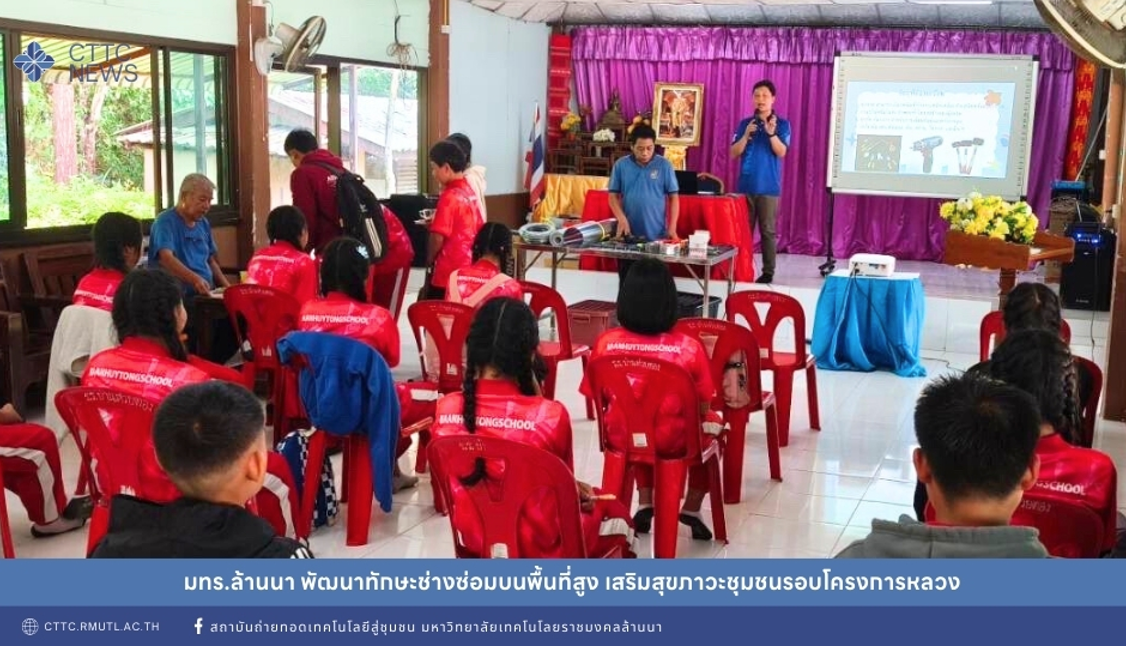
Figure 5 Maintenance training for teachers, students, parents, and community officers in a highland area.
Open Access to Flexible Learning
RMUTL Open Course offers free online learning that can be accessed at any time and place. Learners can upskill or reskill and receive an electronic certificate after completing a course.
Short courses and public activities provide further entry points into education. Ceramic development, Thai cooking, STEAM activities, career guidance, school visits, and the Learn to Earn platform connect practical learning with future study and employment.
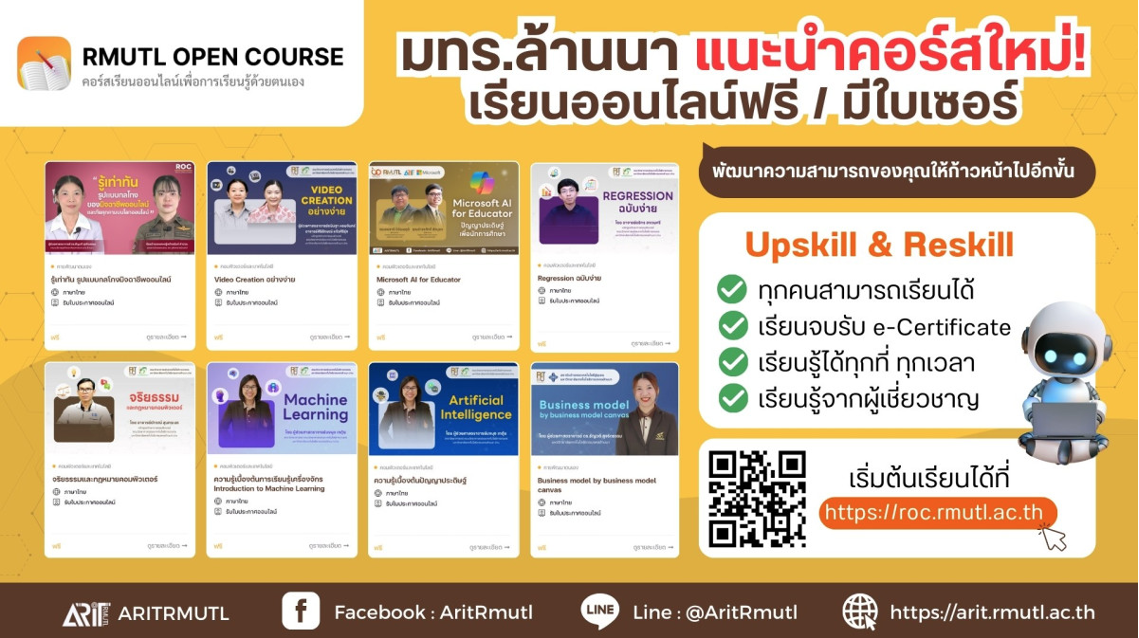
Figure 6 RMUTL Open Course supports free, self-directed online learning and e-Certificates.
Moving Forward
Advancing Inclusive Education and Sustainable Lifelong Learning
RMUTL aims to strengthen its role as a university of technology and innovation by expanding equitable access to education, developing flexible learning pathways, and improving the alignment between education and workforce needs. Building on its existing competency-based education, industry partnerships, and community learning initiatives, the university will focus on creating a more accessible and responsive lifelong learning ecosystem.
1. Expanding Flexible Learning and Recognition of Prior Learning. RMUTL will further develop Work-Adult Education, Cooperative and Work-Integrated Education (CWIE), non-degree programs, and Recognition of Prior Learning (RPL). Greater emphasis will be placed on enabling learners to transfer knowledge and skills gained through employment, vocational training, and prior experience into recognized academic qualifications and professional development pathways.
2. Strengthening Industry-Integrated and Competency-Based Education. The university will deepen collaboration with industry partners to improve curriculum relevance, workplace mentoring, practical projects, and competency assessment. These initiatives will help align educational outcomes with labor market needs, particularly in smart agriculture, agro-industry, automation, robotics, renewable energy, and electric vehicle technology.
3. Expanding Free and Accessible Digital Learning Opportunities. RMUTL will continue developing online courses, digital learning resources, and flexible short-term training programs through platforms such as RMUTL Open Course. These efforts will support students, working adults, and community members who face barriers related to location, employment schedules, or access to conventional education.
4. Strengthening Community-Based Education and Inclusive Outreach. The university will expand knowledge transfer, practical training, and educational outreach to rural, highland, and underserved communities. Activities will emphasize locally relevant skills, appropriate technologies, vocational development, and community participation to improve opportunities for lifelong learning and economic self-reliance.
5. Improving Learning Outcomes and Long-Term Impact Assessment. RMUTL will strengthen monitoring and evaluation of lifelong learning initiatives, with greater attention to learner participation, course completion, competency development, employment outcomes, and career progression. Evidence from these assessments will inform curriculum improvement, strengthen partnerships, and support continuous development of educational programs.
Through these priorities, RMUTL seeks to build an inclusive, flexible, and sustainable learning ecosystem that connects formal education, workplace experience, digital learning, and community development. By expanding educational opportunities and strengthening industry-relevant competencies, the university aims to improve employability, support lifelong career development, and contribute to sustainable economic and social progress.