SDG 11
Sustainable Cities and Communities
Rajamangala University of Technology Lanna (RMUTL) | Sustainability Report 2025
SDG 11 Highlights 2025
RMUTL contributed to sustainable cities and communities by preserving Lanna cultural heritage, opening learning and exhibition spaces to the wider public, offering student and employee accommodation, and collaborating with community partners on inclusive design and the use of existing infrastructure. During January 2025–March 2026, activities across the university’s provincial campuses linked cultural identity and accessible education with practical improvements to the built environment.
The Wiang Ched Lin historic landscape in Chiang Mai was a central setting for cultural learning. The university’s January 18, 2025 Cultural Festival combined heritage presentations, performances, and historical storytelling. RMUTL also reported 17 exhibitions and fashion shows open to the public during the reporting period, including ceramic art, industrial design, communication design, digital media, and fashion events at university and external venues.
Access to learning resources extended beyond enrolled students: the report identifies public use of library collections, databases, 160 computers, study and meeting rooms, a mini-theater, and co-working space without charge upon presentation of identification. University gardens, courtyards, and selected open spaces also supported community recreation. RMUTL allocated THB 1,980,600 to the Arts and Culture Maintenance Program in fiscal year 2025, equivalent to approximately 0.11% of its reported THB 1,875,232,800 expenditure.
Campus accommodation, pedestrian and bicycle infrastructure, digital collaboration services, partnerships with local authorities, sustainable construction guidance, and the adaptive reuse of an existing Furniture Design Building complemented these cultural and public-access contributions. Although these measures establish a foundation for responsible development, quantitative commuting targets, certified new-build performance, and completion of specific reuse works remain areas for further reporting.
Cultural Heritage Preservation and Public Arts Contributions
Preserving the Historic Heritage of Wiang Ched Lin
The Wiang Ched Lin historic site on RMUTL’s Chiang Mai campus anchors the university’s role in safeguarding local heritage. The site supports visits, academic learning, and cultural activities. On January 18, 2025, the RMUTL Cultural Festival, “From Wiang Ched Lin to the Land of Lanna,” formed part of the university’s 20th anniversary celebrations. Its events linked the historical identity of the site with contemporary community participation, traditional ceremonies, cultural exhibitions, and a public light-and-sound portrayal of local history.
By interpreting the historic landscape within a public program, the university helped communicate the significance of Wiang Ched Lin to visitors and younger generations. The evidence establishes an organized heritage event and public-facing cultural programming; it does not, by itself, specify visitor totals or the access conditions of every heritage structure throughout the year.
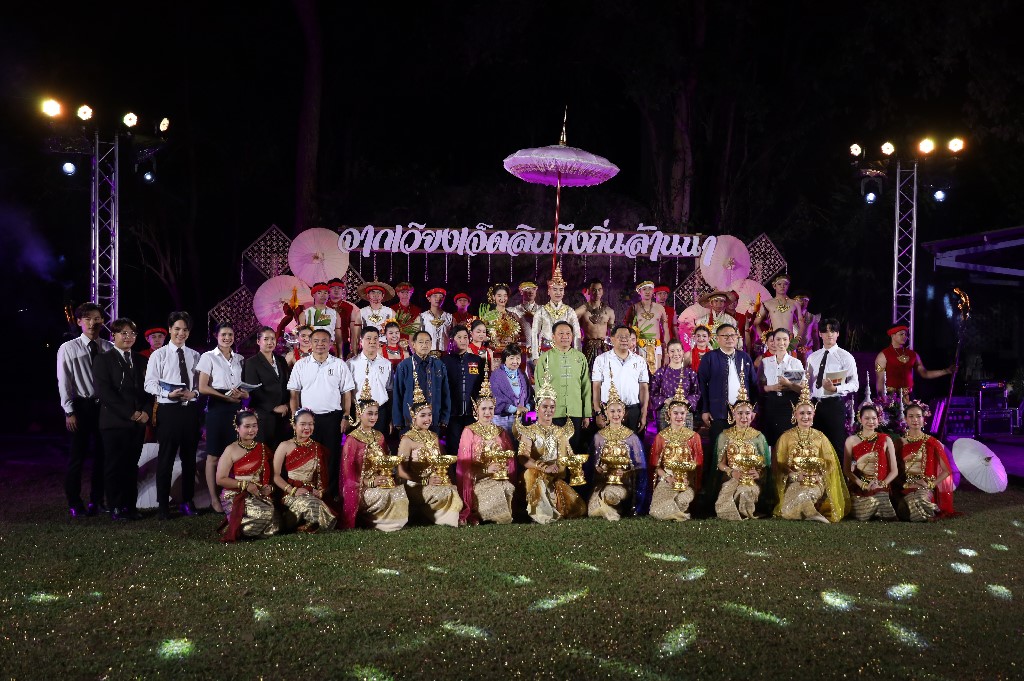
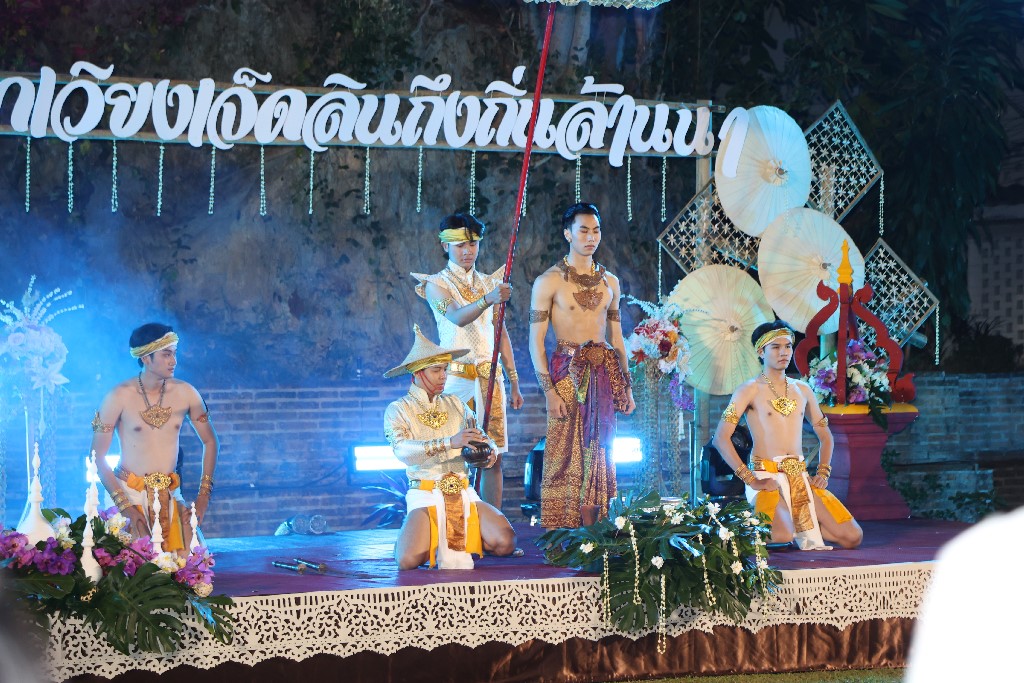
Figure 1. RMUTL Cultural Festival, “From Wiang Ched Lin to the Land of Lanna,” January 18, 2025.
Public Cultural Performances and Creative Arts
Public performance remains an important means of sharing Lanna culture. The Cultural Festival included cultural performances, a historical light-and-sound show, and a brass band contest. Student fashion events further presented creative design to external audiences: “The Flow of Time Fashion Week 2025” on March 16, 2025; “ETERNAL REALM” on February 27, 2026, featuring 19 outfits; and “THE IMPRINT OF PASSION” on March 15, 2026 at Maya Lifestyle Shopping Center in Chiang Mai.
These activities provided identifiable opportunities for artistic expression and public engagement. The reported 17-event total already combines exhibitions and fashion shows; the fashion performances should therefore not be added to that number a second time.
Safeguarding Intangible Cultural Heritage and Traditional Knowledge
RMUTL worked with local communities and craftspeople to maintain cultural knowledge through practical activity. From May to September 2025, students took part in conserving and developing Tai Khoen hand-weaving with the Ban San Kang Pla community in San Kamphaeng. Natural-dye knowledge activities took place on June 27, 2025, and a Lanna metal repoussé craft workshop brought traditional expertise into an applied learning setting. The university’s Yi Peng program on November 5, 2025 taught lantern, krathong, and local dessert making to more than 100 participants.
The Cultural Studies Center also participated in a December 2025 arts and culture event focusing on palm-leaf manuscripts and historical documents. Taken together, these activities supported the practice, transmission, and public appreciation of living cultural knowledge. Training and exhibitions should be distinguished from the production of a verified permanent cultural archive; the source report does not list a completed inventory or deposited oral-history collection.
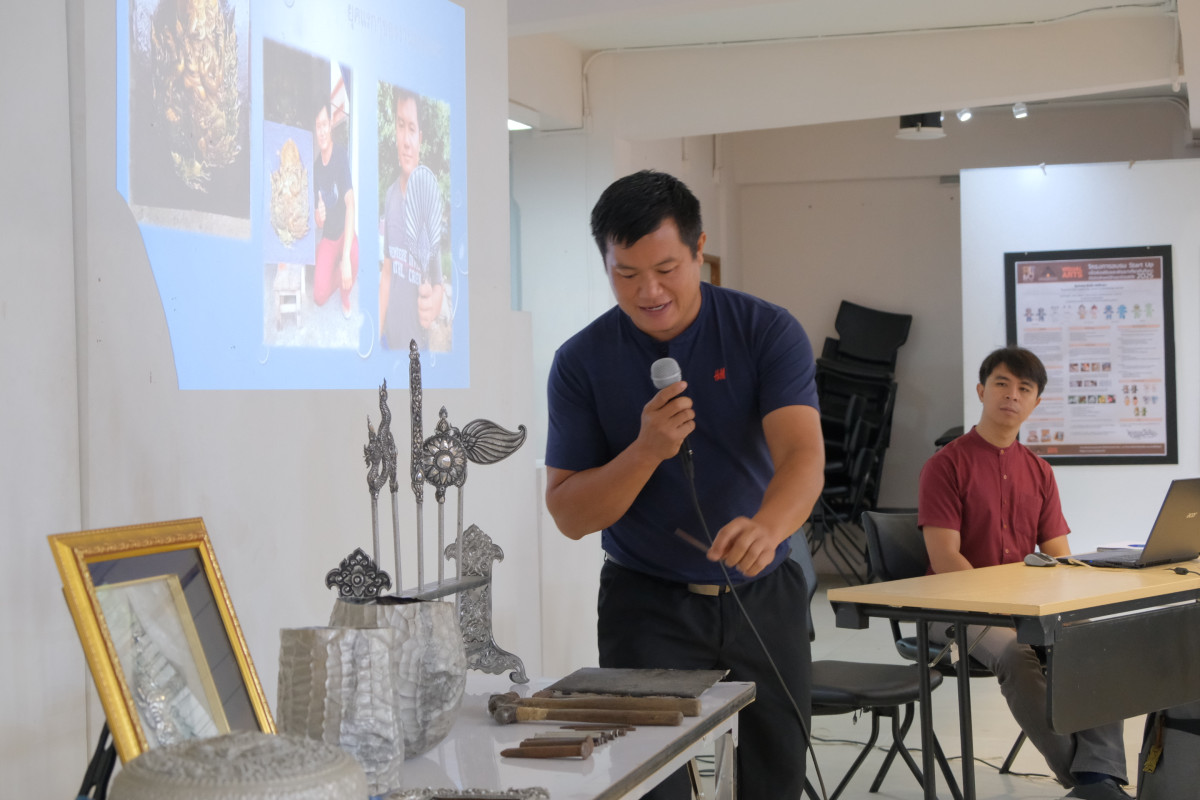
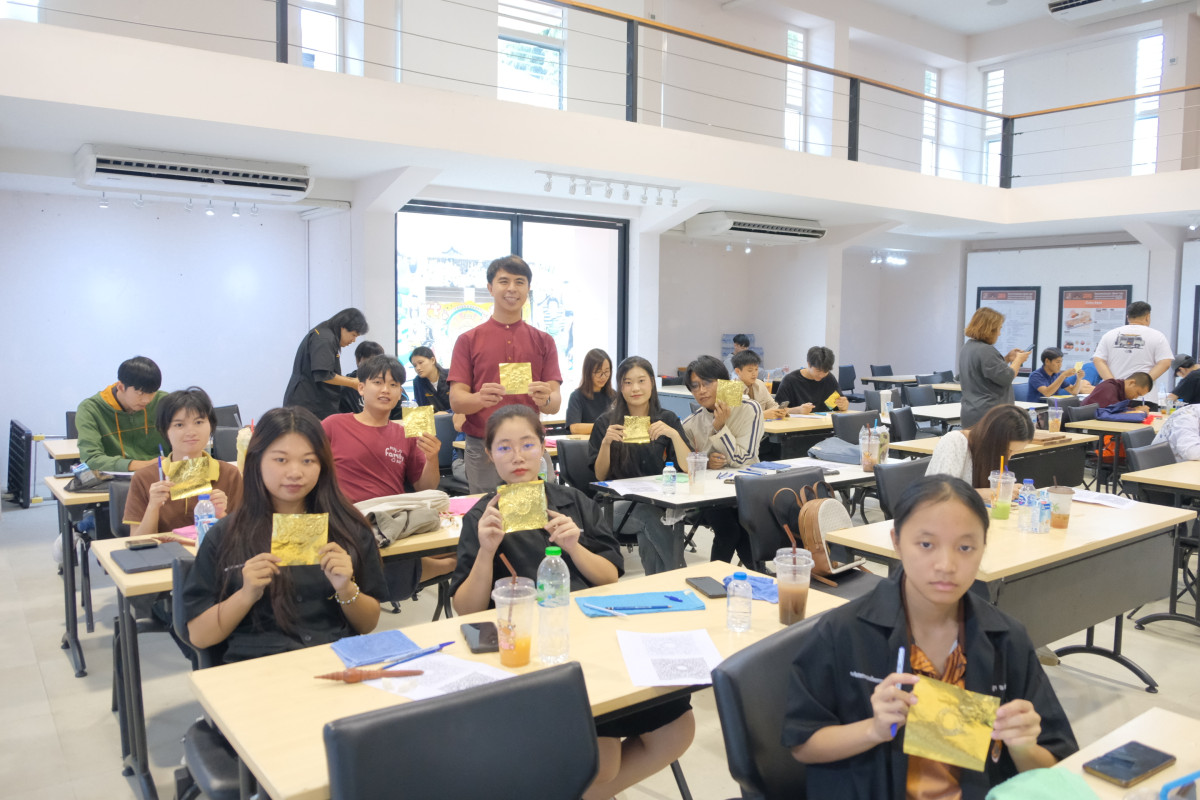
Figure 2. Workshop illustrating Lanna metal repoussé craftsmanship, 2025.
Institutional Investment in Arts and Culture
In fiscal year 2025, RMUTL reported THB 1,980,600 for its Arts and Culture Maintenance Program against university expenditure of THB 1,875,232,800. This corresponds to approximately 0.11% of expenditure. The funding represents institutional support for cultural programming across the university’s areas. This budget figure is an allocation and should not be presented as a measured amount of cultural participation or social impact.
Public Access to Cultural, Educational, and Green Spaces
Public Access to Libraries and Learning Facilities
RMUTL’s library resources are available beyond the enrolled student population. The reviewed report identifies public access to books, journals, online databases, and 160 computers, along with study rooms, meeting rooms, a mini-theater, and co-working space. Non-student users can access the reported services free of charge upon presenting an identification card or passport. This provision supports learning opportunities for community members, alumni, and other visitors.
The information establishes access to the named facilities and resources; it should not be generalized to all buildings, all specialist equipment, or all services without confirming their separate conditions of use.
Public Access to Art Galleries and Exhibitions
The Rajamangala Lanna Art and Culture Exhibition Hall and Art and Technology Space at Jedyod campus provide platforms for presenting creative work to the public. Reported university exhibitions included “The Reason Why” packaging exhibition (March 17–19, 2025), “ART I FACT” industrial design work (March 2025), “Molding Moments” ceramics (May 14–15, 2025), “DPM Sandbox” digital print media (May 29–30, 2025), and “Saturday Clay Jedyod 2025” (opening September 20, 2025).
Programming continued in 2026 through “Depth in the Data: Coding” (January 12–March 19), the communication design show “YUR” (March 4–6), “Where Craft Becomes Packaging” (March 11–13), and “THE DUST YODK” (March 18–20). Beyond campus, students and faculty exhibited at Hor Klang Wiang, Chiang Mai City Arts and Cultural Center, Chiang Mai University Art and Culture Center, and Chiang Mai Provincial Hall. The reviewed report counts 17 free public exhibitions and fashion shows across the period; a dated event register is the appropriate supporting evidence.
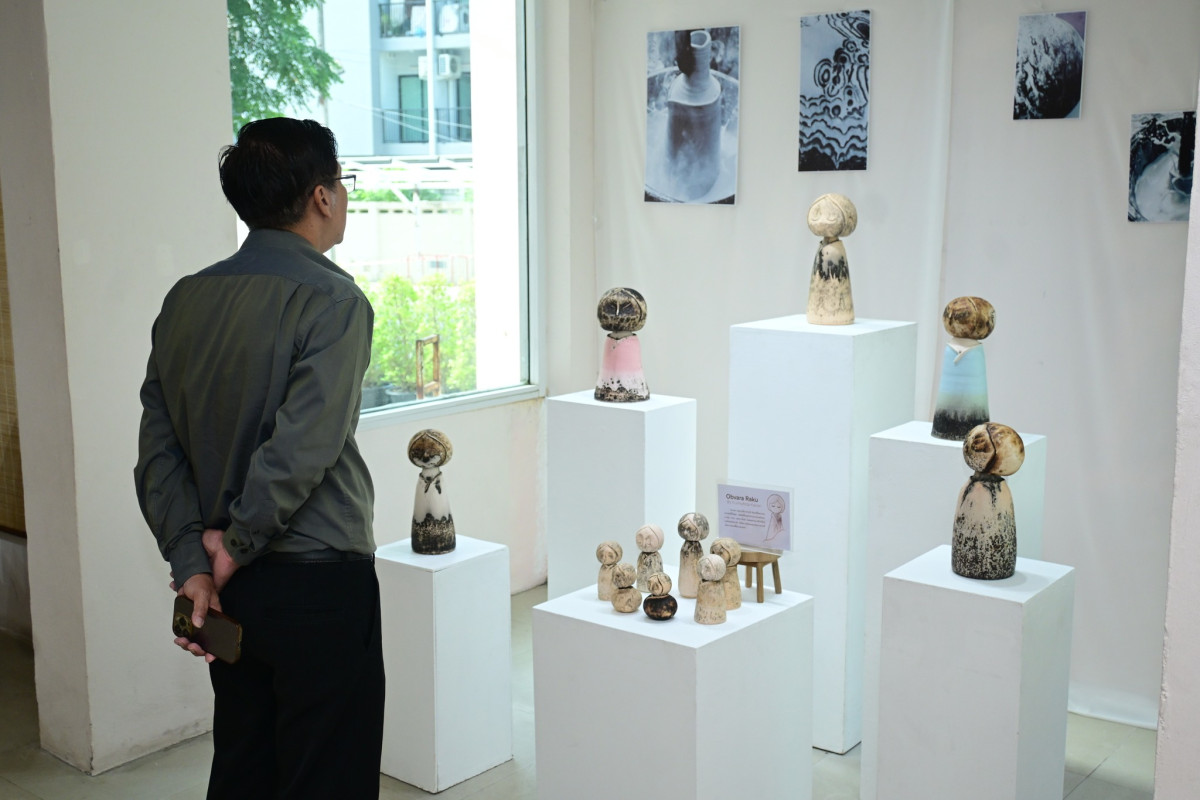
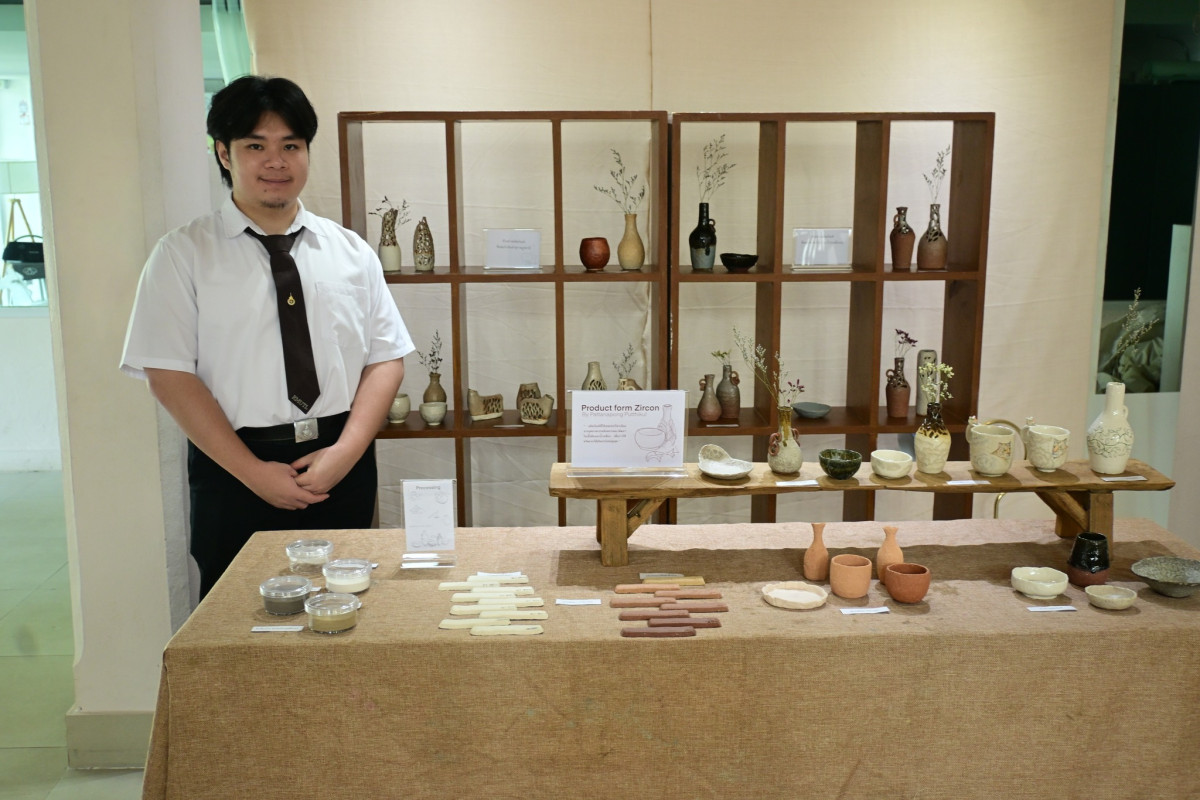
Figure 3. Visitors at the “Molding Moments” ceramic exhibition, Rajamangala Lanna Art and Culture Exhibition Hall, May 14–15, 2025.
Open Campus Spaces, Gardens, and Recreational Areas
RMUTL reports that open spaces, gardens, and courtyards across its campuses are available to the public without charge for leisure, exercise, and community activities. On February 23, 2026, the Phitsanulok campus welcomed local residents for the “Governor Invites You to Exercise” program, including a 2.5-kilometer walk–run route around the campus. This event provides a concrete example of campus grounds being used for community physical activity.
A campus-space access statement would be strengthened by a current list of open areas, public opening times, and any restrictions applying to particular facilities.
Affordable Housing and Campus Accommodation
Affordable Student Accommodation Across RMUTL Campuses
RMUTL provides student dormitories on multiple campuses. At Doi Saket in Chiang Mai, the published fee for semester 1 of academic year 2025 was THB 6,000 plus a THB 1,200 deposit, totaling THB 7,200. For academic year 2026, booking opened on February 26, 2026 for 138 rooms across three buildings, with three students per room. The fee was THB 6,000 per student per semester, plus electricity at THB 8 per unit and water at THB 100 per person per month.
At Tak campus, reported annual fees for 2025 ranged from THB 10,000 for a three-person fan room to THB 49,000 for a single air-conditioned room, including a THB 1,000 damage deposit, with payment permitted in one or two installments. These figures describe published fees and options rather than verified occupancy, affordability against household income, or coverage of all eligible students.
Low-Cost Housing Support for University Personnel
The university also reports providing low-cost on-campus housing for eligible lecturers, staff, and other employees. Priority is given to employees living more than 15 kilometers from the university. The arrangement is intended to reduce accommodation burdens and support access to the workplace; the report does not supply unit counts, uptake, or a comparison with local market rental prices.
Housing Affordability and Financial Support Measures
Dormitory regulations allow students to request fee reductions or exemptions, considered individually by the dormitory committee. Such provisions offer a mechanism to respond to financial difficulty, although the reviewed report does not quantify the number of requests approved or total financial assistance provided. These outcomes should be captured in future annual reporting.
Sustainable Mobility and Reduced Commuting
Pedestrian and Cycling Infrastructure
Footpaths, cycling routes, and bicycle services support movement around campus for students, personnel, library users, and visitors. Footpath connections between buildings provide an alternative to short motor-vehicle trips. The reviewed report identifies stronger pedestrian priority as an opportunity within campus planning rather than a quantified achievement already completed.
Shared Mobility and Sustainable Commuting Practices
The university recognizes walking, cycling, shared vehicles, and public transport as relevant low-carbon commuting options. However, measurable institutional targets and baseline travel-mode data remain under development. The report does not provide evidence of achieved reductions in private-car commuting or transport-related emissions; these should be treated as future monitoring priorities.
Remote Working and Digital Collaboration
RMUTL provides staff with Microsoft 365, Teams, Zoom, Google Meet, and a secure VPN to support work away from the office and coordination across six provincial campuses. These tools can reduce the need for some intercampus travel and enable remote meetings. The reviewed document does not quantify avoided journeys or energy and emissions savings.
Community Partnerships and Inclusive Urban Development
Collaboration with Local Authorities and Community Stakeholders
The reviewed report describes RMUTL’s cooperation with municipalities, subdistrict and provincial administrative organizations, and town-planning offices on local design standards and community building projects. These collaborations connect university technical knowledge with local public-space needs. The report does not provide evidence of a jointly completed affordable-housing project resulting from such consultations.
Community-Based Design and Public Space Improvement
In February 2025, students from the Faculty of Architecture contributed to a public exercise and recreation area at Wat Ban Lao School through an Architecture Renovation Volunteer Camp. The activity applied design and site-improvement skills to a community educational setting and provided an opportunity for student learning through service.


Universal Design and Accessible Community Facilities
In September 2025, 34 third-year architecture students developed designs for accessible buildings and spaces at Srisangwan School, which serves 269 students with disabilities. The work connected university teaching with inclusive environmental design and community needs. The report describes a design contribution; it does not establish the completion of all proposed construction works or a verified physical accessibility audit.
Sustainable Building Development and Adaptive Reuse
Sustainable Construction and Energy-Efficient Building Standards
RMUTL’s “Building Renovation and Energy Conservation Construction” policy (B.E. 2568/2025) provides a framework for more energy-efficient building design and responsible use of construction resources. The policy supports the assessment and improvement of building practices across university facilities. As a policy, it establishes institutional intent and requirements; building-by-building design approval, energy data, and compliance or certification records would be needed to demonstrate implementation in each new build.
Brownfield Redevelopment and Adaptive Reuse of Existing Buildings
The university identified the former Furniture Design Building and adjacent unused land for renovation into a Creative Co-Working Space supporting innovation. The source report identifies THB 1,073,960 in support during 2024 and a further THB 2,000,000 in 2025, with the intention of making the reused space more energy-efficient and sustainable. The project is consistent with the reuse of a previously developed site, but the report does not document final handover, operational energy savings, or construction completion during the reporting period.
Efficient Use of Campus Land and Existing Infrastructure
Adapting underused buildings and previously developed campus land can help improve asset utilization and reduce pressure to expand onto undeveloped sites. RMUTL’s co-working initiative illustrates this development approach. Its benefits should be assessed through site area reused, building area renovated, construction status, occupancy, material reuse, and energy performance rather than assumed to have been realized in full.
Moving Forward
Strengthening Sustainable and Inclusive Communities
1. Expanding Public Access to Cultural and Community Resources
RMUTL should maintain a consolidated public inventory of library services, open campus areas, galleries, exhibition venues, and visitor access arrangements. Annual figures for exhibitions, public attendance, opening days, free-entry conditions, and partner venues would improve the consistency of reporting across campuses. Future statements of access should distinguish regularly accessible facilities from spaces opened for individual events.
2. Strengthening Cultural Heritage Documentation and Digital Preservation
Cultural festivals, workshops, and community initiatives should be accompanied by durable records of traditional skills, oral histories, craft processes, performances, and community consent. A shared digital heritage repository could link recorded demonstrations, verified source information, and accessible learning materials. This would enable cultural transmission activities to produce evidence of preserved knowledge, not only event attendance.
3. Improving Affordable and Accessible Campus Living
The university should report dormitory capacity, applications, occupancy, fee levels, assistance requests, and approved exemptions by campus. Evaluating student housing costs against local living expenses would help distinguish published low-cost options from demonstrated affordability. Accessibility information for dormitory facilities should also be documented in a consistent format.
4. Advancing Low-Carbon Mobility and Community Partnerships
A practical next step is to establish a baseline of travel modes used by students and staff, followed by measurable targets for walking, cycling, shared travel, public transport, and remote meetings. Community projects undertaken with municipalities and local schools should be tracked from consultation and design through implementation, beneficiary engagement, and follow-up.
5. Implementing Sustainable Building Standards and Brownfield Regeneration
RMUTL should document how its 2025 construction policy is applied to approved new buildings and renovations, using design standards, material specifications, energy calculations, and completion records. The Creative Co-Working Space project would benefit from verified before-and-after site documentation, construction progress, actual expenditure, and measurable operational performance.
6. Strengthening Annual Measurement and Evidence Quality
A university-wide evidence register should record each activity’s date, responsible unit, location, target beneficiaries, public access conditions, outputs, and validated outcomes. Indicators that involve policy adoption, funding approval, construction implementation, and measurable results should be identified separately. This would help RMUTL demonstrate progress across cultural preservation, equitable access, housing, mobility, local planning, and sustainable infrastructure without duplicating the same activity across sections.