SDG 14
Life Below Water
Rajamangala University of Technology Lanna (RMUTL) | Sustainability Report 2025
SDG 14 Highlights 2025
In 2025, Rajamangala University of Technology Lanna (RMUTL) promoted the conservation and sustainable management of freshwater ecosystems through biodiversity restoration, river conservation activities, water-quality monitoring, environmental research, and community partnerships. The university integrated academic expertise with local participation to protect aquatic biodiversity, reduce water pollution, and strengthen environmental awareness across Northern Thailand.
Restoring Freshwater Biodiversity and Aquatic Ecosystems. On June 14, 2025, RMUTL Nan collaborated with government agencies, community organizations, and local residents to restore aquatic biodiversity in the Ngom River watershed. The university’s Aquaculture Program supported the breeding of stone-lapping fish, contributing to the release of 100,000 fish into a designated conservation area at Ban Nam Lu, Song Khwae District, Nan Province. The initiative aimed to replenish native aquatic populations and support the ecological recovery of freshwater habitats while strengthening community participation in biodiversity conservation.
Promoting River Conservation and Community Participation. RMUTL Lampang organized the “Kayak Clean-up Maewang” activity on December 21, 2025, bringing together student volunteers and local kayaking organizations to remove waste from the Wang River. The activity combined practical environmental education with river conservation, encouraging students to develop a stronger understanding of aquatic ecosystems and shared responsibility for natural resources. Collaboration with local networks also strengthened public participation in protecting river environments.
Strengthening Water-Quality Monitoring and Pollution Prevention. In April 2025, RMUTL Chiang Rai participated in a coordinated response to heavy-metal contamination in the Kok River. Water-quality monitoring identified elevated levels of heavy metals and arsenic in the upper river area, prompting collaboration among responsible agencies to strengthen environmental surveillance. The response included monthly water-quality monitoring, additional monitoring of the Fang River, and communication of environmental information to local authorities and community leaders. These efforts supported evidence-based decision-making and greater awareness of risks affecting freshwater ecosystems.
Advancing Environmental Research and Biological Wastewater Treatment. RMUTL collaborated with the Electricity Generating Authority of Thailand (EGAT) on environmental monitoring and pollution reduction research at the Mae Hong Son Diesel Power Plant. Researchers collected water samples from treatment and drainage systems and investigated the potential of locally occurring algae to remove pollutants through biological processes. The research contributed to the development of environmentally responsible approaches to wastewater treatment and the protection of surrounding water resources.
Together, these initiatives demonstrate RMUTL’s commitment to protecting freshwater ecosystems through applied research, biodiversity conservation, environmental monitoring, and community engagement. By connecting scientific knowledge with practical conservation activities and local partnerships, the university contributes to healthier aquatic environments and more sustainable water resource management.
Protecting Freshwater Ecosystems through Conservation and Community Action
Rajamangala University of Technology Lanna (RMUTL) contributes to SDG 14 through the conservation and responsible management of freshwater ecosystems in northern Thailand. The Times Higher Education (THE) SDG 14 framework includes rivers, lakes, streams, wetlands and other aquatic ecosystems. This is particularly relevant to RMUTL, whose campuses are located within important northern watersheds and work closely with local communities that depend on freshwater resources.
During the reporting period, RMUTL focused on direct ecosystem restoration, river stewardship, water-quality monitoring, environmental research, waste reduction and watershed management. These activities connect university expertise with government agencies, local communities, students and partner organisations, creating practical responses to local aquatic environmental challenges.
Restoring Freshwater Biodiversity
Restoring Aquatic Biodiversity in the Ngom River Watershed
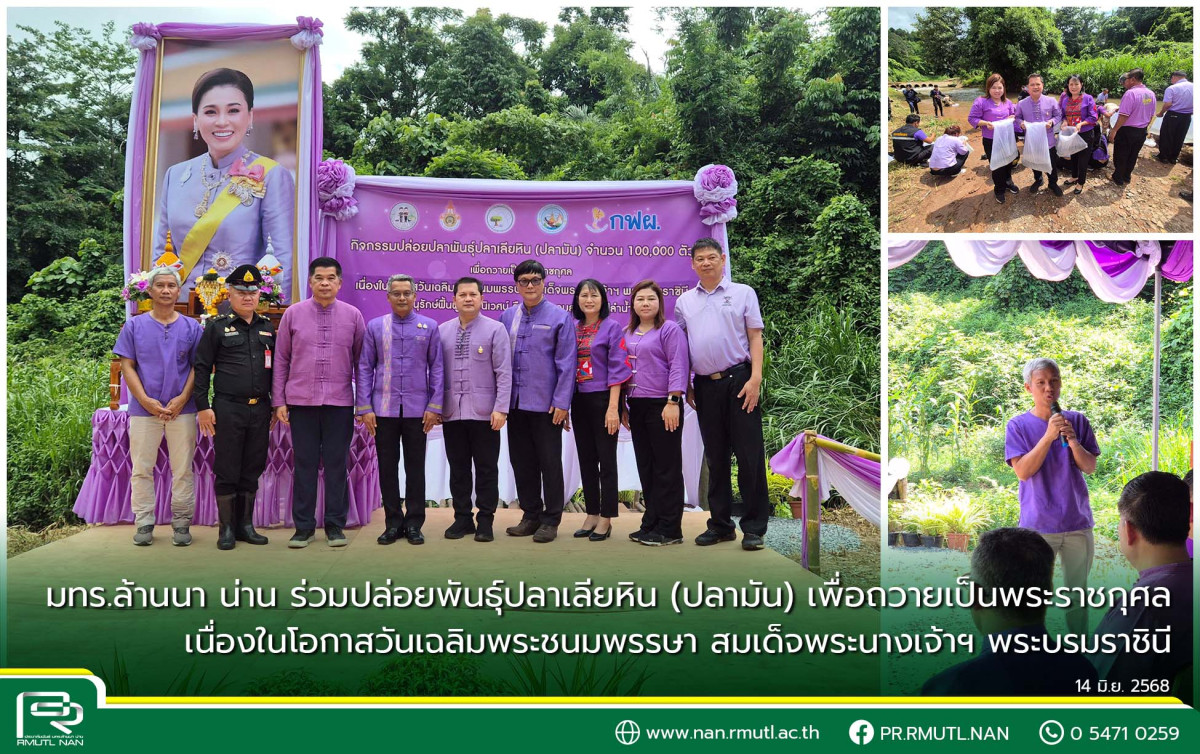
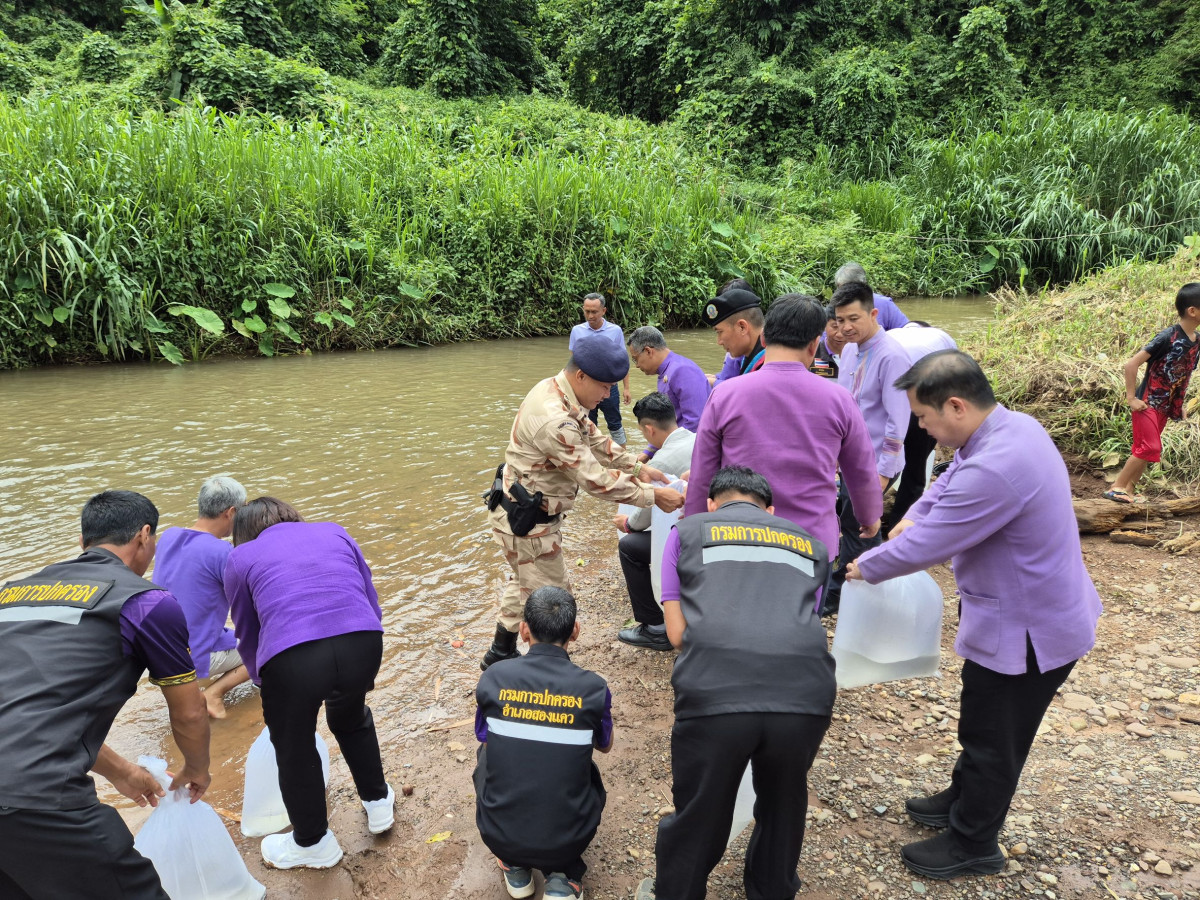
On 14 June 2025, RMUTL Nan joined government agencies, partner organisations and local residents in a freshwater biodiversity restoration activity in the Ngom River watershed. The University’s Aquaculture Programme supported the breeding of stone-lapping fish, and 100,000 fish were released into a designated fish conservation area at Ban Nam Lu, Song Khwae District, Nan Province. The activity aimed to restore the ecosystem and return ecological abundance to the watershed. It demonstrates direct action to maintain aquatic biodiversity while strengthening collaboration between academic specialists and local stakeholders who share responsibility for the river ecosystem.
Student volunteers and local kayaking networks participated in the Wang River clean-up activity.
River Stewardship and Aquatic Ecosystem Health
Students and Communities Working Together for a Cleaner Wang River
RMUTL Lampang promoted practical river stewardship through the “Kayak Clean-up Maewang” activity on 21 December 2025. Student volunteers worked with local kayaking organisations, received basic kayaking instruction and collected waste and pollutants along the Wang River. The activity combined experiential learning with direct environmental action and encouraged students to recognise rivers as shared natural resources. Cooperation with local networks also strengthened community participation in maintaining the quality of a freshwater ecosystem used by people in the surrounding area.
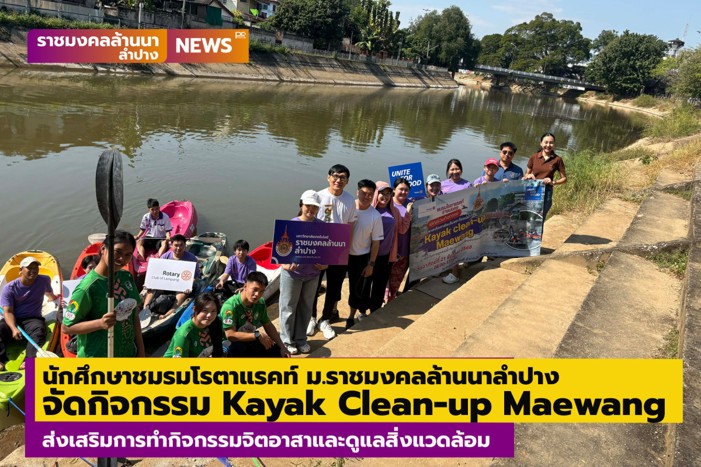
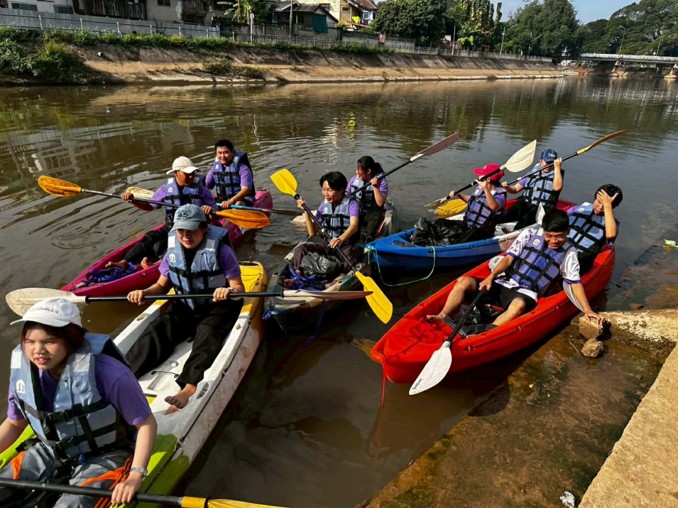
Student volunteers and local kayaking networks participated in the Wang River clean-up activity.
Supporting Water-quality Monitoring in the Kok River
RMUTL Chiang Rai participated in a multi-agency response to heavy-metal contamination in the Kok River in April 2025. Surface-water monitoring identified heavy metals and arsenic above the relevant water-quality standard in the upper river area. The coordinated response included increasing Kok River monitoring to monthly intervals, monitoring the Fang River as a tributary, communicating water-quality information to responsible agencies and community leaders, and continuing surveillance of the situation. RMUTL’s participation illustrates how university expertise can support evidence-based environmental management and help communities respond to emerging risks affecting freshwater ecosystem health.
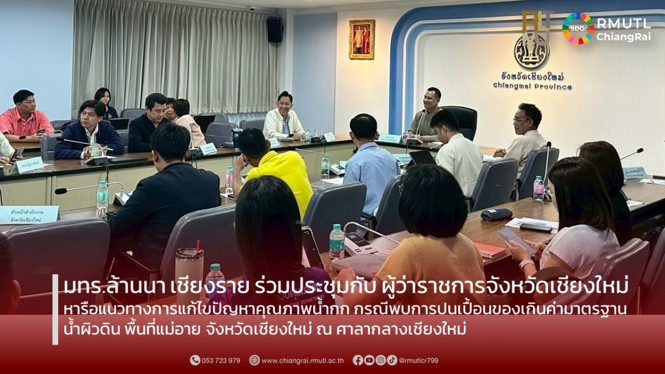
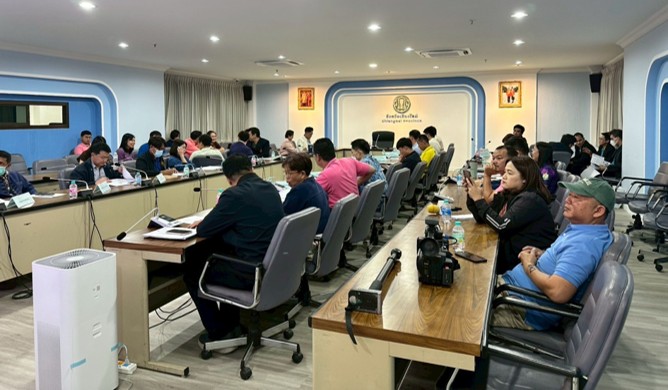
RMUTL Chiang Rai participated in a coordinated response to water-quality risks in the Kok River.
Research, Pollution Prevention and Watershed Management
Applying Research to Environmental Monitoring and Wastewater Treatment
RMUTL research teams collaborated with the Electricity Generating Authority of Thailand at the Mae Hong Son Diesel Power Plant to investigate environmental conditions and explore practical approaches to pollution reduction. The Environmental Research Unit collected water samples from treatment and drainage systems and studied locally occurring algae for their potential to biodegrade pollutants. The work aimed to support the development of environmentally friendly biological wastewater treatment. This research demonstrates RMUTL’s application of scientific knowledge to the prevention and reduction of pollution that may affect surrounding water resources.
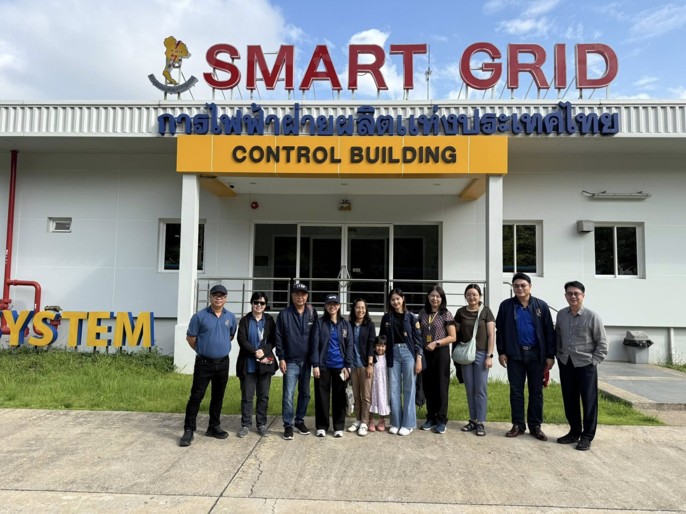
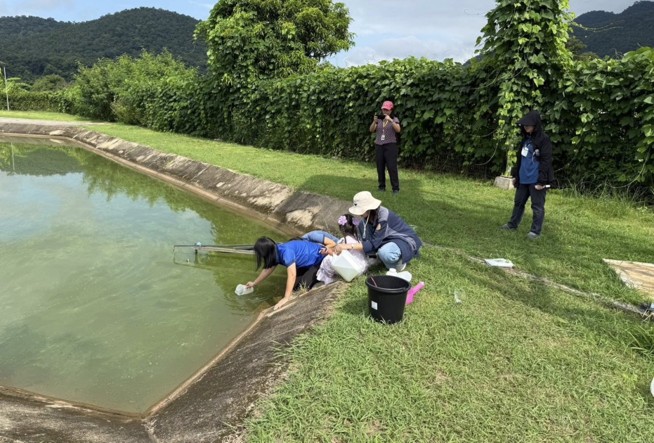
RMUTL researchers collected environmental samples and investigated biological approaches to pollutant removal.
Contributing to Long-term Management of the Wang River Basin
In March 2026, RMUTL Lampang contributed academic expertise to the process of updating the Wang River Basin Water Resources Management Master Plan for 2023–2037. The process involved the Office of the National Water Resources Region 1, Kasetsart University, the Wang River Basin Committee, water-user organisations, local authorities, experts, researchers and members of the public. RMUTL researchers supported group discussions on problems, needs and recommendations at watershed and sub-watershed levels. This engagement connects university expertise with participatory regional water governance and supports long-term planning for the protection, management and restoration of a shared watershed.
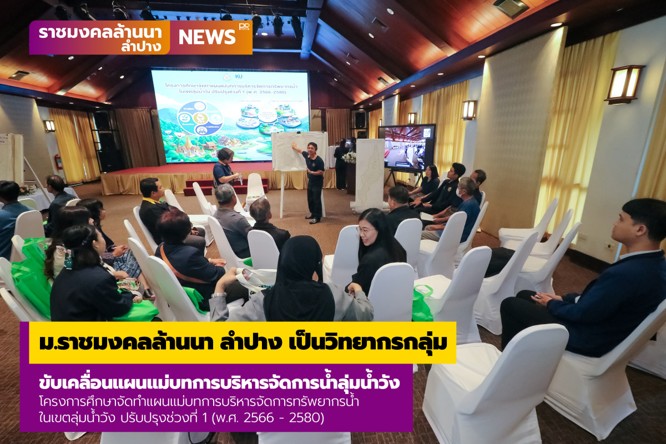
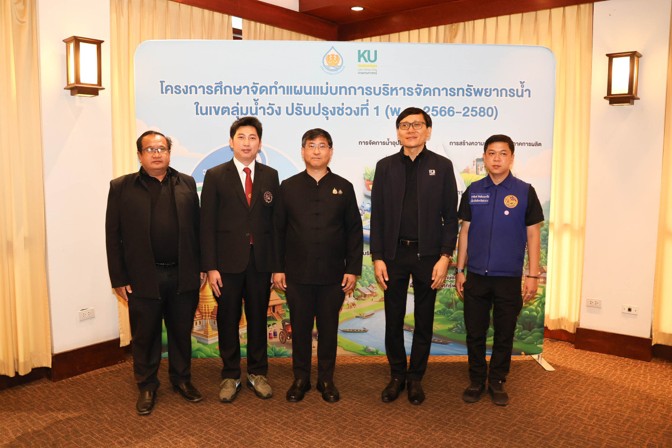
RMUTL Lampang supported stakeholder participation in the Wang River Basin water-resources master-plan
RMUTL’s strongest contribution to SDG 14 is its place-based work in freshwater ecosystems. Biodiversity restoration in Nan, river stewardship in Lampang, water-quality monitoring in Chiang Rai, environmental research and participation in watershed planning demonstrate how the University contributes to the protection of aquatic resources across northern Thailand. To strengthen future THE submissions, RMUTL will continue to develop clearer institutional plans and publicly accessible evidence for water-discharge standards, plastic-waste reduction, pollution prevention and long-term aquatic ecosystem management.
Moving Forward
Advancing Freshwater Ecosystem Conservation and Sustainable Water Resource Management
RMUTL aims to strengthen its commitment to protecting freshwater ecosystems by integrating biodiversity conservation, water-quality monitoring, pollution prevention, and community-based resource management. Building on its existing environmental research, river restoration activities, and partnerships with government agencies and local communities, the university will focus on developing more systematic approaches to aquatic ecosystem protection and long-term environmental sustainability.
1. Strengthening Freshwater Biodiversity Conservation and Ecosystem Restoration. RMUTL will continue supporting aquatic biodiversity conservation and freshwater habitat restoration, particularly in environmentally significant watersheds across Northern Thailand. Greater emphasis will be placed on monitoring aquatic species, evaluating restoration outcomes, and encouraging community participation in the sustainable management of freshwater resources.
2. Expanding Water-Quality Monitoring and Pollution Prevention. The university will strengthen collaboration with environmental agencies and local authorities to support water-quality monitoring, particularly in rivers affected by heavy metals and other pollutants. Research-based monitoring, environmental data analysis, and communication of water-quality information will help improve awareness, inform local decision-making, and support timely responses to environmental risks.
3. Advancing Environmental Research and Sustainable Wastewater Treatment. RMUTL will continue exploring biological wastewater treatment, pollution control technologies, and environmentally responsible approaches to water management. Collaboration with industry and research partners will support the development and assessment of practical solutions to reduce pollutant discharge and protect aquatic ecosystems.
4. Promoting Community-Based River Conservation and Environmental Education. RMUTL will expand opportunities for students, local communities, and environmental organizations to participate in river conservation, waste reduction, and aquatic ecosystem protection. Practical learning activities and community partnerships will promote environmental responsibility and strengthen local capacity for sustainable resource management.
5. Strengthening Integrated Watershed Management and Long-Term Monitoring. The university will build on its participation in watershed planning initiatives, including the Wang River Basin Water Resources Management Master Plan for 2023–2037. Greater attention will be given to collaboration among government agencies, researchers, water-user organizations, and local communities. These efforts will support evidence-based planning, improved ecosystem monitoring, and more coordinated management of shared water resources.
Through these priorities, RMUTL seeks to advance an integrated approach to freshwater ecosystem conservation that connects research, environmental protection, education, and community participation. By strengthening biodiversity restoration, pollution prevention, and sustainable watershed management, the university aims to improve aquatic ecosystem health, protect freshwater resources, and support long-term environmental resilience across Northern Thailand.