SDG 15

Life on Land

Rajamangala University of Technology Lanna (RMUTL) | Sustainability Report 2025

SDG 15 Highlights 2025

In 2025, Rajamangala University of Technology Lanna (RMUTL) promoted the conservation, restoration, and sustainable management of terrestrial ecosystems through applied research, environmental education, and community partnerships. The university worked with government agencies, local communities, and environmental organizations to support forest restoration, watershed conservation, wildfire prevention, and sustainable land use across Northern Thailand.

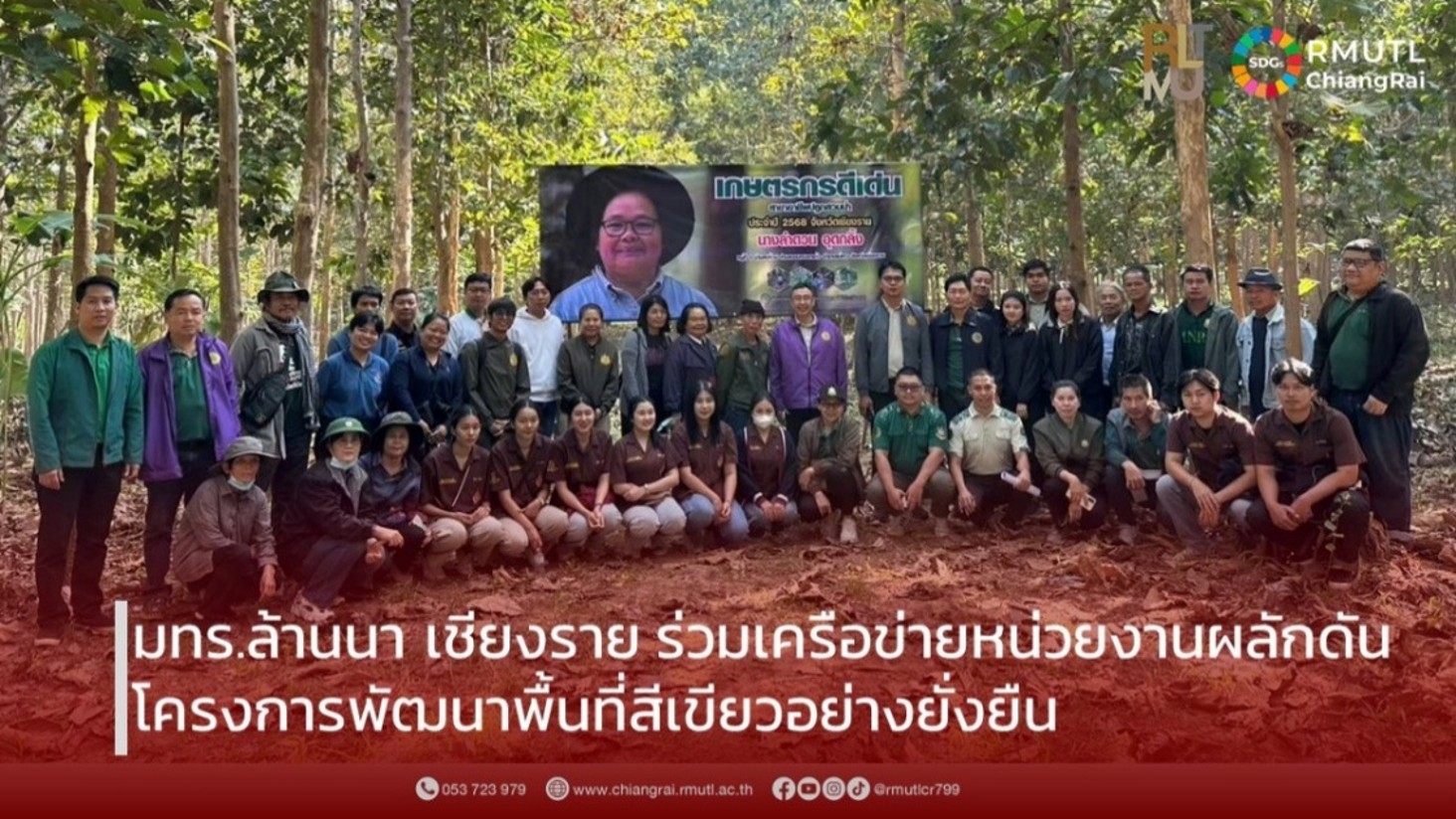
Restoring Forests and Watershed Ecosystems. RMUTL supported forest and watershed restoration initiatives, particularly in Nan Province, by contributing academic expertise, personnel, and institutional resources. These activities emphasized forest rehabilitation, soil and water conservation, and the development of demonstration areas to promote sustainable natural resource management. Collaboration with local communities and government agencies helped strengthen community participation in ecosystem restoration.

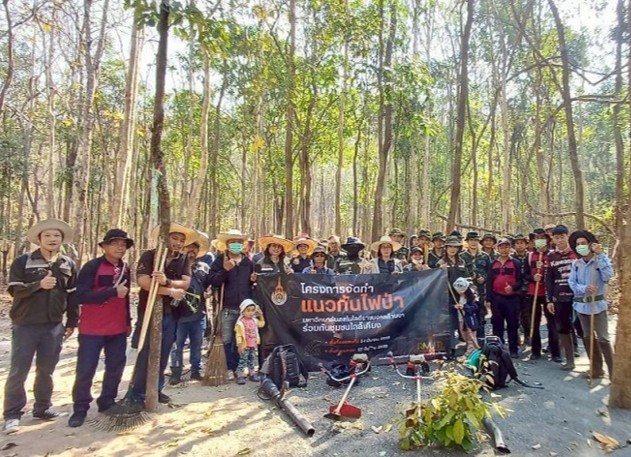
Protecting Terrestrial Ecosystems and Preventing Wildfires. RMUTL participated in tree-planting initiatives in Phitsanulok and supported the construction of forest firebreaks to reduce wildfire risks. These activities aimed to protect forest vegetation, minimize habitat disturbance, and improve ecosystem resilience. Student, staff, and community participation also helped raise awareness of forest conservation and environmental responsibility.

Promoting Sustainable Agriculture and Land Management. RMUTL integrated agricultural research and technical expertise with ecosystem conservation to promote responsible land use. Activities in Nan and other northern provinces emphasized agroforestry, safe agricultural production, soil conservation, and sustainable management of natural resources. These approaches sought to balance agricultural livelihoods with the long-term protection of forests, watersheds, and surrounding ecosystems.

Strengthening Community-Based Forest Conservation. RMUTL provided academic mentoring and technical support for community forest management, including the Valuable Tree Community initiative in Ban Cham Wai, Chiang Rai. The community received national recognition for its efforts in managing valuable-tree resources. This collaboration demonstrated the importance of combining local knowledge, academic expertise, and community participation to support conservation and sustainable livelihoods.

Expanding Environmental Education and Community Partnerships. RMUTL promoted environmental awareness and practical learning through community-based projects, demonstration areas, and agricultural and environmental learning centers. These initiatives provided opportunities for students, farmers, and local residents to develop knowledge and skills in forest conservation, tree cultivation, sustainable land use, and natural resource management. Partnerships with government agencies, forestry organizations, and local communities strengthened collaborative approaches to protecting terrestrial ecosystems.

Together, these initiatives reflect RMUTL’s commitment to integrating education, research, and community engagement into the sustainable management of terrestrial ecosystems. By connecting forest conservation with agricultural development, environmental learning, and community livelihoods, the university supports healthier ecosystems and greater resilience among communities that depend on natural resources.

Conserving and Restoring Terrestrial Ecosystems through Education, Action and Community Partnership

Rajamangala University of Technology Lanna (RMUTL) advances SDG15 through an area-based approach that integrates education, applied research, academic services, and community engagement to support the conservation, restoration, and sustainable use of terrestrial ecosystems. Across Northern Thailand, RMUTL works with local communities, government agencies, and specialized organizations to restore forest landscapes, promote sustainable land management, strengthen environmental knowledge, and develop community capacity for long-term natural resource management. 

A major focus of RMUTL’s activities is the restoration and sustainable management of forest and watershed ecosystems. In Nan Province, RMUTL has participated in initiatives supporting watershed forest restoration and the sustainable use of forest resources. RMUTL contributes academic knowledge, university personnel, and institutional resources while working with government agencies and local communities to develop demonstration areas and practical approaches that can be transferred to surrounding communities. These activities connect forest restoration with soil and water conservation and wider community participation in natural resource management. RMUTL also supports activities that promote the sustainable use of land, forests, and natural areas through direct environmental action. For example, in Phitsanulok province, RMUTL has participated in tree-planting activities intended to increase green areas and strengthen environmental awareness, while institutional units have implemented wildfire-prevention activities through the construction of forest firebreaks. 

Wildfire prevention is particularly important for maintaining terrestrial ecosystems because repeated forest fires can contribute to vegetation loss, soil degradation, habitat disturbance, and reduced ecosystem resilience. RMUTL’s participation in the creation of forest firebreaks therefore represents a practical approach to maintaining and protecting existing terrestrial ecosystems and reducing environmental risks to forest areas. Such activities also provide opportunities for staff, students, and community stakeholders to participate directly in ecosystem conservation. 
An important component of RMUTL’s approach is educational outreach on terrestrial ecosystems and their sustainable management. RMUTL uses community-based projects and learning centers as mechanisms for transferring knowledge on forest conservation, tree cultivation, sustainable natural resource management, and environmentally responsible land use. The establishment and development of learning centers provide opportunities for local residents, farmers, students, and other stakeholders to learn from practical demonstrations and apply appropriate practices within their own communities. 

RMUTL’s activities also connect ecosystem conservation with the sustainable management of agricultural land. In Nan and other northern areas, RMUTL applies its expertise in agriculture, agroforestry, safe agricultural production, and natural resource management to promote land-use approaches that balance agricultural livelihoods with the conservation of soil, water, forests, and surrounding ecosystems. This integrated approach recognizes that sustainable forest management in Northern Thailand is closely connected to agricultural practices and community livelihoods.
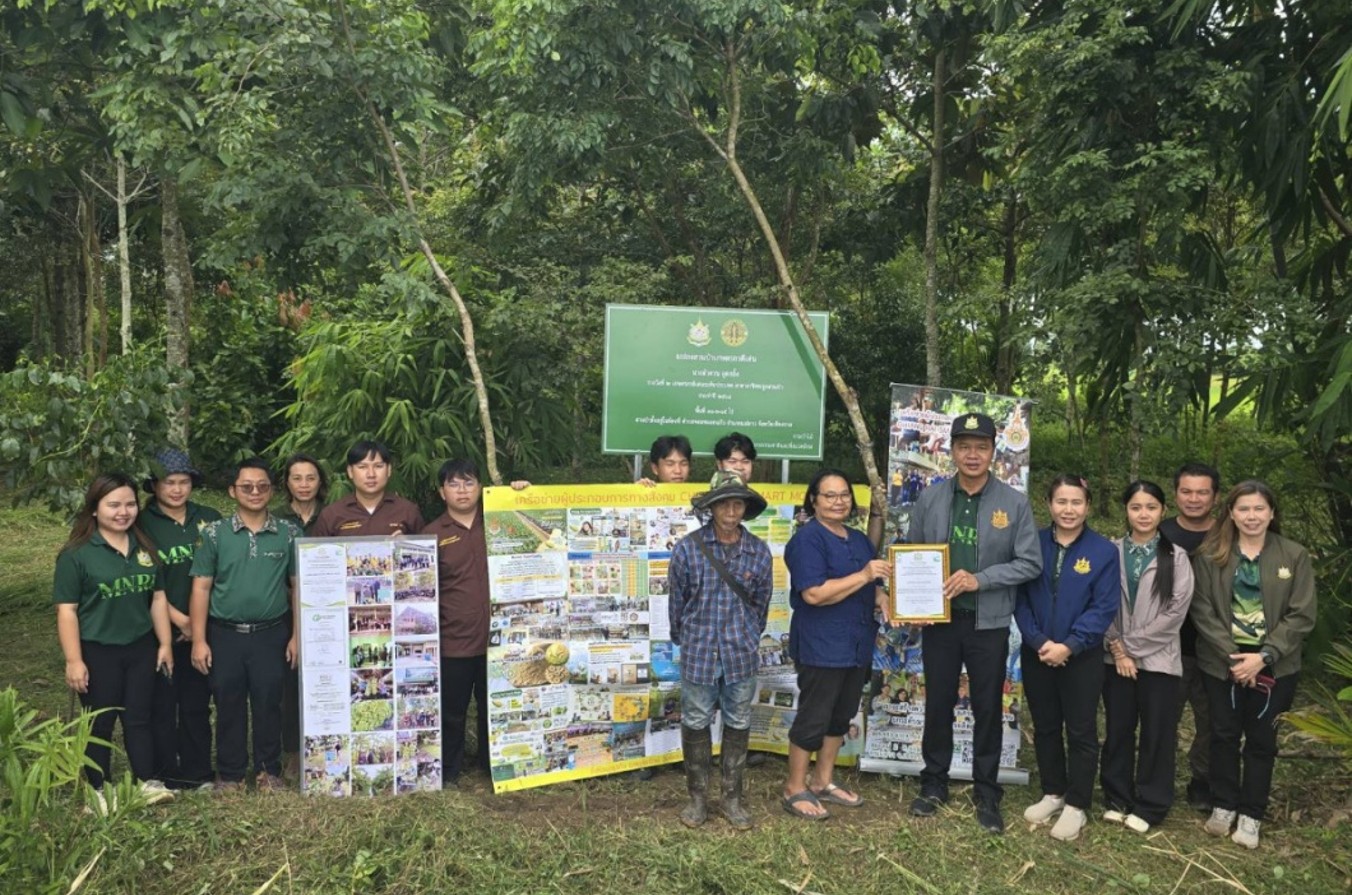
RMUTL has also supported community management of valuable-tree forests by providing academic mentoring, technical knowledge, and advisory support. In Ban Cham Wai, Chiang Rai, collaboration between the University and the community has strengthened local capacity to manage forest resources while linking conservation with longer-term community development and livelihood opportunities. The community subsequently received national recognition under the Valuable Tree Community program, demonstrating how academic support can contribute to strengthening locally managed conservation practices.
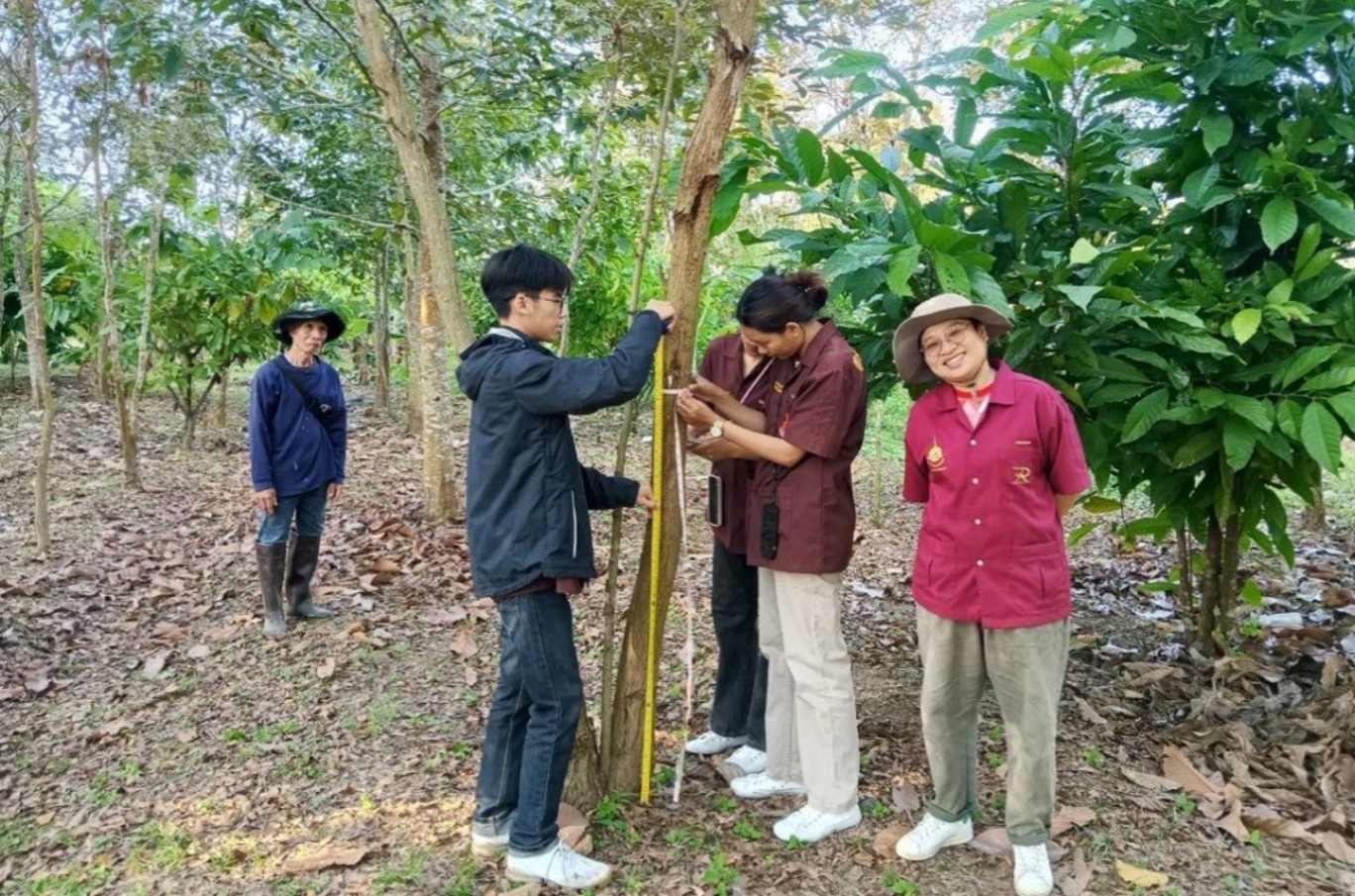
  

A defining feature of RMUTL’s contribution to SDG15 is therefore its collaboration with local communities to maintain shared land ecosystems. RMUTL acts as a regional knowledge partner connecting communities with provincial authorities, forestry agencies, biodiversity organizations, and other stakeholders. Through these partnerships, forest and land management becomes a shared process in which academic knowledge, local experience, institutional resources, and community participation are combined to address environmental challenges. 

Overall, RMUTL’s activities demonstrate a transition from individual environmental activities towards an integrated ecosystem-management model linking forest and watershed restoration, sustainable land use, educational outreach, applied research, and multi-stakeholder collaboration. By connecting ecosystem conservation with agriculture, community learning, and sustainable livelihoods, RMUTL contributes to strengthening the capacity of communities in Northern Thailand to conserve and sustainably manage terrestrial ecosystems over the long term. This approach reflects RMUTL’s role as a regional university for sustainable development, translating academic and technological expertise into place-based solutions that support healthy terrestrial ecosystems while strengthening the resilience and well-being of the communities that depend upon them.

Moving Forward

Strengthening Sustainable Terrestrial Ecosystem Management

RMUTL aims to strengthen its long-term commitment to conserving and restoring terrestrial ecosystems by integrating environmental research, sustainable land management, and community participation. Building on existing forest restoration, wildfire prevention, and community conservation initiatives, the university will focus on improving ecosystem management practices and expanding partnerships that support biodiversity conservation and sustainable livelihoods.

1. Strengthening Forest and Watershed Restoration. RMUTL will continue supporting forest restoration and watershed conservation initiatives, particularly in environmentally vulnerable areas of Northern Thailand. Greater emphasis will be placed on monitoring restoration outcomes, improving soil and water conservation practices, and promoting community participation in long-term forest management.

2. Expanding Wildfire Prevention and Ecosystem Protection. The university will strengthen collaboration with local authorities, forestry agencies, and communities to support wildfire prevention, forest firebreak maintenance, and environmental risk reduction. These efforts will focus on protecting forest habitats, reducing ecosystem degradation, and improving community preparedness for environmental threats.

3. Promoting Sustainable Agriculture and Responsible Land Use. RMUTL will further integrate agricultural research, agroforestry, and appropriate technologies to promote land-use practices that balance agricultural productivity with ecosystem conservation. Knowledge transfer and practical training will help farmers and local communities improve soil management, conserve natural resources, and adopt more sustainable agricultural practices.

4. Strengthening Community-Based Conservation and Environmental Learning. RMUTL will expand opportunities for communities, students, and local organizations to participate in forest conservation and natural resource management. Community learning centers, demonstration areas, and collaborative projects will serve as platforms for environmental education, knowledge exchange, and the development of locally appropriate conservation practices.

5. Improving Ecosystem Monitoring and Long-Term Impact Assessment. The university will seek to strengthen the collection and analysis of environmental data to monitor forest restoration, land-use changes, and ecosystem conditions. Greater use of geographic information systems (GIS), remote sensing, and other appropriate technologies could support evidence-based planning and help assess the long-term effectiveness of conservation activities.

Through these priorities, RMUTL seeks to advance an integrated approach to terrestrial ecosystem management that connects academic expertise, environmental protection, and community development. By strengthening conservation partnerships, promoting sustainable land use, and improving long-term monitoring, the university aims to contribute to biodiversity conservation, ecosystem resilience, and sustainable livelihoods across Northern Thailand.