SDG 2
Zero Hunger
Rajamangala University of Technology Lanna (RMUTL) | Sustainability Report 2025
SDG 2 Highlights 2025
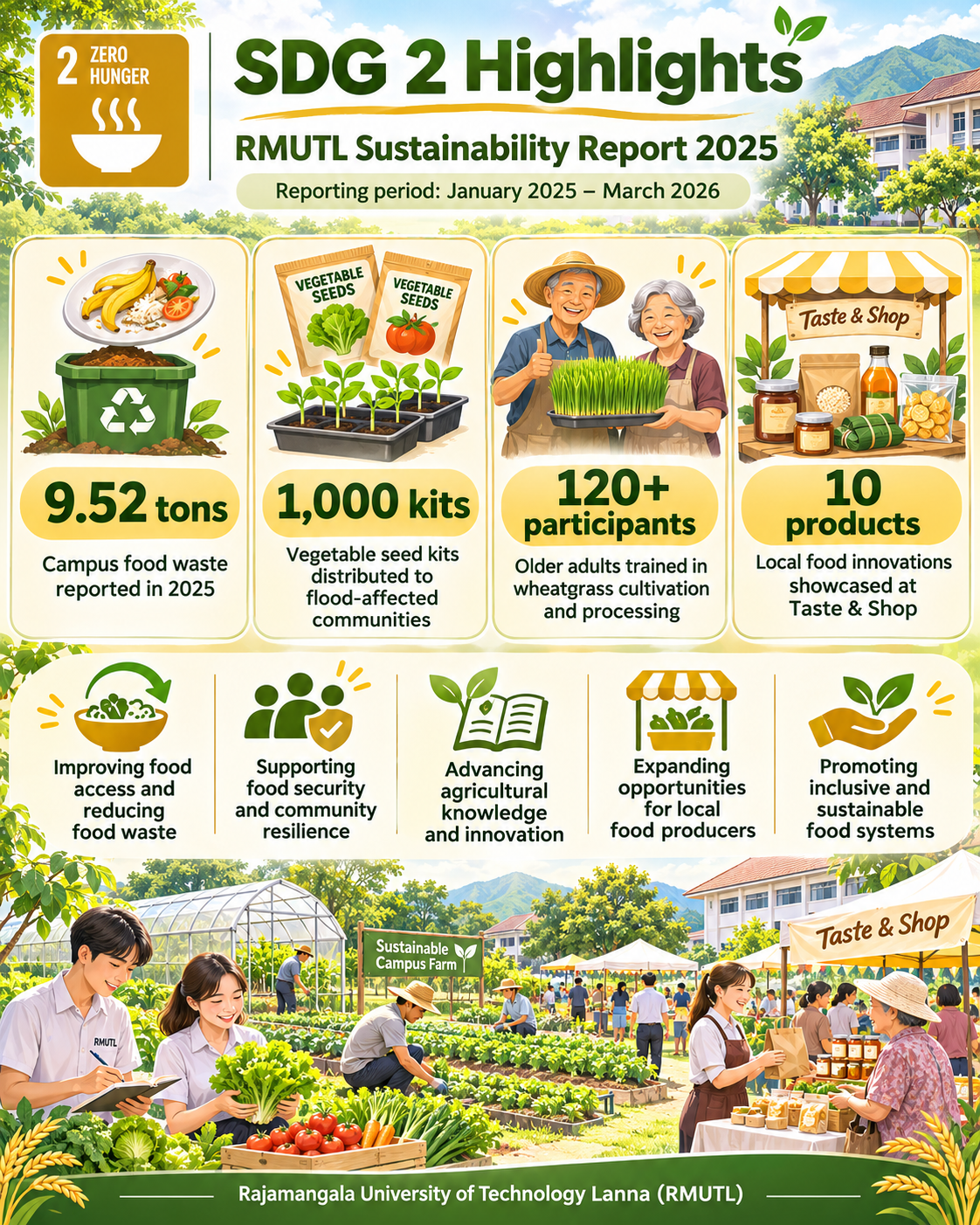
In 2025, Rajamangala University of Technology Lanna (RMUTL) advanced food security, sustainable agriculture, and community livelihoods through food assistance programs, agricultural research, technology transfer, and partnerships with farmers and local enterprises. The university integrated agricultural education, applied research, and community engagement to improve access to safe and nutritious food, promote resource-efficient agricultural production, and expand economic opportunities for local food producers.
Improving Food Access and Reducing Food Waste. RMUTL promoted affordable, nutritious food options across its campuses, supported food-sharing initiatives and agricultural self-sufficiency programs, and encouraged food waste separation and recycling. In 2025, the university recorded 9.52 metric tons of food waste across its campuses, providing baseline data for monitoring and future waste reduction efforts. The Na Pan Suk initiative and university agricultural learning centers also supported food access through rice cultivation, vegetable production, and food distribution to disadvantaged communities.
Strengthening Food Security and Community Resilience. In December 2025, RMUTL collaborated with the network of nine Rajamangala Universities of Technology to distribute 1,000 vegetable seed kits to flood-affected communities in southern Thailand. The initiative supported household food production and recovery from natural disasters. Additional university activities promoted seed conservation, organic farming, and home gardening to strengthen local food self-sufficiency and resilience.
Advancing Agricultural Knowledge and Innovation. RMUTL provided farmers, community enterprises, and local producers with practical training and technical support in agriculture and food processing. Key activities included wheatgrass cultivation and processing training for more than 120 older adults in Lampang, food safety and Good Manufacturing Practice (GMP) training for community enterprises, and technical assistance in product development, packaging, cost management, and marketing.
Expanding Market Opportunities for Local Food Producers. RMUTL strengthened market access for local producers through initiatives such as the RMUTL Phitsanulok Agricultural Market, which began operating weekly in February 2026, and the Taste & Shop food innovation event, which showcased ten value-added local food products. These initiatives provided farmers and entrepreneurs with opportunities to showcase their products, gather consumer feedback, and explore new market channels.
Promoting Inclusive and Sustainable Food Systems. RMUTL supported practical agricultural education, inclusive food innovation training for students with hearing impairments, and access to agricultural learning facilities and research expertise. Through collaboration with schools, public agencies, farmers, and community organizations, the university promoted food literacy, sustainable agricultural practices, and the development of more resilient local food systems.
Together, these initiatives demonstrate RMUTL’s continued commitment to improving food security through education, research, community engagement, and agricultural innovation. The university’s efforts provide a foundation for expanding access to nutritious food, strengthening local agricultural production, and supporting sustainable livelihoods across northern Thailand and other communities in need.
Campus Food waste
Campus Food Waste Tracking
In 2025, RMUTL implemented initiatives to address food insecurity by providing training, expert knowledge, and appropriate technologies to farmers and food producers. These efforts aimed to improve livelihoods, enhance product quality and value, and strengthen local communities. The following initiatives were undertaken:
Year | 2019 | 2020 | 2021 | 2022 | 2023 | 2024 | 2025 |
Amount of waste | 9.67 tons | Less than one ton | 4.05 tons | 9.00 tons | 9.52 tons | 9.52 | 9.52 |
Remarks | Before Covid-19 Full-time onsite learning | Online learning due to Covid-19 | Combined Online and onsite learning due to Covid-19 | Full time onsite learning | Full time onsite learning | Full time onsite learning | Full time onsite learning |
Table 1: A Comparison of the amount of RMUTL’s food waste measured during the period 2019 – 2025
Food waste data from RMUTL between 2019 and 2021 show the impact of the COVID-19 pandemic on campus activities. In 2019, food waste totaled 9.67 metric tons under normal campus operations. In 2020, the amount decreased to less than one metric ton due to online learning and remote work. In 2021, food waste increased to an average of approximately 4.05 metric tons as hybrid learning resumed.
As on-site learning resumed in 2022 and 2023, food waste increased, reaching 9.52 metric tons in 2023. Data collection continued in 2024 and 2025 to monitor changes in food waste and assess waste management practices. These findings show a clear relationship between campus activities and food waste generation. They also highlight the importance of using data to develop effective waste reduction strategies and promote sustainable campus operations.
RMUTL Promotes Food Waste Reduction and Recycling
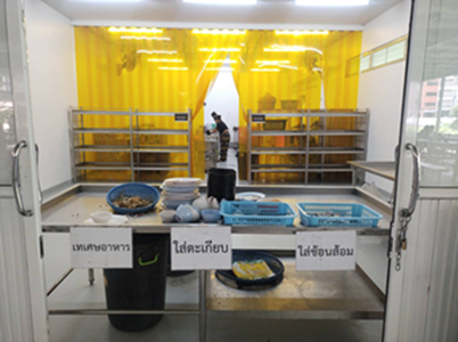
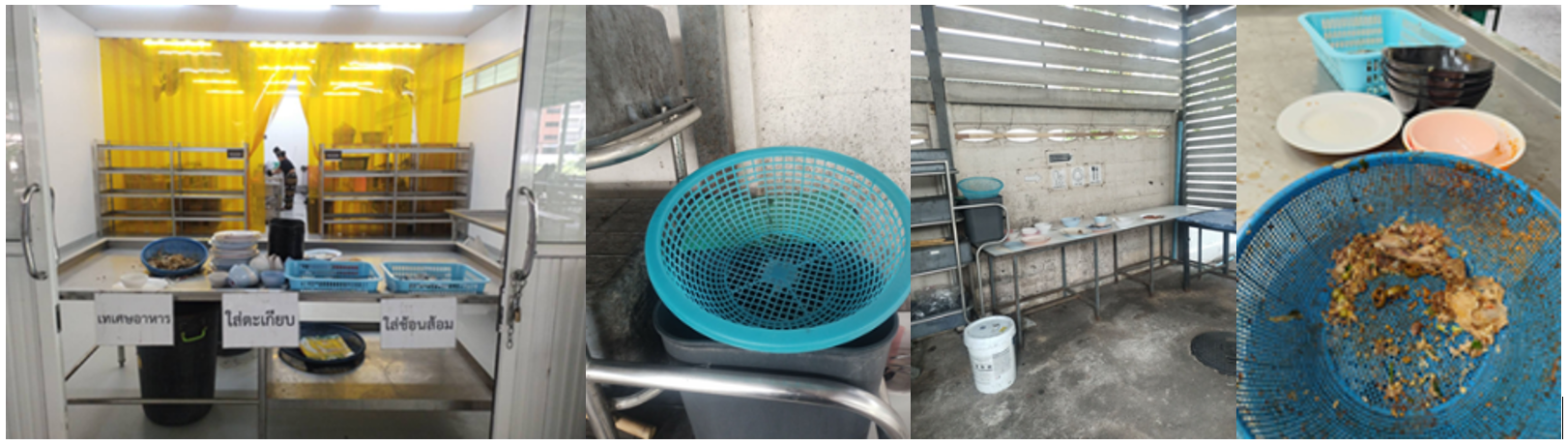
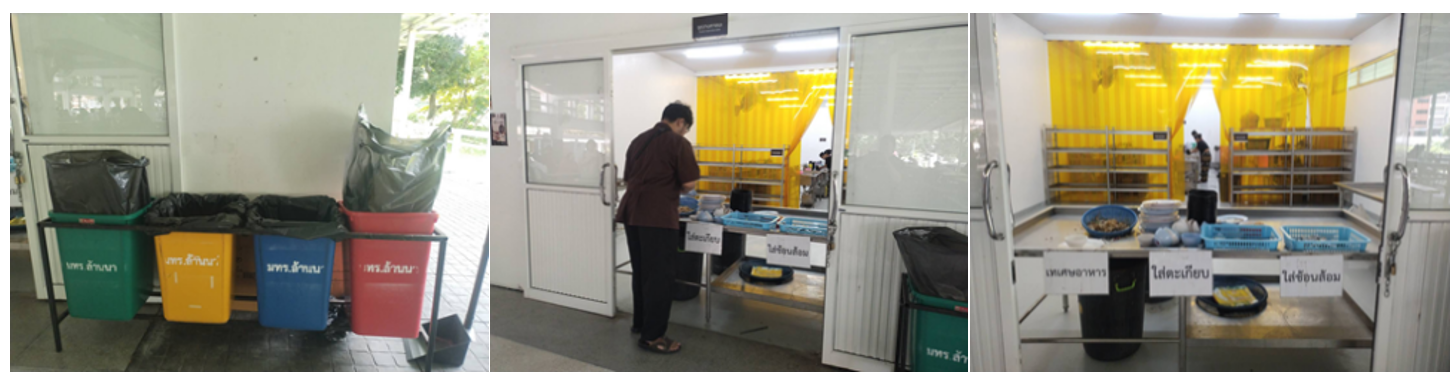
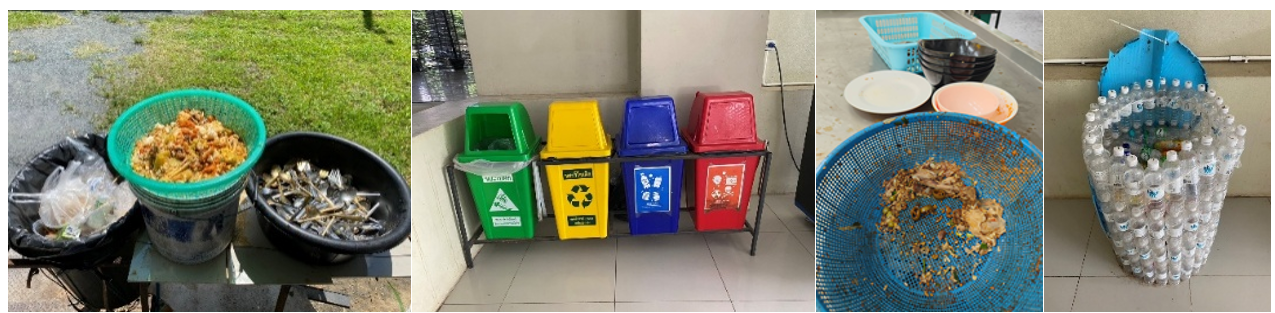
RMUTL continues to promote sustainable food waste management in its cafeterias in support of SDG 2: Zero Hunger. Students, staff, and food vendors are encouraged to separate waste at source. Organic food waste is collected for use as animal feed, while plastics and food containers are sorted for reuse and recycling. These practices reduce food waste, conserve resources, and encourage responsible consumption within the university community.
Preventing Food Insecurity Among RMUTL Staff and Students
On December 12, 2025, RMUTL harvested Hom Surin rice and organic crops at its Sufficiency Economy Learning Centre in Doi Saket, Chiang Mai, promoting sustainable agriculture based on the King’s Philosophy. The milled rice will be donated to temples and foundations to support community well-being and food security.
Father’s Day Rice Harvesting at RMUTL Lampang
On December 11, 2025, RMUTL Lampang organized “Father’s Day Rice Harvesting” to conserve Thanyasirin glutinous rice. Lecturers, staff, and students harvested rice and preserved seeds for future cultivation and education, promoting agricultural biodiversity and sustainable food production.
Na Pan Suk Project
RMUTL’s Khok Nong Na Learning Centre in Doi Saket promotes sustainable agriculture through rice cultivation, vegetable growing, and hen raising to improve food access and reduce student expenses. On December 12, 2025, the “Na Pan Suk” activity distributed organic rice to disadvantaged groups and provided food for students and staff, supporting SDG 2.
RMUTL Collaborates with the Nine Rajamangala Universities of Technology to Deliver 1,000 Vegetable Seed Kits for Flood Recovery in Southern Thailand
In December 2025, RMUTL and the Nine Rajamangala Universities of Technology distributed 1,000 vegetable seed kits to flood-affected communities in southern Thailand, helping households restore local food production, access safe food, reduce expenses, and rebuild sustainable livelihoods.
On December 7, 2025, RMUTL coordinated the distribution of 1,000 vegetable seed kits containing tomatoes, Chinese kale, and bok choy to flood-affected communities in southern Thailand. Supported by agricultural partners and the Nine Rajamangala Universities of Technology, the initiative promotes food security, sustainable livelihoods, community resilience, and SDG 2: Zero Hunger.
RMUTL Promotes Sustainable and Healthy Food Choices on Campus
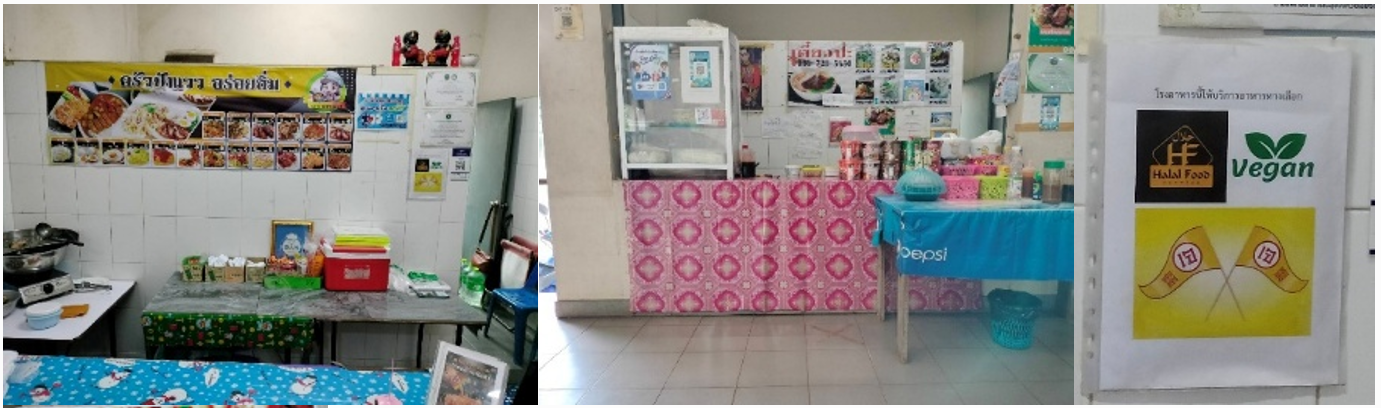
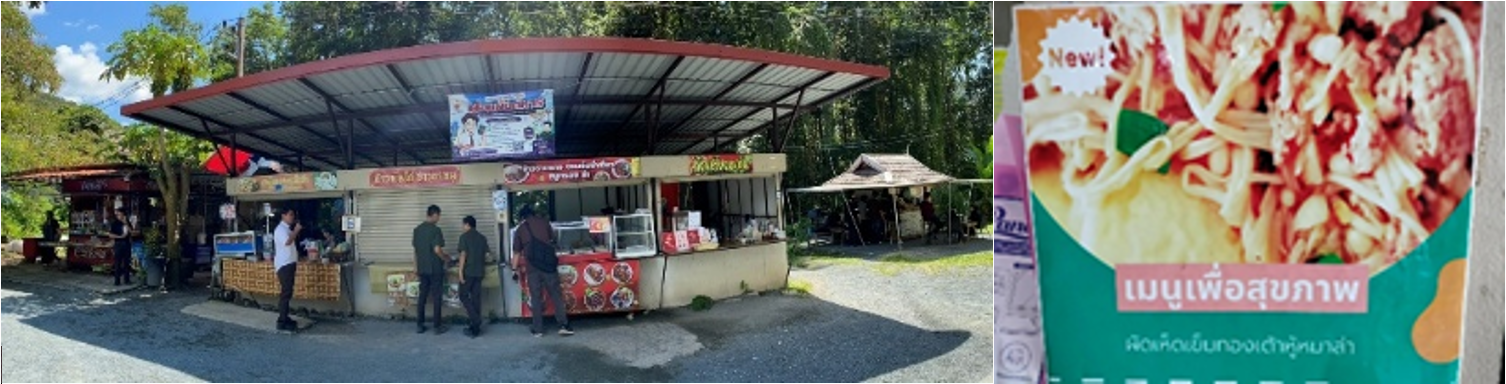
All RMUTL campus canteens promote sustainable food choices by offering vegetarian, vegan, and healthy meals to encourage dietary diversity, healthier lifestyles, and responsible consumption.
RMUTL Promotes Affordable, Safe, and Hygienic Food Access
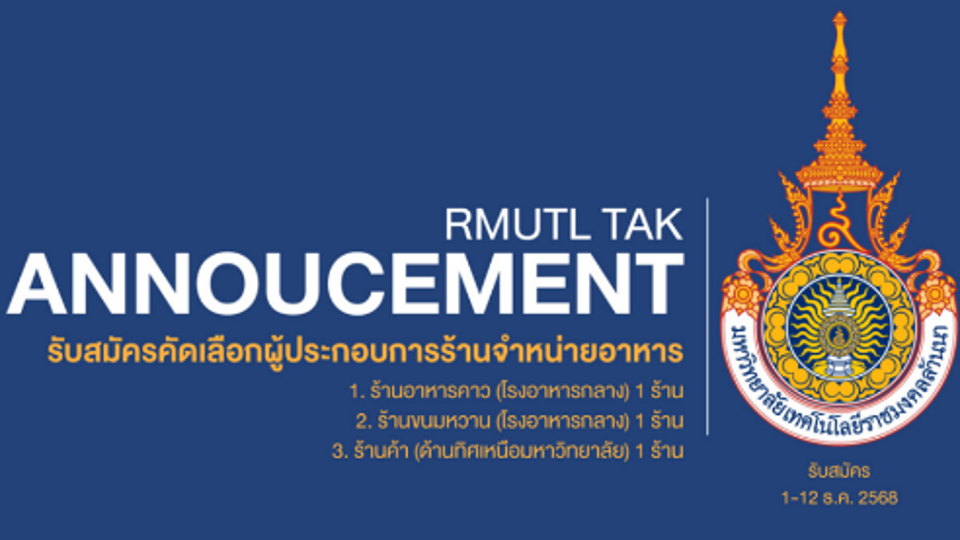
RMUTL (Tak Campus) welcomes food vendors to provide affordable, clean, and hygienic meals for staff and students, promoting food accessibility and well-being while ensuring compliance with government regulations and university standards.
Tackling Food Insecurity Among Staff
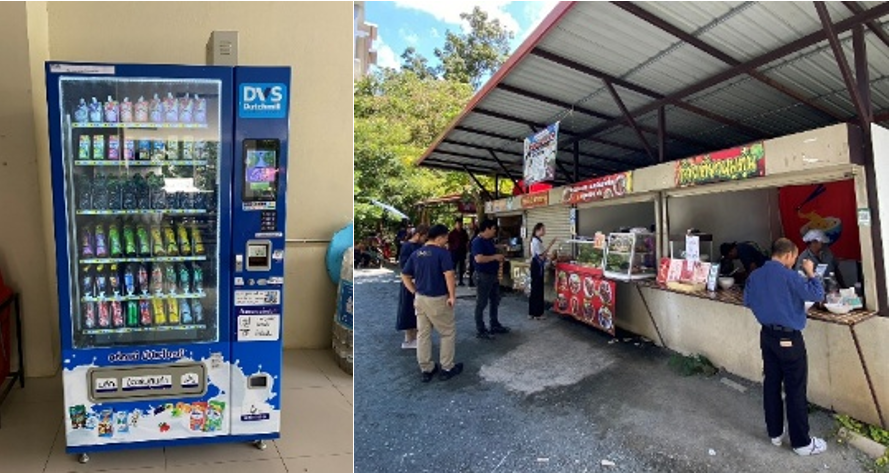
RMUTL addresses food insecurity among students and staff through food assistance, financial aid, clean water access, and livelihood opportunities, upholding the principle of “Leave No One Behind” and promoting social well-being and economic security.
Food Aid and Staff Welfare
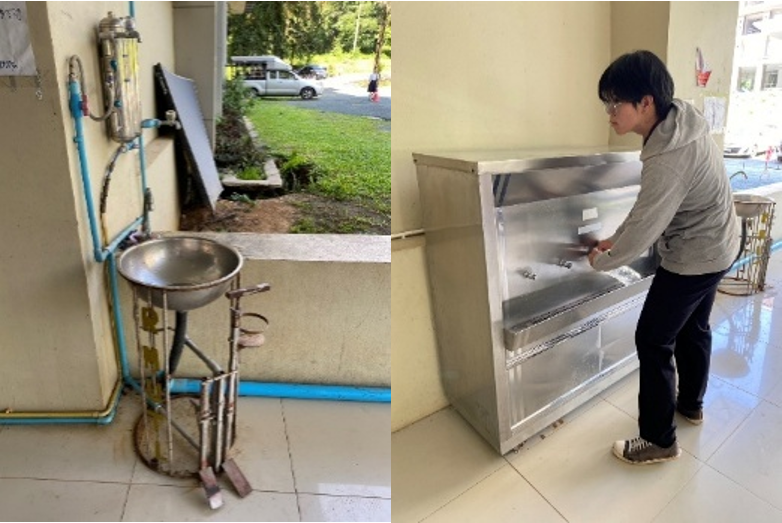
RMUTL promotes staff well-being through social security, provident funds, and savings cooperatives. Food support includes food banks, free meals, drinking-water stations, and food-sharing cabinets, while annual “Blessing Baskets” featuring local products foster community welfare and sustainability.
Access to Clean Water
Medium- and Long-Term Food Security
RMUTL promotes self-sufficiency by providing land, seeds, tools, and organic farming training, enabling students and staff to grow, consume, and share their produce. Training in agriculture, food production, e-commerce, renewable energy, and tourism, together with internships and industry partnerships, develops practical skills, improves employment opportunities, and supports long-term economic security.
Staff Financial Security
RMUTL promotes staff financial security through provident funds, fair, performance-based salaries, and career advancement opportunities. Monthly salaries typically range from THB 15,000–45,000, supporting financial stability, decent living standards, and employee well-being.
Employee Wage and Livelihood Support
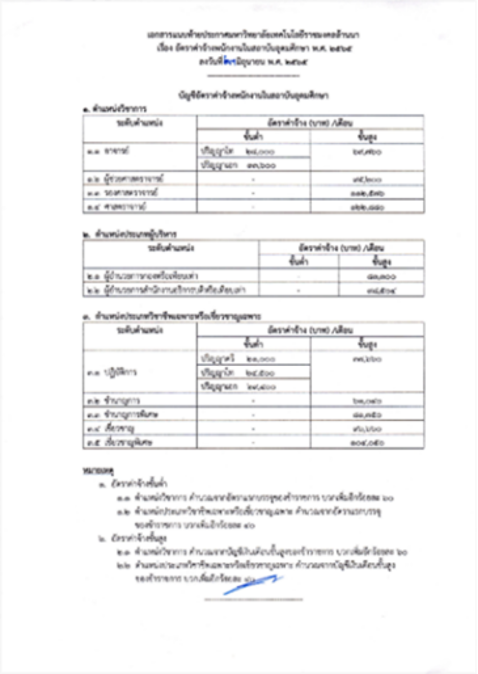
Figure 1: Employee Wage Rates in Higher Education Institutions, 2022
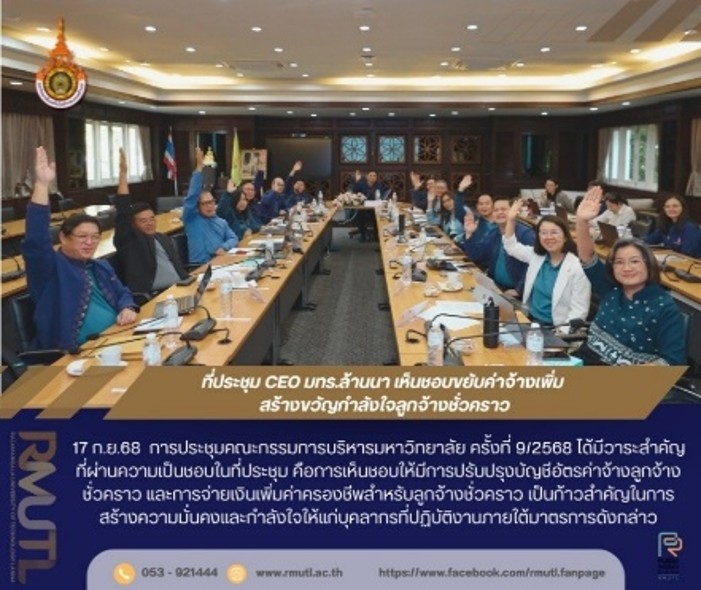
RMUTL promotes fair compensation and staff well-being through qualification-based salaries, career advancement, and performance-based pay. Academic salaries range from THB 24,000–31,500 at entry level, with advancement up to THB 122,440 monthly. In 2025, the university also revised temporary staff wages and introduced a cost-of-living allowance, raising eligible employees earning below THB 10,000 to THB 11,000 per month from September 17, supporting financial security and decent living standards.
RMUTL Promotes Access to Food Security Knowledge, Sustainable Agriculture, and Local Food Innovation
RMUTL advances sustainable food systems through agricultural training, food innovation, and local entrepreneurship. Initiatives in wheatgrass cultivation, household gardening, local ingredient processing, and agricultural business development strengthen food security, livelihoods, and community sustainability, supporting SDG 2: Zero Hunger.
RMUTL Lampang Shares Wheatgrass Cultivation and Processing Knowledge to Enhance Income and Skills for Older Adults
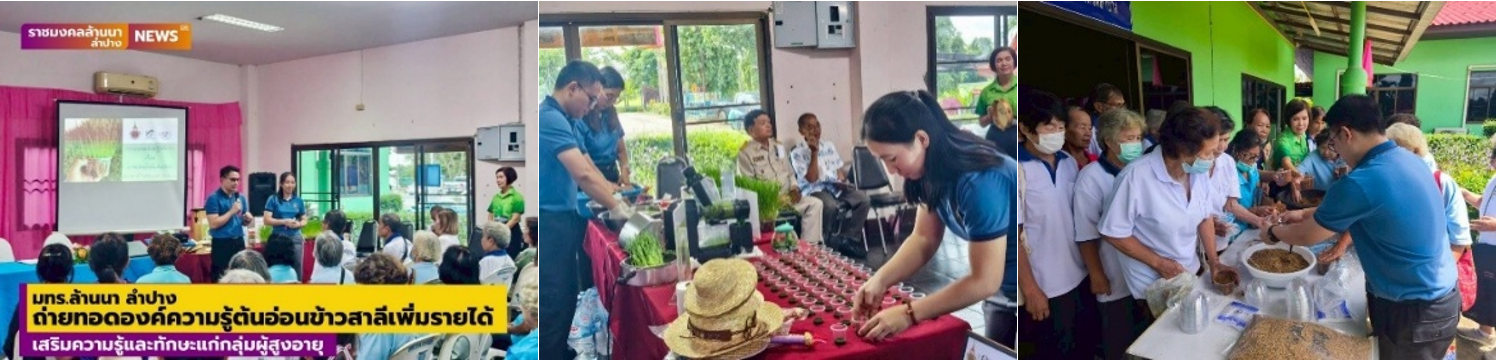
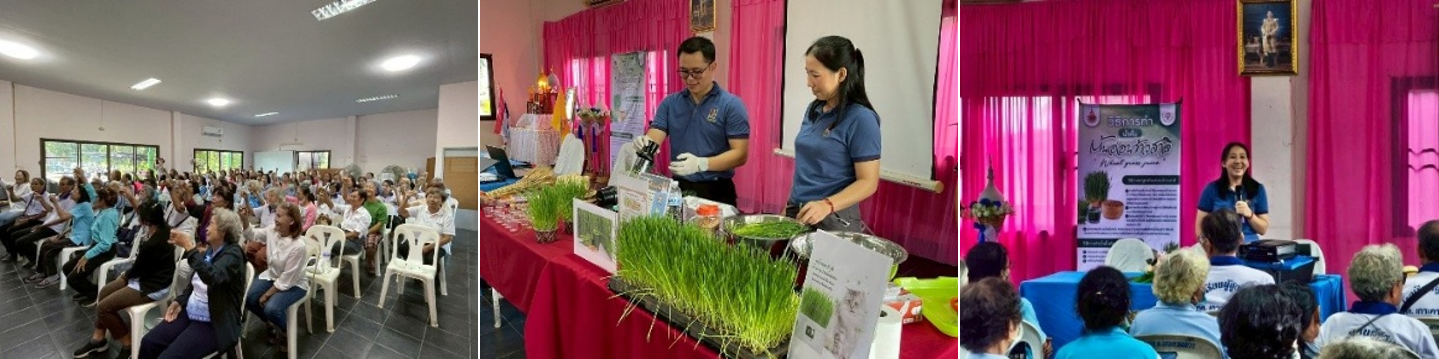
On September 24, 2025, RMUTL Lampang trained over 120 older adults in Ko Kha District, Lampang, in hygienic wheatgrass cultivation, processing, and marketing. The program aimed to develop vocational skills, add value to agricultural products, create income opportunities, and promote sustainable livelihoods.
RMUTL Phitsanulok Joins the Kick-Off of the “Love at Home, Grow Your Own Vegetables” Initiative
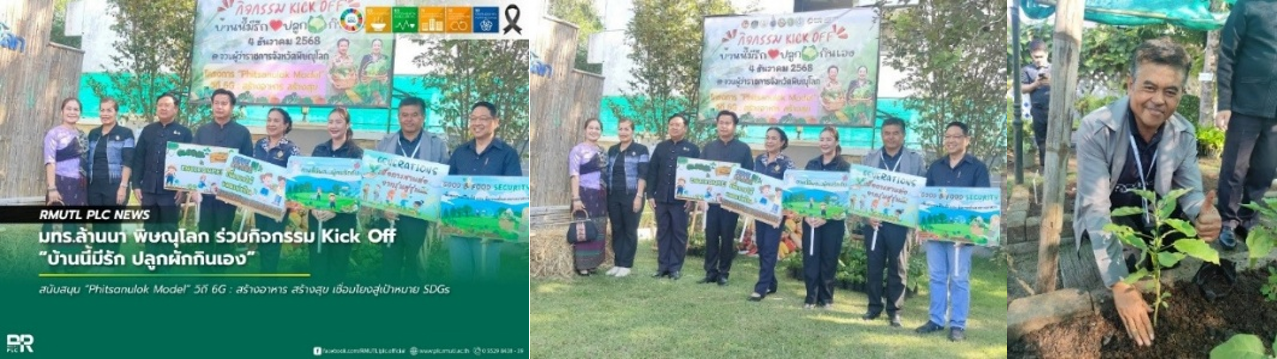
On December 4, 2025, RMUTL Phitsanulok joined the “Love at Home, Grow Your Own Vegetables” initiative under the Phitsanulok Model, encouraging households to grow vegetables, herbs, and seasonal fruits to strengthen food security, reduce living costs, and promote sustainable community development.
RMUTL Demonstrates Creative Dishes Using Royal Project Ingredients at “Royal Project 2025”
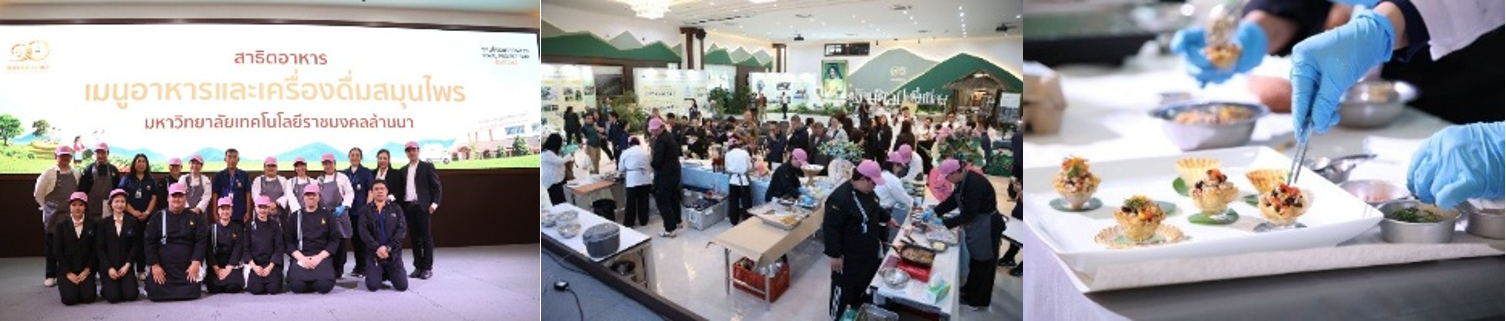
On December 2, 2025, RMUTL lecturers showcased four innovative dishes and beverages made entirely from Royal Project ingredients at “Royal Project 2025” in Chiang Mai, highlighting local produce, value-added product development, and sustainable food systems.
RMUTL Lampang Provides On-Site Consultation to Tai Farm Suksawat to Enhance Agricultural Product Value through Innovation and Technology
On October 17, 2025, RMUTL Lampang lecturers advised Tai Farm Suksawat on cost management, packaging, branding, online marketing, and food technology to improve product value, strengthen competitiveness, expand market opportunities, and support sustainable income and local entrepreneurship.
RMUTL Transfers Industrial Food Production Standards to Strengthen Community Food Processing and Product Development
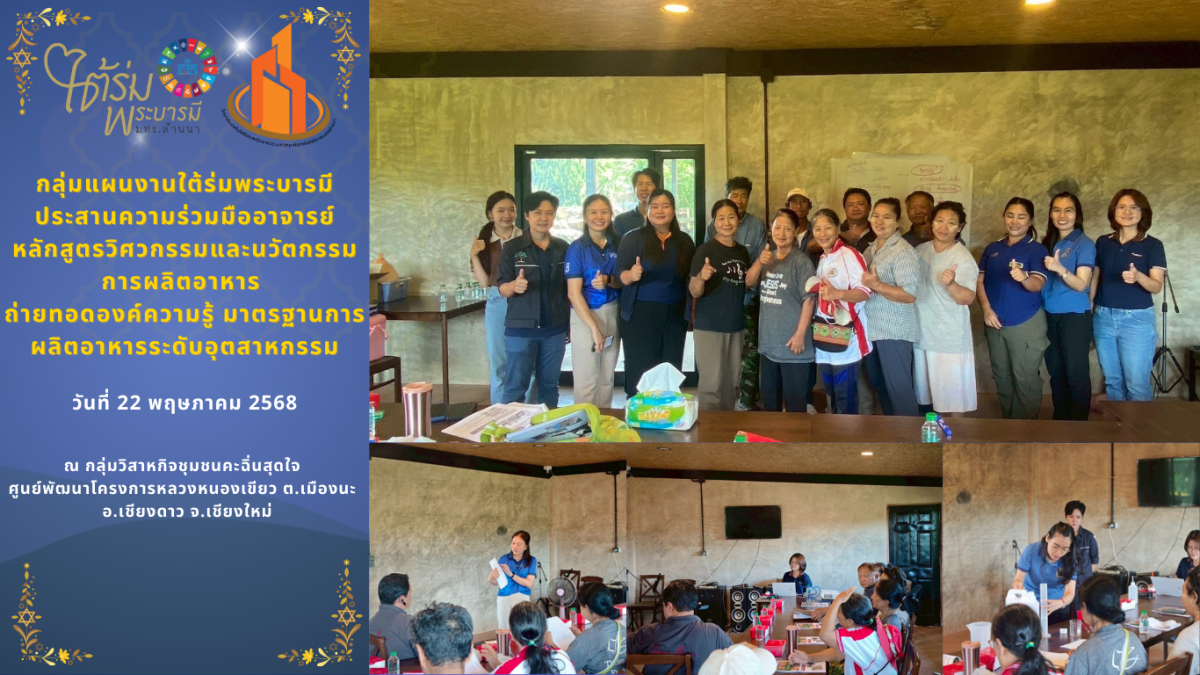
On May 22, 2025, RMUTL trained the Kachin Sutjai Community Enterprise in Chiang Mai in food safety, GMP, hygiene, and ingredient measurement to improve avocado product quality, strengthen processing skills, and create sustainable income opportunities, supporting SDG 2: Zero Hunger.
RMUTL Empowers Local Farmers Through Workshops, Knowledge Sharing, and Innovation
RMUTL empowers local farmers and food producers through training, knowledge sharing, and technology transfer. These initiatives promote safe agriculture, food innovation, and value-added products, strengthening market opportunities, local livelihoods, and food security in support of SDG 2: Zero Hunger.
RMUTL Agricultural Technology Research Institute Supports Safe Agriculture and Community Income
On January 29, 2026, RMUTL’s Agricultural Technology Research Institute distributed vegetable seedlings at the “Lampang PAO Meets the People” event, promoting household food production, food security, reduced living costs, and supplementary income while strengthening community–government collaboration.
RMUTL Lampang Launches “Life Kad” to Promote Safe Farming and Sustainable Community Tourism
On March 22, 2026, RMUTL Lampang and local partners organized “Life Kad: A Market of Life and Learning” in Mae Tha, Lampang, promoting chemical-free produce, local products, knowledge exchange, community tourism, and sustainable livelihoods to strengthen local agriculture and the grassroots economy.
RMUTL’s C-FI Promotes Local Food Innovation Through “Taste & Shop”
On February 14–15, 2026, RMUTL’s C-FI hosted “Taste & Shop” at Central Phitsanulok, showcasing ten innovative local food products. The event helped community entrepreneurs gather customer feedback, enhance product value, expand market opportunities, and strengthen the local economy through food innovation.
RMUTL Phitsanulok Trains Personnel in Soil Analysis to Improve Organic Rice Production
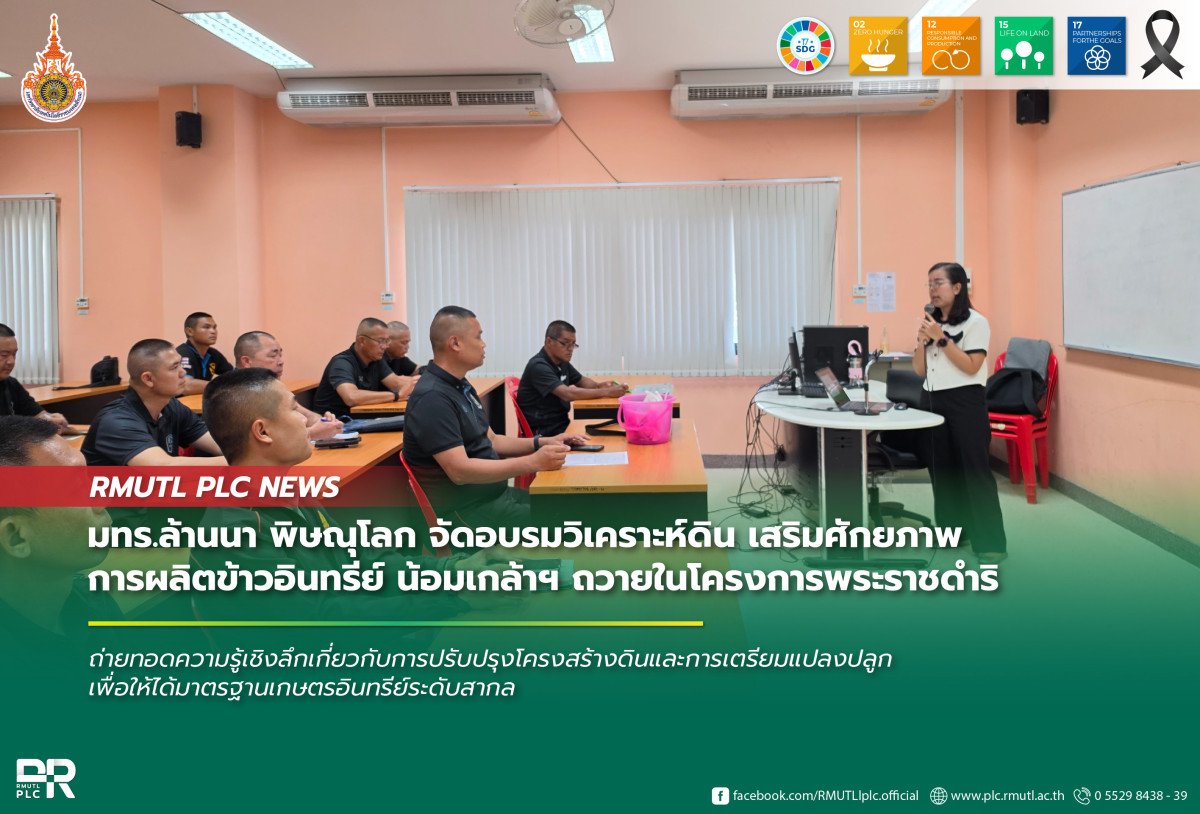
On March 30, 2026, RMUTL Phitsanulok trained personnel in organic rice cultivation, covering soil analysis, soil improvement, and field preparation. The program aimed to enhance production efficiency, improve seed quality, and strengthen sustainable agriculture and food security.
RMUTL Opens Banana U-Bank to Strengthen Agricultural Networks and Local Businesses
On October 21–22, 2025, RMUTL held the Banana U-Bank Open House in Lampang, bringing together farmers, researchers, government agencies, and entrepreneurs to exchange knowledge on safe farming, tissue culture, food processing, and marketing, promoting agricultural innovation and sustainable community enterprises.
RMUTL Shares Food Innovation and Processing Knowledge Through a Royal Project Learning Activity
On December 9, 2025, RMUTL lecturers showcased innovative food products, including Rose Waffle and Blooming Rose Drink, at a Royal Project Foundation learning activity in Chiang Mai. The initiative promoted food technology, value-added product development, knowledge exchange, and the sustainable use of local ingredients.
RMUTL Supports Local Farmers Through Access to Research Facilities, Agricultural Technology, and Plant Resources
RMUTL supports sustainable agriculture by providing farmers and food producers with access to research facilities, laboratories, agricultural technologies, and plant resources. Through knowledge sharing and innovation, the university improves farming practices, productivity, and long-term food security.
Organizing a Practical Training Workshop Entitled “Advanced Science Learning Processes: Science and Technology Module Lessons.”
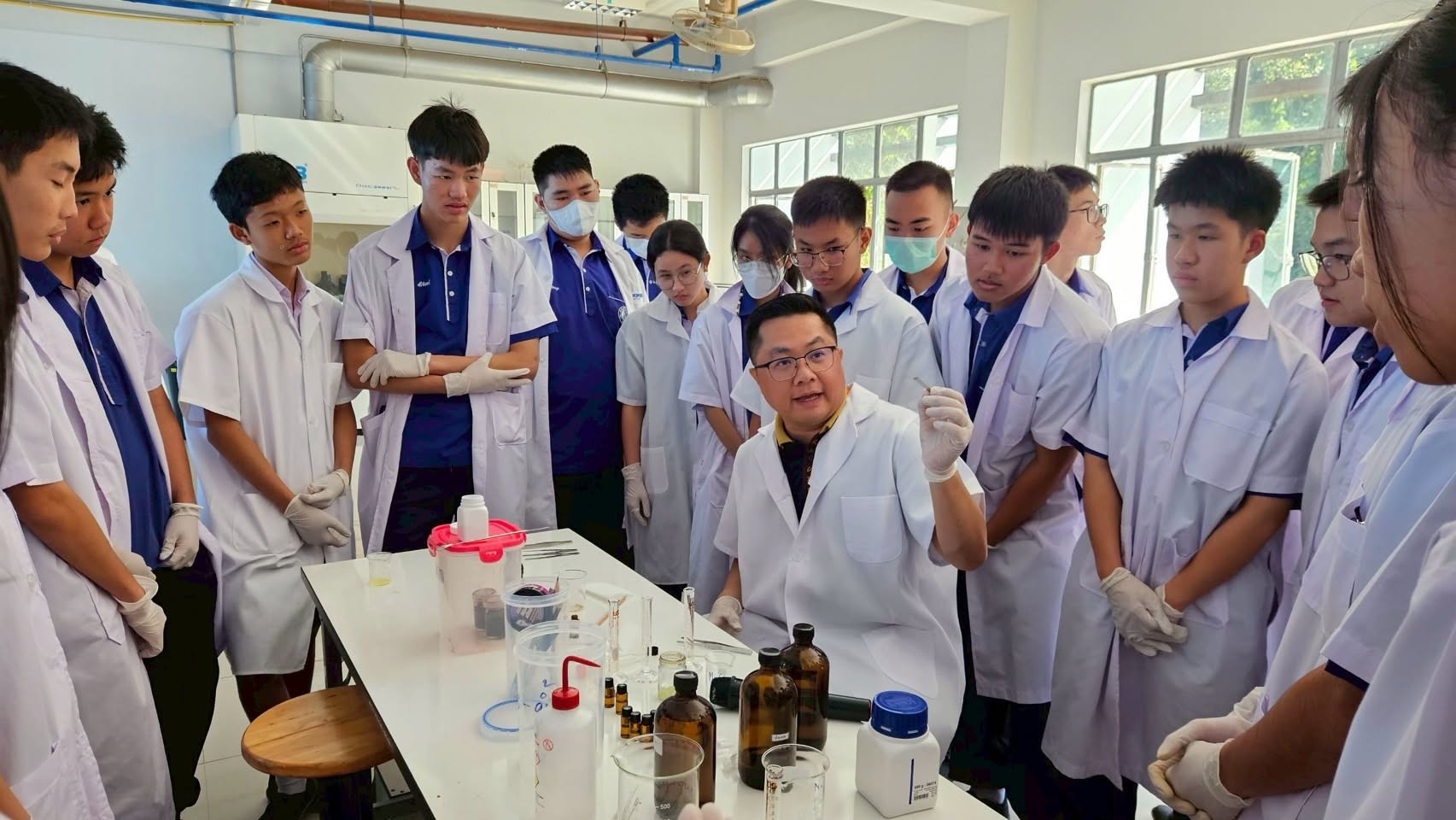
On January 19, 2025, RMUTL Chiang Rai hosted a hands-on science workshop for Samakkhi Witthayakhom School students, exploring pesticide residue detection through chromatography and image processing. The training strengthened scientific skills and knowledge of food safety, laboratory research, and modern technology.
RMUTL Lampang provided a learning experience for Grade 1 MEP students from Anuban Lampang Khelang Rat Anusorn School.
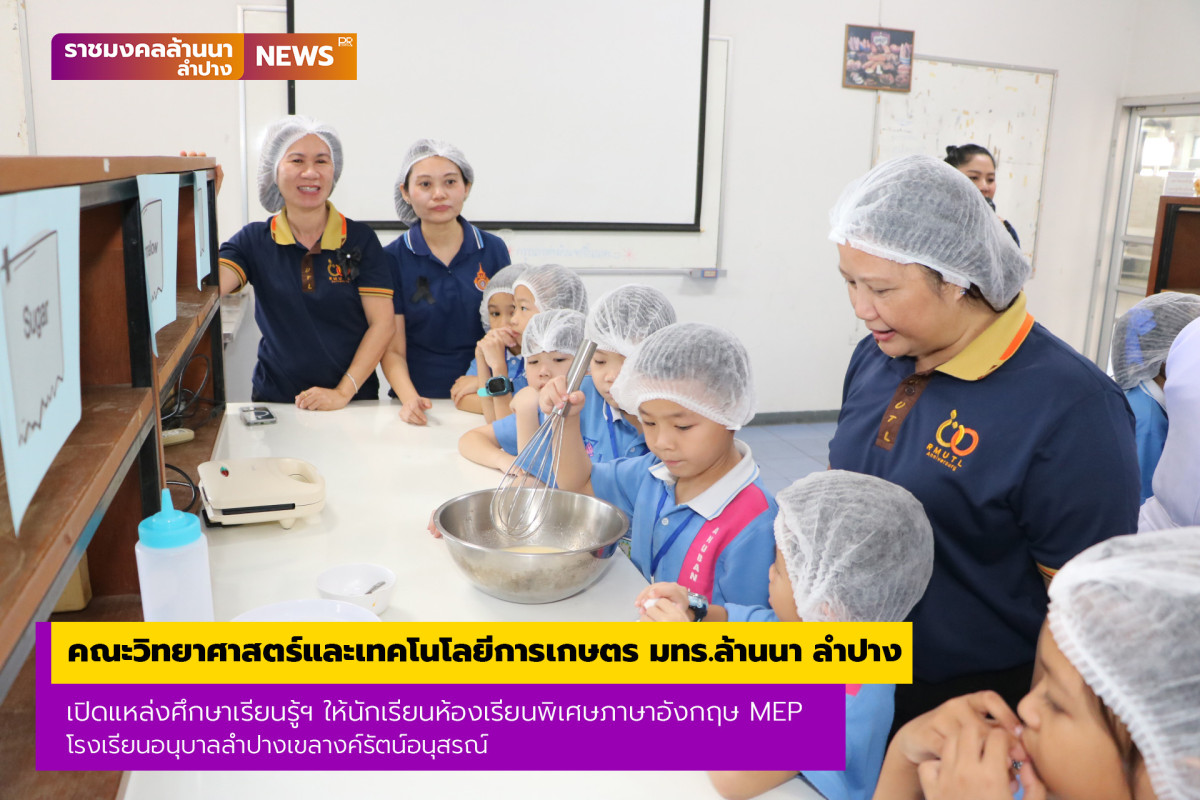
On November 14, 2025, RMUTL Lampang welcomed 60 Grade 1 students and teachers from Anuban Lampang Khelang Rat Anusorn School for English Camp 2025. Through hands-on activities in food science, plant science, animal science, and laboratory science, students explored science and university farm learning in an engaging environment.
RMUTL co-organized the “Sustainable Food Innovation” Project – Camp 3, developing teachers and students to create environmentally friendly food products.
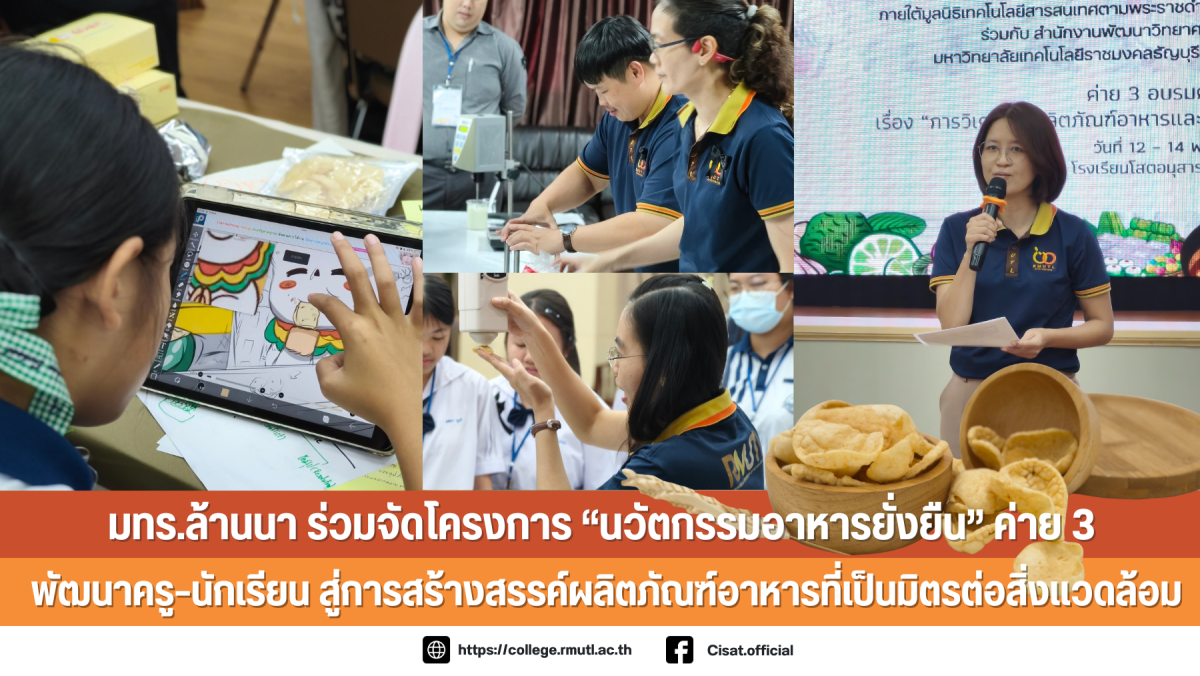
November 12–14, 2025, RMUTL and its partners organized Sustainable Food Innovation Camp 3 at Anusarnsunthorn School for the Deaf, providing hands-on training in low-carbon food production, quality analysis, cost management, business planning, and sustainable packaging to promote food innovation, entrepreneurship, and eco-friendly product development.
RMUTL Supports Local Farmers and Community Producers
RMUTL promotes local purchasing by supporting community farmers and producers, expanding access to safe, fresh agricultural products, and strengthening local livelihoods and sustainable food systems.
RMUTL Phitsanulok Launches Agricultural Market to Promote Safe Products from the University and Local Communities
On February 4, 2026, RMUTL Phitsanulok Campus launched the “RMUTL Phitsanulok Agricultural Market,” led by Dean Assistant Professor Dr. Piyamat Tatchcharoenrat.
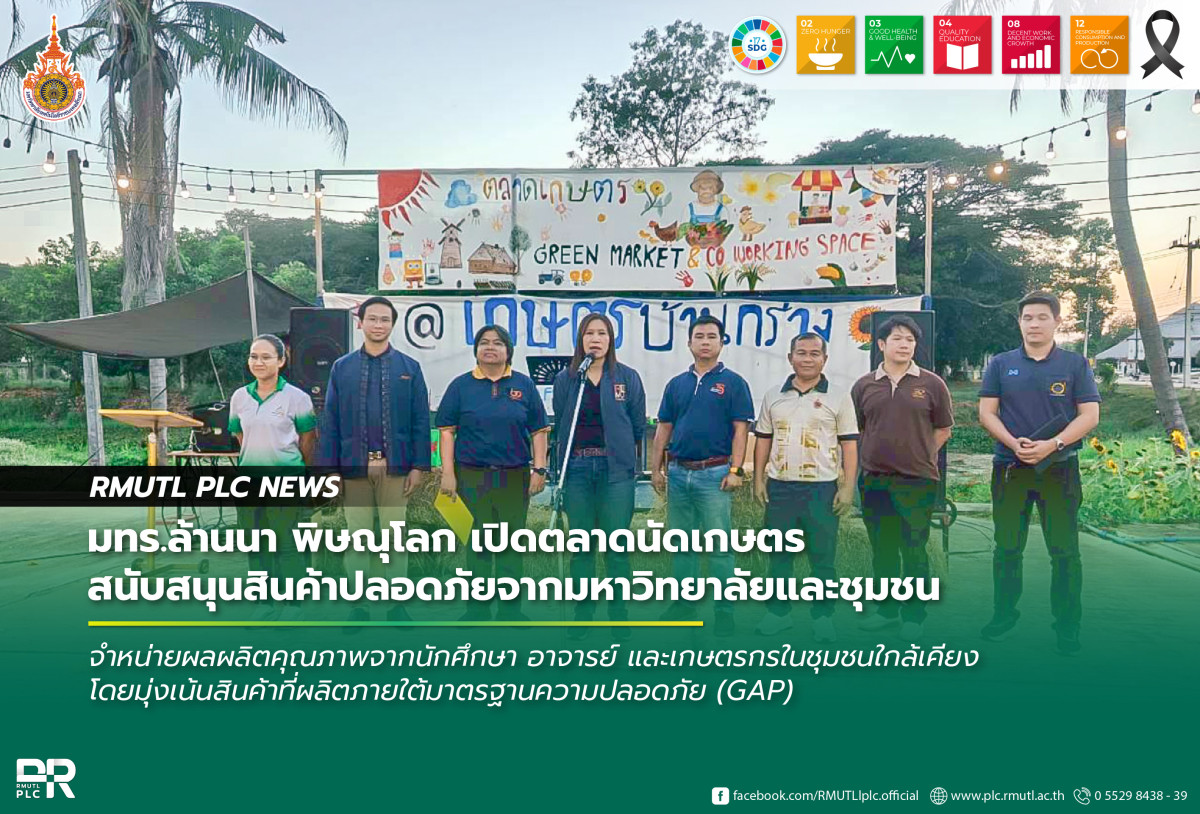
The market offers GAP-certified produce, pesticide-safe vegetables, eggs, fruits, ornamental plants, and research-based processed products. The opening attracted students, university staff, and the public, featuring agricultural demonstrations on mushroom cultivation, greenhouse farming, and food processing.
The market operates every Wednesday to expand marketing opportunities for farmers, provide practical learning experiences for students, and improve local access to safe food.
RMUTL’s C-FI Drives the Local Economy Through “Taste & Shop” Sustainable Food Innovation
C-FI at RMUTL held the “Taste & Shop” event on February 14–15, 2026, at Central Phitsanulok. The event showcased innovative agricultural products and allowed entrepreneurs to test their products and collect consumer feedback. It also promoted efficient water use and drought mitigation.
Ten innovative processed food products were featured, including chili paste, rice crackers, Wolffia cookies, fermented pork sausage, fruit gummies, traditional Thai sweets, dried guava, and instant banana powder. The initiative adds value to agricultural products, supports local entrepreneurs, strengthens the local economy, and creates opportunities to expand into domestic and international markets.
Overall, In 2025, RMUTL promoted SDG 2: Zero Hunger through activities, workshops, and training to help local food producers improve their skills and add value to agricultural products. These efforts supported market expansion, food security, and sustainable livelihoods.
Moving Forward
Rajamangala University of Technology Lanna (RMUTL) will continue to advance food security and sustainable agriculture by strengthening connections among agricultural education, applied research, technology transfer, and community development. Building on its achievements during 2025, the University will place greater emphasis on improving equitable access to nutritious food, supporting sustainable agricultural practices, and generating measurable benefits for farmers, food producers, students, and local communities.
Strengthening Food Security and Inclusive Food Access
RMUTL will further develop initiatives that improve access to affordable, safe, and nutritious food for students, personnel, and vulnerable communities. Building on university food assistance activities, agricultural learning centers, and the Na Pan Suk initiative, the University will encourage the continued use of campus resources for food production, food sharing, and practical learning.
Greater attention will be given to identifying groups experiencing food insecurity, improving coordination among relevant university units, and monitoring the accessibility and effectiveness of food assistance programs. Partnerships with community organizations and public agencies will help extend appropriate support to households affected by economic hardship or natural disasters.
Reducing Food Waste and Promoting Circular Food Systems
RMUTL will strengthen campus food waste monitoring and management by improving data collection, waste separation, and resource recovery practices across its campuses.
The University will use existing food waste records as a foundation for developing more systematic reduction measures. Future efforts will focus on preventing avoidable food waste, improving waste sorting at cafeterias, and promoting appropriate reuse of organic materials through animal feed, composting, or other environmentally responsible applications.
The University will also encourage students, staff, and food vendors to participate in waste reduction activities. Monitoring food waste relative to campus population and food service activity will help assess progress and identify opportunities for improvement.
Advancing Sustainable Agriculture and Climate Resilience
RMUTL will expand the application of agricultural research and appropriate technologies to support farmers and communities in developing more productive and environmentally responsible farming practices.
Building on activities involving vegetable cultivation, organic rice production, soil analysis, seed conservation, and safe agriculture, the University will strengthen practical training and technical assistance for local producers.
Future initiatives will emphasize efficient resource use, agricultural biodiversity, safe food production, and the ability of farming communities to respond to climate-related challenges.
Collaboration with local authorities, agricultural networks, and community organizations will support the application of research findings in real farming environments.
Greater emphasis will be placed on monitoring technology adoption, changes in production costs, crop productivity, and the longer-term benefits experienced by participating farmers.
Strengthening Food Innovation and Local Market Access
RMUTL will continue to support food innovation and entrepreneurship by connecting research expertise with the needs of farmers, community enterprises, and local food producers.
Building on initiatives such as the RMUTL Phitsanulok Agricultural Market, Taste & Shop, and community food-processing training, the University will promote product development, food safety standards, packaging improvement, business planning, and market access.
The University will encourage the use of locally available agricultural resources to develop value-added products that respond to consumer needs while supporting sustainable production.
Future support will extend beyond training and product exhibitions to include market validation, commercial readiness, and business development.
The University will seek to monitor the number of products entering the market, changes in sales revenue, and economic benefits generated for participating enterprises and communities.
Enhancing Partnerships and Long-Term Impact Measurement
RMUTL will strengthen collaboration with government agencies, the nine Rajamangala Universities of Technology, agricultural organizations, schools, private-sector partners, and community enterprises to expand the practical application of agricultural knowledge and innovation.
The University will improve coordination among its faculties, research institutes, and community engagement units to support continuity beyond individual projects.
A more systematic monitoring and evaluation framework will be developed to assess outcomes related to food access, agricultural productivity, technology adoption, waste reduction, product commercialization, and community income.
Where appropriate, projects will establish baseline information and follow-up assessments to distinguish immediate outputs from measurable changes in food security and livelihoods.
Through stronger partnerships and evidence-based evaluation, RMUTL aims to ensure that its agricultural research, educational activities, and community development programs contribute to resilient food systems, improved economic opportunities, and long-term community well-being.