SDG 7
Affordable and Clean Energy
Rajamangala University of Technology Lanna (RMUTL) | Sustainability Report 2025
SDG 7 Highlights 2025
In 2025, Rajamangala University of Technology Lanna (RMUTL) advanced clean energy education, renewable energy research, energy efficiency, and sustainable energy management through academic programs, technological innovation, and partnerships with government agencies, industry, and local communities. The university integrated engineering expertise, applied research, and community engagement to promote efficient energy use, develop clean energy technologies, and strengthen technical capacity for sustainable energy development.
Expanding Clean Energy Education and Workforce Development. RMUTL provided practical training in renewable energy, solar photovoltaic (PV) systems, smart energy technologies, and electric vehicle charging infrastructure. In February 2025, the university delivered a 30-hour solar PV installation and maintenance course to 20 participants in Tha Ton, Chiang Mai, to strengthen technical skills and employment opportunities. RMUTL also collaborated with the Office of the Vocational Education Commission (OVEC) to develop vocational teachers’ competencies in renewable energy systems, while its renewable energy learning activities introduced students to bioenergy, energy conservation, and practical engineering applications.
Advancing Clean Energy Research and Technological Innovation. RMUTL strengthened research collaboration with the Electricity Generating Authority of Thailand (EGAT) to investigate cleaner electricity generation and pollution reduction. Research activities at the Mae Hong Son Diesel Power Plant included exhaust particulate sampling, wastewater analysis, and the study of microalgae for pollutant removal. The university also contributed research on renewable energy systems, electric vehicle charging technologies, and community microgrids. At the 17th Electrical Engineering Network Conference (EENET 2025), RMUTL presented 17 research papers and received two Outstanding Paper Awards, including recognition for research related to energy technologies.
Improving Industrial Energy Efficiency and Resource Management. Through the Innovation and Technology Assistance Program (ITAP), RMUTL supported improvements to the drying kiln system at P.N. Ceramic Factory. The project enhanced temperature and humidity control and hot-air circulation to improve energy efficiency. The upgraded system was projected to reduce energy costs by 29%, representing estimated annual savings of approximately THB 23,400 under the reported operating conditions. This initiative demonstrates how applied engineering and technology transfer can help local industries improve resource efficiency and reduce operating costs.
Strengthening Institutional Energy Conservation. RMUTL promoted energy conservation and responsible electricity consumption through campus awareness activities and institutional coordination. In February 2025, RMUTL Chiang Rai convened its Energy Conservation Committee to review conservation policies and measures for the academic environment. In June, the campus collaborated with the Department of Alternative Energy Development and Efficiency to provide energy conservation knowledge to students and staff. These initiatives supported energy awareness and more coordinated approaches to sustainable campus energy management.
Expanding Clean Energy Partnerships and Community Applications. RMUTL strengthened collaboration with energy-sector organizations, universities, and community partners to support renewable energy research and practical applications. Partnerships with EGAT, Maejo University, the Royal Project Foundation, and other institutions promoted knowledge exchange, professional training, energy innovation, and community-oriented research. The Khlong Ruea community microgrid project also provided opportunities to study renewable electricity systems for remote communities while serving as a practical learning environment for students, researchers, and local technicians.
Together, these initiatives demonstrate RMUTL’s commitment to advancing affordable and clean energy through education, research, technological innovation, institutional stewardship, and community engagement. By strengthening technical skills, improving industrial energy efficiency, and supporting locally appropriate energy solutions, the university contributes to sustainable energy development, improved resource management, and greater energy resilience in Thailand.
Clean Energy Education and Workforce Capacity Development
Affordable and clean energy is essential to sustainable development, supporting economic growth, environmental protection, technological progress, and quality of life. Sustainable Development Goal 7 calls for access to affordable, reliable, sustainable, and modern energy for all. Progress depends on expanding renewable energy, improving energy efficiency, strengthening energy management, building technical capacity, and fostering collaboration among education, industry, government, and communities.
Rajamangala University of Technology Lanna (RMUTL) advances SDG 7 through teaching, research and innovation, institutional stewardship, and community outreach. Drawing on its expertise in engineering, science, and technology, the university develops clean-energy knowledge and practical solutions. Its work addresses renewable energy use, industrial efficiency, pollution reduction, electricity security in remote communities, and workforce development.
Renewable Energy and Bioenergy Education for School Students
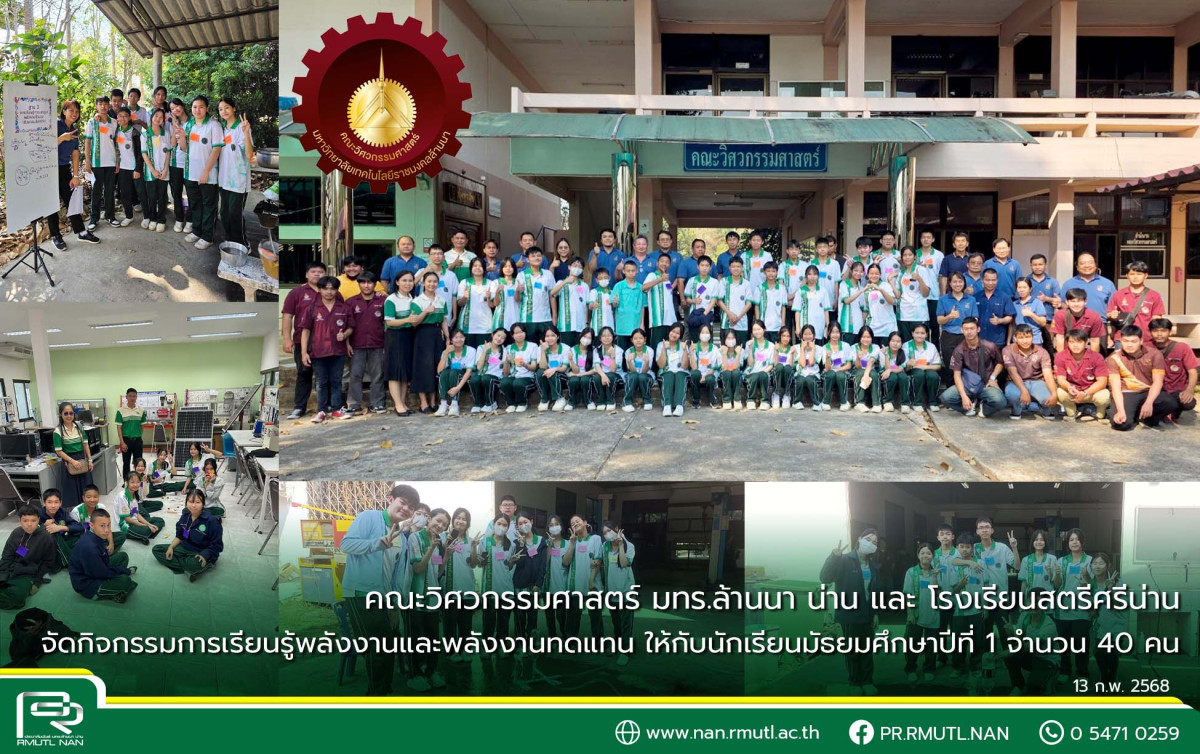
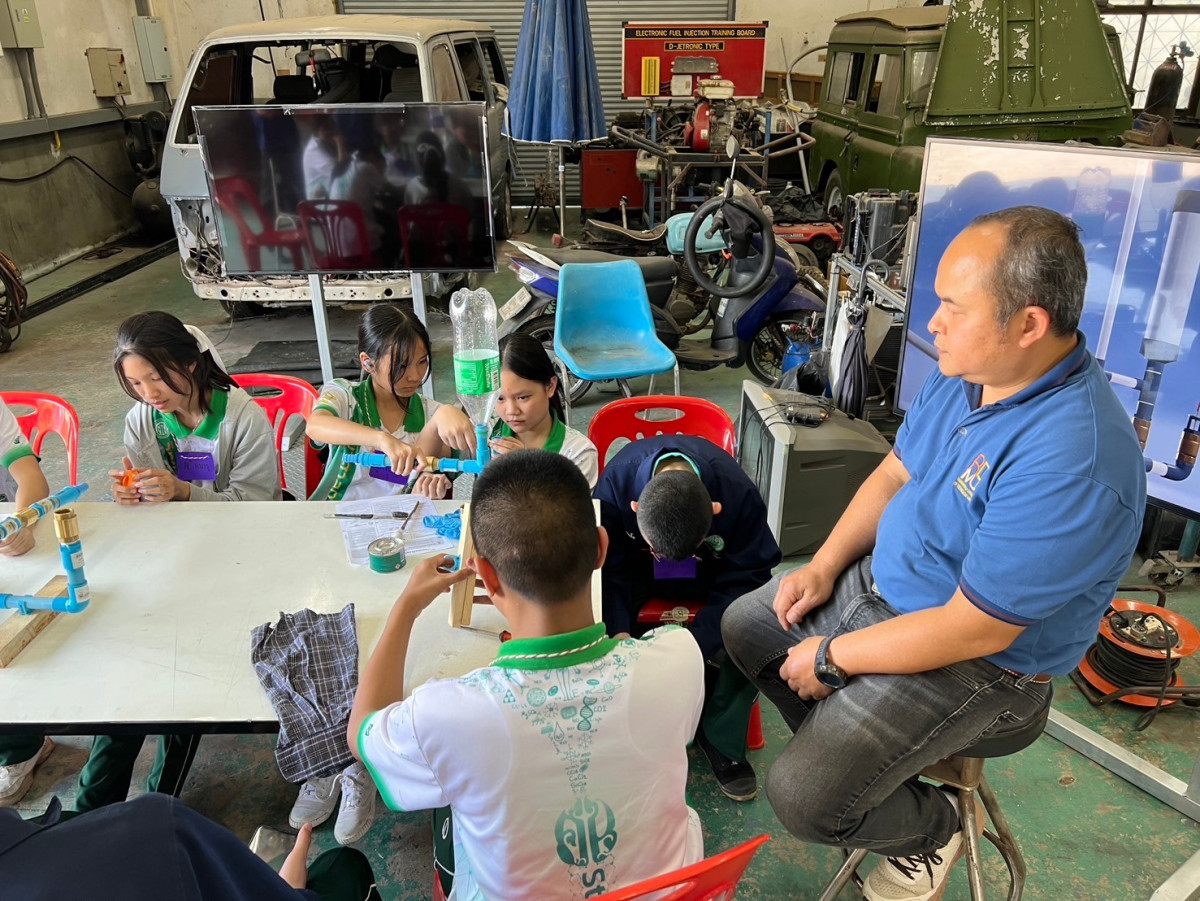
In 2025, RMUTL Nan partnered with Srisrinan School and Santisuk Pittayakhom School to provide hands-on energy learning for 40 Grade 7 students and 60 students and teachers, respectively. Activities introduced renewable-energy applications, efficient energy use, biochar production from agricultural waste, charcoal briquettes, and hydraulic ram pump design.
Smart Energy Education and Vocational Teacher Development
In October 2025, RMUTL contributed to an Office of the Vocational Education Commission (OVEC) workshop on competency-based and work-integrated education, presenting its Smart Energy Electrical Engineering program in areas such as smart grids, electric vehicles, and clean energy. From 15–17 July 2025, the university also trained and assessed OVEC teachers at the Doi Saket Renewable Energy Learning Center in renewable-energy installation and maintenance, particularly solar photovoltaic systems.
Electric Vehicle Charging Technology Training
On 3–4 February 2025, RMUTL’s Research and Development Institute trained faculty, students, and industry participants in DC charging technology, electric-vehicle charging trends, Vehicle-to-Grid (V2G) systems, and bidirectional charger design and development.
Solar PV Installation and Maintenance Skills for Workers
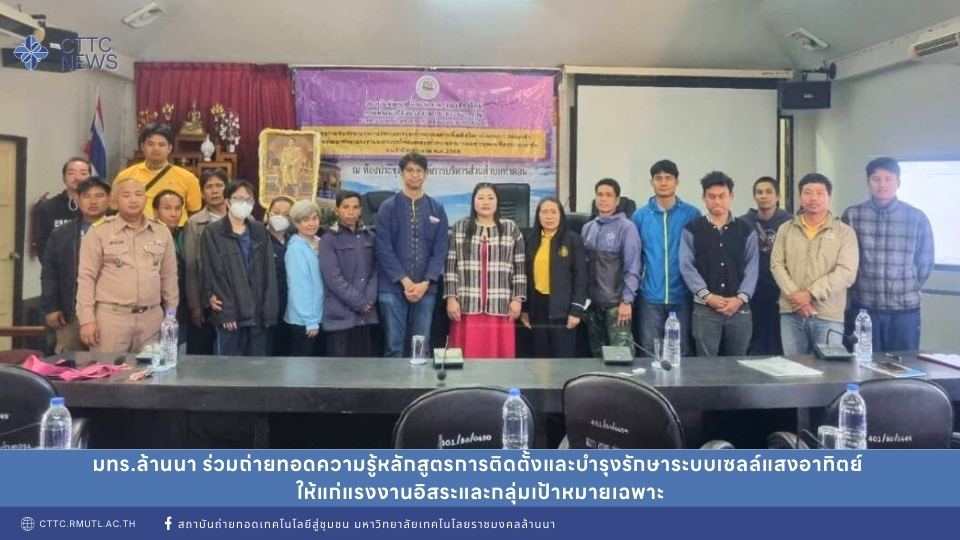
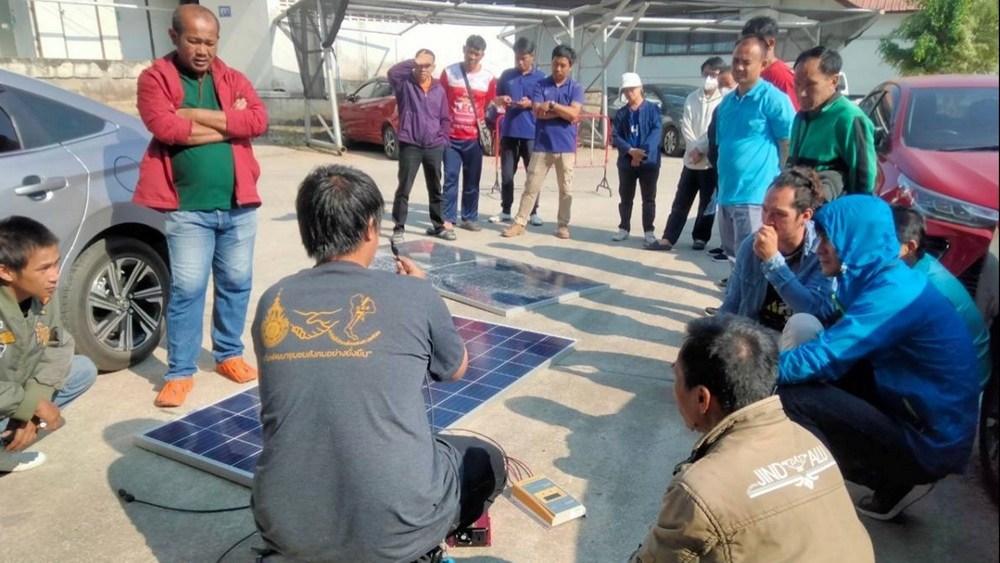
From 17–21 February 2025, RMUTL staff delivered a 30-hour solar photovoltaic installation and maintenance course to 20 participants in Tha Ton, Chiang Mai. Training covered safety, system design, installation, troubleshooting, repair, and maintenance, with the aim of improving employability and income opportunities.
Research and Innovation for Clean Energy and Energy Efficiency
Cleaner Electricity Generation and Pollutant-Removal Research
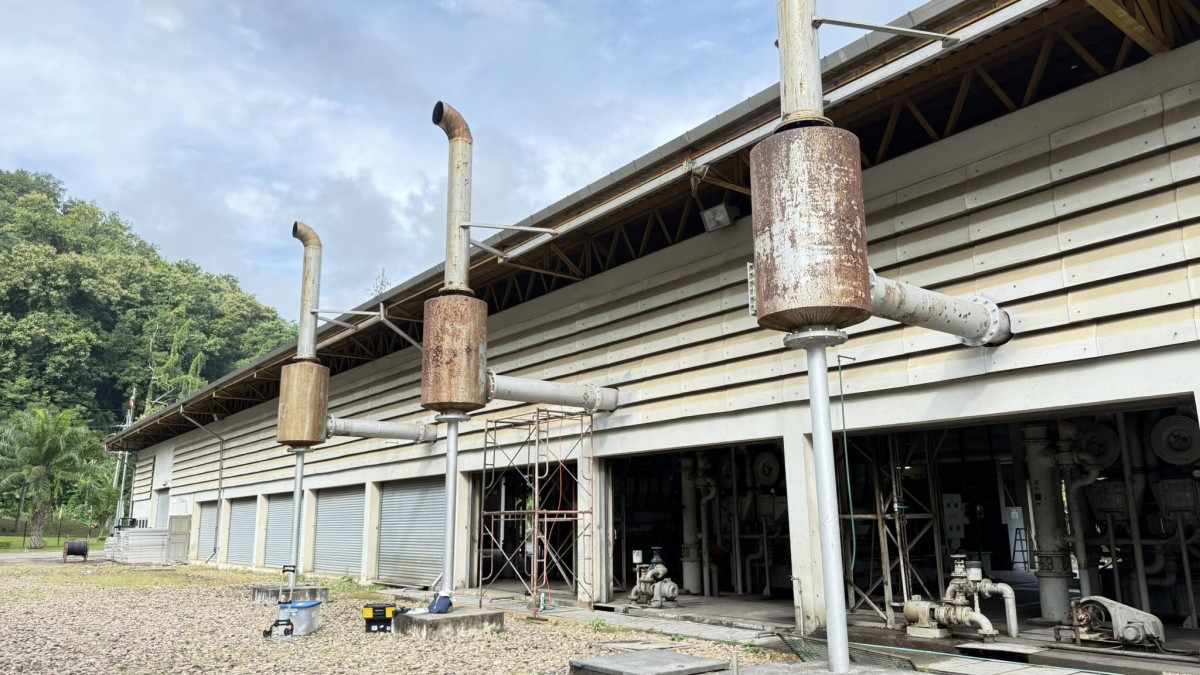
On 13–14 October 2025, three RMUTL research units collected exhaust particulate, wastewater, and native algae samples at EGAT’s Mae Hong Son Diesel Power Plant. The project investigates exhaust filtration, generator-emission control, and microalgae-based pollutant degradation, with the aim of supporting cleaner electricity generation and potential biological wastewater treatment. RMUTL subsequently discussed project progress with EGAT on 1–2 December 2025. During EGAT’s 15 July 2025 visit to RMUTL’s clean-energy research unit and energy and environmental laboratories, both parties also discussed advancing this research and applying innovations in the energy sector.
Industrial Energy Efficiency: Ceramic Drying Kiln Improvement
Through the Technology and Innovation Development Support Program (ITAP), RMUTL upgraded temperature and humidity controls and hot-air circulation at P.N. Ceramic Factory. The improved kiln system is projected to reduce energy costs by 29%, saving approximately THB 23,400 annually at 30 cycles per month.
Renewable Electricity Technologies for Communities
In fiscal year 2026, Assistant Professor Weerayut La-omornchaikul registered an invention patent for a small-scale hydroelectric turbine, which could support renewable electricity generation in remote communities and reduce reliance on fossil fuels. At the 17th Electrical Engineering Network Conference (EENET 2025), held 27–30 May 2025, RMUTL presented 17 papers and received two Outstanding Paper Awards. The recognized studies included energy technologies for coffee processing and the Khlong Ruea renewable energy microgrid, which is also being developed as a practical research and learning site with EGAT.
Institutional Energy Conservation and Sustainable Campus Management
Campus Energy Conservation Awareness
On 17 June 2025, RMUTL Chiang Rai and the Department of Alternative Energy Development and Efficiency’s Academic Service Center 7 shared energy-conservation knowledge with staff and students to encourage energy awareness and efficient energy use.
Institutional Energy Conservation Governance
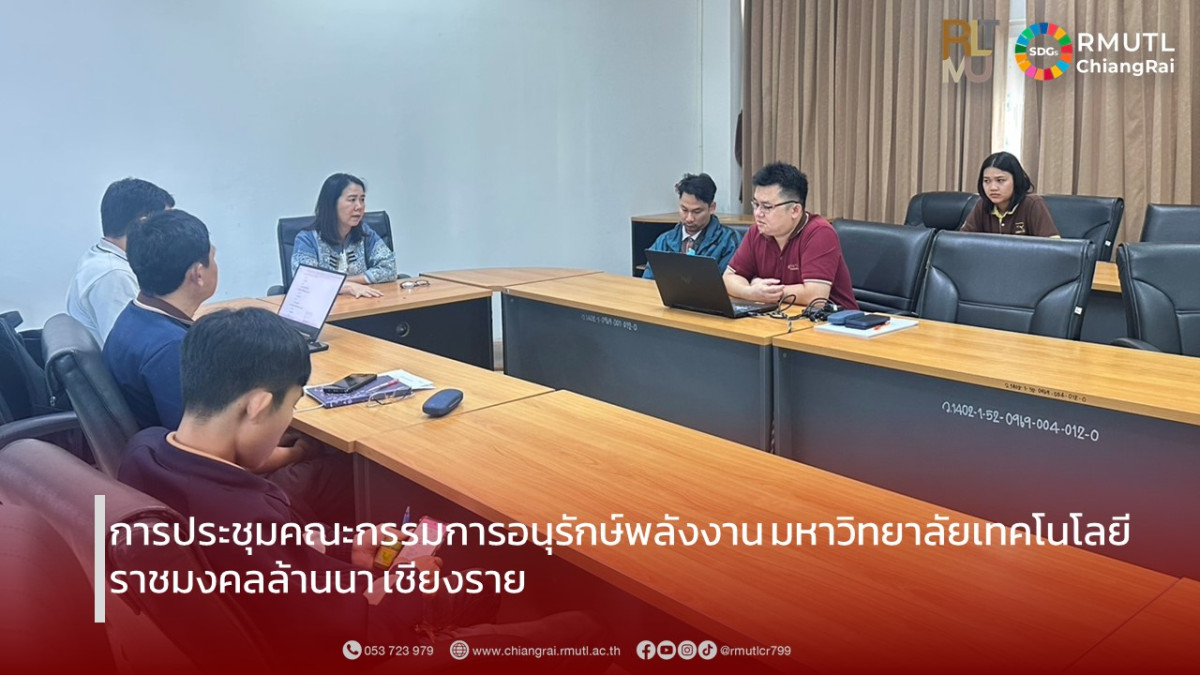
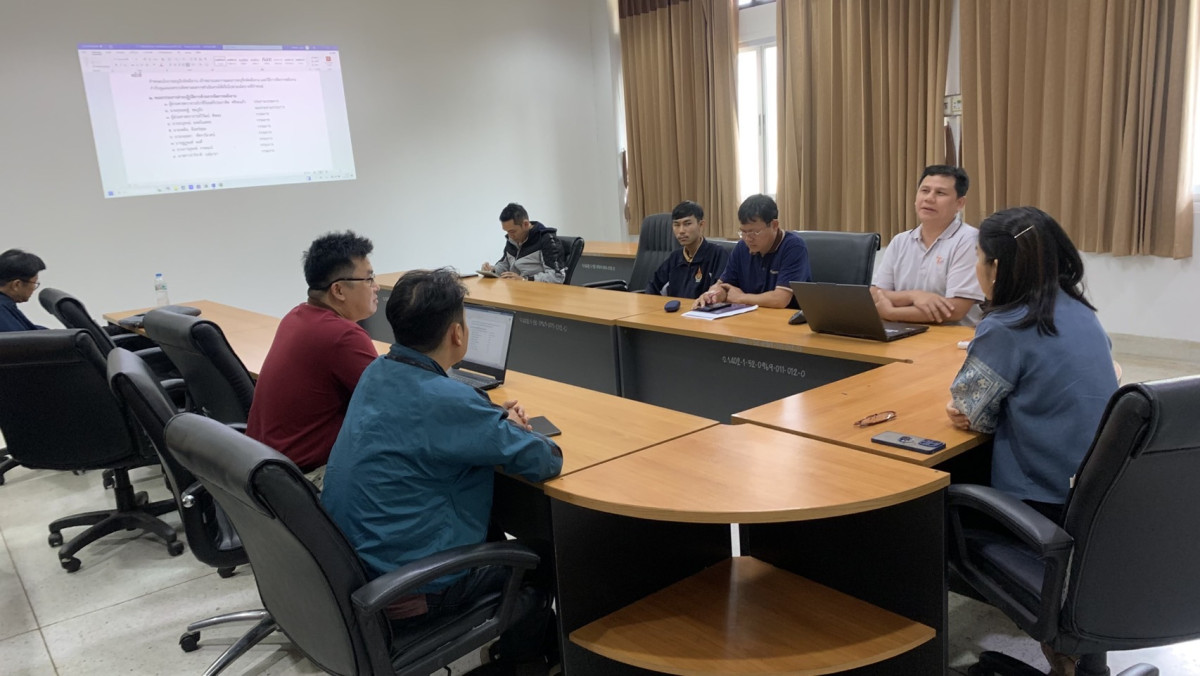
On 5 February 2025, RMUTL Chiang Rai’s Energy Conservation Unit convened its Energy Conservation Committee to review proposed conservation policies and measures and the committee appointment for 2025. The meeting supported coordinated energy management and more efficient campus energy use.
Partnerships and Community Engagement for Sustainable Energy
Clean-Energy Research and Academic Partnerships
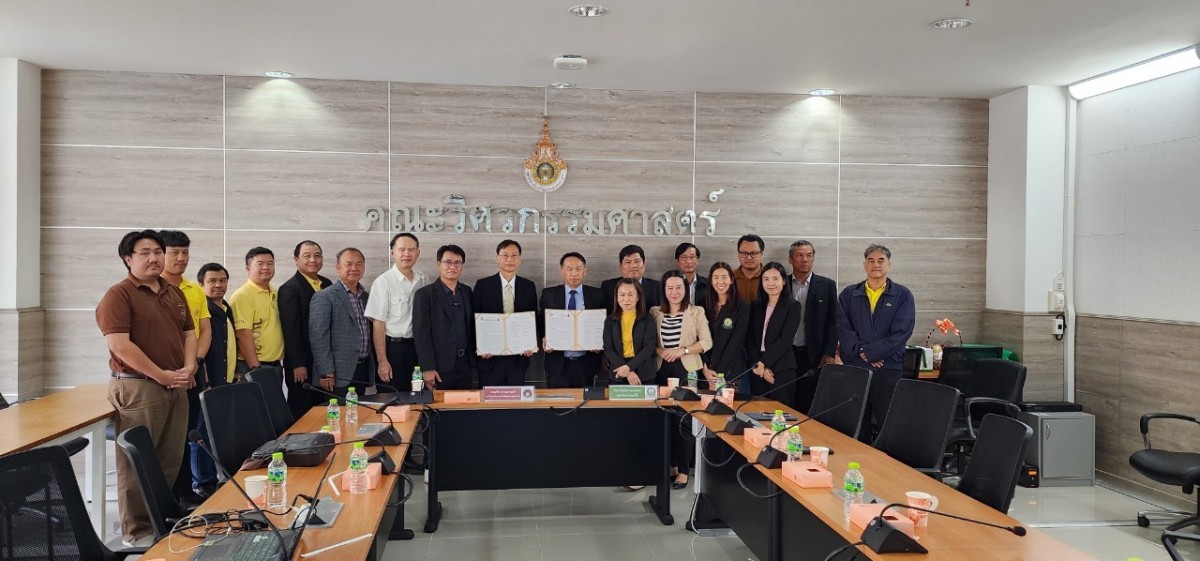
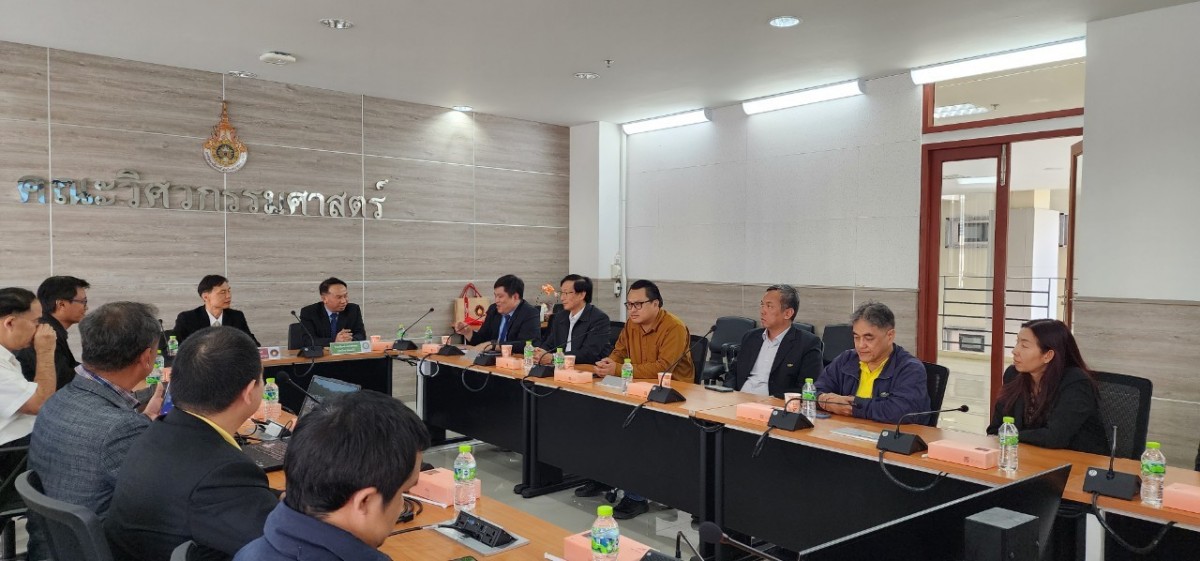
RMUTL strengthened research and academic cooperation with energy-sector and university partners. On 11 November 2025, its Clean Energy System Research Unit met with Pathumwan Institute of Technology to discuss joint research, engineering innovation, personnel development, and industry-responsive academic activities. On 6 January 2025, RMUTL’s Faculty of Engineering and Maejo University’s School of Renewable Energy signed an MOU covering teaching, research, training, upskilling, reskilling, academic services, and human-resource development.
Energy Assessments and Local Environmental Management
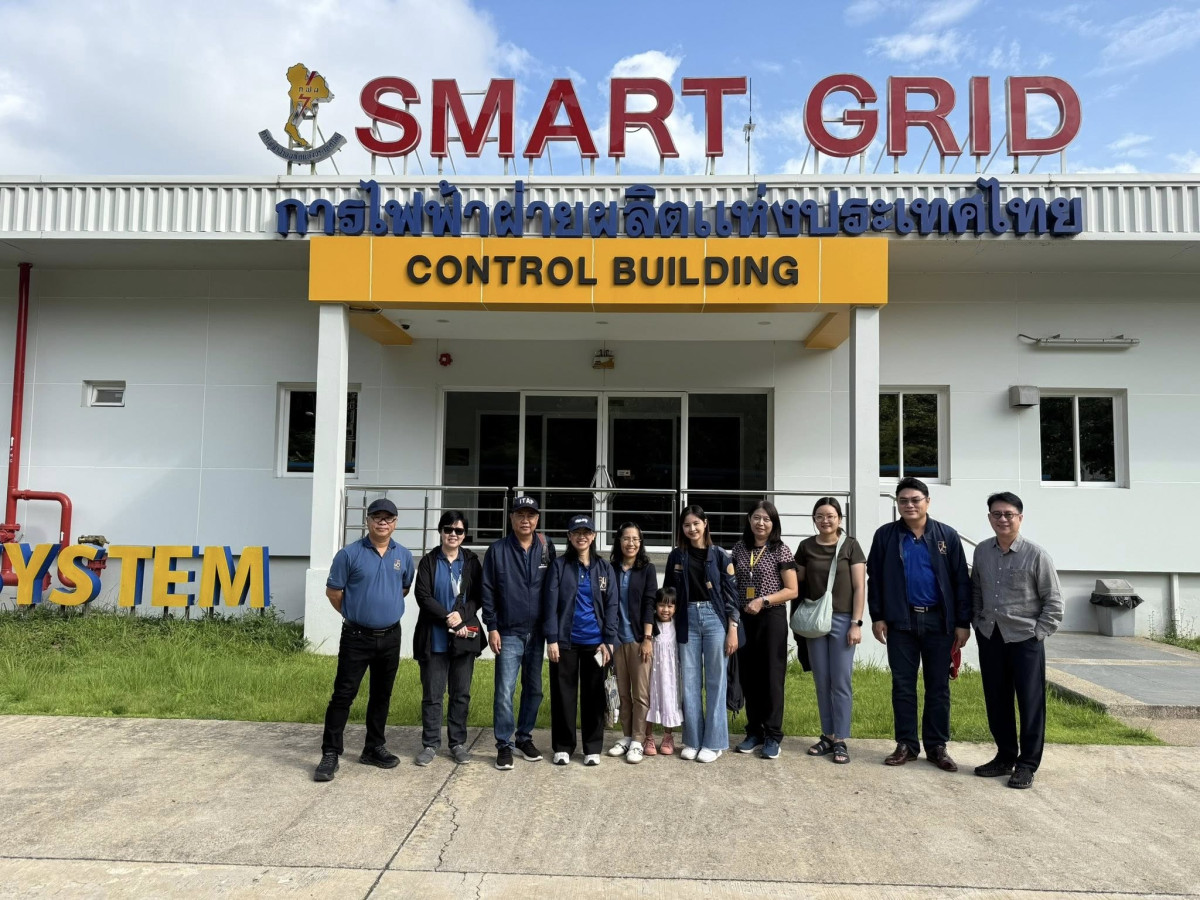
From 20–22 January 2026, RMUTL and EGAT assessed energy challenges and management needs at Wat Chan Hospital and Royal Project areas. The work included biomass management to reduce open burning and PM2.5 pollution and to identify locally appropriate approaches to emissions management and energy security.
Community Development and Clean-Energy Collaboration in Mae Sa Mai
On 9 January 2026, RMUTL’s Under the Royal Patronage Strategic Planning Group discussed collaboration with Mae Sa Mai Center on locally appropriate clean energy, agricultural-waste value addition, technical upskilling, and community products. The delegation also delivered rice products and educational equipment to Chaopho Luang Uppatham 7 School.
Clean-Energy Partnerships for Royal Project Communities
On 27 October 2025, RMUTL met with the Royal Project Foundation and EGAT to develop a framework for joint research shaped by partner and community needs. The partnership connects institutional expertise and resources with local priorities, including energy security, biomass use, pollution reduction, and community well-being.
Community Microgrid as a Living Laboratory
Following EENET 2025, RMUTL researchers visited Ban Khlong Ruea in Chumphon to review progress on a community microgrid developed with EGAT. The project aims to improve electricity security in remote areas while providing a practical learning environment for student projects, postgraduate research, and local technician training.
Through teaching and professional training, RMUTL strengthens awareness and practical skills in renewable energy and emerging energy technologies. Its research activities address key challenges in energy efficiency, cleaner electricity generation, and pollution reduction, while stewardship initiatives promote energy conservation and improved resource management. Meanwhile, outreach programs and collaborative partnerships help transfer knowledge and technologies to industries, workers, and communities, supporting local development and more sustainable energy practices.
Overall, RMUTL’s SDG 7 initiatives illustrate the importance of connecting education, innovation, institutional responsibility, and community engagement to address energy-related challenges. Continued collaboration among the university, government agencies, industry, and local communities will be essential to expanding the practical impact of these activities. By building on these efforts and strengthening the application of research and technology, RMUTL can continue contributing to improved energy efficiency, wider adoption of clean energy solutions, and sustainable development in Thailand.
Moving Forward
Advancing Clean Energy Innovation and Sustainable Energy Management
RMUTL aims to strengthen its role in promoting affordable and clean energy by integrating renewable energy education, applied research, energy efficiency, and community-oriented technology development. Building on its existing research capabilities, institutional energy conservation measures, and partnerships with government agencies and industry, the university will focus on expanding practical clean energy applications and improving the long-term sustainability of energy management.
1. Expanding Renewable Energy Education and Workforce Development. RMUTL will continue strengthening education and professional training in solar PV systems, smart grids, electric vehicle charging technologies, renewable energy integration, and energy management. Greater emphasis will be placed on hands-on learning, competency-based training, and industry collaboration to develop a skilled workforce capable of supporting the transition to cleaner energy systems.
2. Advancing Clean Energy Research and Technology Applications. The university will strengthen applied research in renewable electricity generation, energy storage, microgrids, cleaner power generation, and pollution reduction. Collaboration with EGAT, research institutions, and industry partners will support technology testing, system improvement, and the practical application of research outcomes to address energy-related challenges.
3. Strengthening Energy Efficiency and Sustainable Campus Operations. RMUTL will seek to improve institutional energy management through systematic electricity consumption monitoring, energy conservation measures, and greater use of energy-efficient technologies. The university will also explore opportunities to expand solar PV applications in suitable campus buildings and facilities, supported by technical assessments and performance monitoring.
4. Expanding Clean Energy Technology Transfer to Industry and Communities. RMUTL will build on its experience in industrial energy efficiency, renewable energy systems, and community microgrids to provide technical assistance and locally appropriate energy solutions. Greater attention will be given to supporting small and medium-sized enterprises, rural communities, and areas with limited electricity access through practical training, technology transfer, and collaborative development.
5. Improving Energy Performance Monitoring and Long-Term Impact Assessment. The university will strengthen the collection and analysis of energy-related data to evaluate the effectiveness of conservation measures, renewable energy applications, and technology transfer activities. Key areas for future monitoring will include electricity consumption, renewable energy generation, energy cost savings, greenhouse gas reductions, and the long-term operation of installed energy systems.
Through these priorities, RMUTL seeks to advance an integrated approach to sustainable energy development that connects education, innovation, institutional management, and community participation. By expanding clean energy technologies, strengthening technical capacity, and improving energy performance monitoring, the university aims to promote energy efficiency, reduce environmental impacts, and support a more resilient and sustainable energy future.