Policy Context: RMUTL’s Commitment to Poverty Reduction and Sustainable Development
Rajamangala University of Technology Lanna (RMUTL) supports poverty reduction and sustainable rural development by integrating education, applied research, technology transfer, and community engagement into its institutional strategies and academic missions. The university works with government agencies, foundations, and local development organizations to identify community needs, strengthen agricultural livelihoods, and contribute to collaborative development planning.
Through its Royal Project Foundation and Royal Initiative Project Support Program, RMUTL has continuously supported community development initiatives for more than two decades. These activities emphasize the application of appropriate technologies, research-based knowledge, and academic services to address challenges faced by rural and highland communities.
RMUTL’s approach contributes to the objectives of Sustainable Development Goal 1 (No Poverty) by supporting local development planning, agricultural productivity, livelihood opportunities, food security, and community self-reliance. The university participates in collaborative planning and implementation activities that connect institutional expertise with regional development priorities.
Two activities during the reporting period and its follow-up demonstrate RMUTL’s contribution to this approach: institutional collaboration with the Thai Young Farmers Promotion Foundation in October 2025 and participatory development planning at the Le Tor Royal Project Development Center in March 2026.
Institutional Collaboration: Strengthening Agricultural Education and Rural Livelihood Development
Date: October 3, 2025
Venue: Rajamangala University of Technology Lanna, Chiang Mai, Thailand
Partners: RMUTL and the Thai Young Farmers Promotion Foundation under the Royal Patronage of Her Royal Highness Princess Maha Chakri Sirindhorn
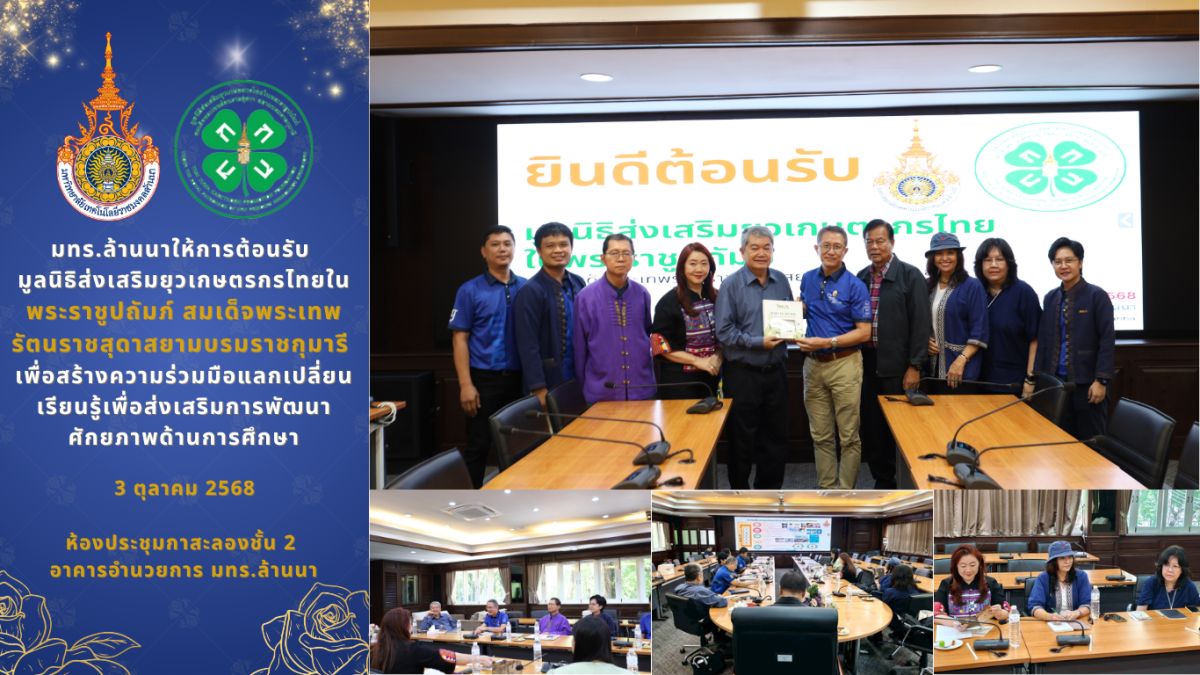
On October 3, 2025, RMUTL welcomed representatives of the Thai Young Farmers Promotion Foundation under the Royal Patronage of Her Royal Highness Princess Maha Chakri Sirindhorn to discuss institutional cooperation, exchange development approaches, and explore opportunities to strengthen education and agricultural capabilities among young Thai farmers.
The meeting was led by Assistant Professor Somkiat Wongpanich, Vice President of RMUTL, together with representatives of the university administration and the Royal Project Support Program. The foundation’s delegation was led by Araya Sarikabhuti, President of the Foundation, accompanied by members of its governing committee.
During the discussions, RMUTL presented its institutional vision, educational mission, and role as a university dedicated to practical education, science, technology, and innovation for community development. The university also outlined its long-standing involvement in Royal Project initiatives, including academic services, knowledge transfer, and the application of appropriate technologies to support agricultural communities.
The meeting provided an opportunity for both organizations to exchange experiences, discuss operational challenges, and identify potential approaches to future cooperation. Particular attention was given to strengthening agricultural education, research applications, and practical skills development among young farmers.
The Thai Young Farmers Promotion Foundation emphasized the importance of providing young farmers with access to reliable agricultural knowledge, research, modern technologies, and vocational skills that can support sustainable agricultural practices and future employment opportunities.
Key Objectives and Policy Linkages
The collaboration focused on several priorities relevant to inclusive rural development:
- Agricultural education and skills development: Expanding opportunities for young farmers to access practical education, agricultural knowledge, and modern technologies.
- Institutional knowledge exchange: Sharing experiences and identifying approaches to strengthen cooperation between educational institutions and agricultural development organizations.
- Sustainable agricultural livelihoods: Promoting knowledge and skills that can improve agricultural practices and strengthen future livelihood opportunities.
- Collaborative development planning: Identifying operational challenges and potential solutions that can inform future programs and institutional cooperation.
The activity reflects RMUTL’s contribution to developing institutional partnerships that support rural education and agricultural development. By promoting access to knowledge and practical skills, the collaboration addresses factors associated with economic vulnerability and limited livelihood opportunities.
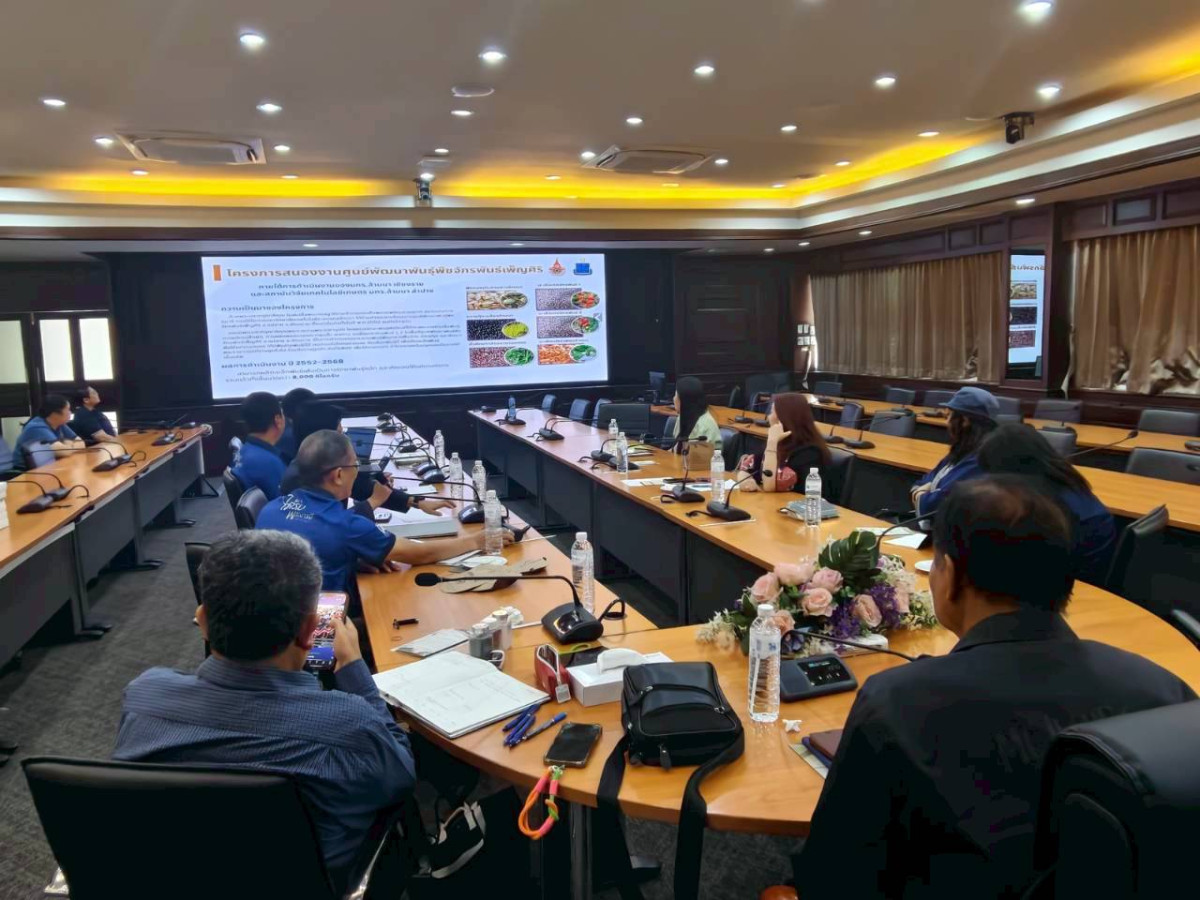
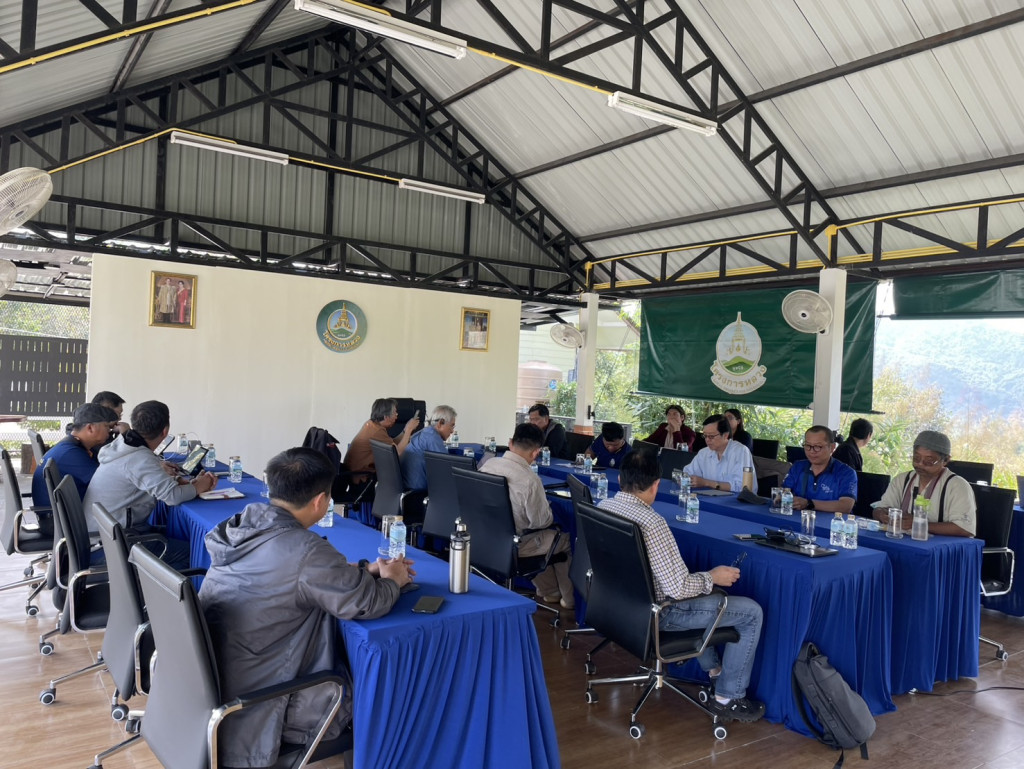
Figure 1. RMUTL administrators and representatives of the Thai Young Farmers Promotion Foundation exchange knowledge and discuss institutional cooperation to strengthen agricultural education, skills development, and sustainable rural livelihoods.
Implementation Outcomes and Next Steps
The meeting established a platform for institutional dialogue and knowledge exchange between RMUTL and the foundation.
It also identified opportunities to develop future collaborative activities involving agricultural education, technology transfer, research applications, and youth development.
The collaboration provides a basis for strengthening educational support for young farmers and connecting academic expertise with rural development needs. Further cooperation may contribute to improving agricultural skills, expanding livelihood opportunities, and supporting long-term community economic resilience.
Source:
RMUTL Strengthens Collaboration with the Thai Young Farmers Promotion Foundation, October 3, 2025
Field Implementation: Participatory Development Planning for Sustainable Highland Communities
Venue: Le Tor Royal Project Development Center, Mae Tuen Subdistrict, Mae Ramat District, Tak Province, Thailand
Partners: RMUTL, Le Tor Royal Project Development Center, and regional development partners
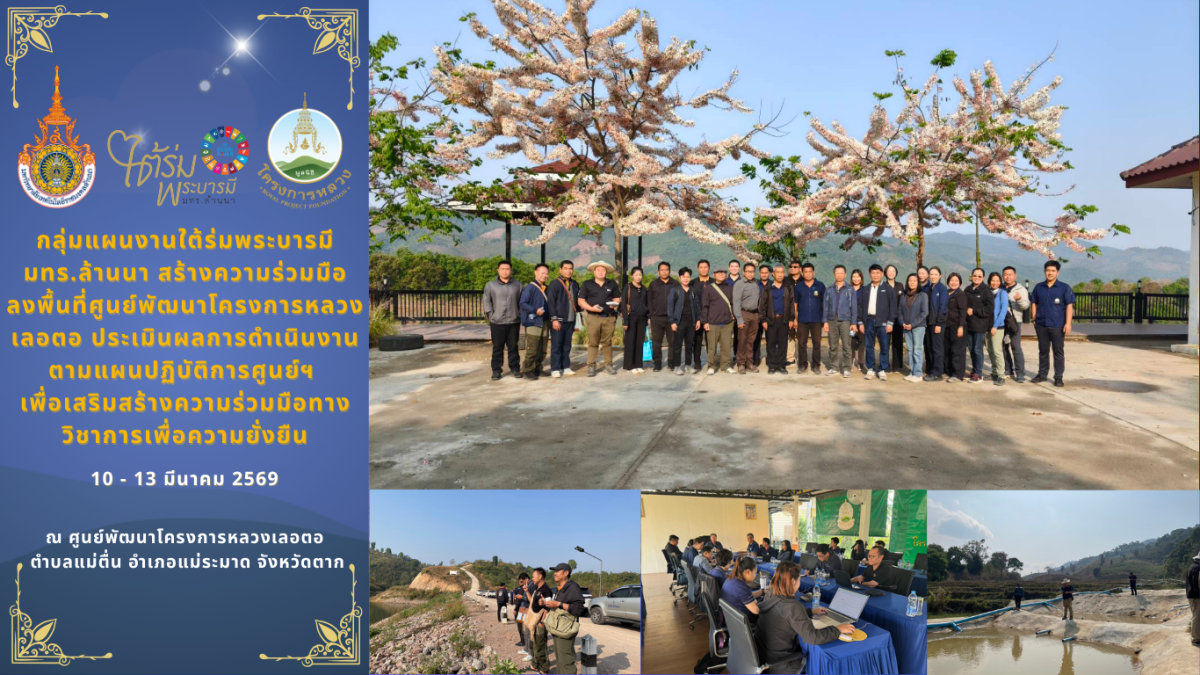
As part of its continuing engagement in sustainable rural development, RMUTL participated in field assessments and collaborative planning activities at the Le Tor Royal Project Development Center. The activities were coordinated through RMUTL’s Royal Project Support Program and led by Assistant Professor Worachet Muangjai, Director of the Institute of Technology Transfer to the Community and Head of the Royal Project Support Program. The university delegation included faculty members, researchers, and personnel from relevant academic and administrative units, including RMUTL Tak and the Faculty of Arts and Architecture.
The field mission focused on monitoring and evaluating the implementation of the center’s existing action plan, strengthening cooperation with development partners, and developing a collaborative academic support plan for 2026–2027. The participants also contributed to the preparation of a five-year development planning framework for 2028–2032.
These activities demonstrate RMUTL’s participation in operational planning and evaluation processes that support sustainable highland agriculture and community development.
Key Objectives and Policy Linkages
The field mission involved discussions with the center’s management and personnel, reviews of implementation progress, and assessments of community development needs.
The activities addressed six development areas:
| Development Area | Planning and Assessment Focus | Relevance to Poverty Reduction |
|---|---|---|
| Water Resource Management | Assessment of Mae Hin Luang Noi Reservoir and water storage and distribution systems | Supporting access to water resources needed for agricultural production and community livelihoods |
| Environmental Management | Review of waste sorting facilities and local waste management practices | Improving environmental conditions and supporting sustainable community resource management |
| Forest Resource Conservation | Assessment of forest development and restoration initiatives | Strengthening environmental sustainability and the natural resource base of rural communities |
| Sustainable Highland Agriculture | Review of agricultural development practices, soil management, and appropriate technologies | Supporting agricultural productivity, farmer capabilities, and food security |
| Community Handicrafts and Agricultural Processing | Assessment of local occupational development and value-added production opportunities | Supporting livelihood diversification and local enterprise development |
| Community Capacity Development | Identification of community needs and potential academic and technical assistance | Strengthening local skills, institutional cooperation, and long-term community self-reliance |
The field team examined development progress, discussed operational challenges, and identified opportunities to apply university research and technical expertise to community needs.
The planning process emphasized sustainable agricultural development, environmental protection, improved agricultural production, and stronger community capabilities.
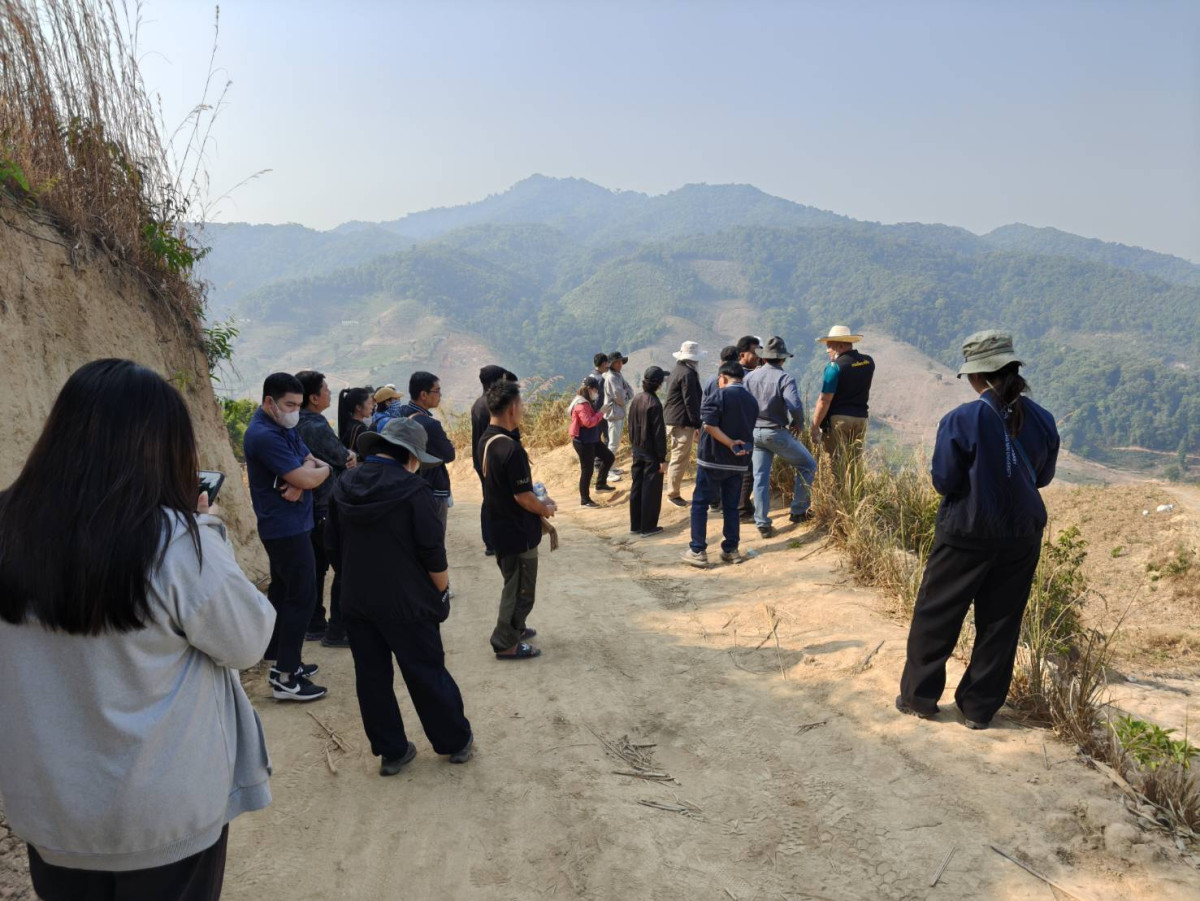
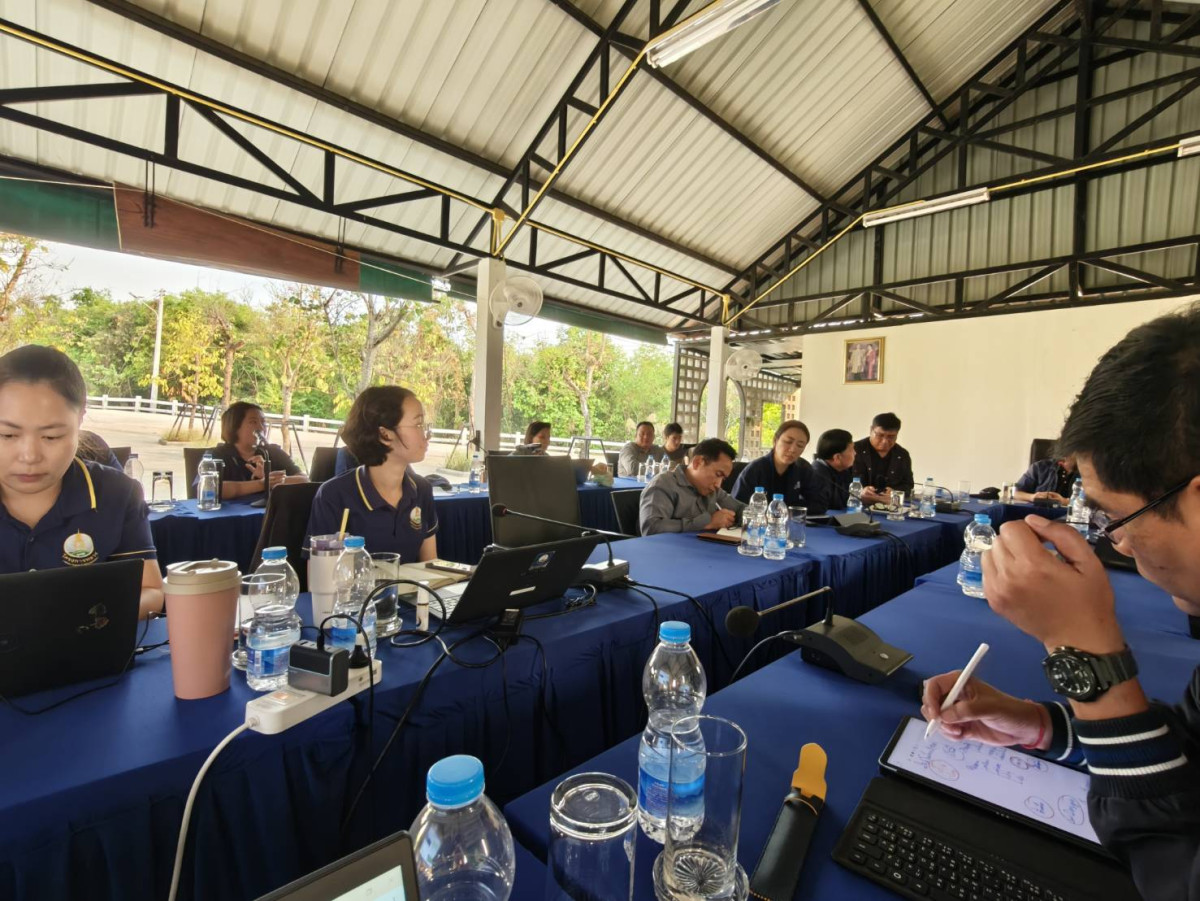
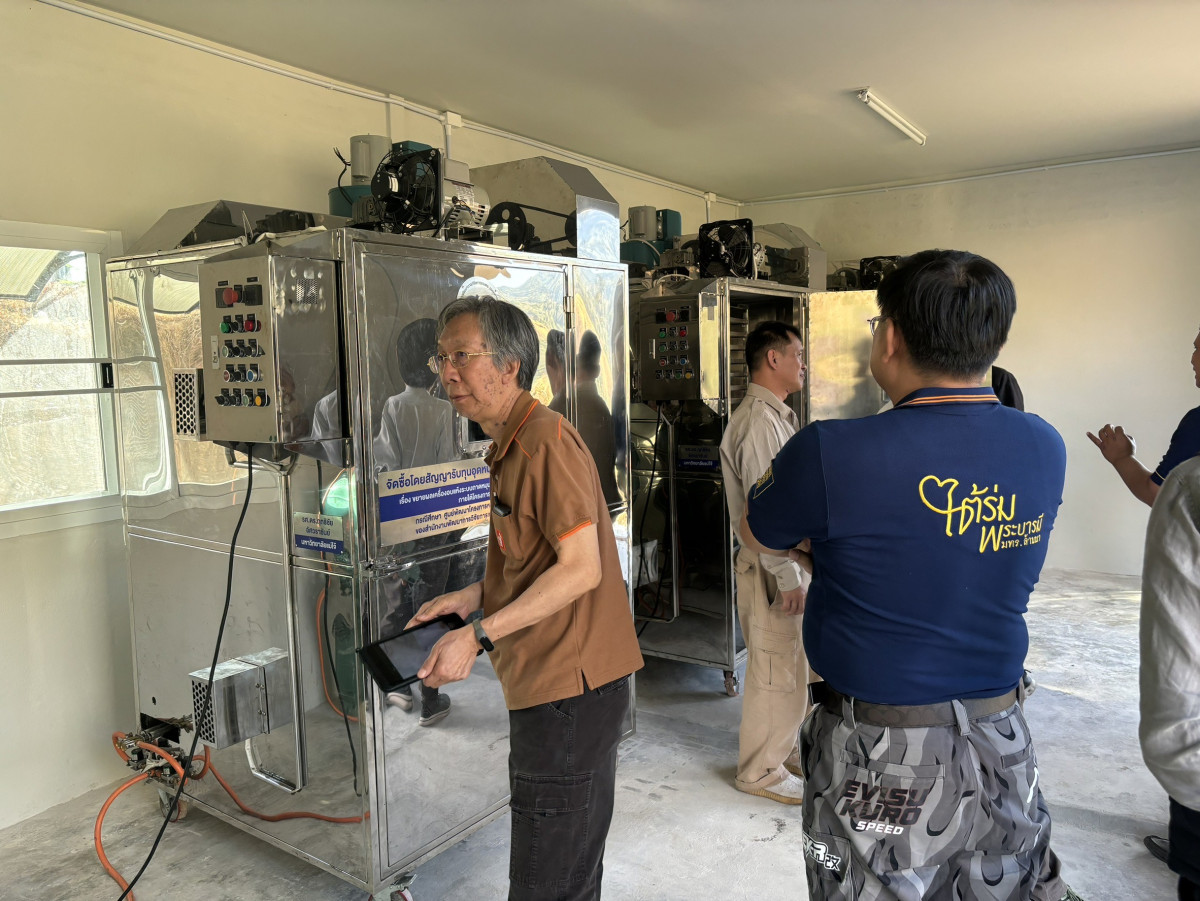
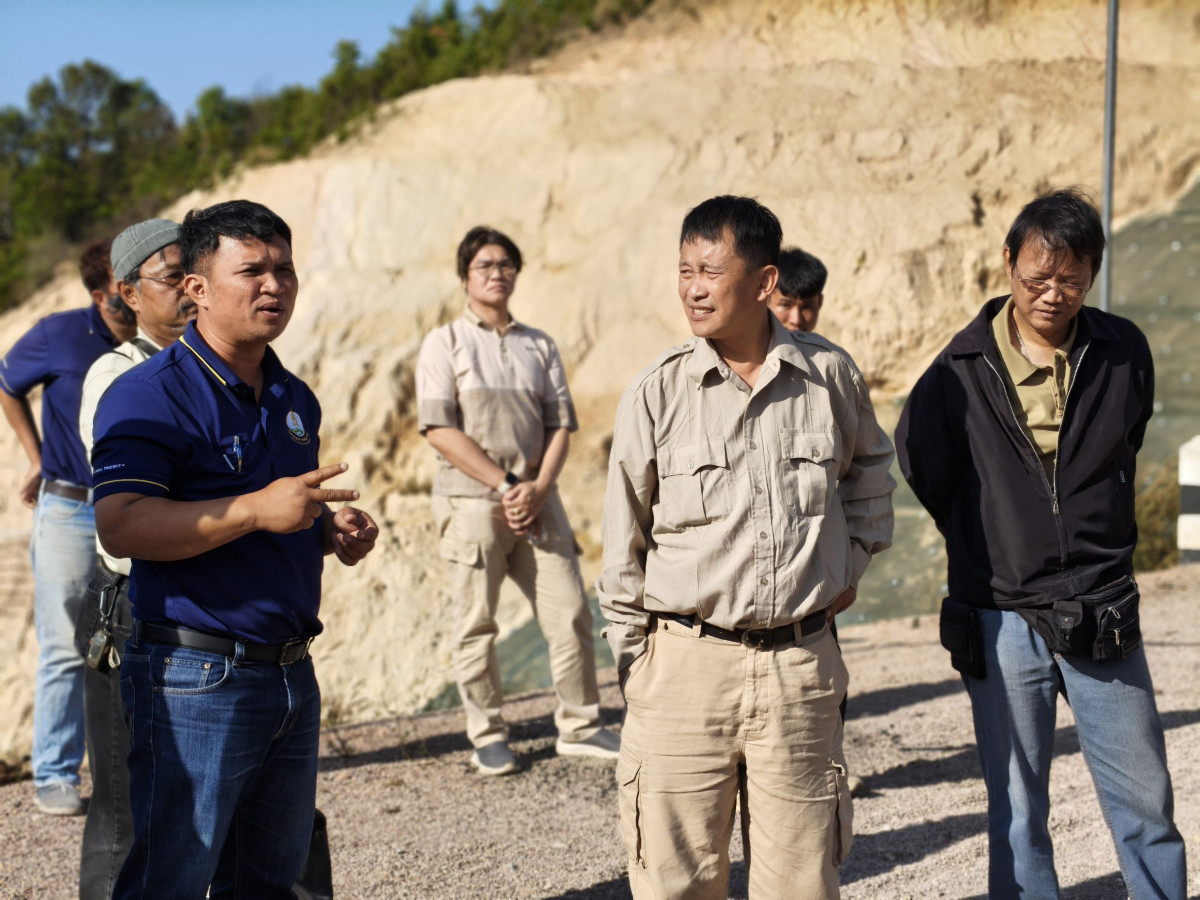
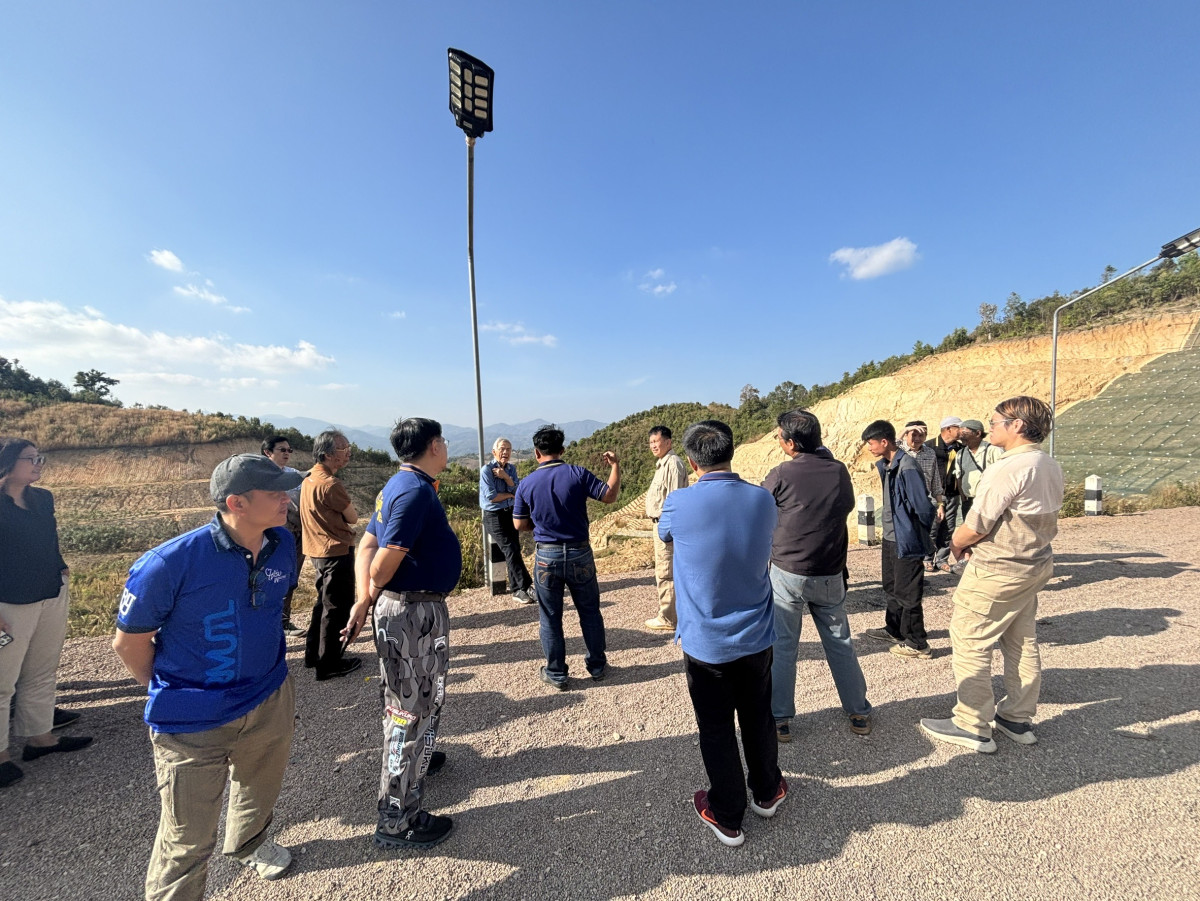
Figure 2. RMUTL faculty members, researchers, and development partners assess ongoing activities and participate in collaborative planning for sustainable agriculture, resource management, and community livelihood development at Le Tor Royal Project Development Center.
Participatory Planning and Development Frameworks
An important outcome of the field mission was RMUTL’s participation in the development of collaborative planning frameworks for the center.
The university and participating development partners discussed two planning periods:
- 2026–2027 Collaborative Action Plan: Strengthening academic cooperation, identifying technical support priorities, and coordinating activities that address agricultural and community development needs.
- 2028–2032 Five-Year Development Framework: Establishing a longer-term direction for highland agricultural development, environmental sustainability, community capacity building, and institutional cooperation.
These planning processes provide mechanisms for incorporating academic expertise and community development priorities into coordinated regional programs.
RMUTL’s contributions focused on identifying opportunities to apply research, appropriate technologies, and academic services to agricultural productivity, soil and water management, product development, and community livelihood improvement.
The activities illustrate the university’s participation in development planning at the local and regional levels through coordination with the Royal Project Development Center and relevant partners.
Implementation Outcomes and Next Steps
The field assessment and collaborative planning activities contributed to:
- Reviewing progress under the center’s existing action plan and identifying operational challenges.
- Supporting the preparation of collaborative development plans for 2026–2027.
- Contributing to a five-year development planning framework for 2028–2032.
- Identifying technical assistance priorities related to water management, sustainable agriculture, environmental conservation, and agricultural processing.
- Strengthening cooperation among academic personnel, development agencies, and local stakeholders.
- Supporting future initiatives intended to improve food security, agricultural productivity, and community self-reliance.
By participating in these planning and evaluation processes, RMUTL contributed to the coordination of development activities that address important dimensions of rural poverty, including livelihood security, access to productive resources, and agricultural resilience.
Source:
Policy Linkage and Contribution to SDG 1: No Poverty
RMUTL’s institutional collaboration and field-based planning activities demonstrate its role as an academic partner in supporting sustainable rural development.
In 2025, the university strengthened institutional cooperation with the Thai Young Farmers Promotion Foundation to explore opportunities for agricultural education, knowledge transfer, and youth development. These activities supported dialogue and future program development related to sustainable agricultural livelihoods. The field mission at Le Tor Royal Project Development Center provided additional evidence of RMUTL’s direct participation in collaborative development planning. The university contributed to monitoring existing action plans, identifying community development priorities, and developing short- and long-term cooperation frameworks with regional partners. Together, these activities demonstrate how RMUTL contributes to local and regional development through institutional cooperation, technical expertise, participatory planning, and academic engagement. The initiatives address poverty-related challenges by supporting agricultural knowledge, access to productive resources, livelihood development, food security, and community resilience.
RMUTL continues to strengthen its contribution to SDG 1 by working with development partners to translate academic knowledge into practical community development activities and support sustainable, inclusive growth in northern Thailand.