Rajamangala University of Technology Lanna (RMUTL) continues to strengthen its commitment to meaningful education for sustainable development through an institutional approach combining curriculum integration, core general education, and optional learning opportunities for students.
Throughout 2025 and early 2026, the university advanced academic initiatives aimed at connecting knowledge, professional skills, and social responsibility with the United Nations Sustainable Development Goals (SDGs).
Integrating Sustainability into University-Wide Education
One of the university’s priorities has been strengthening the integration of sustainability-related learning across academic disciplines.
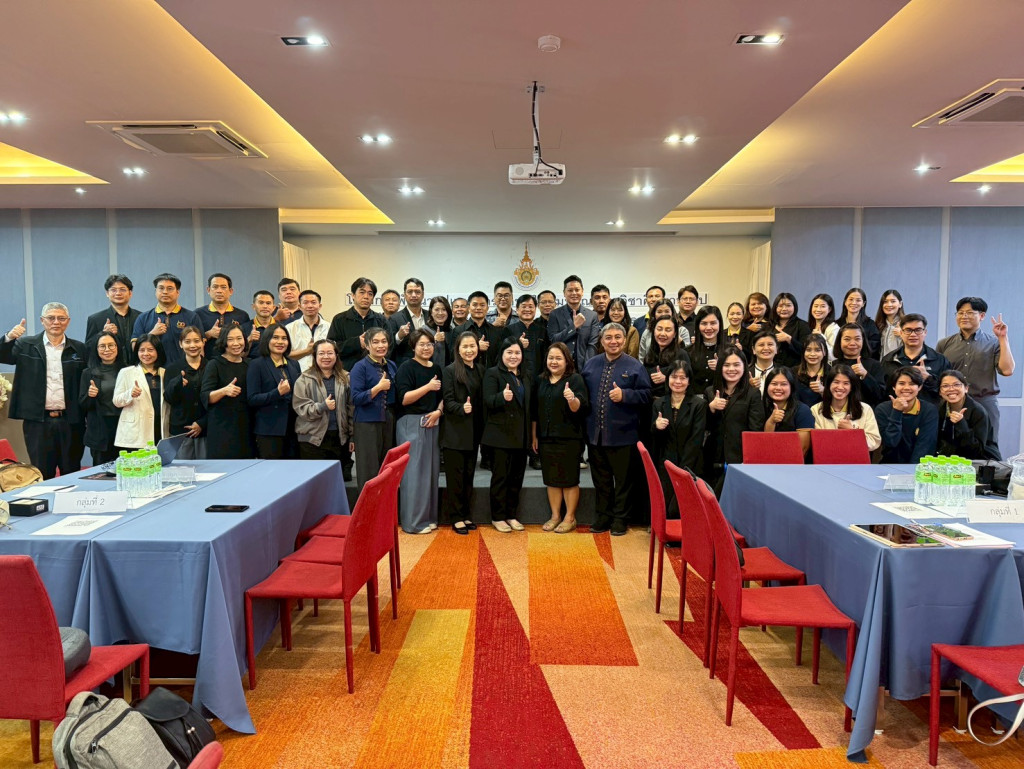
In May 2025, RMUTL organized a university-wide General Education Curriculum Development Workshop involving representatives from all six campuses and academic units. The workshop focused on establishing consistent learning outcomes, developing interdisciplinary teaching approaches, and strengthening the relationship between general education and professional programmes.
The university’s general education course offerings include subjects covering environmental sustainability, innovation, health, responsible citizenship, and social development. These courses allow students from different fields to connect their academic knowledge with contemporary sustainability challenges.
Building a Common Foundation through Core Education
RMUTL also provides a structured general education framework as part of undergraduate degree requirements.
The university’s 24-credit general education structure aims to develop essential competencies beyond students’ specialized academic disciplines, including communication, critical thinking, responsible citizenship, and the capacity to respond to social and economic change.
In December 2025, the university further strengthened this approach through a workshop on team-based teaching and entrepreneurship education. The initiative encouraged faculty members to develop integrated learning experiences that connect theoretical knowledge with practical applications.
By maintaining a common academic foundation while providing sustainability-related subjects, RMUTL seeks to promote broader awareness of responsible development among students from different academic backgrounds.
Expanding Optional Sustainability Learning Opportunities
Beyond regular coursework, RMUTL offers extracurricular activities that enable students to explore sustainable development through practical experiences.
One example is the RMUTL Startup Launchpad Hackathon 2025, which invited students from all faculties and year levels at the Chiang Mai campus to participate in entrepreneurship workshops and innovation activities.
The programme included an “SDGs in Action” learning component, encouraging participants to integrate sustainable development considerations into business ideas and proposed solutions.
These optional activities complement classroom learning by encouraging students to apply knowledge, work across disciplines, and address real-world social, economic, and environmental issues.
Strengthening Meaningful Education for Sustainable Development
Together, these initiatives demonstrate RMUTL’s continuing efforts to connect sustainability with different aspects of university education.
The combination of university-wide curriculum development, compulsory general education requirements, sustainability-related course options, and voluntary student learning activities provides multiple opportunities for students to encounter and apply sustainability principles.
By continuing to strengthen both formal and extracurricular education, RMUTL aims to prepare graduates who can apply professional knowledge responsibly, contribute to their communities, and participate in building a more sustainable future.


