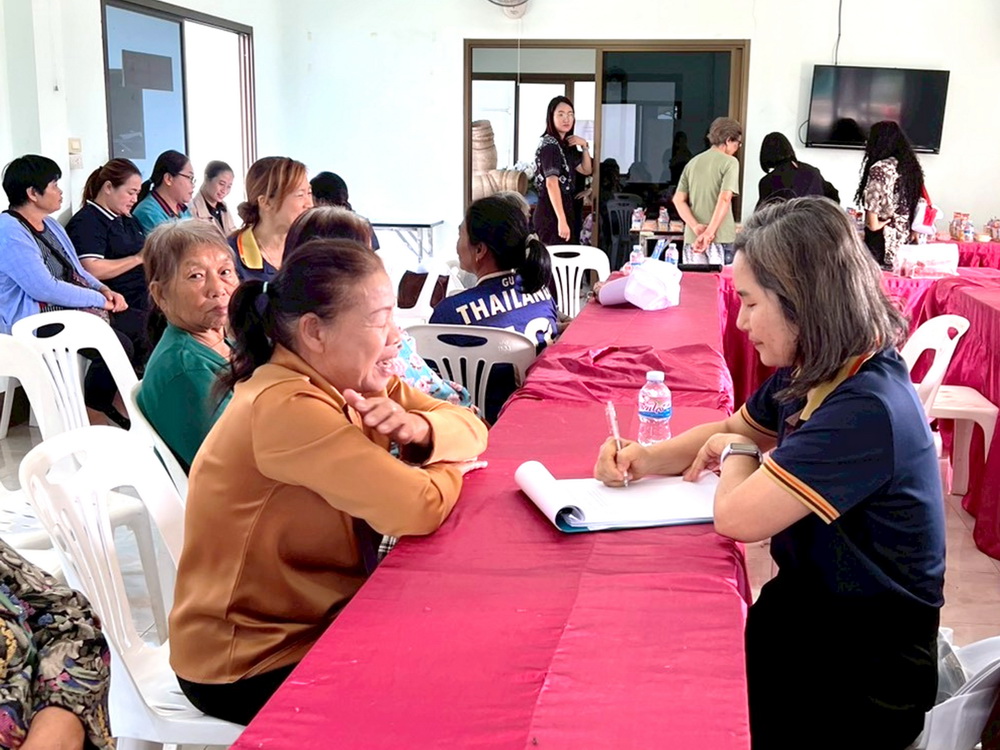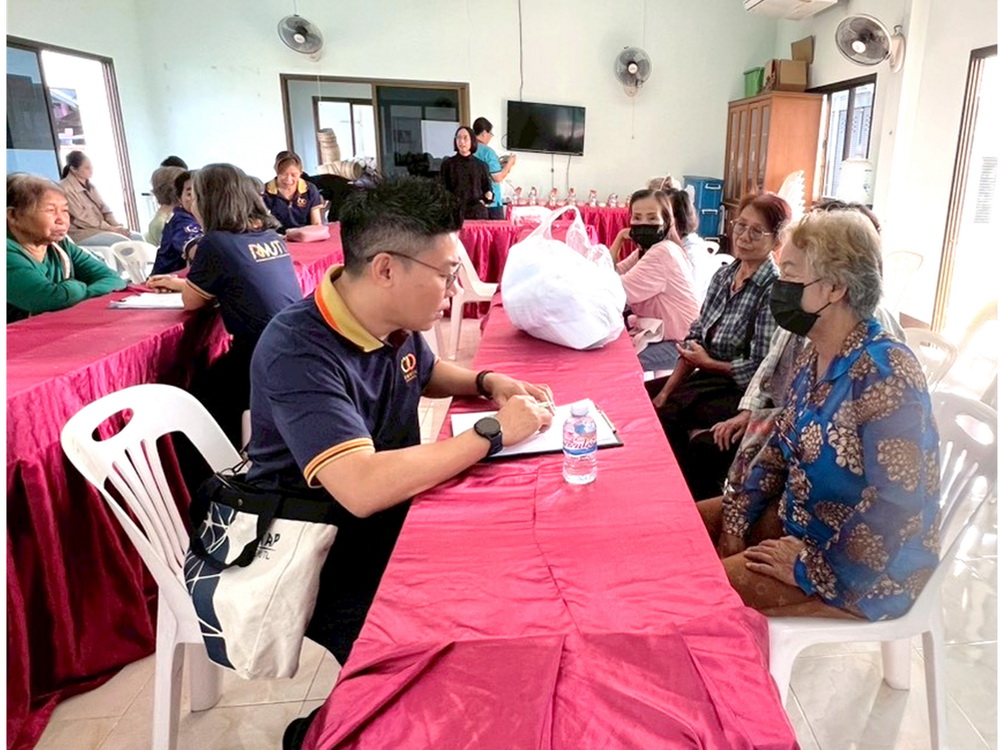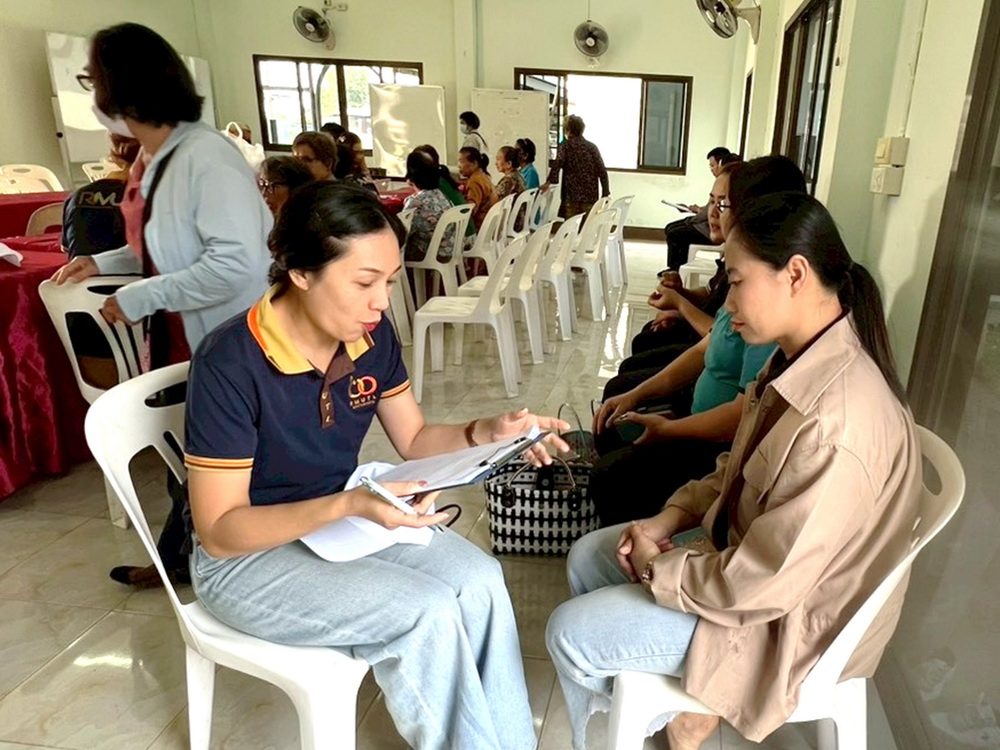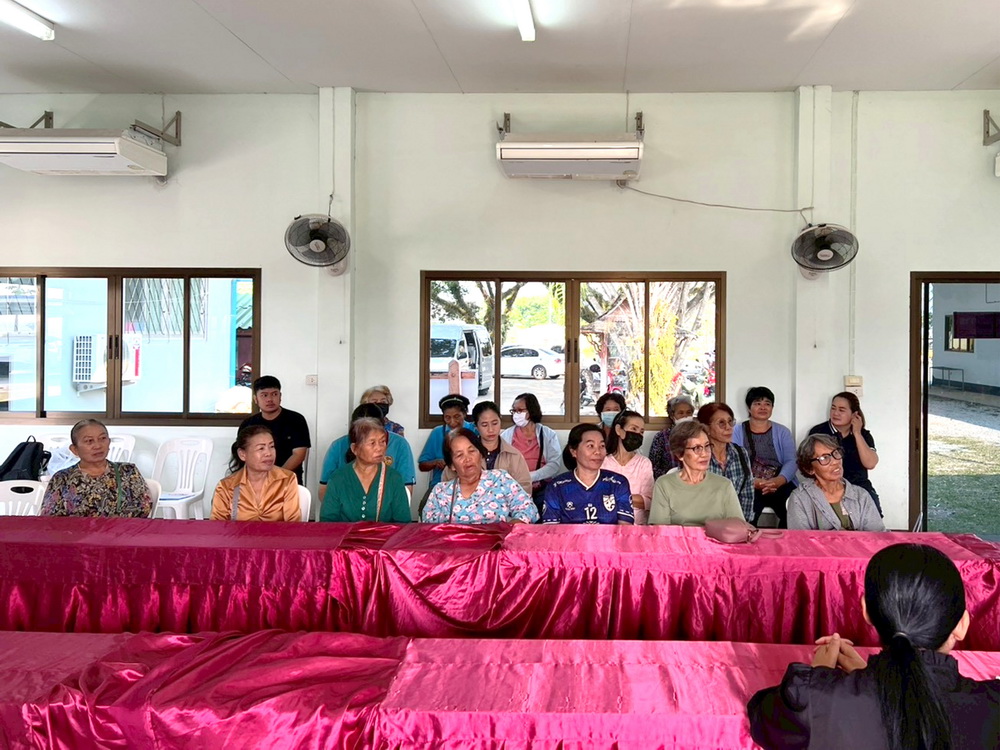
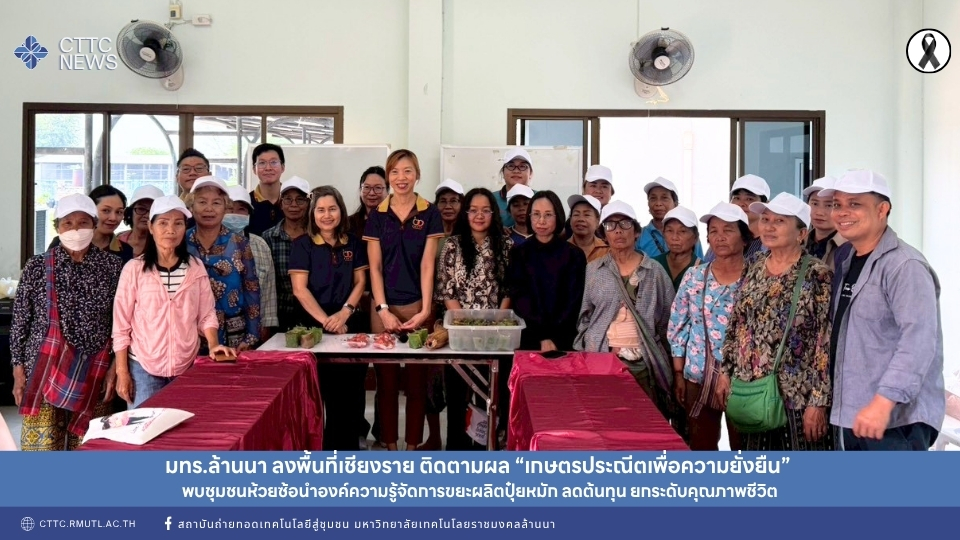
25 March 2026 – Rajamangala University of Technology Lanna (RMUTL), through the Community Technology Transfer Institute, conducted a follow-up field visit in Chiang Rai Province as part of the “Impact Assessment Project of RMUTL Academic Services for Highland and Royal Initiative Communities, Fiscal Year 2025.” The activity aimed to assess how local residents and communities apply university knowledge to improve livelihoods, strengthen self-reliance, and enhance quality of life.
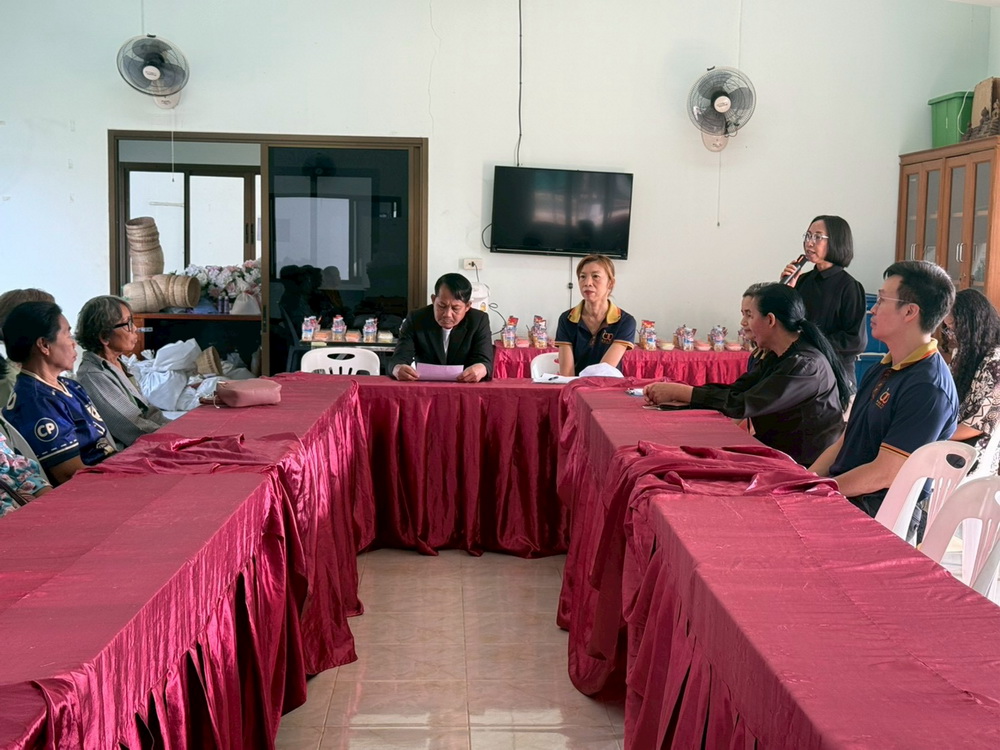
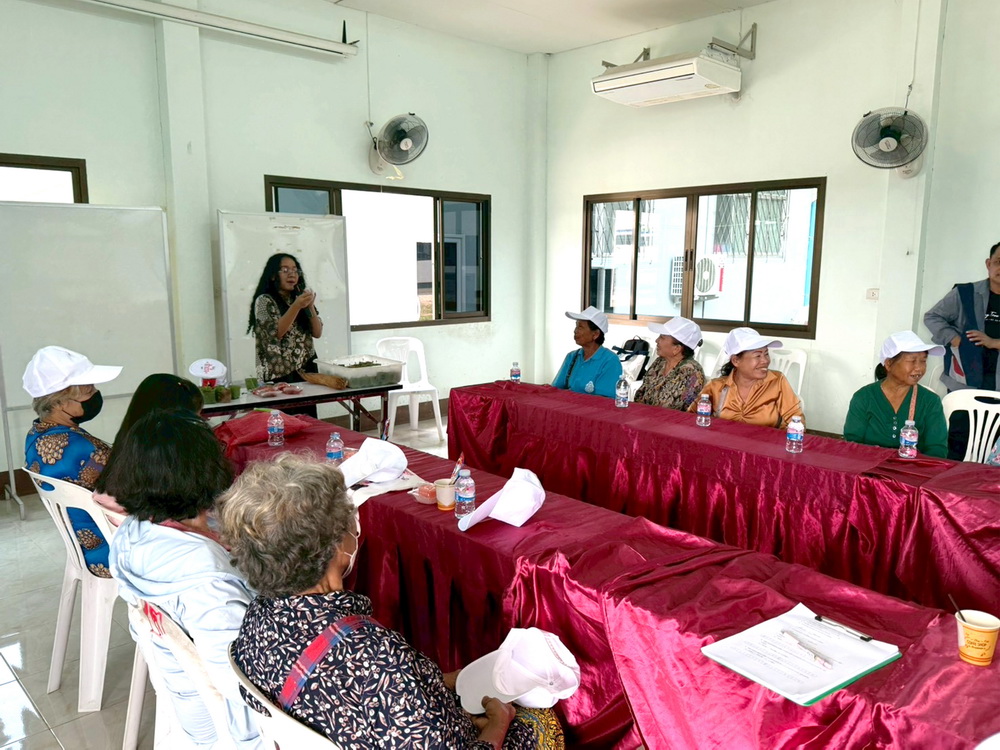
The field visit focused on the “Sustainable Intensive Agriculture System Development Project” at the Chakraband Pensiri Plant Development Center in Pong Pha Subdistrict, Mae Sai District, Chiang Rai Province. Through its outreach educational activities and community-based education, RMUTL transferred practical knowledge on agricultural management, vegetable production, and the efficient use of local resources to support sustainable community development.
From Knowledge Transfer to Practical Community Application
The follow-up assessment demonstrated the application of university knowledge by local residents, particularly among communities in Huai So Subdistrict Municipality, Chiang Khong District, Chiang Rai Province. Community members were able to apply the knowledge and practical skills transferred by RMUTL to vegetable production for both household consumption and income generation.
The communities also applied sustainability knowledge by converting agricultural residues and household organic waste into compost for community vegetable plots. This practice contributes to reducing agricultural production costs and household waste while promoting resource efficiency based on the principles of the circular economy.
These outcomes demonstrate that RMUTL’s academic outreach extends beyond the initial transfer of knowledge. By following up on how communities apply the knowledge in practice, the university can assess the contribution of its sustainability education and community-based learning activities to local livelihoods, food security, resource efficiency, and sustainable development.
Education for SDGs in the Wider Community
RMUTL’s activities demonstrate the university’s commitment to extending educational opportunities beyond the campus through outreach educational activities for local residents and communities. The transfer and practical application of university knowledge, technology, and expertise enable communities to strengthen agricultural capacity, improve self-reliance, reduce waste, and use local resources more sustainably.