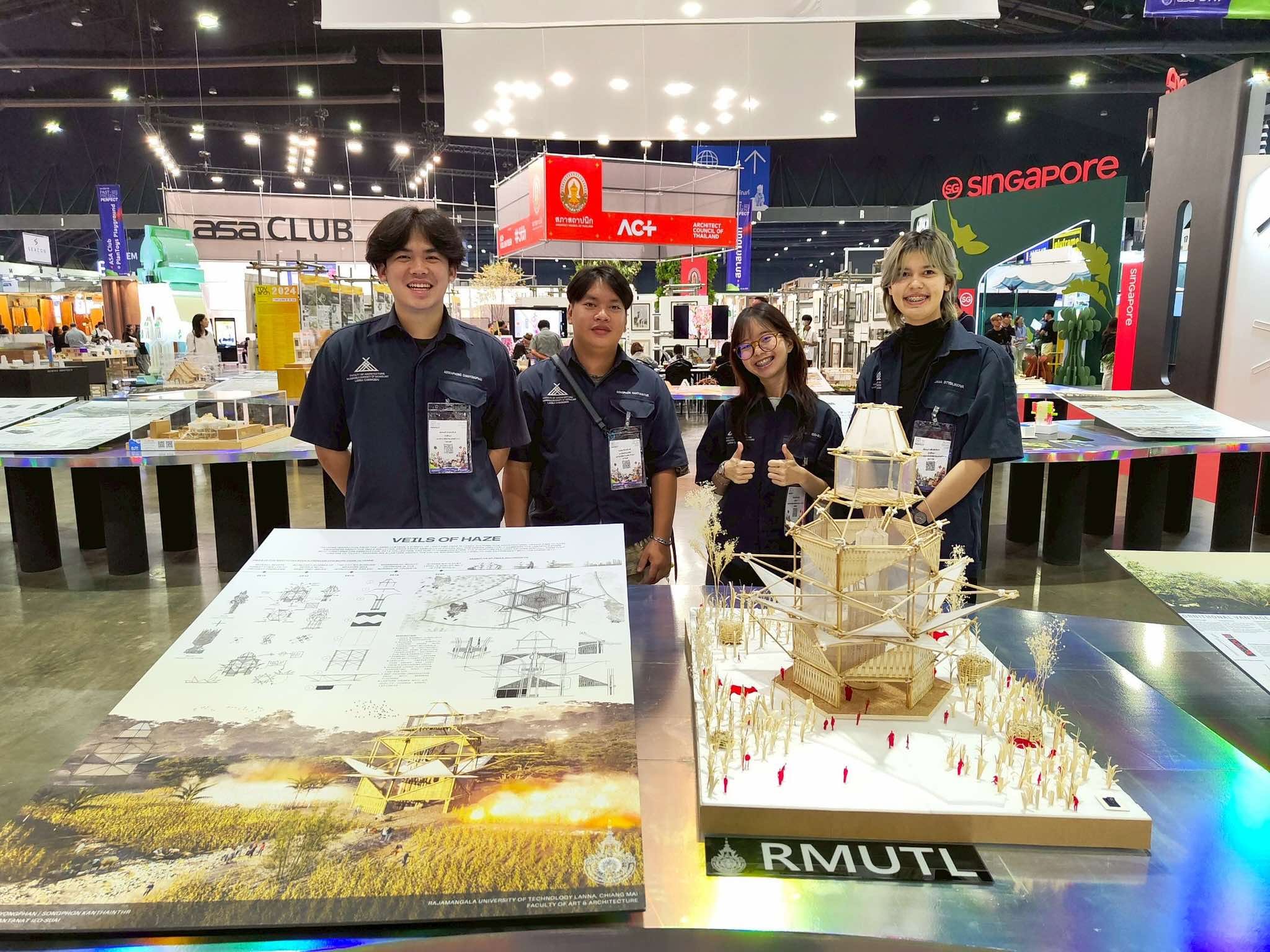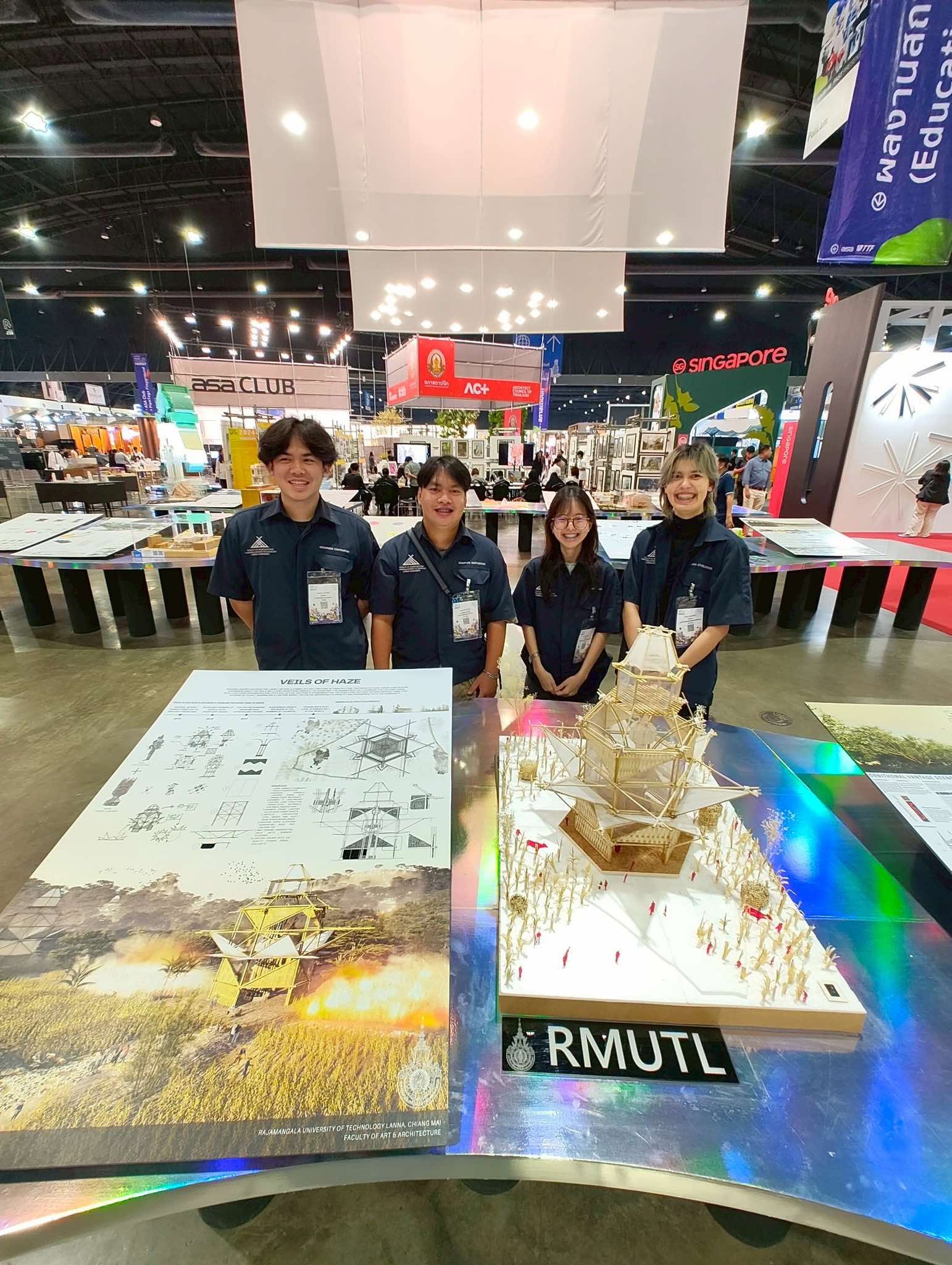
From local schools and highland communities to agricultural enterprises and international learning partnerships, RMUTL extends practical education, professional skills, and knowledge transfer to support inclusive lifelong learning and sustainable community development.
Rajamangala University of Technology Lanna (RMUTL) advances SDG 4: Quality Education by extending educational opportunities beyond its enrolled students through off-campus teaching, community-based training, practical workshops, and collaborative learning programs.
Throughout the reporting period, the university delivered educational outreach initiatives through its faculties, the Community Technology Transfer Institute, and the Royal Project Foundation and King’s Recommended Project Supporting Center. These activities brought academic expertise directly to schools, communities, agricultural development centers, and local organizations, while also providing external learners with opportunities to access university laboratories and specialized educational resources.
RMUTL’s educational outreach extends beyond conventional classroom instruction. Its initiatives integrate science and technology education, vocational training, agricultural innovation, environmental sustainability, cultural preservation, and international academic exchange. Through these activities, faculty members, researchers, staff, and students contribute to knowledge transfer and practical skills development among children, youth, farmers, community enterprises, and working professionals.
By combining targeted educational activities with ongoing community development programs and institutional partnerships, RMUTL strengthens access to applied education, encourages lifelong learning, and supports communities in developing the knowledge and competencies needed for sustainable livelihoods.
Overview of Educational Outreach Activities
| Faculty / Institute | Activity Title | Location | Participants | Main Focus / Outcomes |
|---|---|---|---|---|
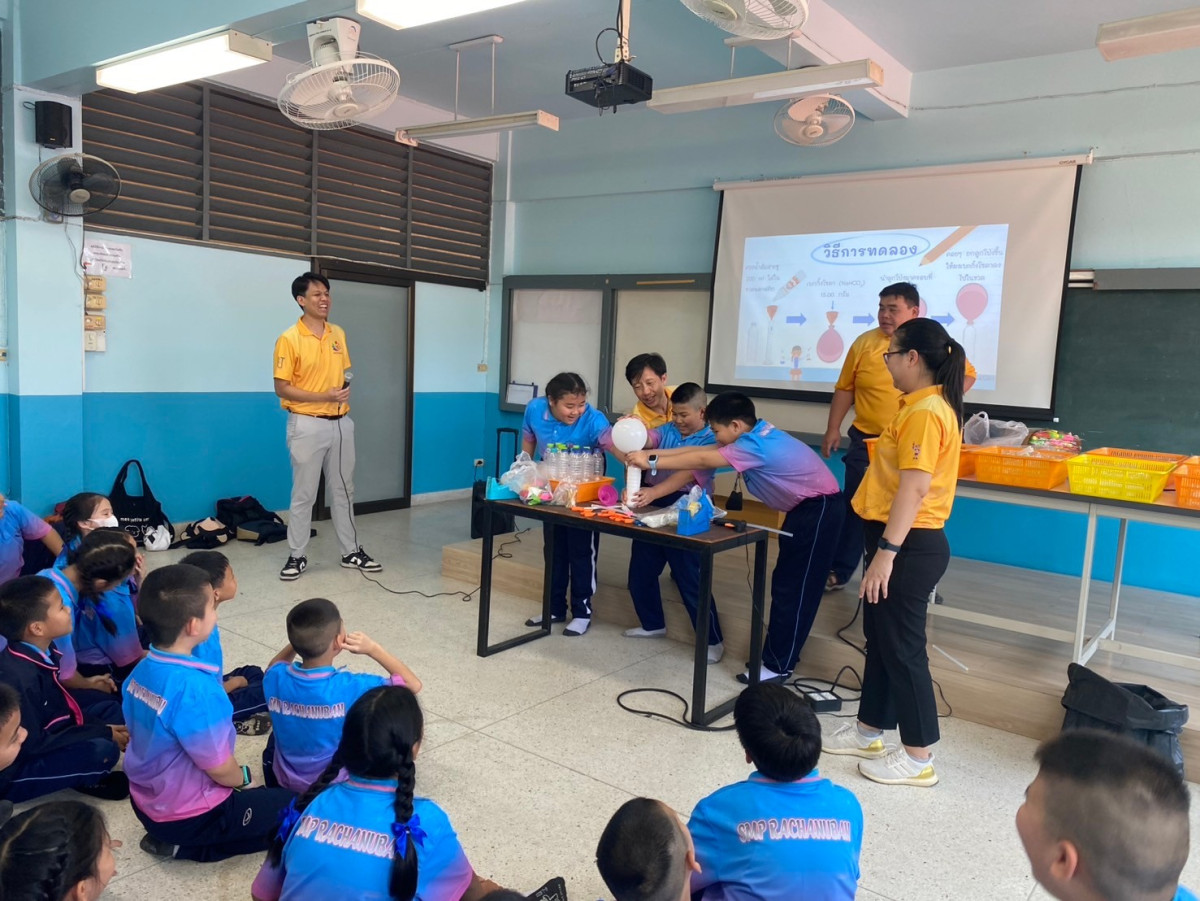
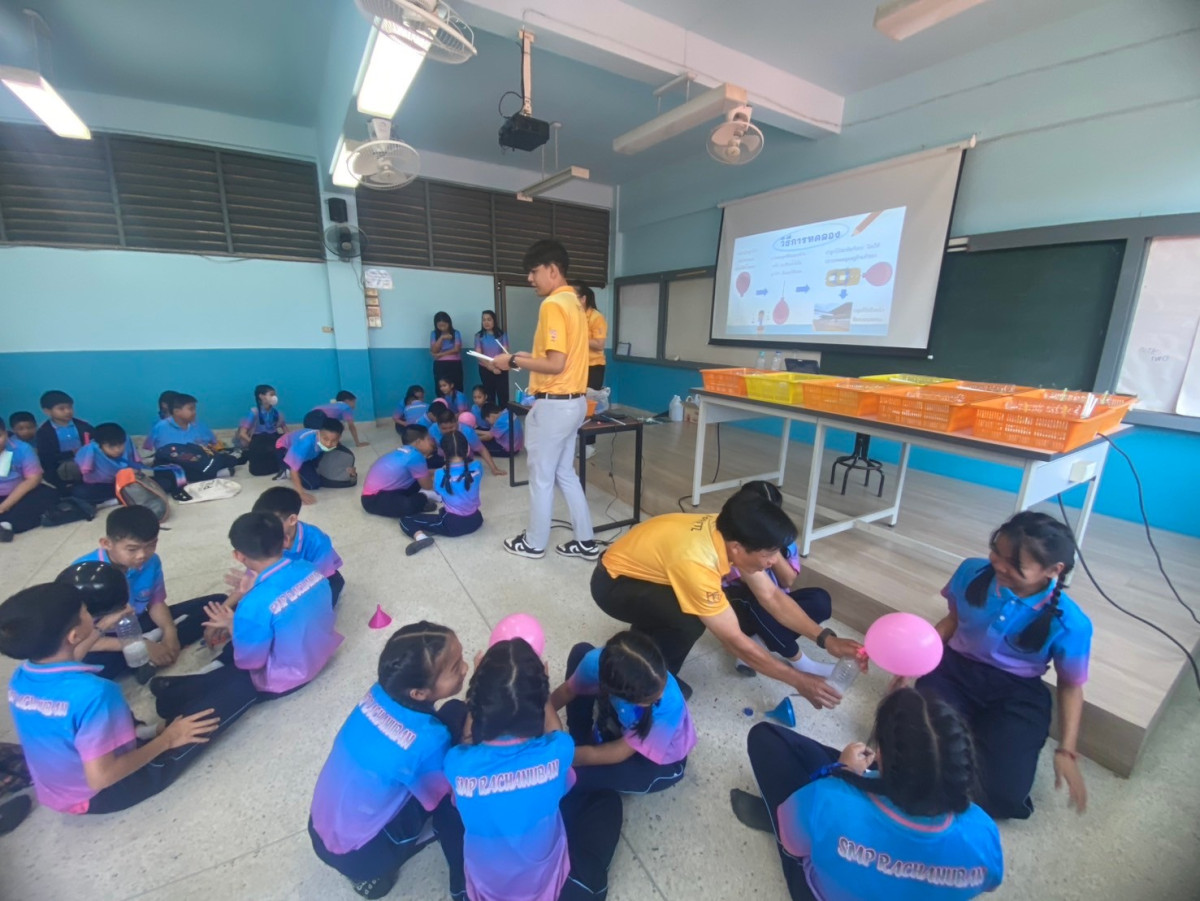
| Faculty of Science and Agricultural Technology, RMUTL Nan | Creative Science Learning Workshops | Nan | 84 fourth-grade students | Scientific curiosity, practical experiments, and foundational STEM skills |
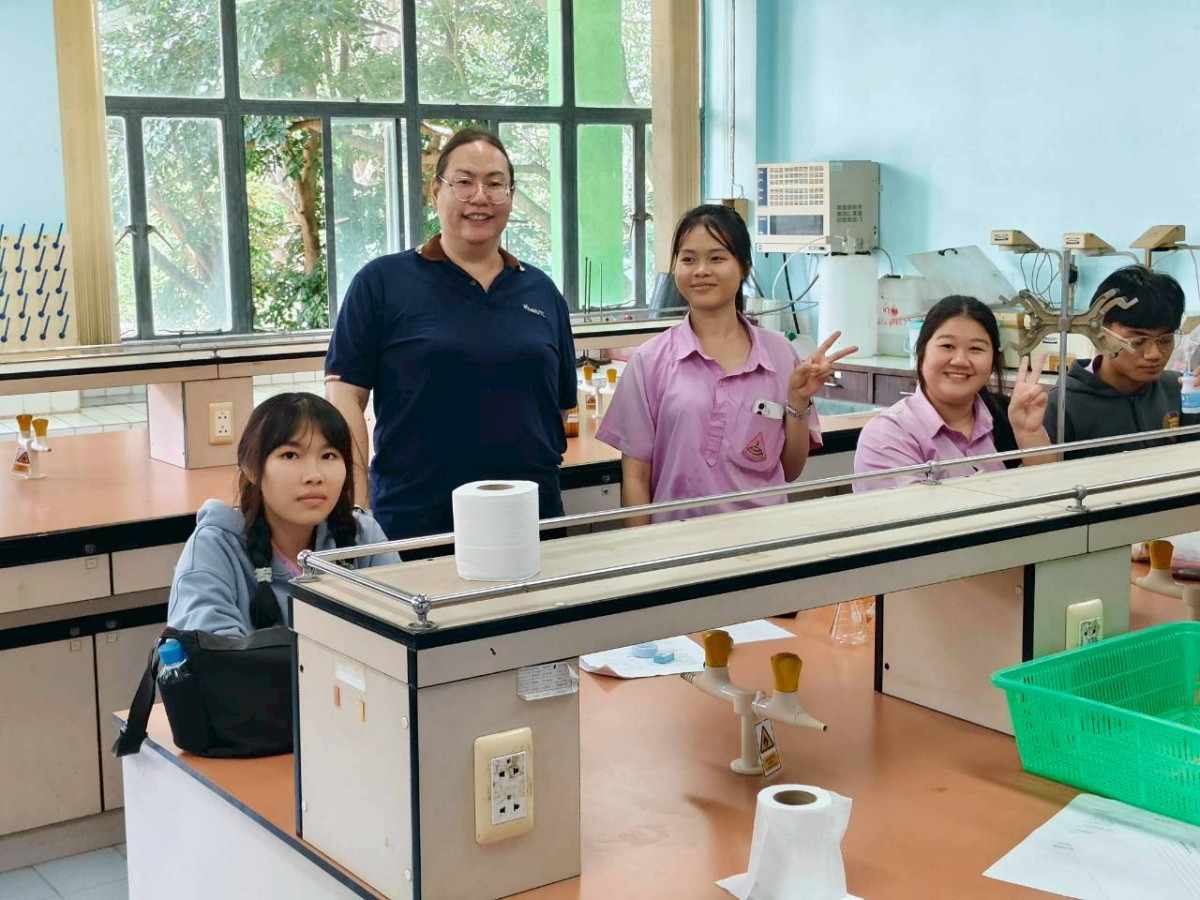
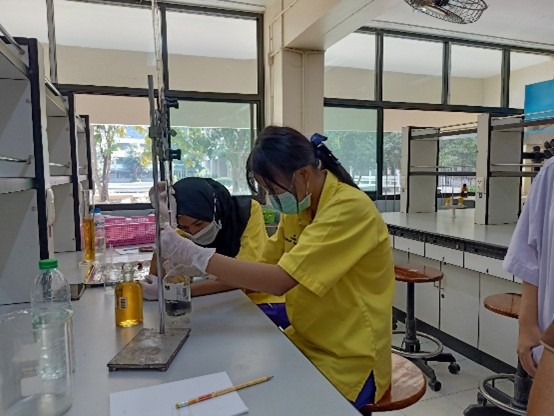
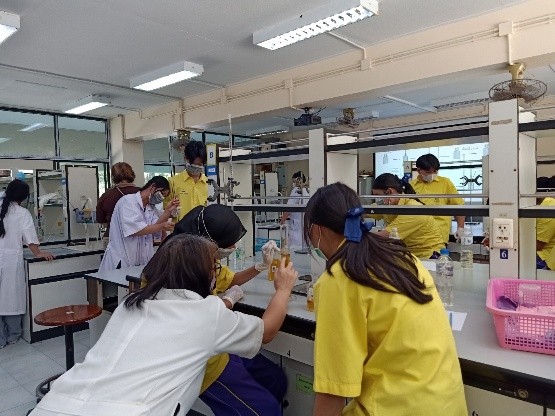
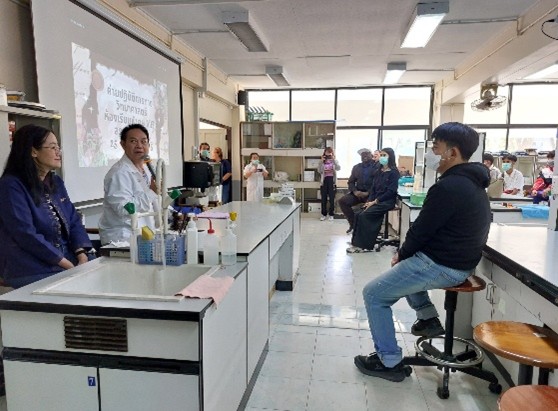
| Faculty of Science and Agricultural Technology, RMUTL Tak | Science Laboratory Workshops | RMUTL Tak | Ninth- and twelfth-grade students from Sapphawittayakhom School | Laboratory competencies, scientific analysis, and educational pathways |
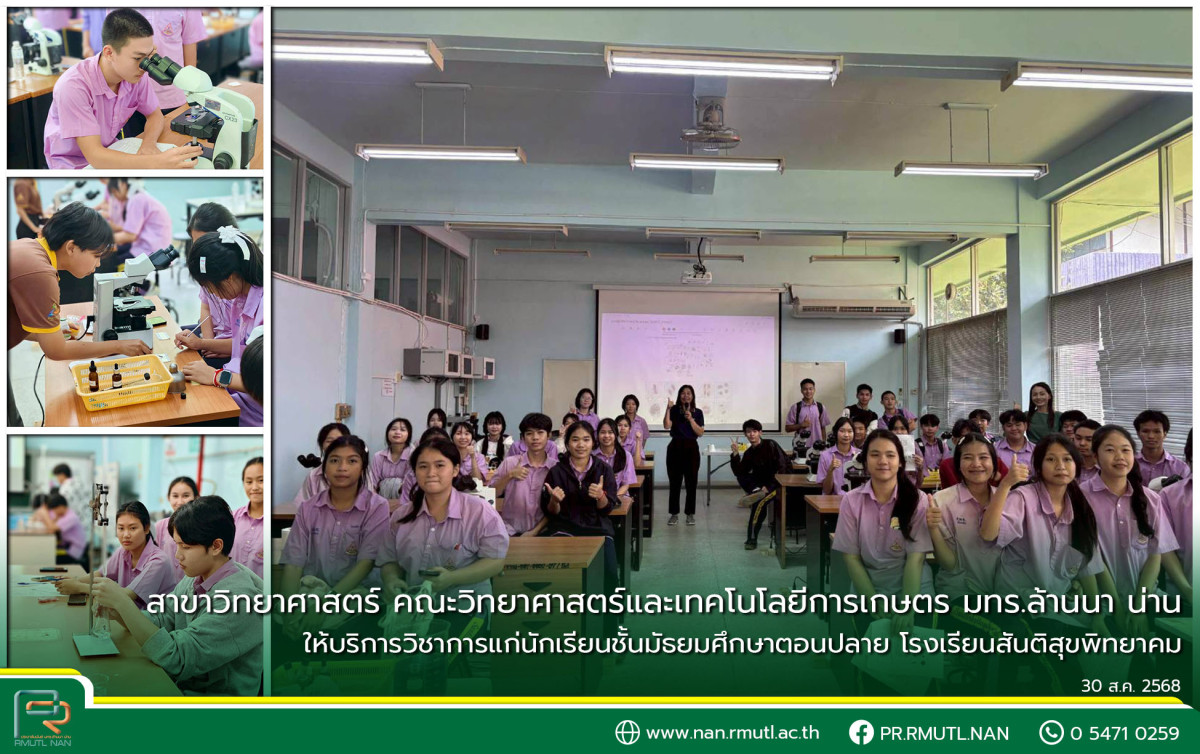
| Faculty of Science and Agricultural Technology, RMUTL Nan | Biology and Chemistry Learning Modules | RMUTL Nan | 116 upper-secondary students | Laboratory skills, cell biology, and chemical analysis |
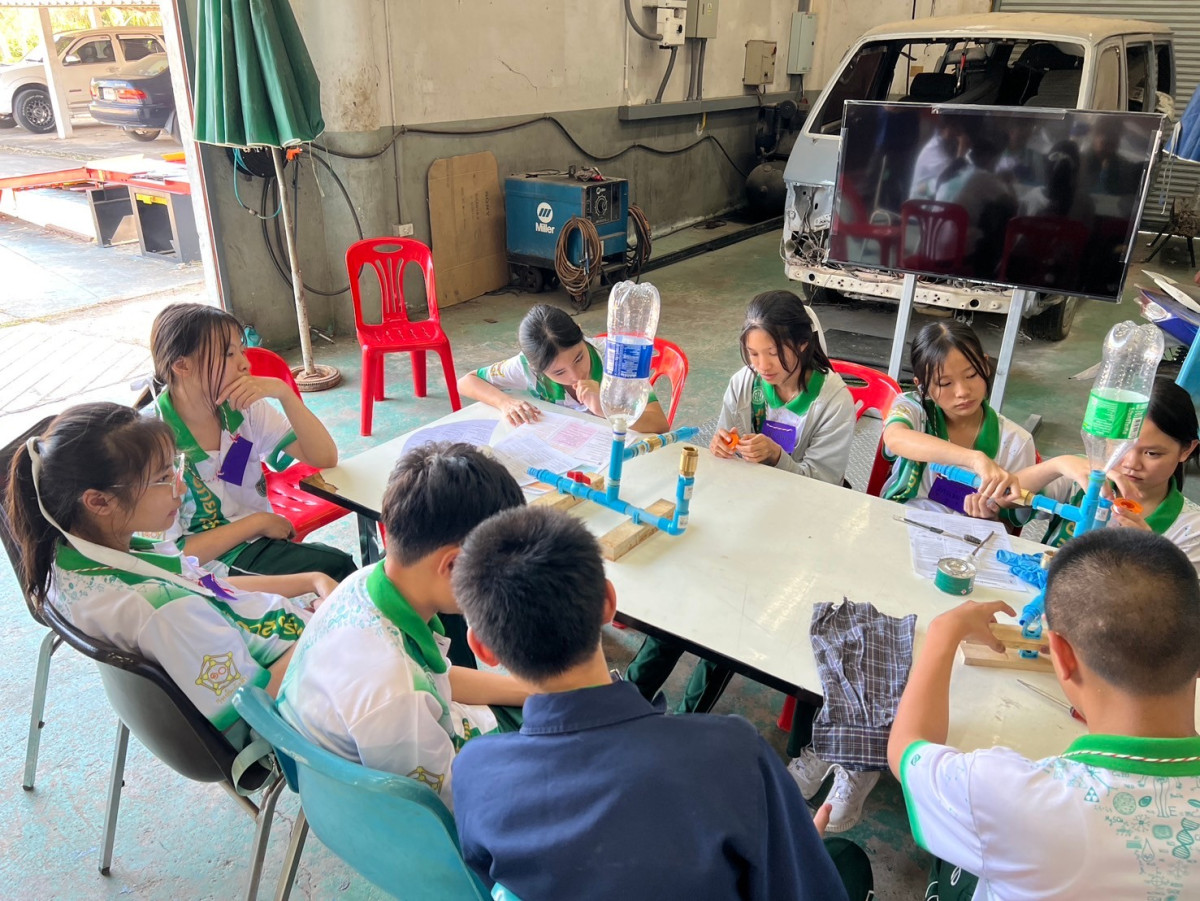
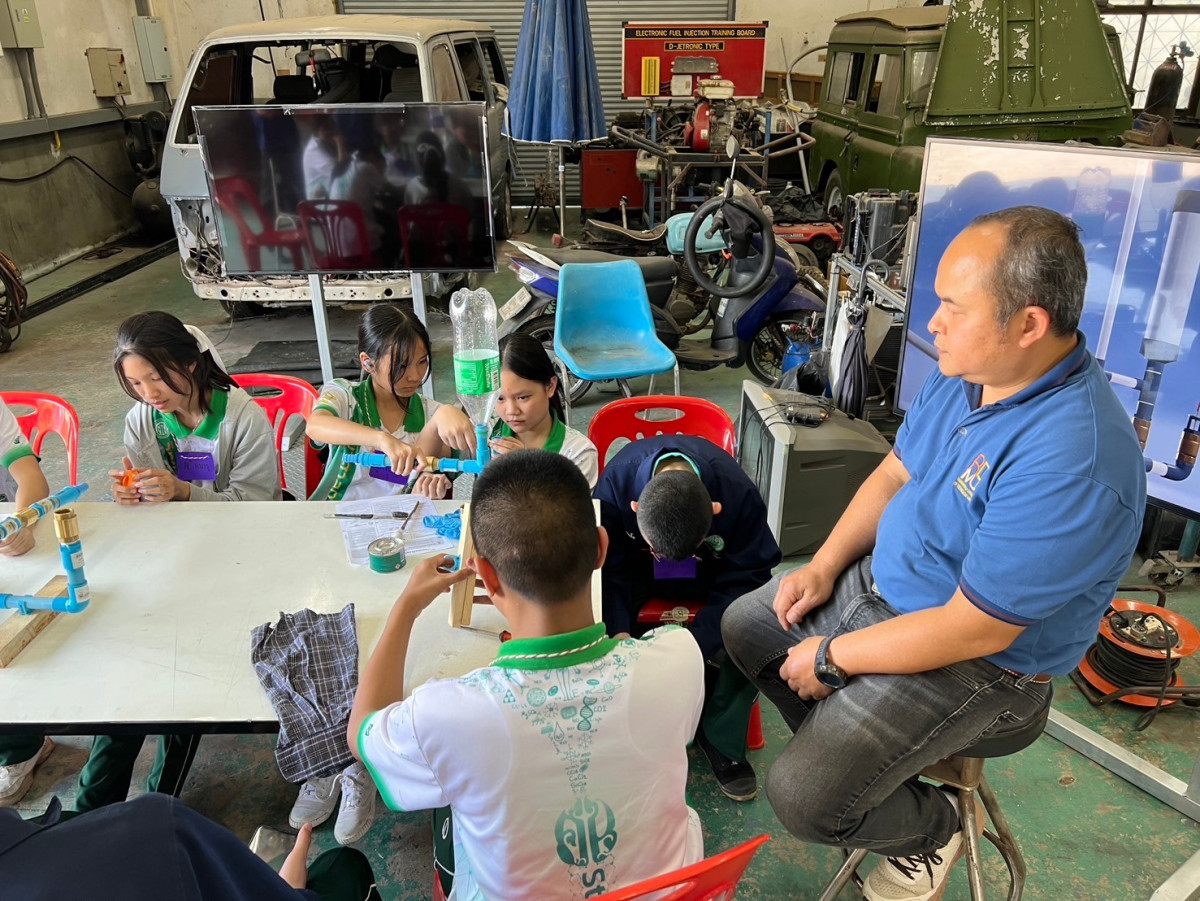
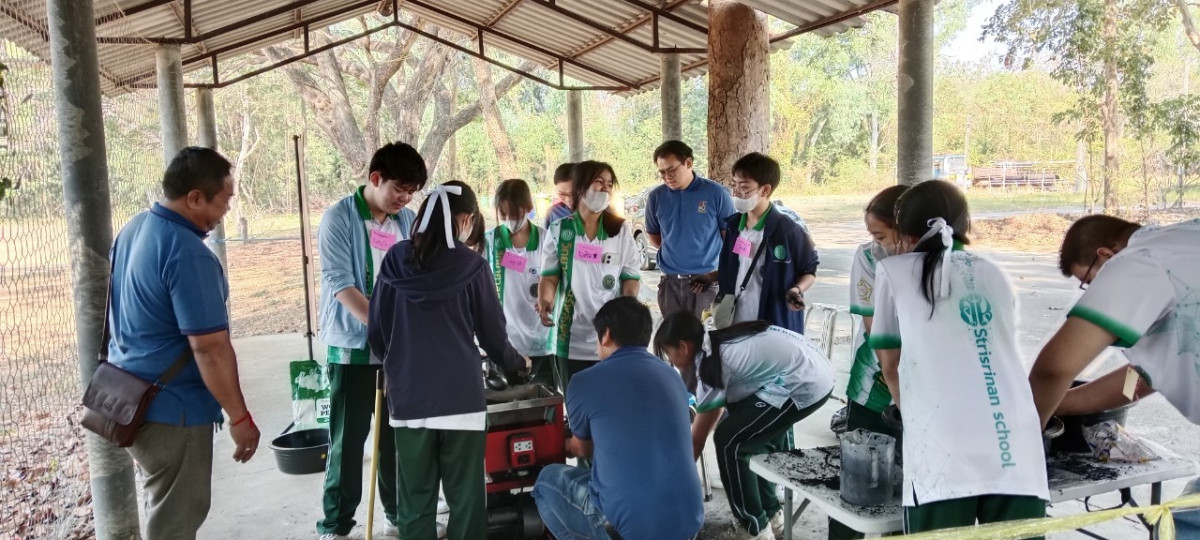
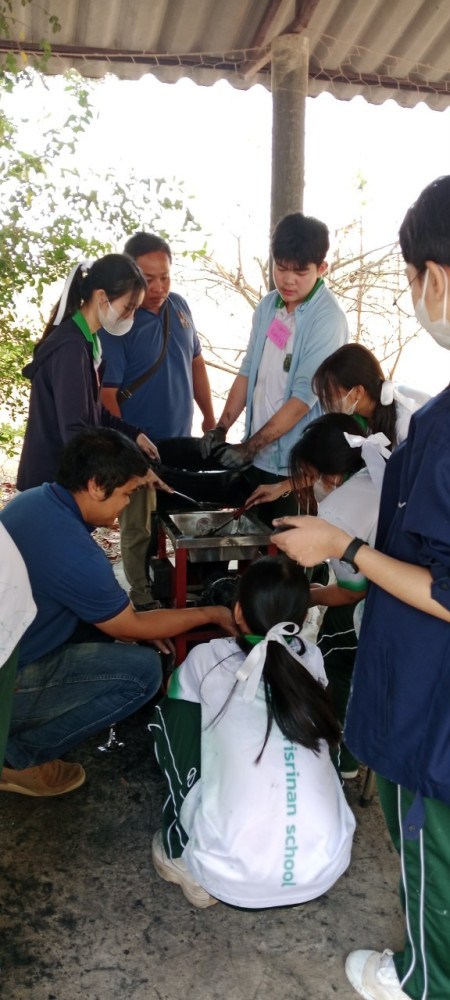
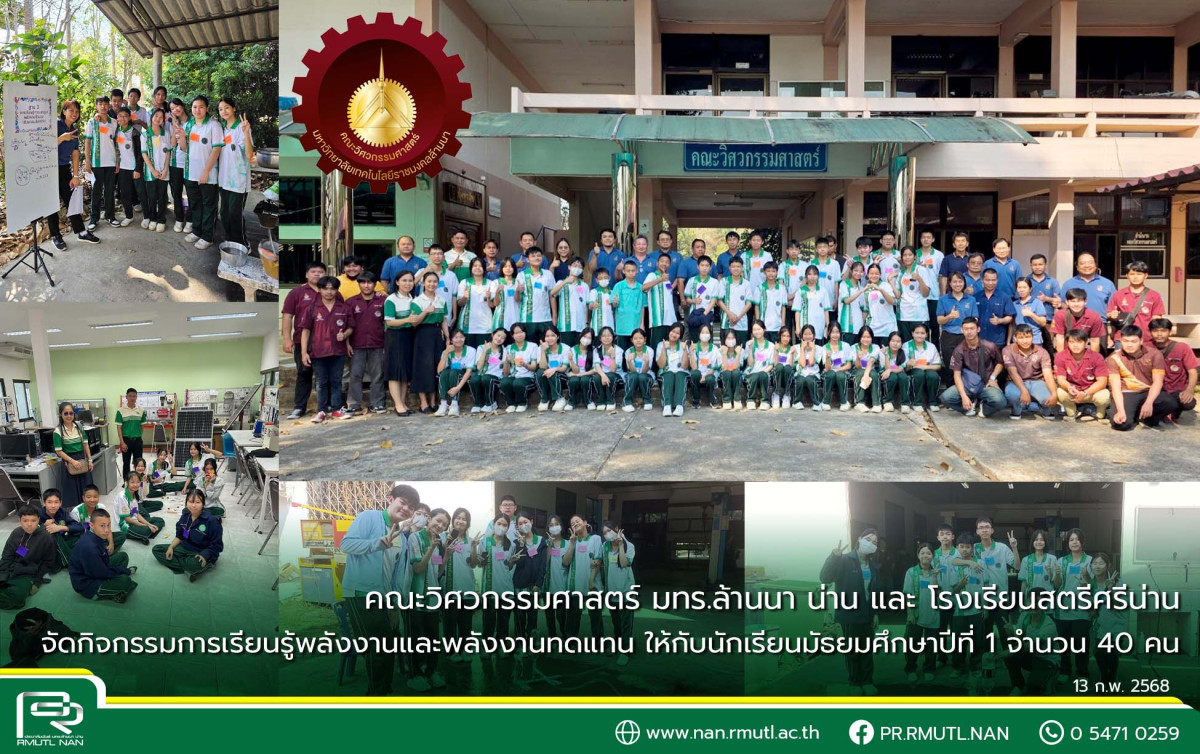
| Faculty of Engineering, RMUTL Nan | Renewable Energy Education | RMUTL Nan | 40 seventh-grade students | Renewable energy literacy and environmental awareness |
| Faculty of Science and Agricultural Technology, RMUTL Chiang Mai | International Physics Laboratory Program | RMUTL Chiang Mai | More than 30 university students from Vietnam | Practical physics education and international academic exchange |
| Faculty of Science and Agricultural Technology, RMUTL Phitsanulok | Agricultural and Biodiversity Learning | RMUTL Phitsanulok | Preschool students from Parima Kindergarten | Early childhood science learning and environmental conservation |
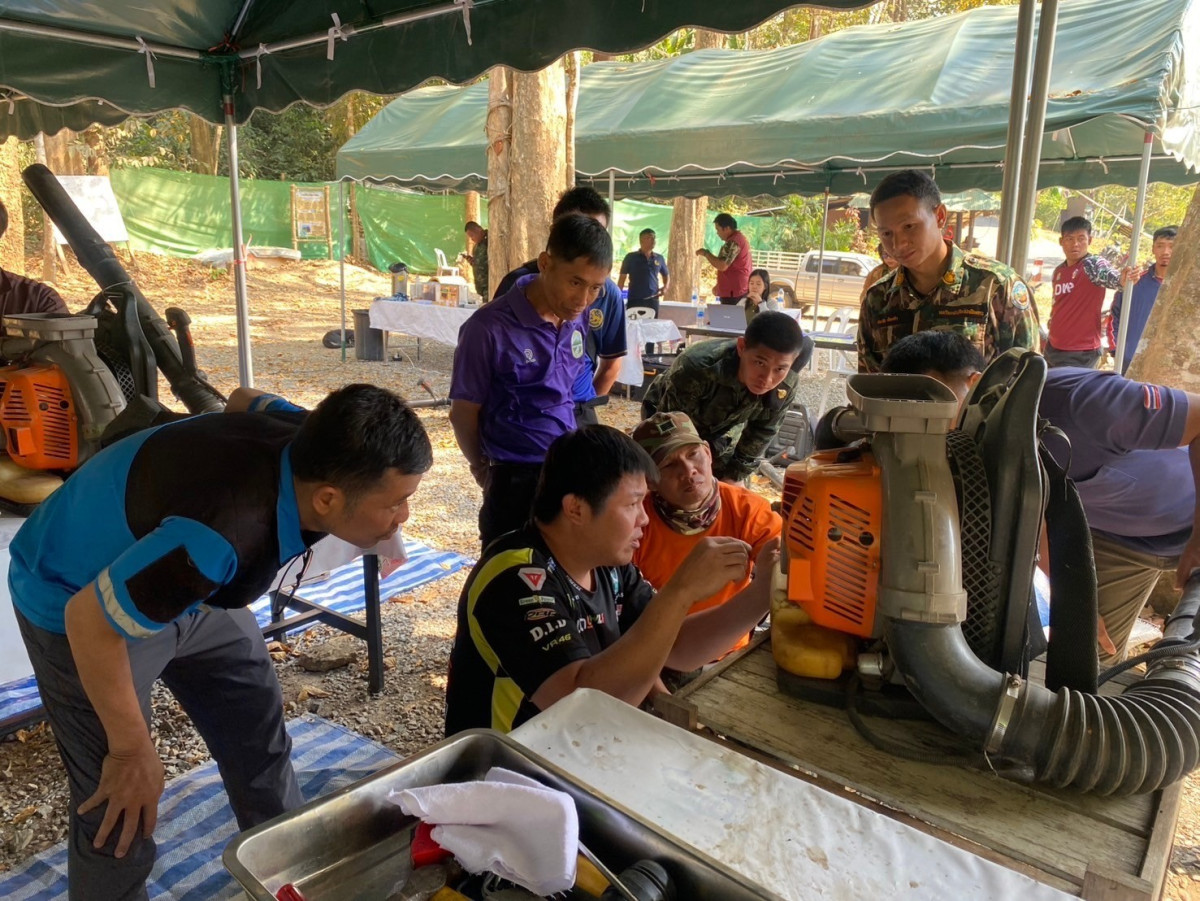
| Community Technology Transfer Institute and partner organizations | Small Engine and Wildfire Equipment Maintenance Training | Mae Na Subdistrict Municipality, Chiang Dao, Chiang Mai | Wildlife protection officers, community leaders, military personnel | Vocational competencies, equipment maintenance, and wildfire preparedness |
| Royal Project Supporting Center and College of Integrated Science and Technology | Community Food Processing and Safety Standards | Nong Khiao Royal Project Development Center, Chiang Dao | Local food processing and occupational groups | Food production standards, measurement techniques, and product development |
| Royal Project Supporting Center | Avocado Product Development and Processing | Nong Khiao Royal Project Development Center, Chiang Dao | Community enterprise members and local food processors | Value-added processing, food safety, and enterprise development |
| Community Technology Transfer Institute, Royal Project Supporting Center, and Faculty of Engineering | Sustainable Compost Production Workshops | Doi Saket, Chiang Mai | Local communities, partner organizations, and university students | Composting skills, organic waste management, and circular economy practices |
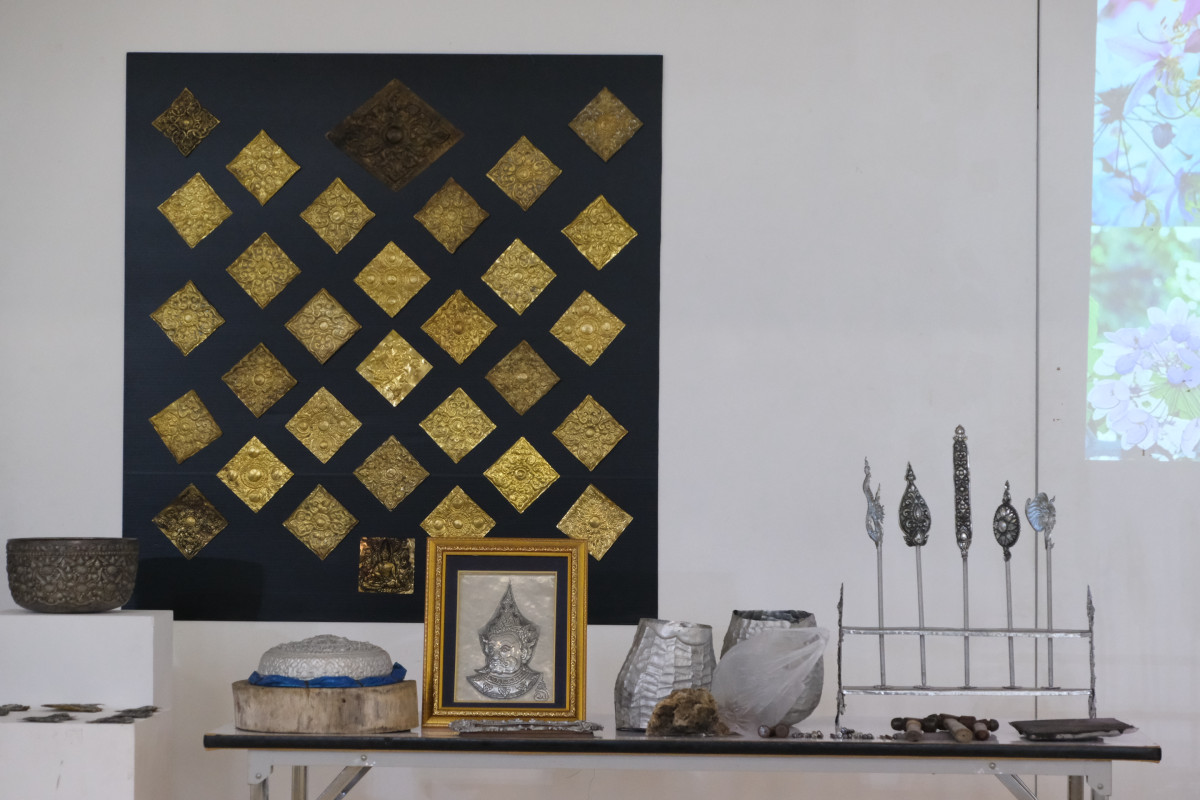
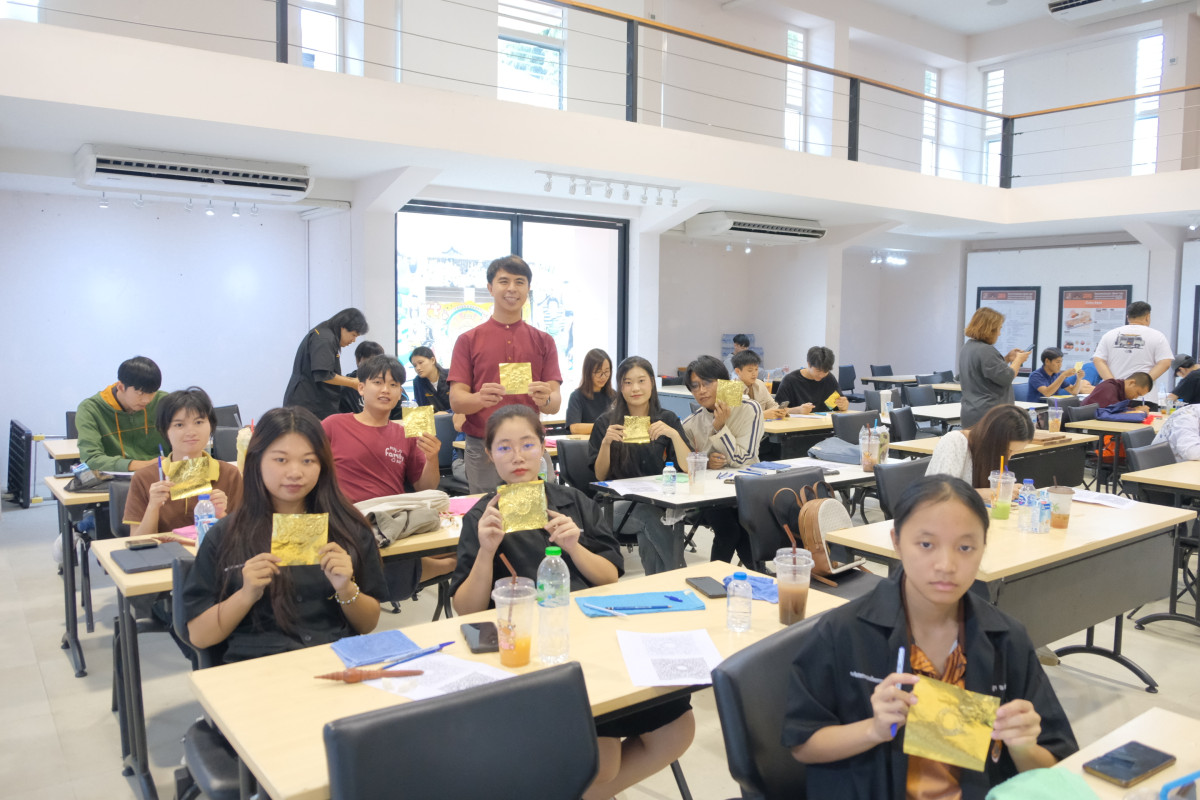
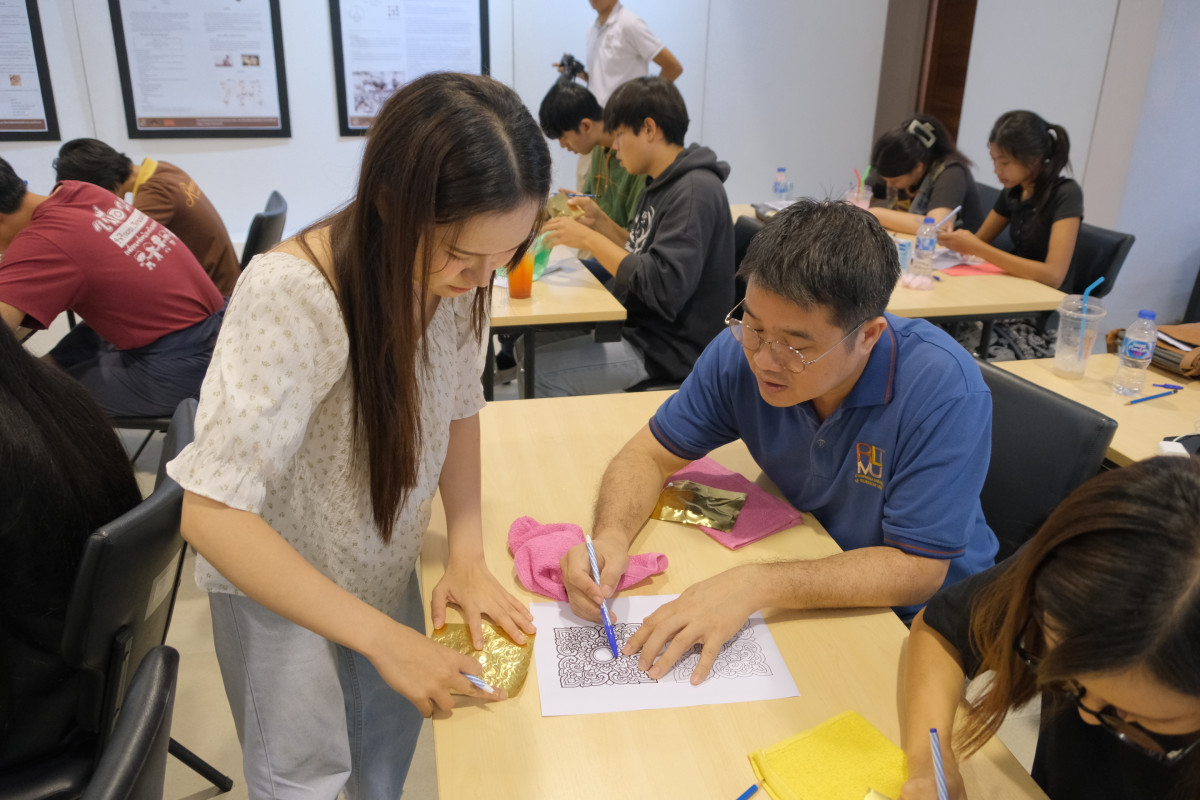
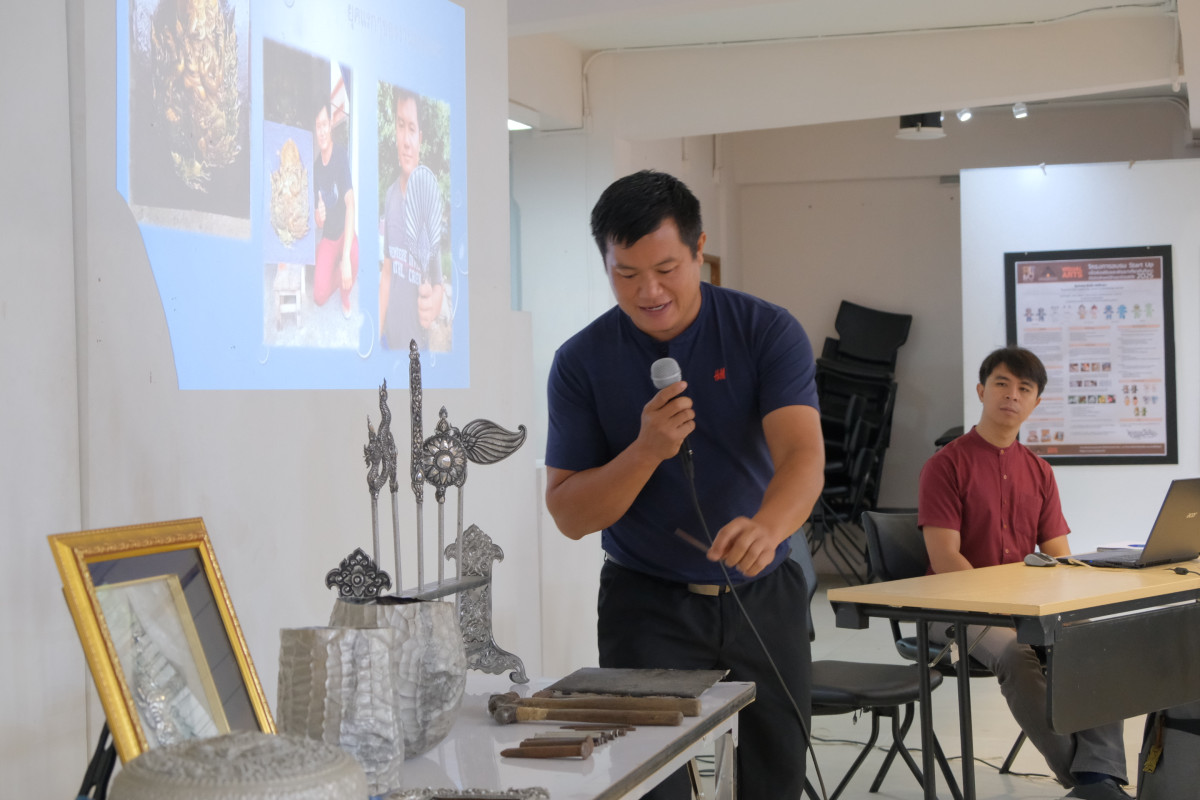
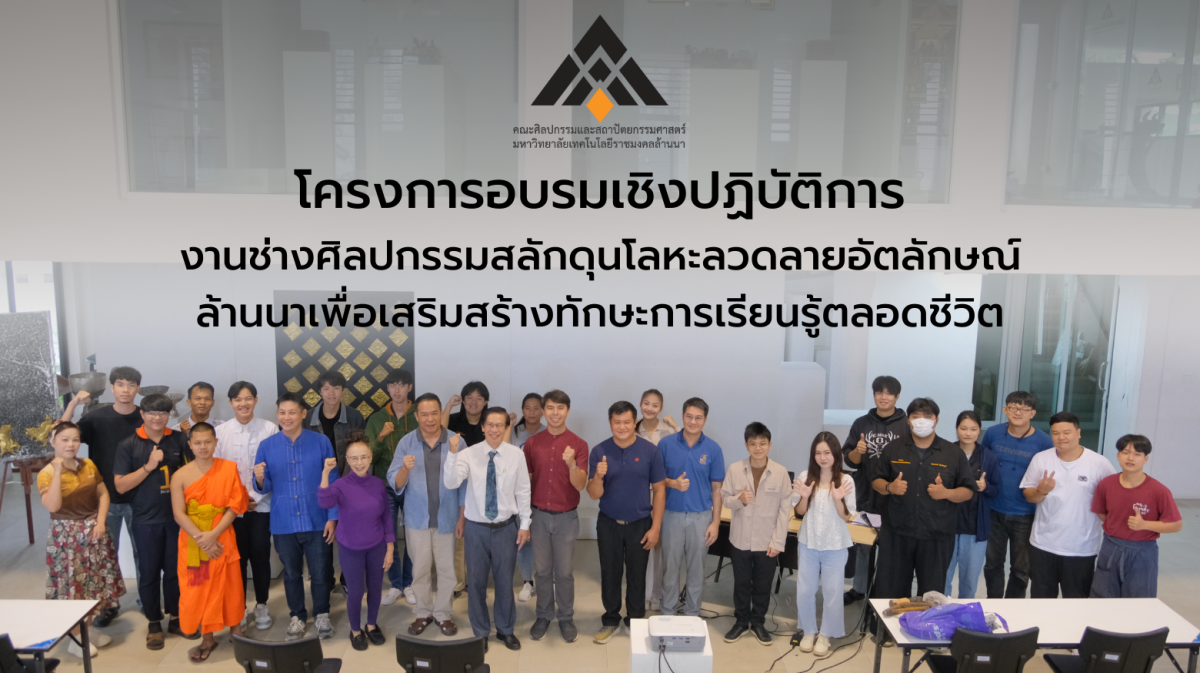
| Faculty of Arts and Architecture, RMUTL | Traditional Lanna Metal Embossing Workshop | RMUTL | Workshop participants and traditional artisans | Cultural knowledge transfer, craftsmanship, and lifelong learning |
| Faculty of Science and Agricultural Technology, RMUTL Phitsanulok | Multidisciplinary School Outreach | Noen Kum Wittaya School, Phitsanulok | School students and university personnel | Science, agriculture, technology, and student-supported outreach |
Educational Outreach Initiatives and Community Impact
1. Expanding Science and Technology Education for School Students
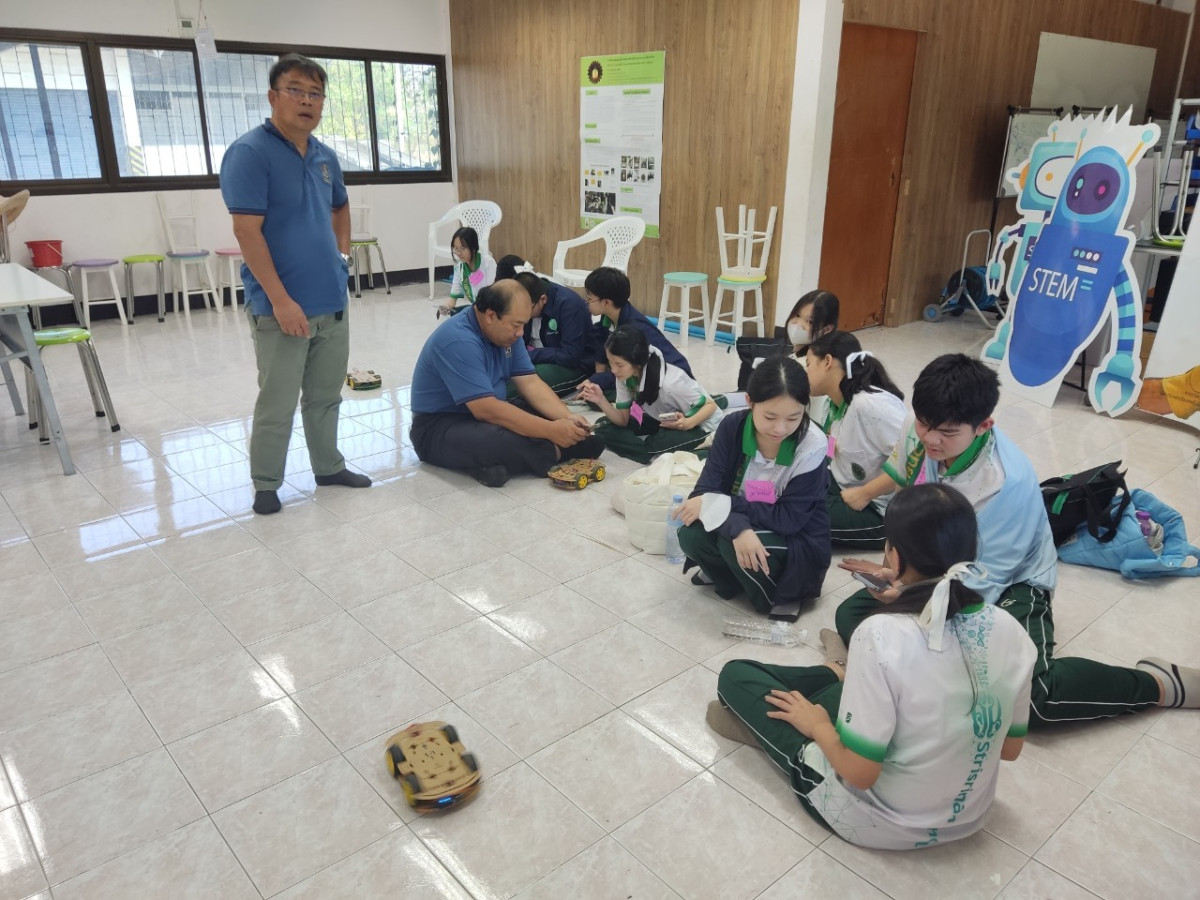
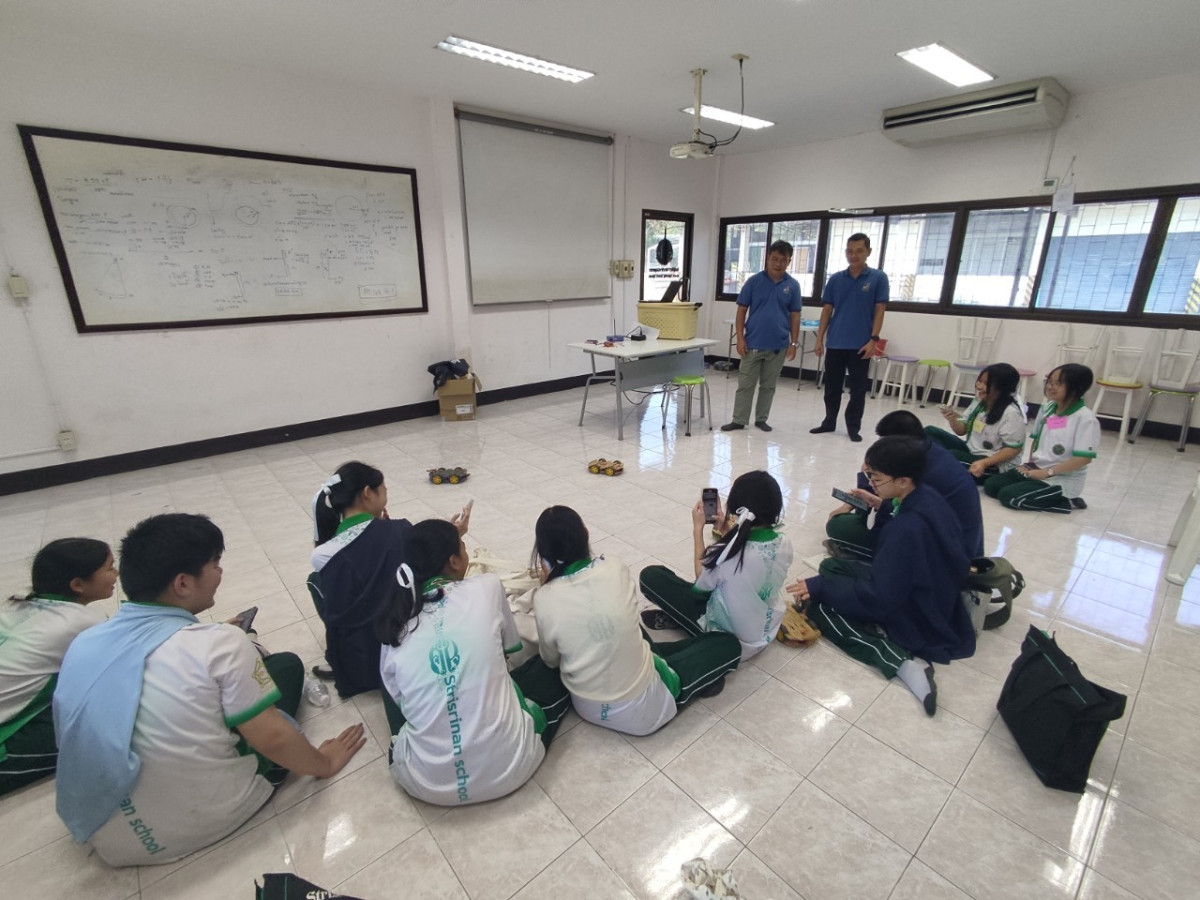
RMUTL supports educational access for school students through practical science instruction, laboratory demonstrations, and experiential learning activities tailored to different educational levels.
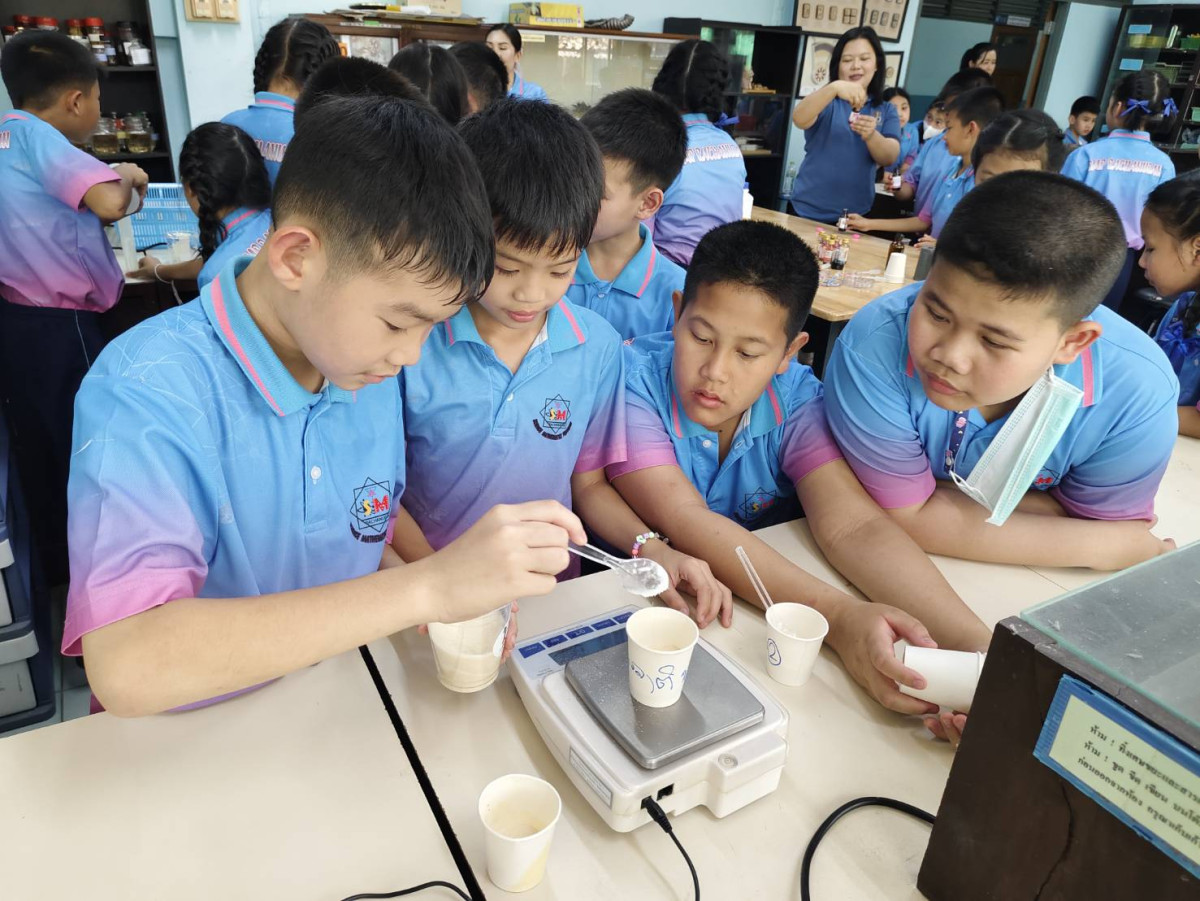
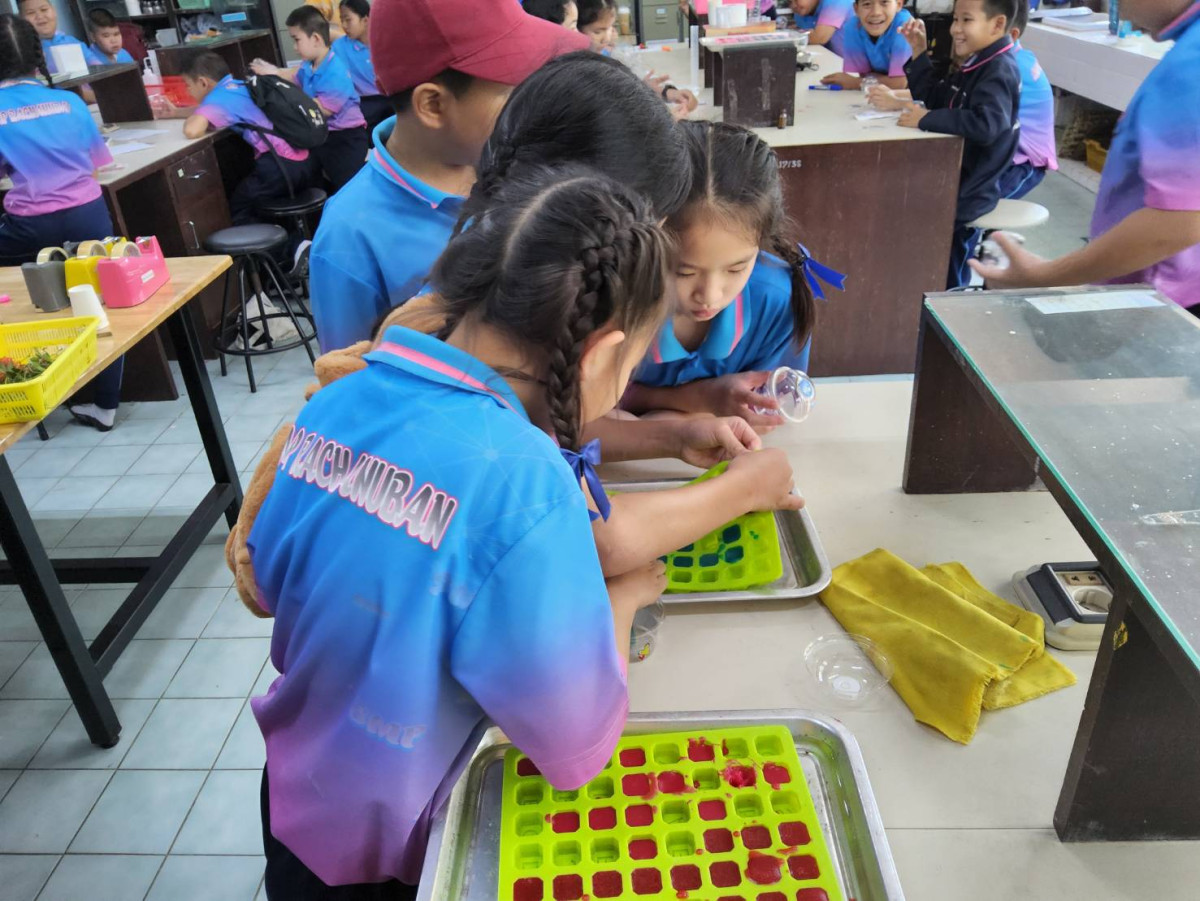
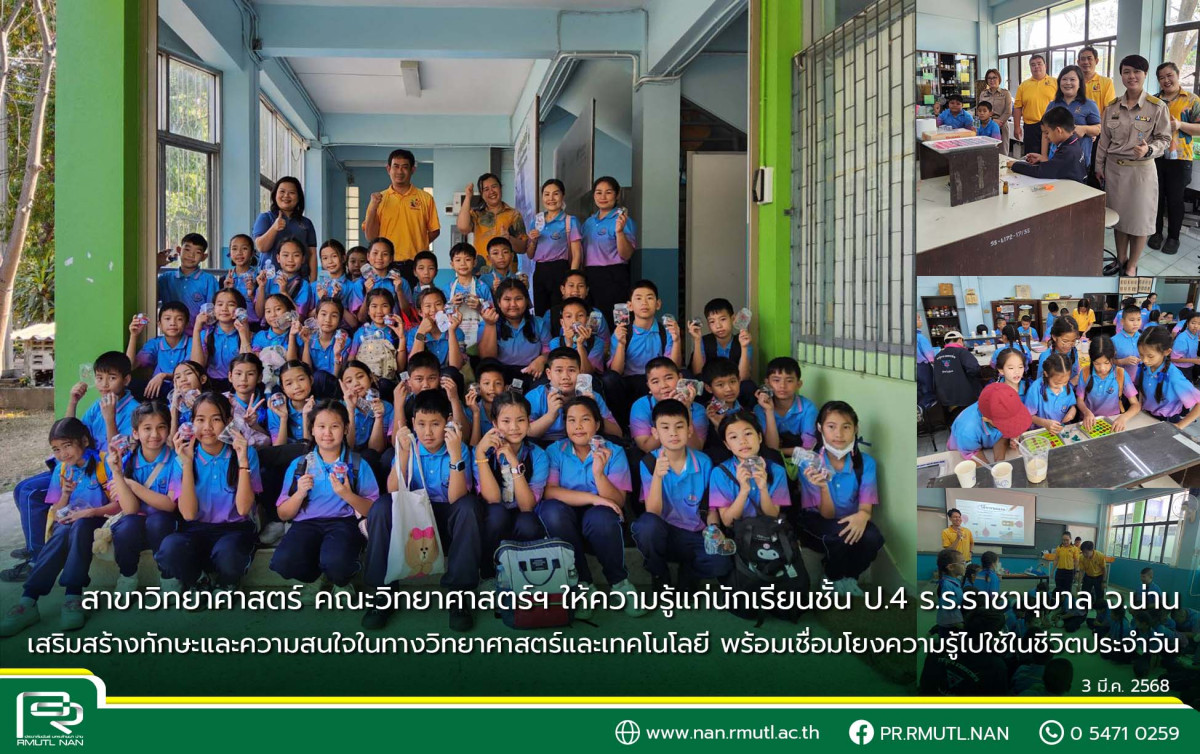
In March 2025, RMUTL Nan delivered creative science workshops to 84 fourth-grade students from Rajanuban School. Activities involving air freshener gel production and balloon experiments introduced scientific principles through accessible, hands-on learning.
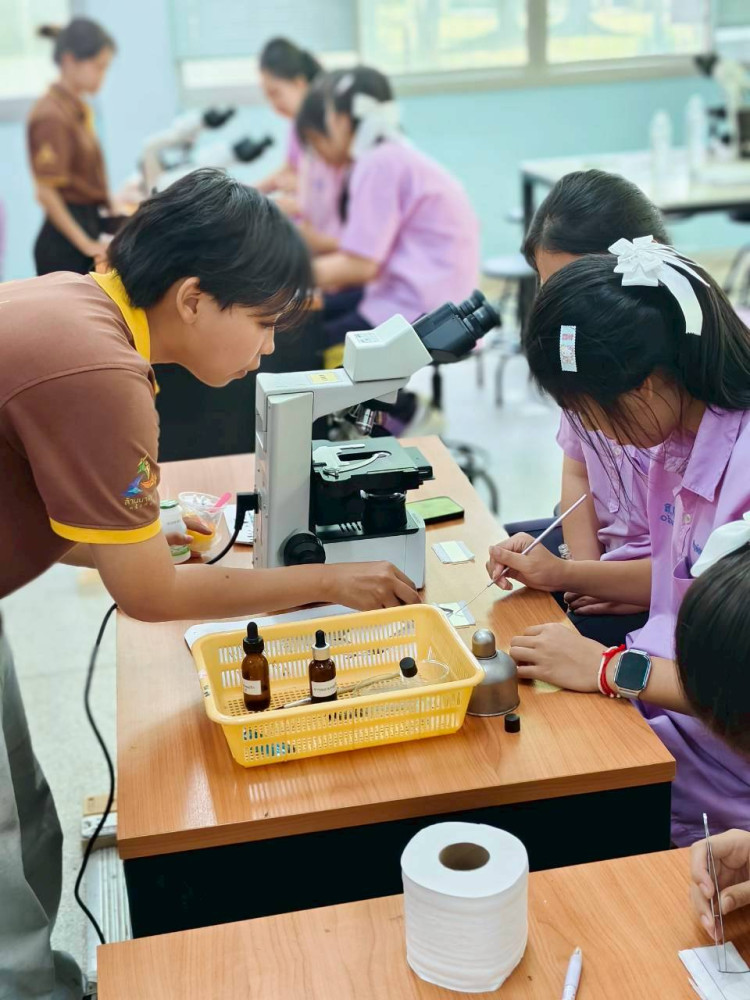
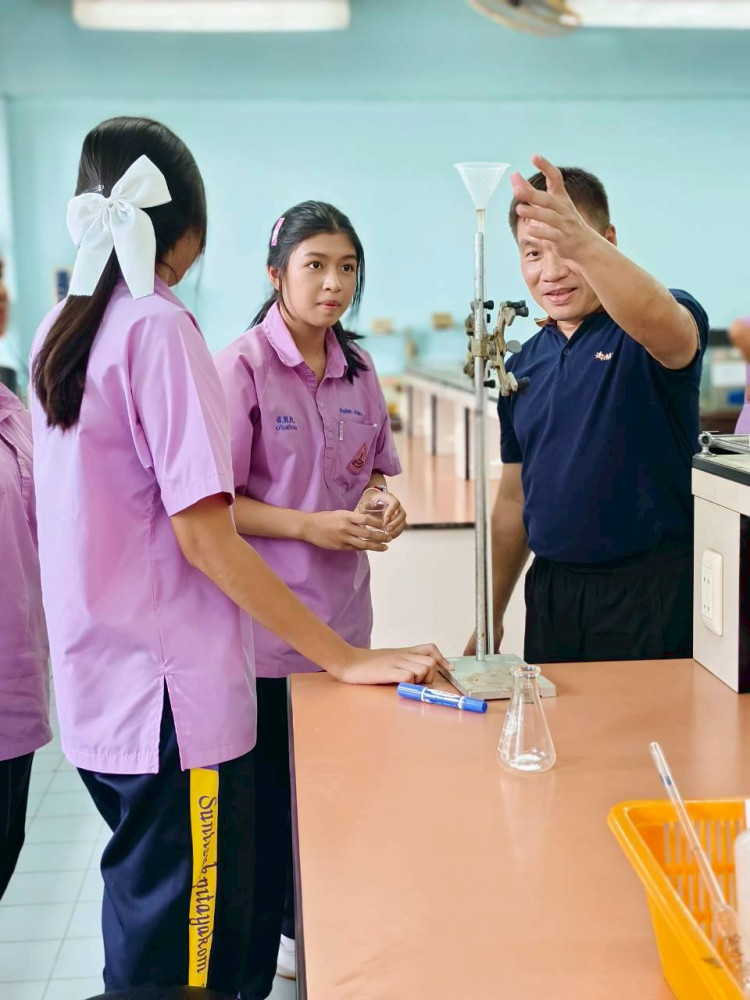
In January 2025, RMUTL Tak provided laboratory training for students from Sapphawittayakhom School, covering plastic reforming, chromatography, and dissolved oxygen measurement. In August 2025, RMUTL Nan delivered biology and chemistry learning modules to 116 upper-secondary students, strengthening laboratory techniques and scientific reasoning.
The Faculty of Engineering at RMUTL Nan also organized renewable energy education for 40 seventh-grade students from Satri Si Nan School in February 2025, introducing energy efficiency, renewable technologies, and responsible energy consumption.
Additional school outreach initiatives in Phitsanulok and Nan involved university instructors and students in practical demonstrations and multidisciplinary learning activities. These activities connected academic knowledge with everyday applications and introduced young learners to future educational opportunities.
Educational and Social Impact: These initiatives broaden access to practical STEM learning, strengthen scientific literacy, and encourage interest in science and engineering. They also support educational partnerships between universities and schools, particularly where learners may have limited access to specialized laboratories, equipment, and technical expertise.
2. Developing Community Technical Skills for Wildfire Prevention
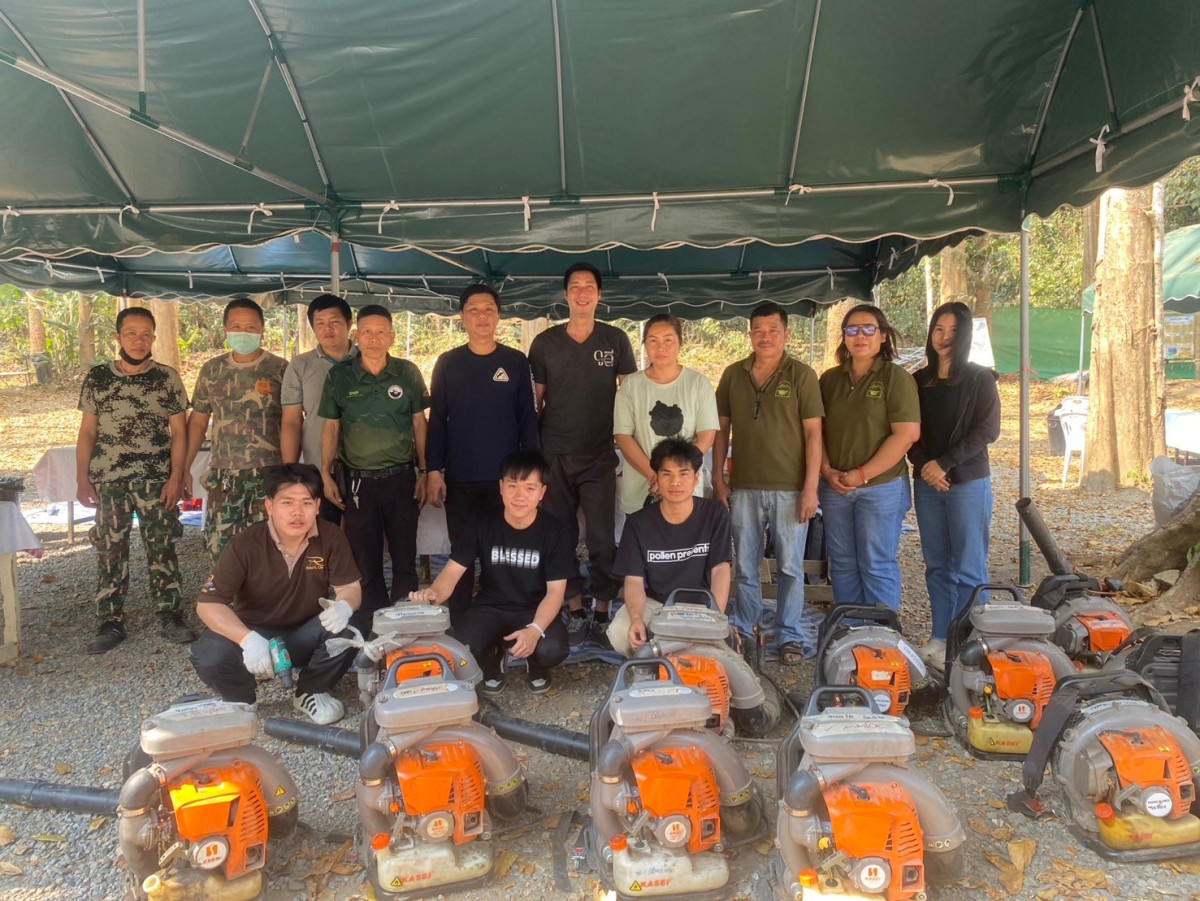
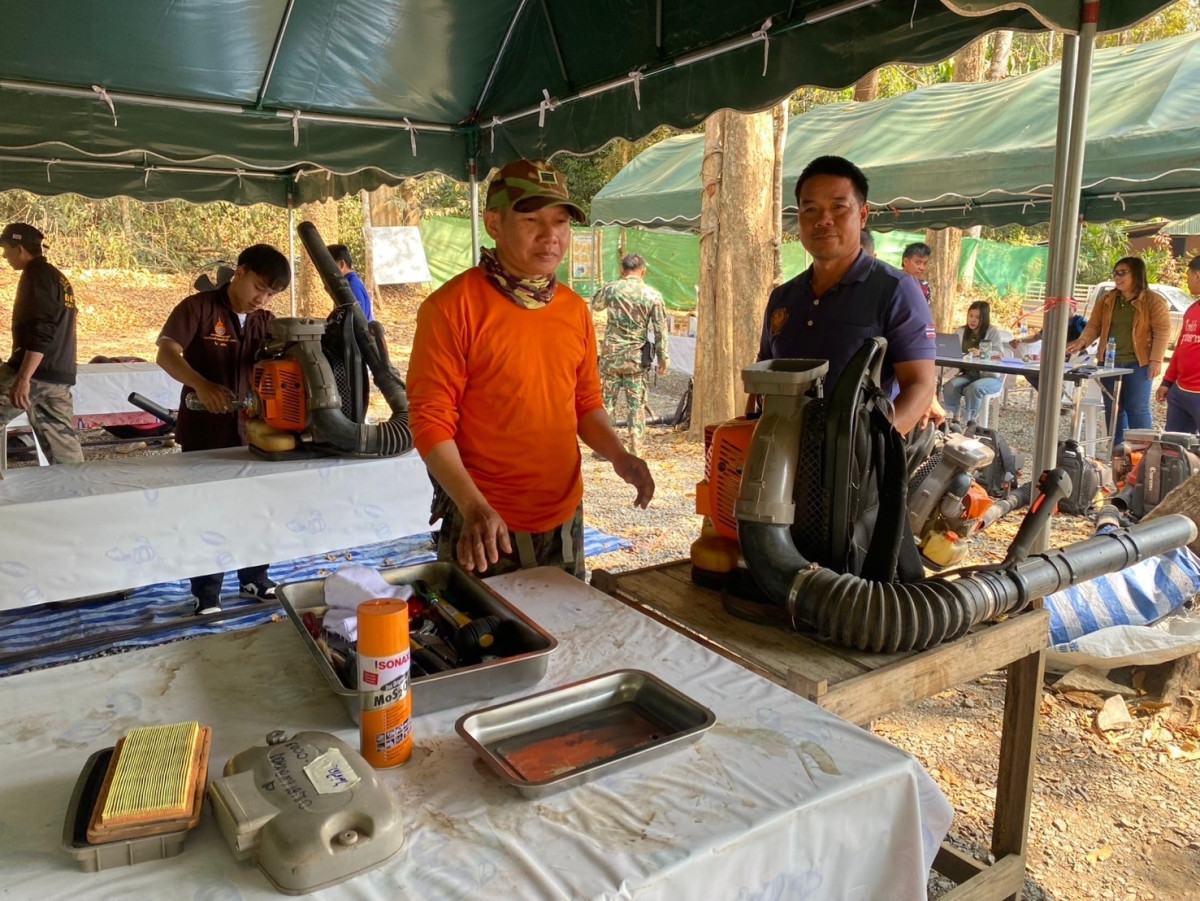
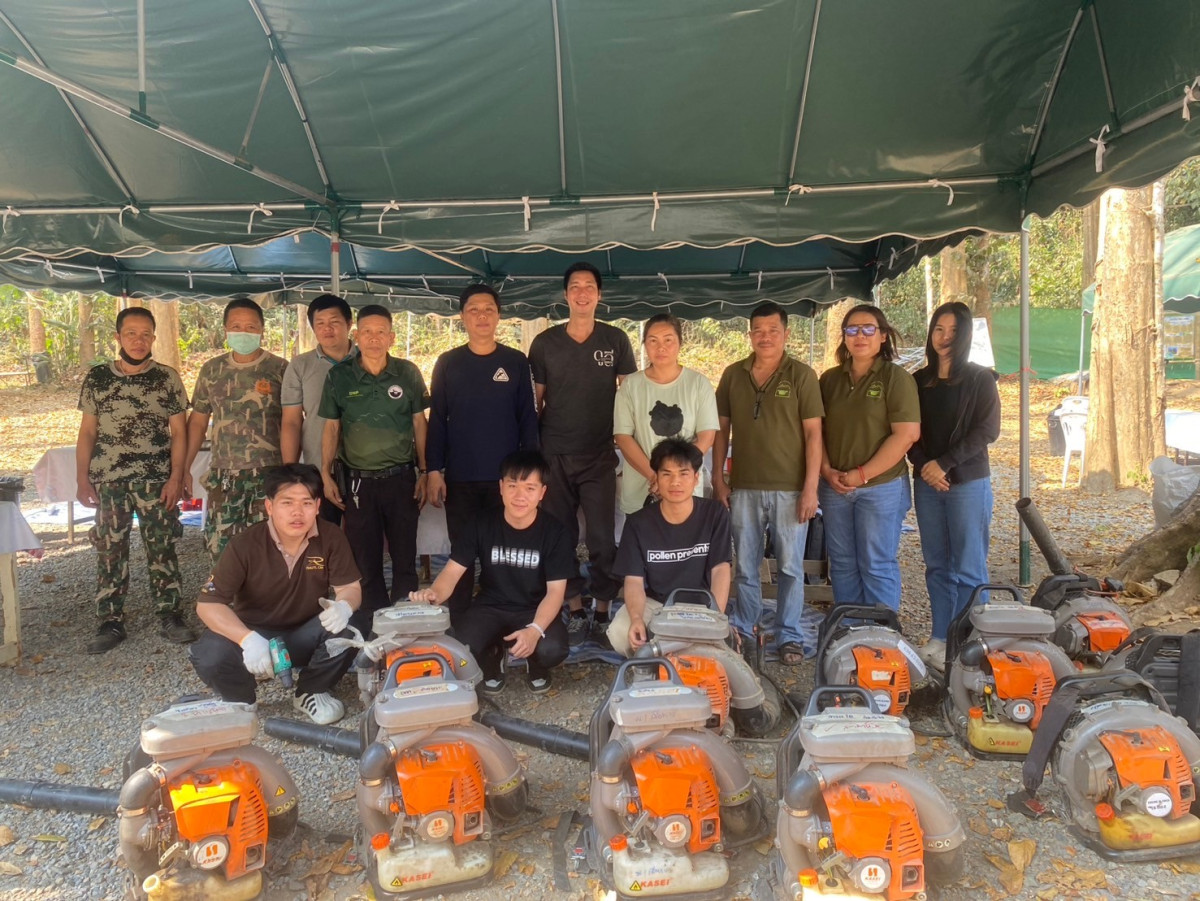
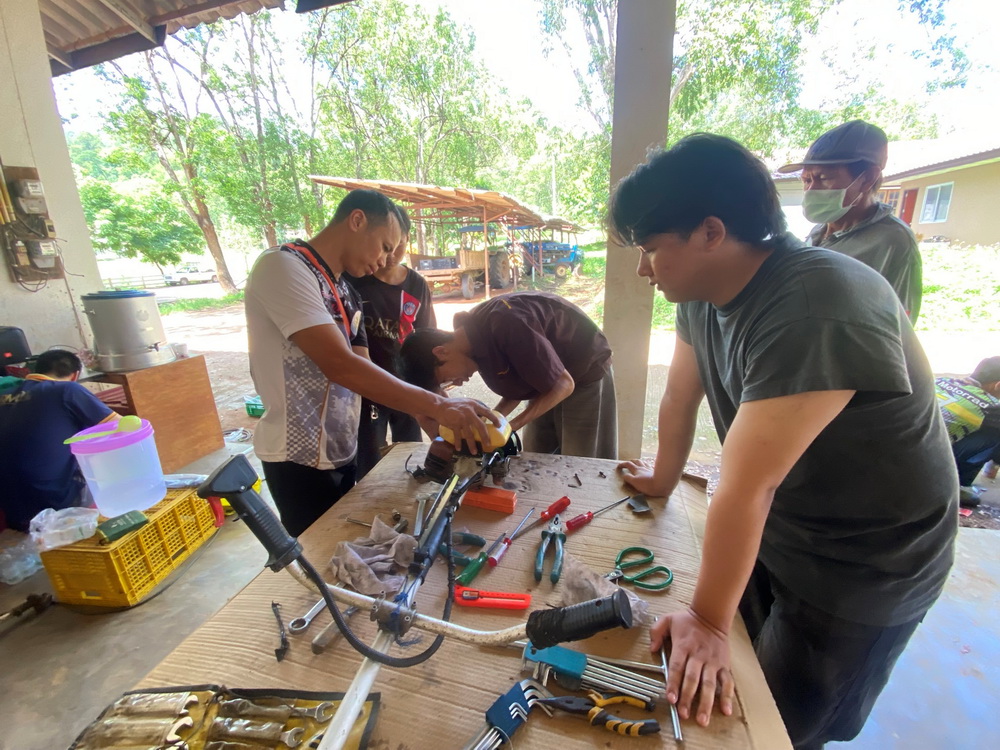
From March 3–5, 2025, RMUTL’s Community Technology Transfer Institute and Royal Project Supporting Center collaborated with Chiang Dao Wildlife Sanctuary, Mae Na Subdistrict Municipality, and partner organizations to organize a practical training program on small engine and wildfire blower maintenance.
Held at Mae Na Subdistrict Municipality in Chiang Dao District, Chiang Mai, the program targeted wildlife protection officers, local community leaders, and military personnel.
University lecturers, researchers, staff, and students contributed as trainers, transferring practical knowledge in small engine operation, inspection, and maintenance, particularly for equipment used in wildfire prevention and firebreak preparation.
The training addressed community needs by developing technical competencies among personnel responsible for protecting local forests and natural resources.
Educational and Social Impact: The initiative strengthened access to vocational and technical education for working adults and community personnel. Improved equipment maintenance skills can support operational readiness, reduce dependence on external technical assistance, and strengthen local capacity for wildfire prevention and environmental protection.
3. Strengthening Food Processing Skills and Community Enterprise Development
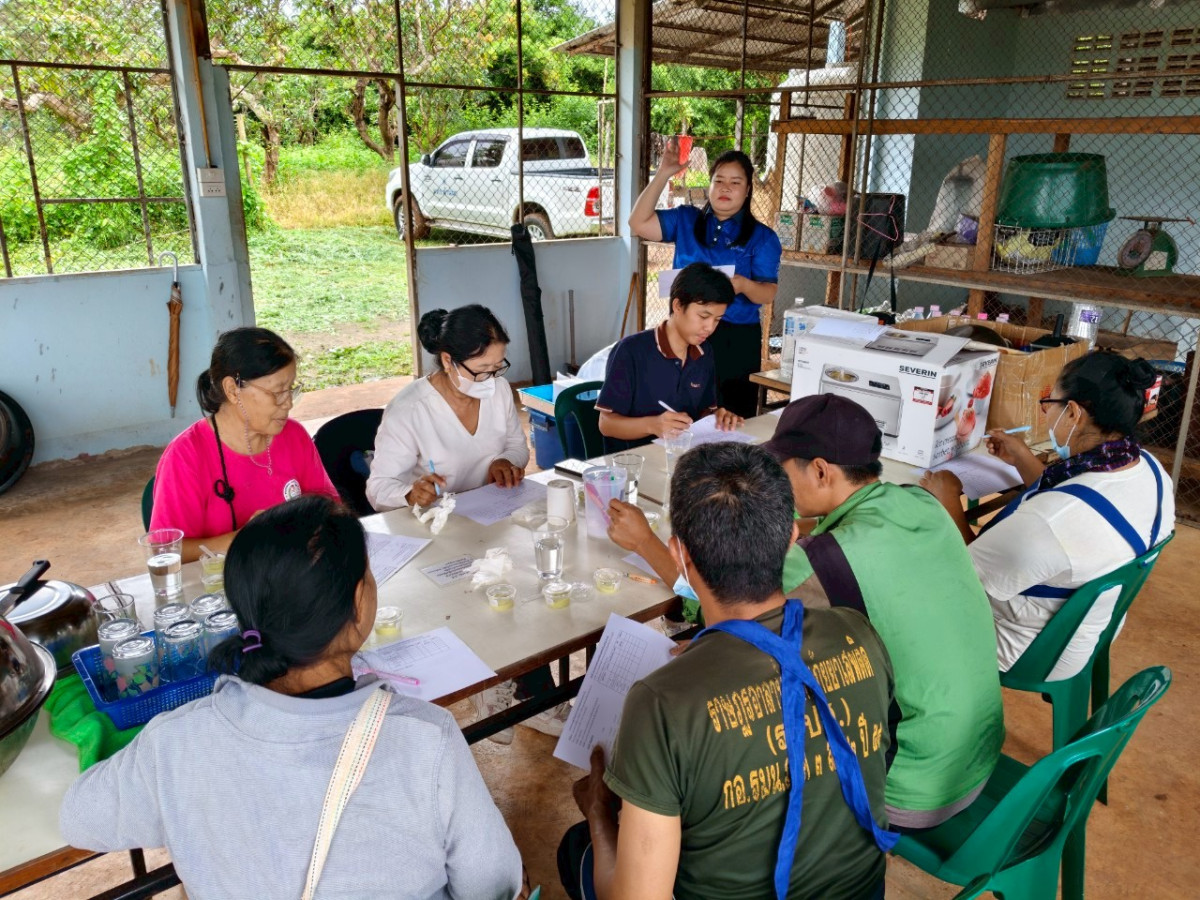
RMUTL implemented a series of community-based training activities at the Nong Khiao Royal Project Development Center in Chiang Dao District, Chiang Mai, to enhance food processing knowledge and support local agricultural enterprises.
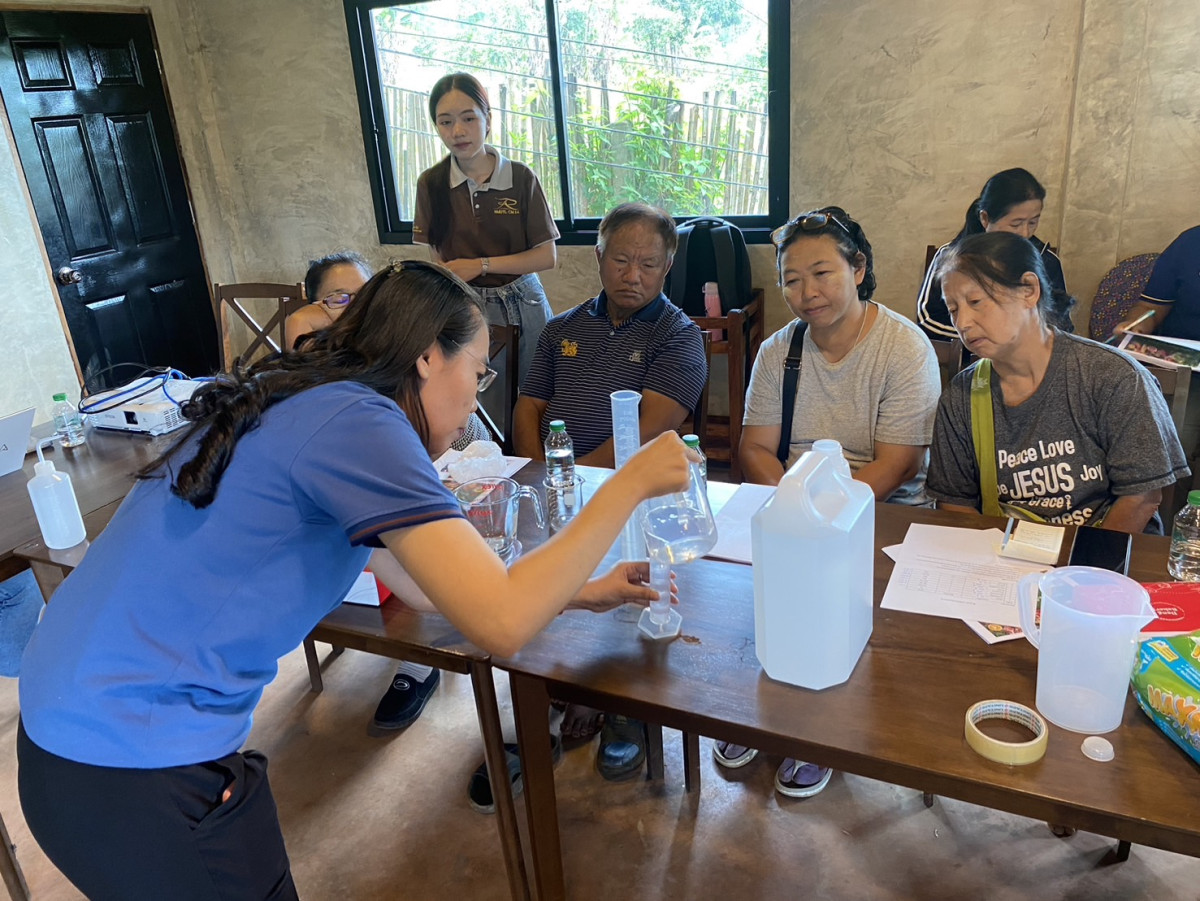
On May 22, 2025, university researchers and lecturers from the Food Production Engineering and Innovation program transferred knowledge on community food production standards, industrial food processing requirements, and accurate measurement of ingredients using appropriate equipment.
On July 18, 2025, a follow-up practical workshop focused on avocado ice cream development under food safety standards. Members of the Kachin Sudjai Community Enterprise and local processing groups participated in training designed to strengthen product development skills and support the advancement of community food processing enterprises.
These activities connected university expertise in food engineering and innovation with local agricultural resources, particularly avocado production in highland communities.
Educational and Social Impact: The training strengthened practical food processing skills, increased awareness of food safety standards, and supported the development of value-added agricultural products. These competencies can improve product readiness, expand income-generating opportunities, and strengthen the long-term economic potential of community enterprises.
The activities also demonstrate a continuing approach to community education, progressing from fundamental production standards to applied product development.
4. Promoting Environmental Education Through Sustainable Compost Production
From September 12–13, 2025, RMUTL conducted a practical training program on sustainable compost production in Doi Saket District, Chiang Mai.
The program was supported by the Royal Project Supporting Center and involved lecturers from the Faculty of Engineering, students in Agricultural and Biological Engineering, students supported by the Equitable Education Fund, local communities, and partner organizations.
Participants received instruction on environmental issues, organic waste, the benefits of composting, and practical compost production using mesh enclosures at RMUTL’s sufficiency economy learning center in Doi Saket.
The initiative promoted the productive use of organic waste and agricultural residues as alternatives to open burning, while introducing participants to circular economy principles.
Educational and Social Impact: The program developed practical environmental management skills, promoted community participation in organic waste management, and encouraged resource-efficient agricultural practices. It also provided experiential learning opportunities for university students while linking technical education with community environmental needs.
5. Promoting Early Childhood Environmental and Agricultural Learning
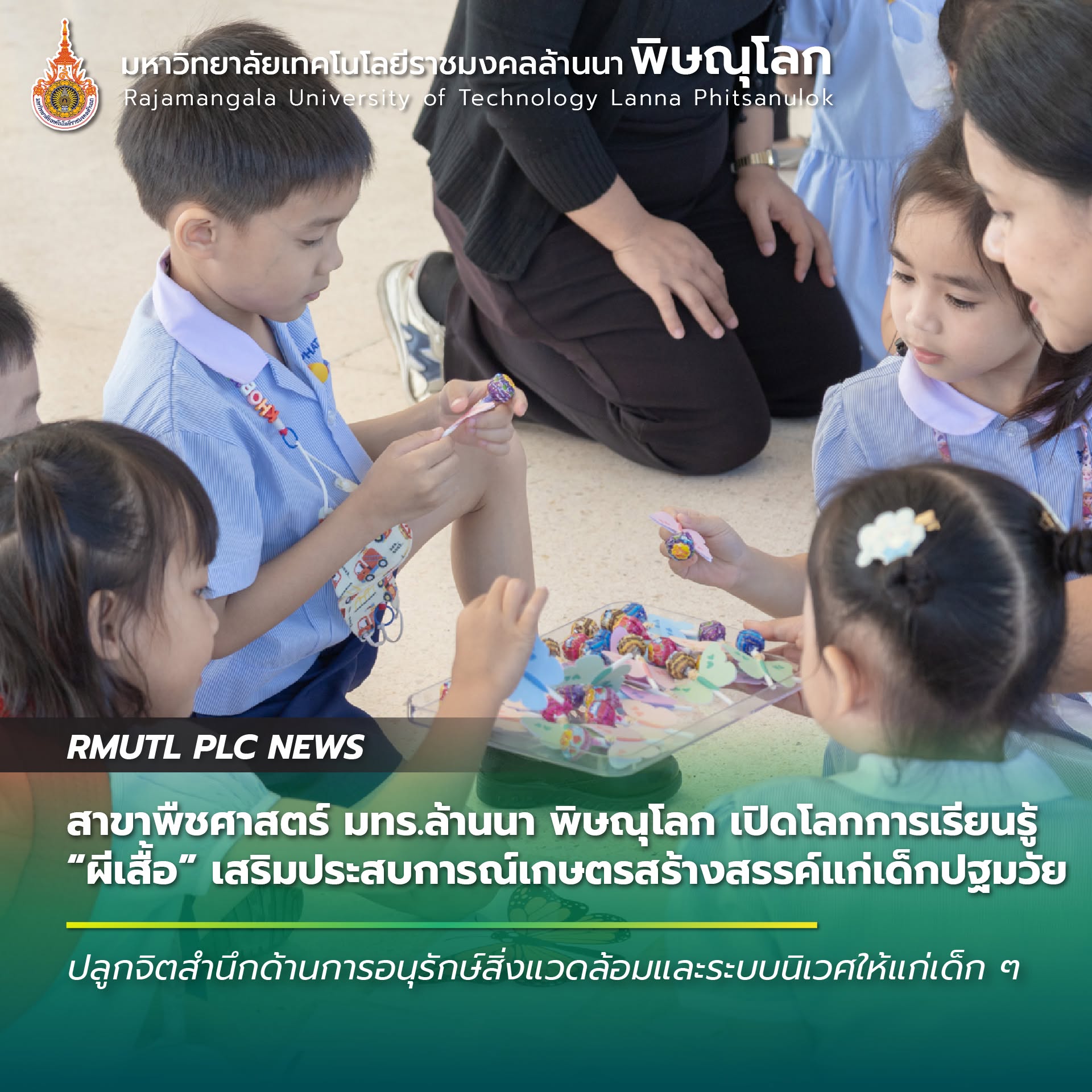
On January 6, 2026, RMUTL Phitsanulok organized a creative agricultural learning program for preschool students from Parima Kindergarten.
The program introduced butterfly life cycles through direct observation, interactive learning, and a butterfly release activity. University instructors and staff explained the stages of butterfly development and the importance of biodiversity and ecosystem conservation.
Through age-appropriate activities, children had opportunities to explore the natural environment and develop curiosity about plants, animals, and ecological relationships.
Educational and Social Impact: The initiative expanded experiential learning opportunities for young children, promoted early scientific understanding, and encouraged positive attitudes toward nature and environmental conservation.
6. Expanding International Access to Practical Science Education
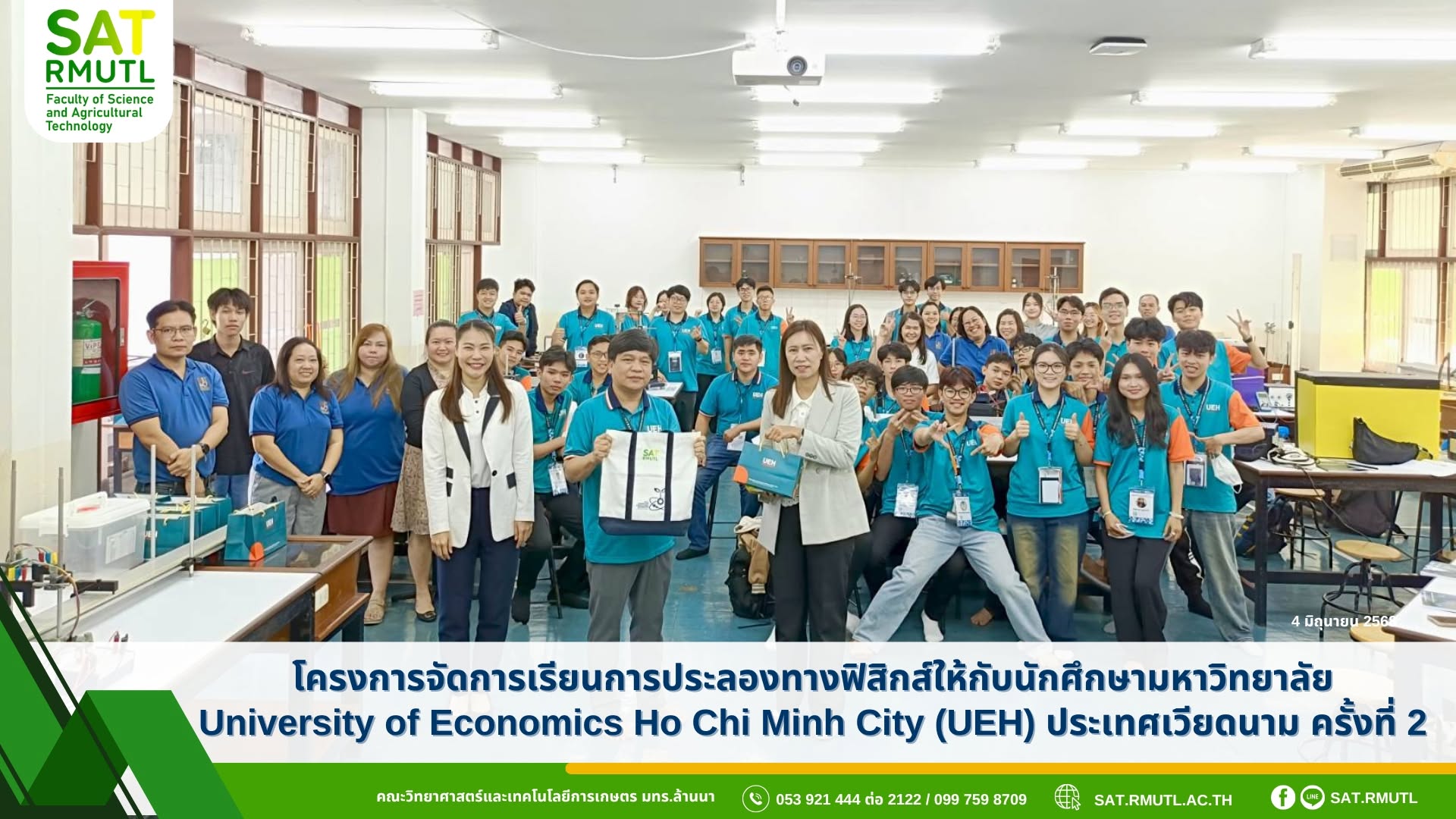
From June 3–12, 2025, RMUTL Chiang Mai hosted its second international physics laboratory learning program for more than 30 students from the University of Economics Ho Chi Minh City (UEH), Vietnam.
The program was conducted under an academic cooperation agreement between the two universities and included ten laboratory experiments in mechanics, electromagnetism, electrical circuits, and acoustics.
Students participated in English-language laboratory instruction using modern learning materials and university scientific facilities. Cultural exchange activities further encouraged interaction between Thai and Vietnamese students.
Educational and Social Impact: The program expanded access to specialized scientific education for international learners, strengthened practical laboratory competencies, and promoted intercultural understanding and regional academic cooperation.
7. Preserving Traditional Knowledge Through Lifelong Learning
On August 27, 2025, RMUTL’s Faculty of Arts and Architecture organized a hands-on workshop on traditional Lanna metal embossing and decorative motifs.
Traditional artisans and university academics shared specialized craftsmanship, artistic techniques, and knowledge of Lanna cultural heritage. Participants learned through demonstrations and practical activities connecting traditional knowledge with contemporary artistic applications.
Educational and Social Impact: The initiative supported lifelong learning, preserved regional cultural knowledge, and promoted the transfer of traditional craftsmanship across generations. The skills acquired may also provide opportunities for further creative development and cultural enterprise activities.
Sustaining Educational Outreach Through Institutional Partnerships
RMUTL’s educational outreach is supported by collaboration among university faculties, research institutes, schools, Royal Project Development Centers, local government organizations, and community networks.
The university’s Royal Project Supporting Center and Community Technology Transfer Institute play important roles in coordinating community-based learning and applied technology transfer.
In July 2025, RMUTL monitored university-supported activities at Doi Saket Phadung Satsana School to assess progress, identify local development needs, and explore opportunities for further academic support and technology transfer.
In October 2025, the university also engaged with the Thai Young Farmers Promotion Foundation to exchange institutional knowledge and explore collaboration in agricultural education and youth development.
In March 2026, RMUTL undertook a coordination and planning visit to the Le Tor Royal Project Development Center in Tak Province, supporting future academic collaboration and community development planning.
These partnership and planning activities complement direct educational outreach by strengthening institutional coordination, identifying community learning needs, and supporting the continuity of future knowledge transfer initiatives.
Educational Outreach Delivered on Both Ad-hoc and Programmed Bases
RMUTL delivers educational outreach through both ad-hoc activities and structured community-based programs.
Ad-hoc outreach activities include tailored science workshops, school-based demonstrations, and practical training sessions responding to the immediate educational needs of schools and local communities.
Programmed outreach activities include structured knowledge transfer and vocational development initiatives, particularly the community food processing and avocado product development program at the Nong Khiao Royal Project Development Center. Implemented through multiple training activities in May and July 2025, the program integrates food production standards, practical processing techniques, and product development to strengthen community enterprise capabilities.
Together, these approaches expand access to education beyond formal university enrollment, support lifelong learning, enhance practical competencies, and strengthen collaboration between the university and local communities.
Contribution to SDG 4: Quality Education
RMUTL’s educational outreach activities contribute to SDG 4 through five major dimensions.
Inclusive Educational Opportunities: Extending learning experiences to school students, working adults, community enterprises, international learners, and the general public.
Lifelong Learning and Professional Development: Providing practical vocational training in engineering, food processing, agriculture, environmental management, and traditional craftsmanship.
Community Capacity Building: Transferring academic and technical knowledge that strengthens local skills, supports community self-reliance, and creates opportunities for livelihood improvement.
Education for Sustainable Development: Integrating environmental conservation, renewable energy, wildfire prevention, organic waste management, and sustainable agricultural practices into educational activities.
Collaborative and Community-Based Education: Strengthening partnerships among universities, schools, local organizations, and communities to support educational outreach that responds to local needs.
Strengthening the Impact of Education Beyond Campus
RMUTL’s outreach initiatives demonstrate how higher education institutions can extend their educational mission to society through both targeted activities and community-based learning programs.
The initiatives serve learners across different age groups and professional backgrounds, providing opportunities to acquire scientific knowledge, practical technical skills, environmental competencies, and cultural understanding.
Community-oriented training in equipment maintenance, agricultural processing, and compost production demonstrates the practical value of university knowledge in addressing local challenges. School outreach activities improve access to STEM education and encourage further study, while traditional craft training supports the preservation and application of local cultural knowledge.
The involvement of university faculty, researchers, staff, and students also strengthens academic service and encourages the application of knowledge to real community needs.
Through these educational outreach activities, RMUTL advances SDG 4 by promoting inclusive learning, developing practical competencies, supporting lifelong education, and strengthening community capacity for sustainable social and economic development.
Sources and Supporting Evidence
Science, Technology, and School Education
- Creative Science Learning for Primary School Students, RMUTL Nan
https://sat.rmutl.ac.th/news/28300-07032568 - Science Laboratory Workshops for Mini English Program Students, RMUTL Tak
https://sat.rmutl.ac.th/news/27883 - Biology and Chemistry Learning Modules, RMUTL Nan
https://www.rmutl.ac.th/news/30050-04092568 - Renewable Energy Education for Youth, RMUTL Nan
https://engineering.rmutl.ac.th/news/28156-21022568 - International Physics Laboratory Learning Program
https://sat.rmutl.ac.th/news/29045 - Early Childhood Agricultural and Butterfly Learning
https://www.facebook.com/share/p/1BMTmhMrbC/
Vocational Training and Community Development
- Small Engine and Wildfire Equipment Maintenance Training, March 2025
https://trpb.rmutl.ac.th/news/28296-6-3-68 - Community Food Processing and Production Standards, May 2025
https://trpb.rmutl.ac.th/news/28951-23568 - Avocado Product Development and Food Safety Training, July 2025
https://trpb.rmutl.ac.th/news/29562-21768 - Sustainable Compost Production Training, September 2025
https://trpb.rmutl.ac.th/news/30203-15968 - Traditional Lanna Metal Embossing and Lifelong Learning
https://arts.rmutl.ac.th/news/29986
Institutional Collaboration and Outreach Sustainability
- Academic Project Monitoring at Doi Saket Phadung Satsana School, July 2025
https://trpb.rmutl.ac.th/news/29585-23768 - Educational Collaboration with the Thai Young Farmers Promotion Foundation, October 2025
https://trpb.rmutl.ac.th/news/30389-31068 - Academic Cooperation and Development Planning at Le Tor Royal Project Development Center, March 2026
https://trpb.rmutl.ac.th/news/32024-12369