
Carbon Reduction and Emission Reduction Process
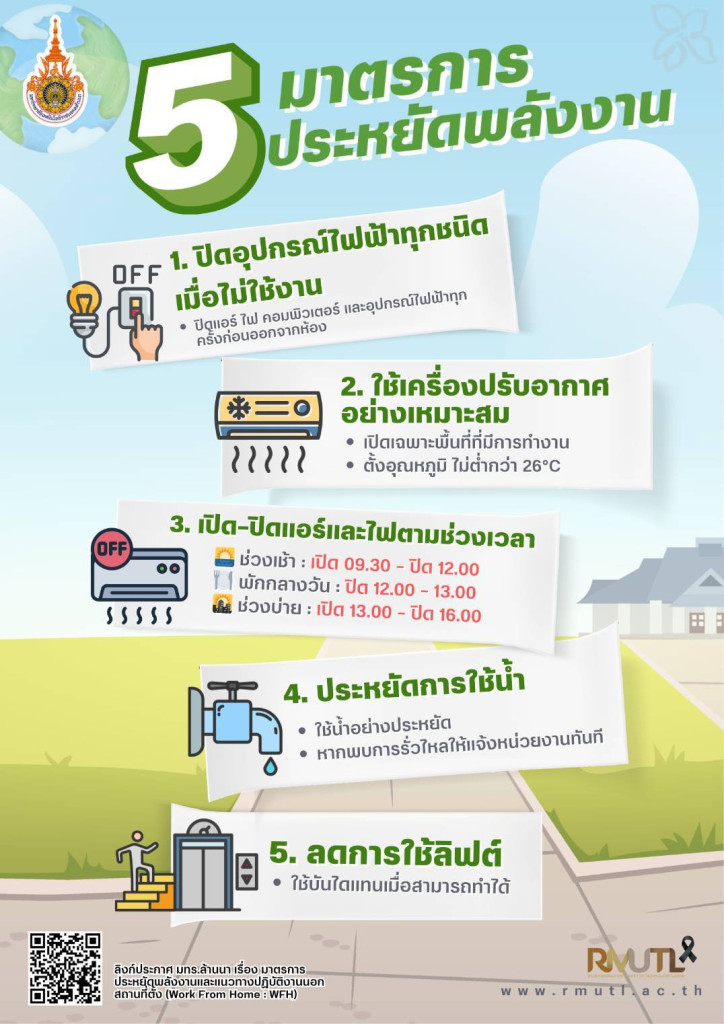
RMUTL has implemented energy conservation measures relevant to reducing emissions associated with university operations. The initiatives include the adoption of an energy-efficient building policy in April 2025, the installation of 18 smart electrical control devices in July 2025, and institutional energy-saving measures announced in March 2026.
These actions provide a foundation for managing energy-related emissions through improved building efficiency and operational practices. However, a verified university-wide greenhouse gas inventory and quantified carbon reduction results have not been established from the reviewed public evidence.
Energy Efficiency as a Foundation for Carbon Reduction
Electricity consumption in university buildings is a potential source of indirect greenhouse gas emissions. Improving the efficiency of electrical equipment and building operations can help reduce such emissions when measurable electricity savings are achieved.
RMUTL’s Building Renovation and Energy Conservation Construction Policy, introduced in April 2025, encourages energy-efficient building development, environmentally responsible materials, and improved resource management.
The policy provides an institutional framework that can support reductions in future building energy demand.
Smart Energy Management and Operational Improvements
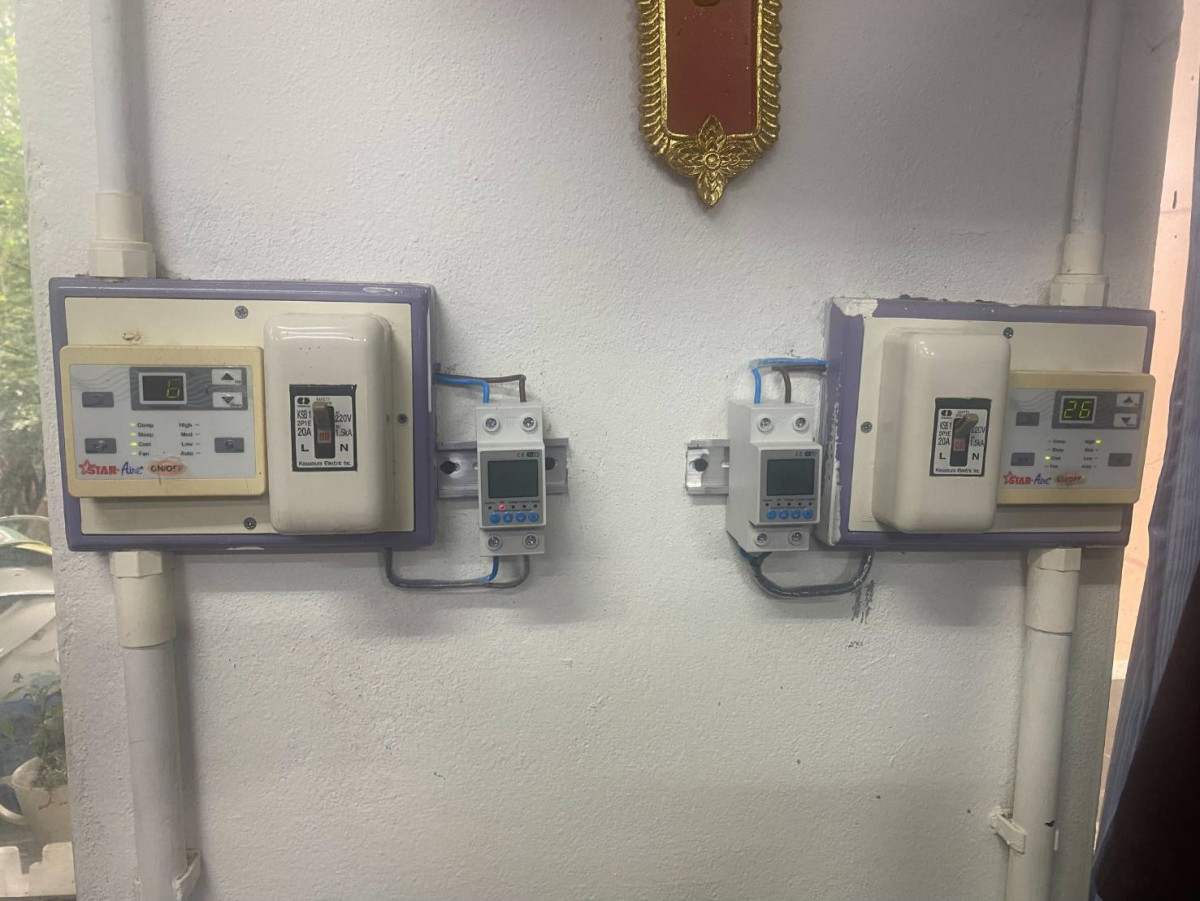
In July 2025, RMUTL Chiang Rai Campus installed 18 Tuya Smart Switch devices in an administrative building.
The system supports electricity monitoring and improved control of electrical equipment, creating opportunities to identify unnecessary consumption.
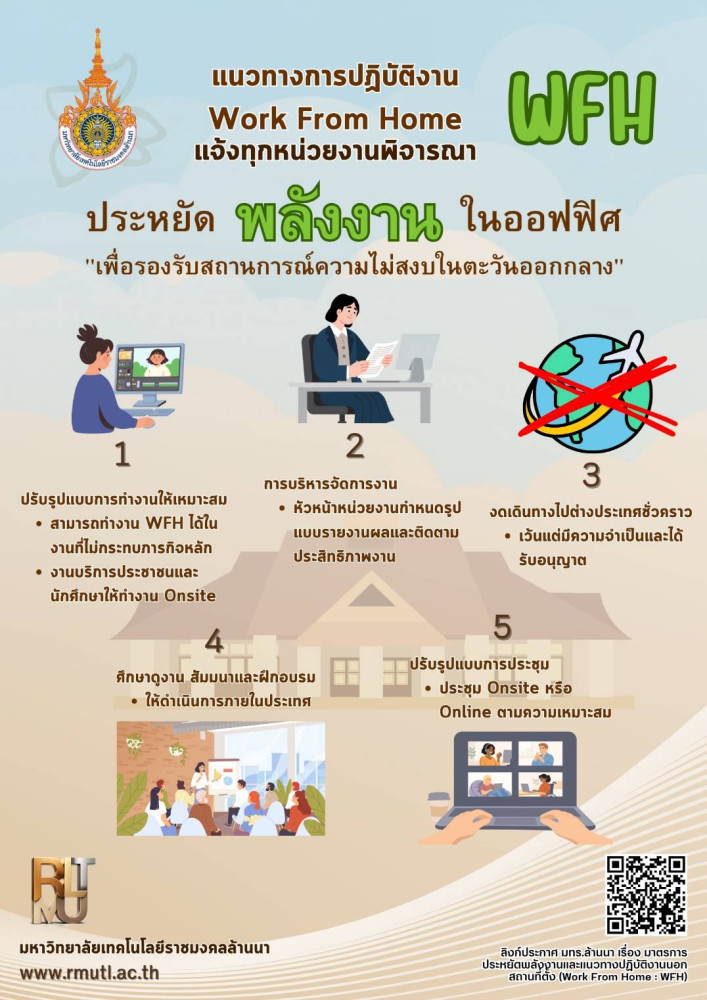
On March 12, 2026, the university introduced energy-saving measures and work-from-home guidelines in response to national energy conservation measures.
These activities demonstrate operational approaches intended to improve energy efficiency and potentially reduce emissions associated with purchased electricity.
Strengthening Carbon Management and Monitoring
Energy-saving measures are relevant to carbon reduction, but a comprehensive institutional carbon management process also requires a defined emissions reporting boundary, baseline data, emissions calculations, reduction targets, and follow-up assessments.
The documented activities provide evidence of energy management actions. They do not, by themselves, establish the university’s total carbon emissions or the quantity of emissions reduced during the reporting period.
The initiatives therefore represent a foundation for further development of measurable carbon management practices.
Summary of Activities and Impacts
| Activity / Event | Promoted Theme | Stakeholders / Participants | Timeframe / The Impact |
|---|---|---|---|
| Energy-efficient building policy | Reduced building energy demand and environmentally responsible infrastructure | RMUTL administrators and infrastructure units | April 2025 — Established policy guidance relevant to reducing future energy-related emissions |
| Smart electricity control installation | Monitoring and reducing unnecessary electricity consumption | RMUTL Chiang Rai Campus, electrical engineering students, facility personnel | July 2025 — Installed 18 smart switches with potential to support electricity and associated emission reductions |
| University energy-saving measures | Institutional energy conservation and resource management | University administration, staff, and campus units | March 2026 — Introduced operational measures intended to reduce energy consumption |
| Development of a more comprehensive carbon management approach | Emissions accounting, monitoring, and performance evaluation | University management and responsible environmental and energy units | Further evidence required — No verified university-wide reduction quantity established from the reviewed news |