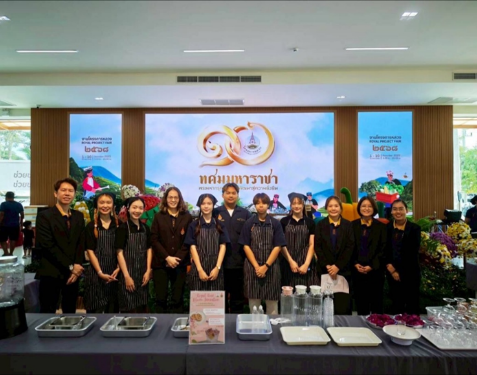
Rajamangala University of Technology Lanna (RMUTL) supports local farmers and food producers through training, knowledge exchange, technology transfer, and collaborative activities. These initiatives promote safe and sustainable agriculture, improve food processing, add value to local products, and expand market opportunities. By connecting researchers, government agencies, farmers, and community enterprises, RMUTL strengthens agricultural skills, encourages innovation, creates income opportunities, and contributes to local economic development and food security under SDG 2: Zero Hunger.
RMUTL Agricultural Technology Research Institute Supports Safe Agriculture and Community Income
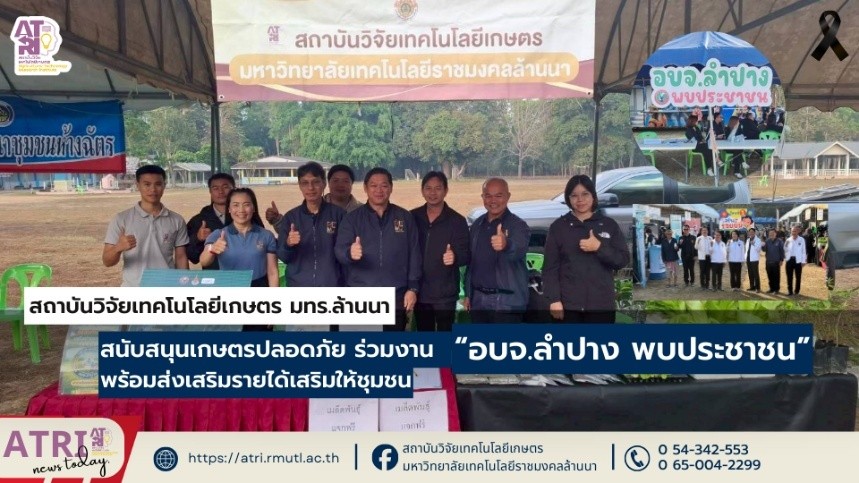
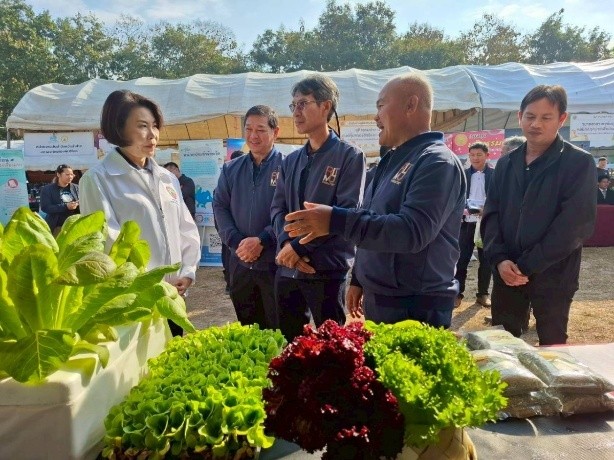
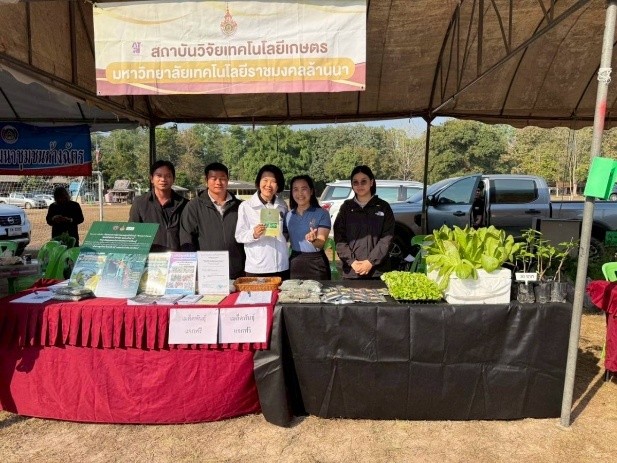
On January 29, 2026, RMUTL’s Agricultural Technology Research Institute participated in the “Lampang Provincial Administrative Organization Meets the People” event at Ban San Sai School, Wiang Tan Subdistrict, Hang Chat District, Lampang Province. The institute distributed vegetable seedlings to local residents to encourage household vegetable cultivation, strengthen food security, reduce living expenses, and create supplementary income opportunities. The activity also promoted public participation and cooperation between local communities and government agencies.
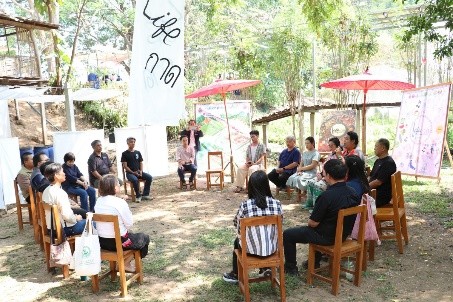
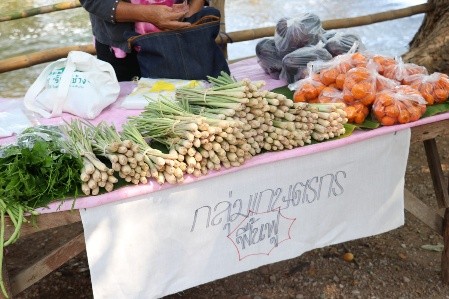
RMUTL Lampang Launches “Life Kad” to Promote Safe Agriculture and Sustainable Community Tourism
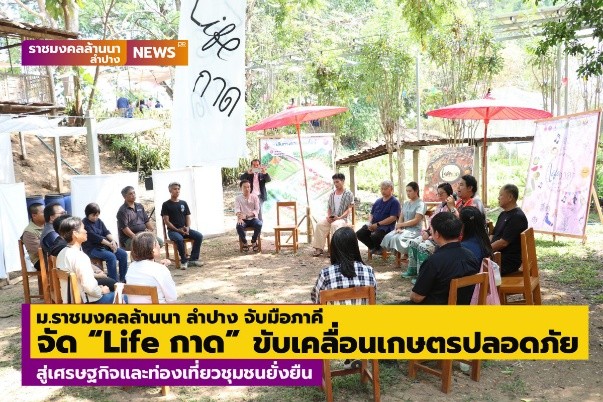
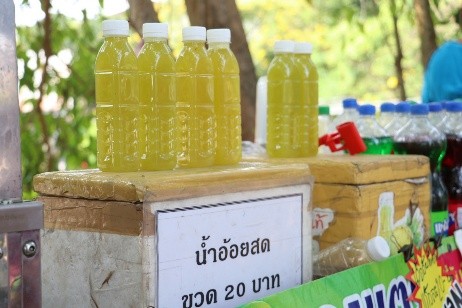
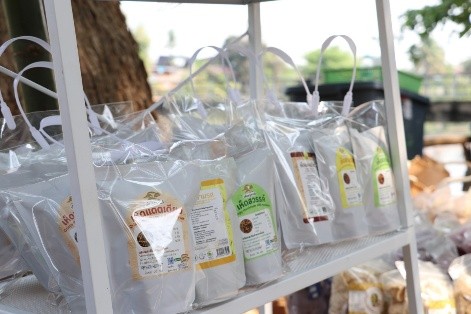
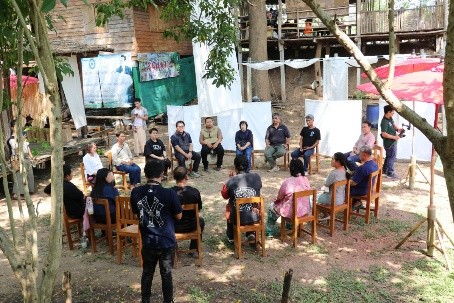
On March 22, 2026, RMUTL Lampang collaborated with the Lampang Farmers Rehabilitation and Development Fund and local partners to organize “Life Kad: A Market of Life and Learning” in Mae Tha District, Lampang Province. The green market provided a platform for local producers to sell chemical-free agricultural products, fresh produce, processed foods, and herbs. It also encouraged knowledge exchange, community learning, and collaboration to strengthen local agriculture, tourism, and sustainable livelihoods.

RMUTL’s C-FI Promotes Local Food Innovation Through “Taste & Shop”
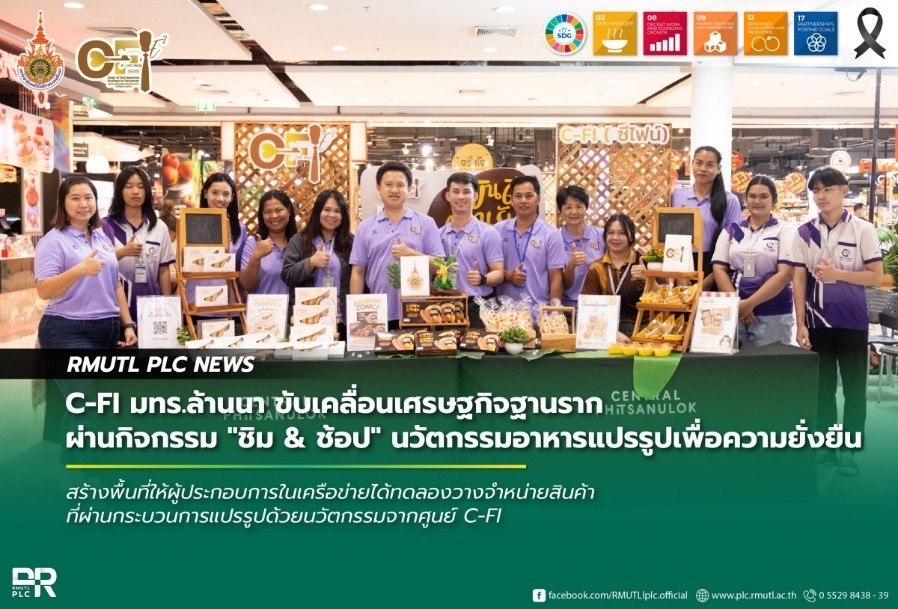
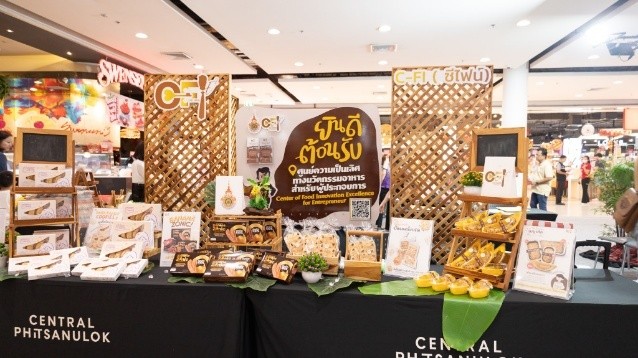
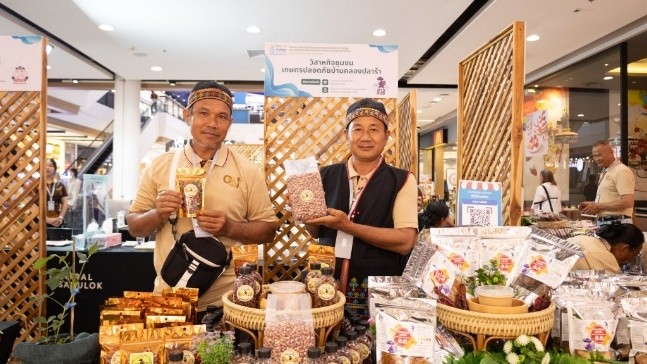
On February 14–15, 2026, RMUTL’s Center of Excellence in Food Innovation for Entrepreneurs (C-FI) organized a “Taste & Shop” event at Central Phitsanulok to showcase ten innovative processed food products developed from local agricultural ingredients. The activity allowed community entrepreneurs to introduce their products, gather customer feedback, and improve product development. The initiative aims to increase the value of agricultural produce, expand market opportunities, and strengthen the grassroots economy through food innovation.
RMUTL Phitsanulok Trains Personnel in Soil Analysis to Improve Organic Rice Production
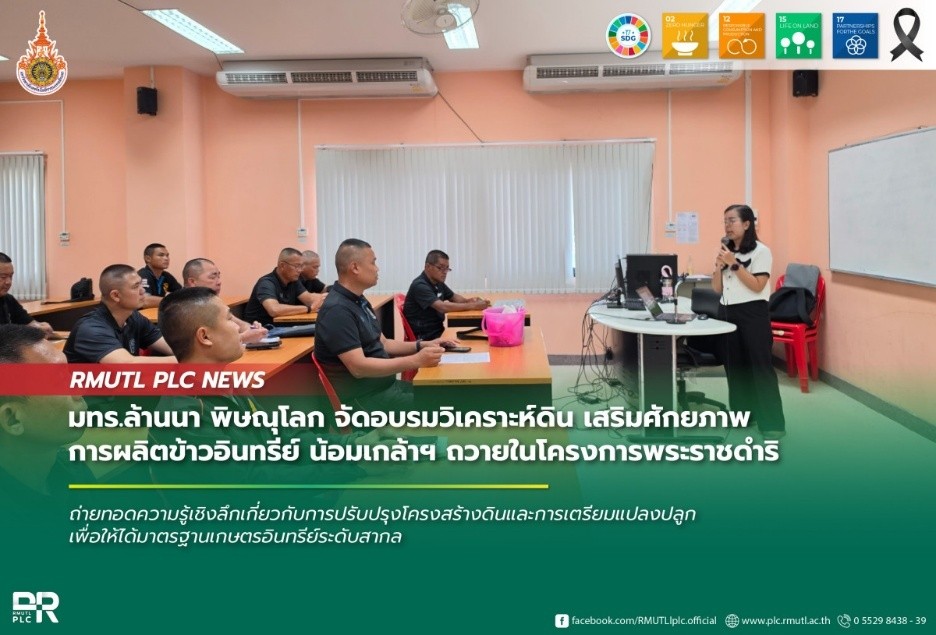
On March 30, 2026, RMUTL Phitsanulok organized a training program for personnel involved in the Third Army Area’s organic rice cultivation project. Plant science experts shared practical knowledge on soil analysis, soil structure improvement, and field preparation in accordance with organic farming standards. The training aimed to improve production efficiency and organic rice seed quality, supporting sustainable agriculture and food security for farmers and communities.
RMUTL Opens Banana U-Bank to Strengthen Agricultural Networks and Local Businesses
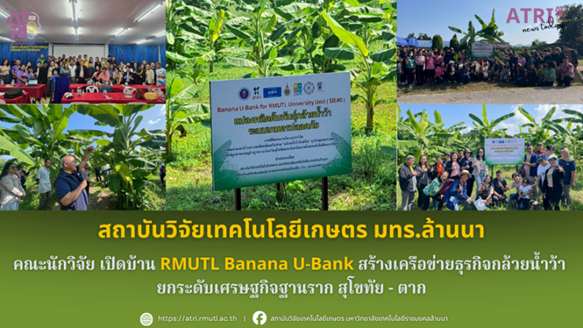
On October 21–22, 2025, RMUTL’s Agricultural Technology Research Institute organized the Local Banana Network Meeting and Banana U-Bank Open House in Lampang. The event connected government agencies, researchers, farmers, and community entrepreneurs from Sukhothai and Tak to exchange knowledge and develop banana production, processing, and marketing. Training covered safe and organic farming, food production standards, tissue culture, product processing, facility design, and product registration. The initiative supports agricultural innovation, value-added products, and sustainable community enterprises.

RMUTL Shares Food Innovation and Processing Knowledge Through a Royal Project Learning Activity
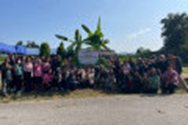
On December 9, 2025, RMUTL lecturers from the Food Engineering and Innovation Program, College of Integrated Science and Technology, participated in a Royal Project Foundation learning activity in Chiang Mai. They showcased research-based food products, including Rose Waffle and Blooming Rose Drink, demonstrating how local ingredients can be transformed into innovative, value-added products. The activity encouraged knowledge exchange and highlighted the university’s role in food technology, product development, and the sustainable use of local resources