Rajamangala University of Technology Lanna (RMUTL) actively initiates and participates in cross-sectoral dialogue to address regional development challenges and promote sustainable economic, social, and environmental development. Through collaboration with government agencies, the Royal Project Development Centers, financial institutions, research networks, and local communities, the university provides platforms for stakeholder consultation, knowledge exchange, joint problem-solving, and collaborative planning.
Between January 2025 and March 2026, RMUTL engaged in several multi-stakeholder initiatives addressing sustainable agriculture, highland development, wildfire prevention, community economic development, and research-driven innovation. These activities demonstrate the university’s commitment to connecting academic expertise with the practical knowledge and needs of development partners while encouraging shared responsibility for sustainable development.
Cross-Sectoral Dialogue on Sustainable Agriculture and Highland Development
RMUTL strengthened collaboration with the Royal Project Development Centers through stakeholder consultations, field discussions, and joint planning activities aimed at addressing the interconnected challenges of highland agricultural development, environmental conservation, and community livelihoods.
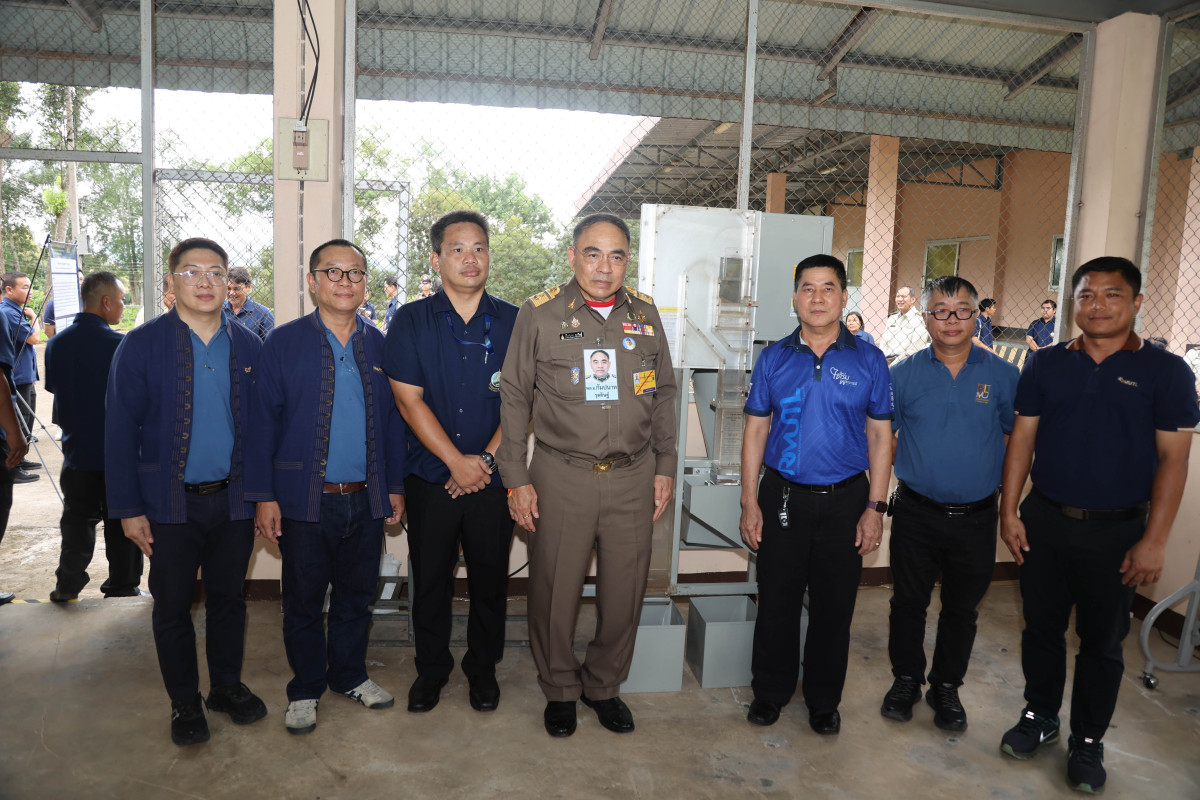
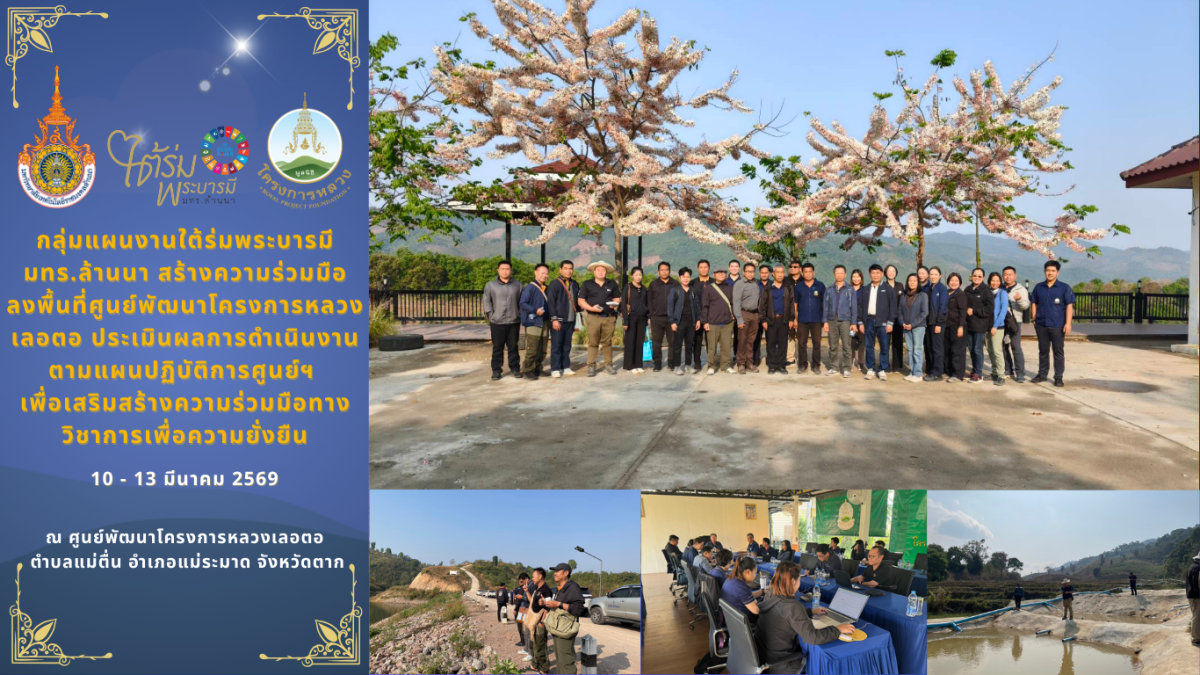
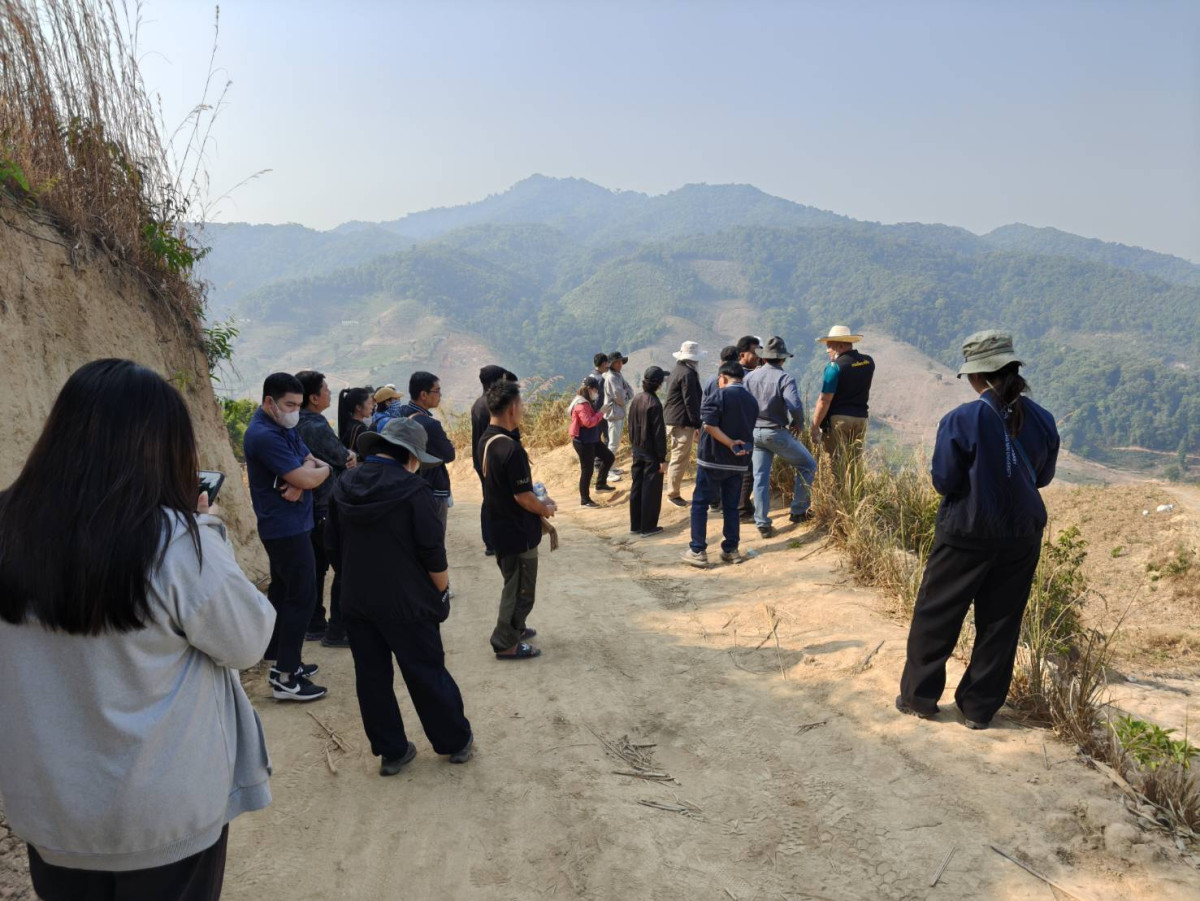
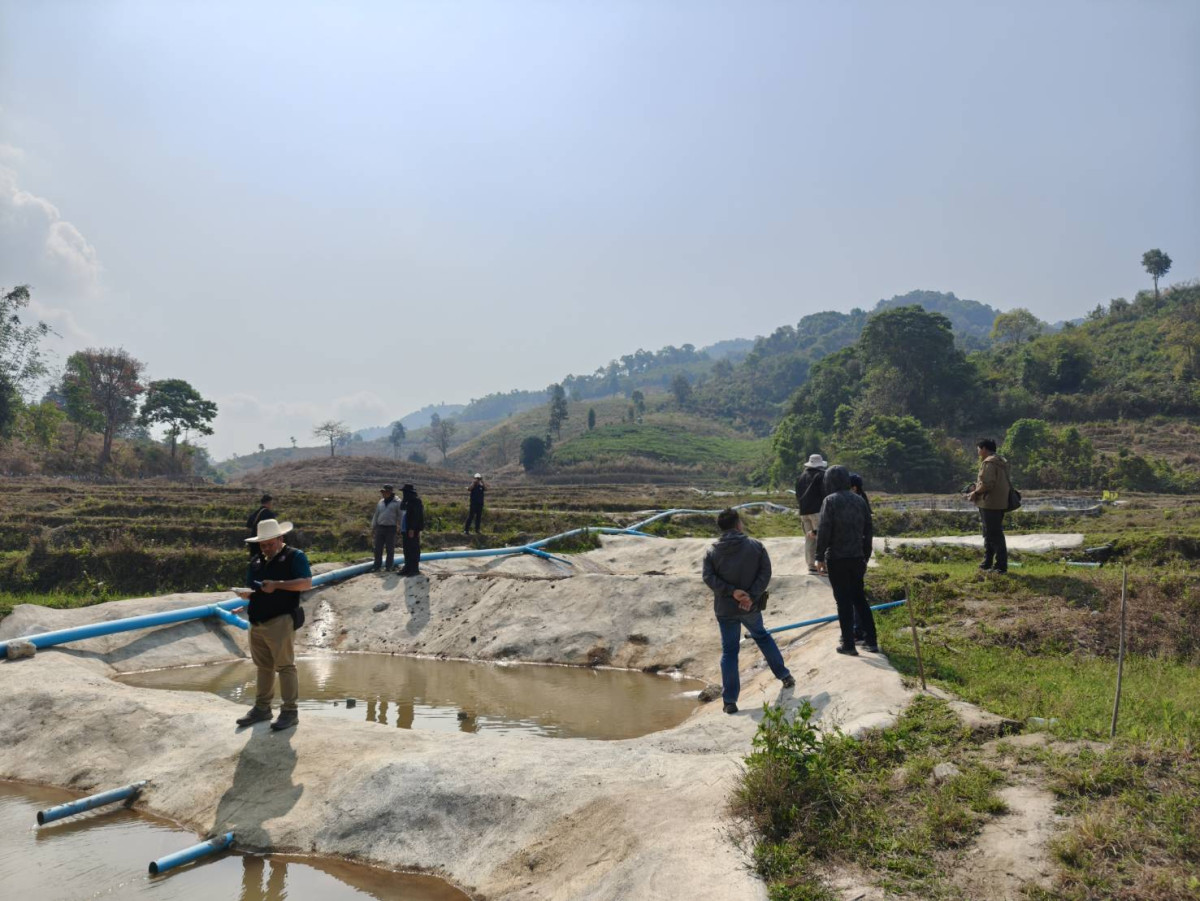
During March 10–13, 2026, RMUTL’s Royal Initiative Project Working Group and Community Technology Transfer Institute worked with the Le Tor Royal Project Development Center in Tak Province to review ongoing development activities and jointly formulate a collaborative action plan for 2026–2027 and a five-year development framework for 2028–2032.
The meetings provided opportunities for university researchers, technical personnel, and Royal Project Development Center representatives to exchange perspectives on water and soil management, waste management, forest conservation, sustainable agriculture, local livelihoods, handicraft development, and appropriate technology applications.
Rather than focusing solely on technology transfer, the discussions emphasized identifying local development priorities, understanding stakeholder needs, and exploring practical approaches to improving agricultural productivity while minimizing environmental impacts. The collaborative planning process established shared directions for future cooperation in food security, sustainable livelihoods, natural resource management, and community resilience.
On March 30, 2026, RMUTL further strengthened dialogue with the Thung Luang Royal Project Development Center in Chiang Mai Province through knowledge exchange and an assessment of the university’s academic service activities.
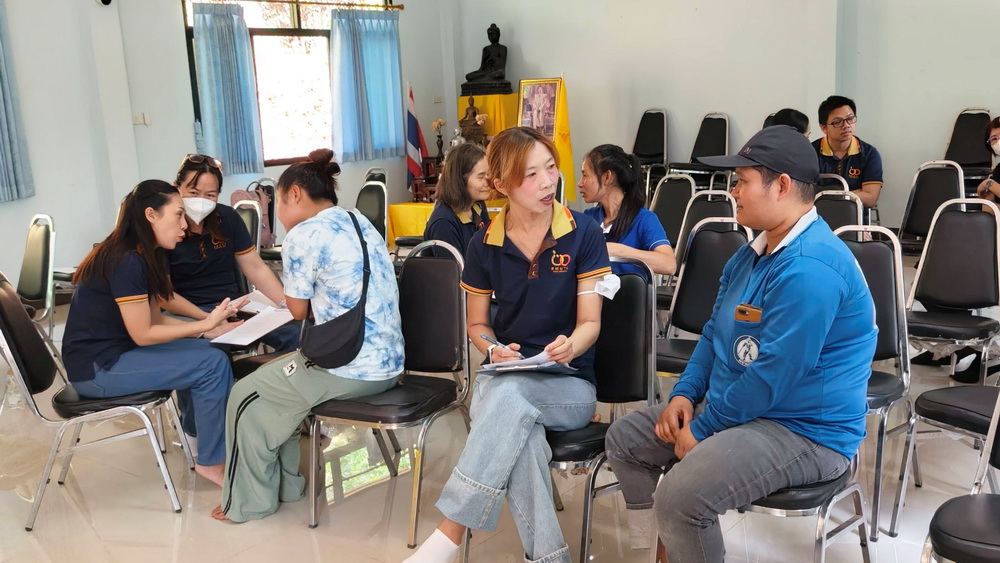
The university conducted stakeholder interviews and questionnaires using an Impact Pathway approach to examine the economic, social, and environmental contributions of its activities. Discussions also focused on RMUTL’s cold-air vegetable dewatering technology, with Center personnel providing operational feedback on post-harvest management, product quality, and opportunities for technological improvement.
This exchange demonstrated a two-way collaboration in which academic research and technical expertise were complemented by practical knowledge from development partners. The findings and stakeholder feedback provided information for improving university-supported innovations and aligning future activities with actual agricultural and community needs.
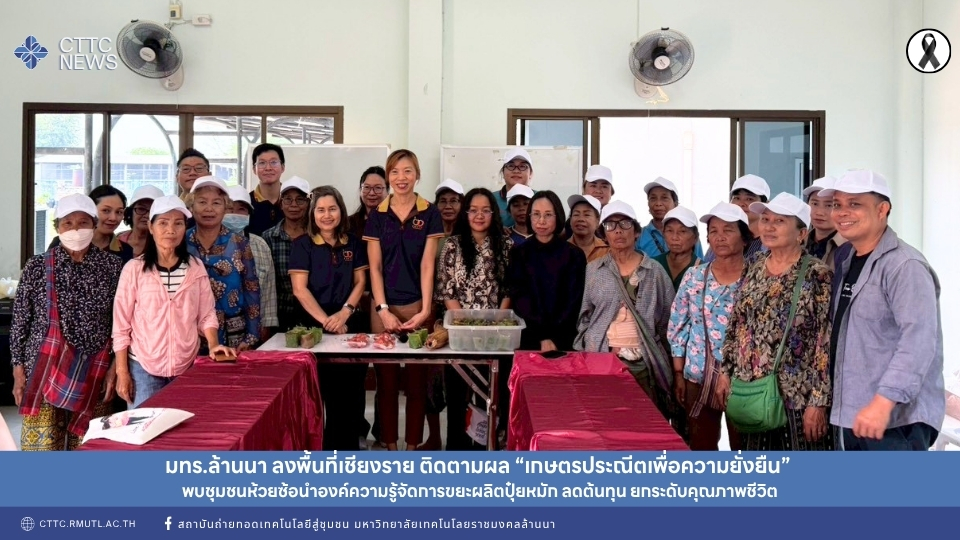
Government–University–Community Dialogue for Wildfire Prevention and Environmental Resilience
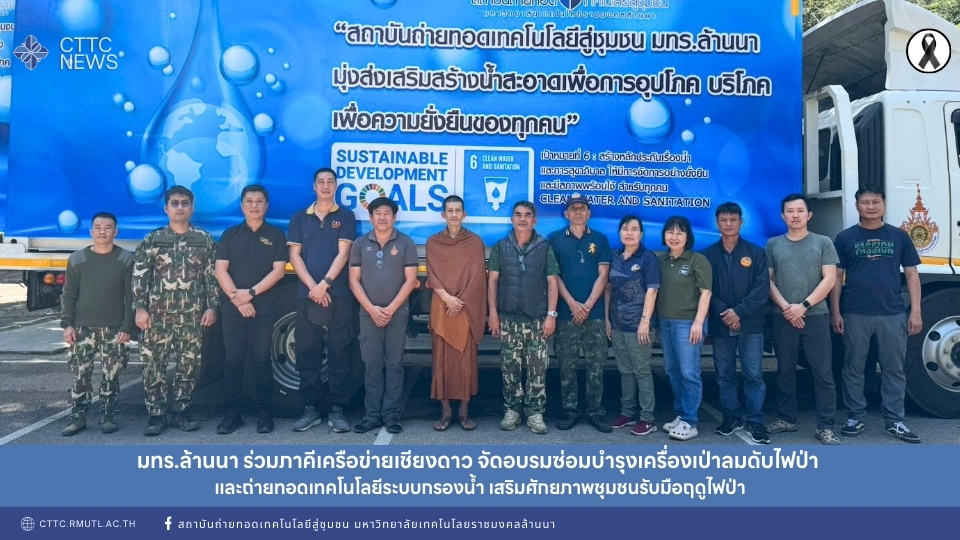
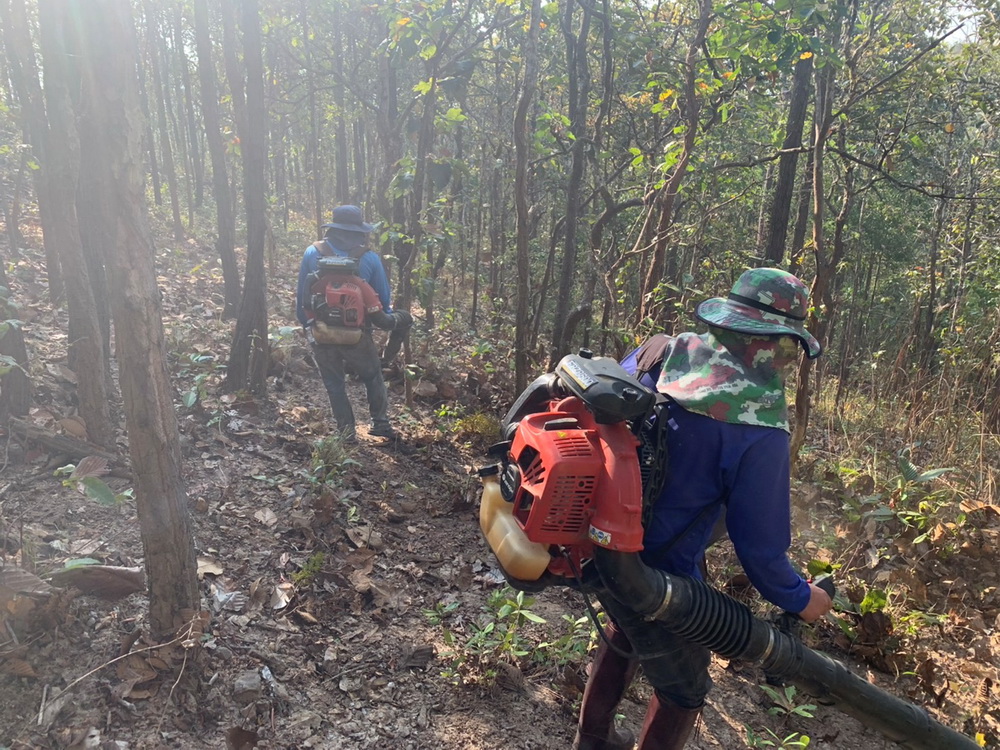
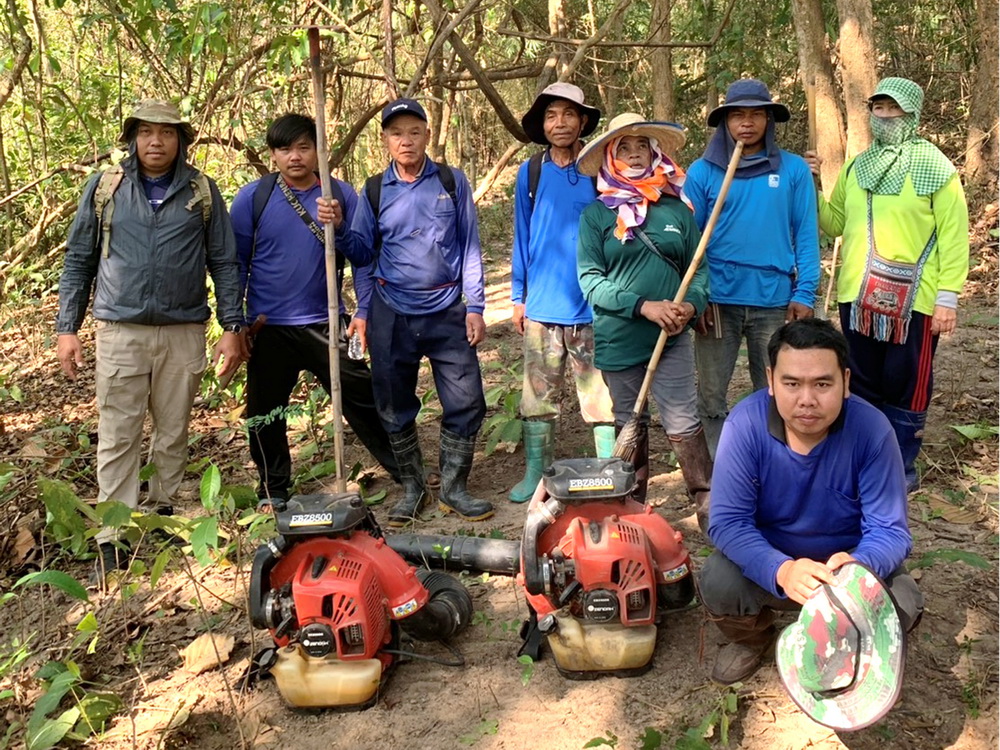
During February 25–27, 2026, RMUTL, through its Community Technology Transfer Institute, collaborated with the Chiang Dao Wildlife Sanctuary and local community networks in Chiang Mai Province to strengthen cooperation on wildfire prevention, environmental management, and access to clean water.
The initiative brought together university lecturers, engineering students, technical personnel, government officers, and community representatives to exchange operational experiences, identify equipment maintenance needs, and address common challenges associated with wildfire preparedness.
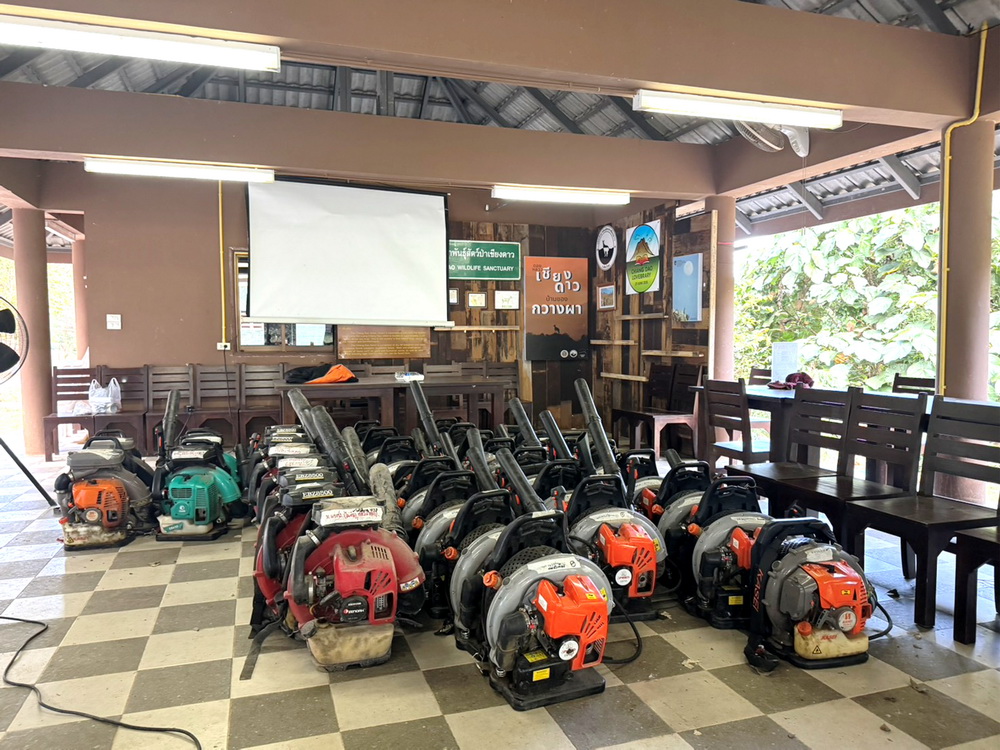
A practical workshop involving 40 participants focused on small-engine maintenance, fault diagnosis, preventive maintenance, and the preparation of wildfire leaf blowers. A total of 60 wildfire leaf blowers were inspected and maintained to support local wildfire prevention operations.
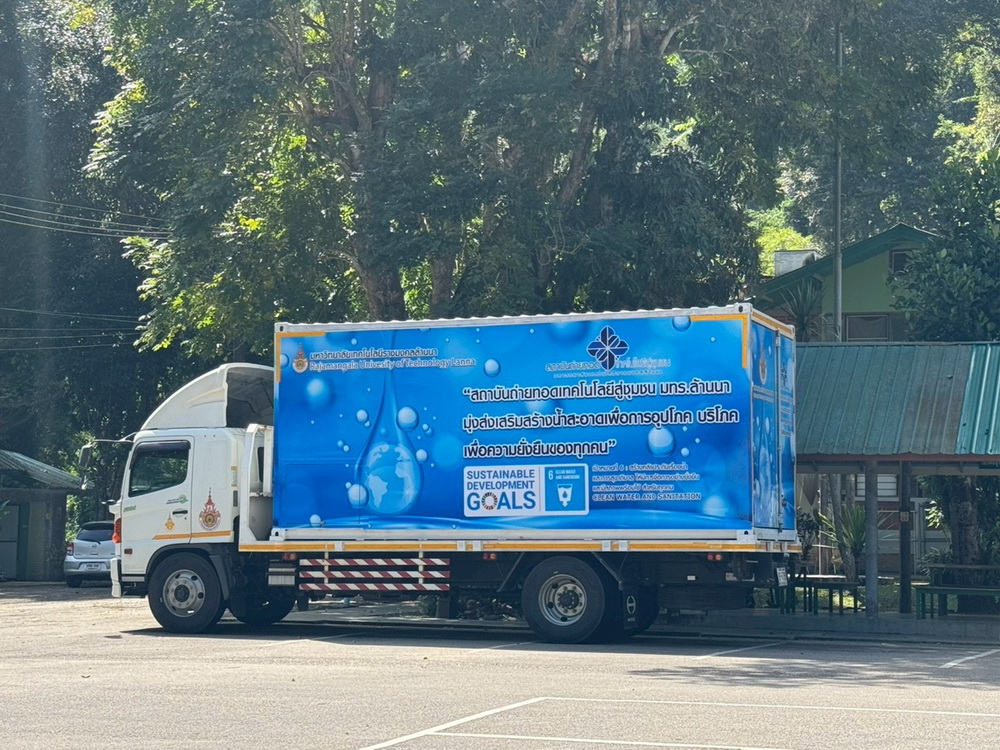
The university also transferred knowledge related to its Hydro Pure water filtration system and provided 3,000 bottles of clean drinking water to communities and volunteer networks supporting wildfire prevention and firefighting activities.
Beyond technical assistance, this collaboration created opportunities for communication between government personnel, university specialists, and local stakeholders. Community representatives contributed their understanding of local environmental conditions and operational difficulties, while RMUTL provided technical knowledge and practical solutions.
The initiative illustrates how cross-sectoral dialogue can connect environmental protection, public safety, community well-being, and technological capacity building through coordinated action among different stakeholders.
Multi-Stakeholder Dialogue for Community Economic Development and Cultural Preservation
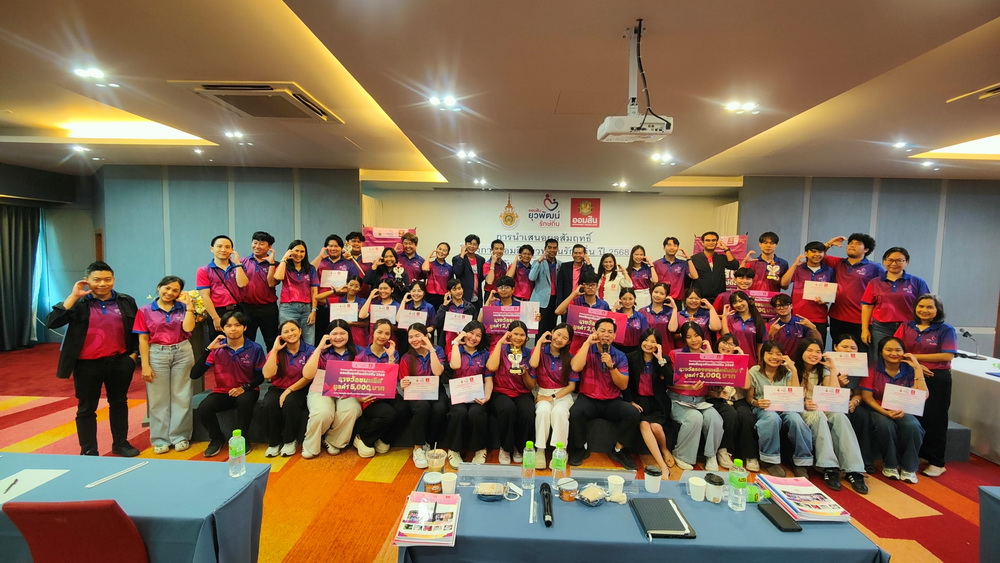
RMUTL also promoted collaboration among higher education, the financial sector, and local communities through the 2025 Government Savings Bank (GSB) Yuwapat Rakthin Programme.
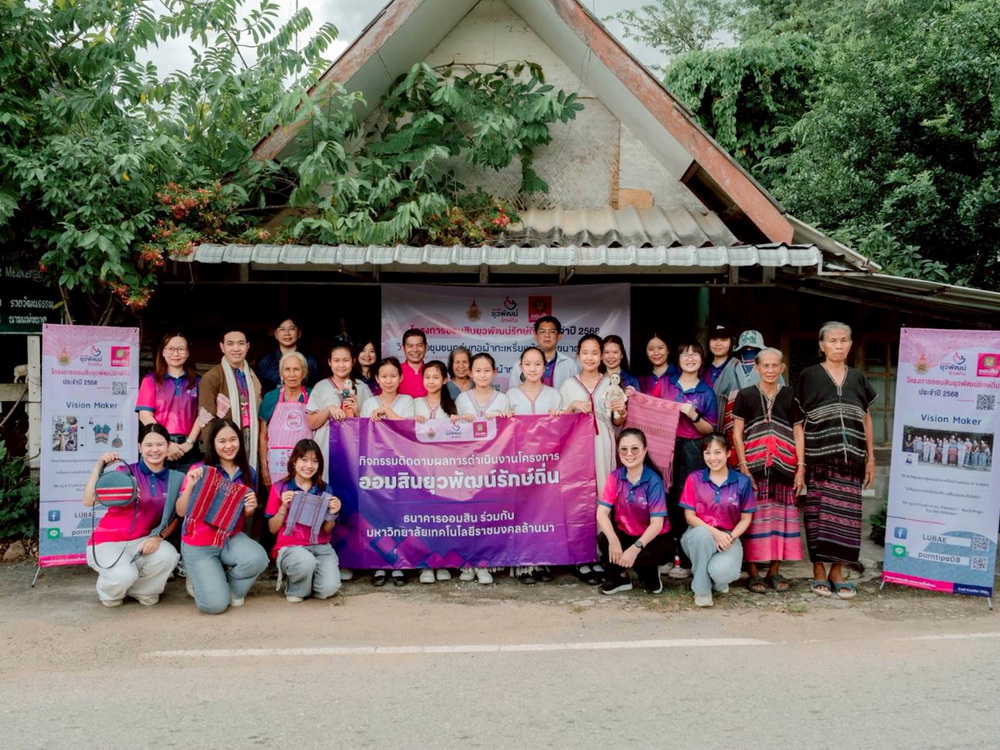
On August 15, 2025, representatives from RMUTL and GSB Region 8 visited Ban Mae Khanad Community in Lamphun Province to review progress on a project supporting the conservation and development of traditional naturally dyed backstrap weaving of the Pwo Karen ethnic group.
The engagement involved university staff, students, financial-sector representatives, and community enterprise members. Discussions focused on local needs, cultural preservation, product development, community enterprise management, and market opportunities.
The RMUTL Vision Makers student team presented collaborative outputs developed with the community, including a Story Lookbook, an E-book, digital marketing materials, and video content promoting traditional weaving and its cultural significance.
This initiative provided an opportunity for stakeholders from different sectors to exchange knowledge and review project outcomes while exploring ways to strengthen community enterprises. It also demonstrated how dialogue between educational institutions, financial organizations, and local communities can support cultural preservation, inclusive economic opportunities, and sustainable local livelihoods.
Cross-Sectoral Dialogue on Research and Innovation for Social Impact
During March 17–19, 2026, RMUTL, through its Research and Development Institute, participated in the Research and Innovation Management Professional (RIMP) training program in Trang Province.
The program brought together research professionals and experts from the nine Rajamangala Universities of Technology network, alongside representatives and specialists from Thailand’s research and higher education sectors.
Participants exchanged perspectives on strengthening research and innovation management, particularly the transition from publication-centered research toward research that generates measurable economic, social, and community benefits.
The program included workshops on research proposal development, research management, and a study visit to the Na Muen Si Weaving Community Learning Center, where participants examined practical approaches to connecting academic research with local development needs.
Through this professional network, RMUTL participated in broader discussions on aligning university research and innovation with national development priorities, community needs, social inclusion, and sustainable economic development.
The activity strengthened professional relationships and created opportunities for continued cooperation among universities, research organizations, and community stakeholders.
Institutional Contributions to Cross-Sectoral Dialogue and Sustainable Development
Collectively, these initiatives demonstrate RMUTL’s engagement in cross-sectoral dialogue through five interconnected dimensions.
Stakeholder Engagement and Inclusive Participation: RMUTL facilitated and participated in discussions involving government agencies, development organizations, financial institutions, academic and research networks, and local communities. These activities created opportunities for different stakeholder groups to share perspectives and contribute to discussions on common development challenges.
Knowledge Exchange and Joint Problem-Solving: The university connected research findings, technical expertise, and academic resources with the practical experiences of development partners and community members. This approach supported the identification of local challenges and the consideration of context-appropriate solutions.
Collaborative Planning and Shared Development Priorities: Joint discussions with the Royal Project Development Centers supported the identification of common priorities and the preparation of future cooperation frameworks, particularly for sustainable agriculture, natural resource management, and highland community development.
Capacity Building and Practical Cooperation: Dialogue was accompanied by collaborative activities, including technical training, equipment maintenance, agricultural technology assessment, and community enterprise development. These activities demonstrated how stakeholder engagement can be translated into practical cooperation.
Long-Term Partnerships and Institutional Networks: RMUTL strengthened relationships with public agencies, development partners, professional research networks, and communities, establishing a foundation for continued consultation, knowledge sharing, and collaborative initiatives.
Through these activities, RMUTL demonstrates an active institutional role in bringing together stakeholders from different sectors to discuss shared sustainability challenges and develop collaborative responses. Its contributions extend beyond individual academic service projects by promoting stakeholder participation, interdisciplinary knowledge exchange, and cooperation across organizational boundaries.
The university’s continued engagement with government institutions, development organizations, research networks, and local communities supports a more inclusive and coordinated approach to regional development, connecting academic knowledge with practical action to improve livelihoods, strengthen environmental resilience, and advance sustainable community development.
Summary of Cross-Sectoral Dialogue Initiatives and Their Contributions to Sustainable Development
| Date | Activities and Partners | Key Discussion Topics | Benefits and Potential Impacts on Communities and Society |
|---|---|---|---|
| August 15, 2025 | RMUTL, Government Savings Bank (GSB), and Ban Mae Khanad Community, Lamphun Province | Community enterprise development, traditional knowledge preservation, cultural heritage, and local economic opportunities | Strengthened collaboration among the university, financial sector, and local communities. Supported the preservation and promotion of traditional weaving, improved community product communication and marketing materials, and created opportunities for sustainable local income generation. |
| February 25–27, 2026 | RMUTL, Chiang Dao Wildlife Sanctuary, and local community networks, Chiang Mai Province | Wildfire prevention, disaster preparedness, environmental protection, and community-based resource management | Improved the operational readiness of wildfire prevention teams through technical training and equipment maintenance, including 60 wildfire leaf blowers. Strengthened local technical capacity, interagency coordination, and community preparedness for wildfire risks. |
| March 10–13, 2026 | RMUTL and Le Tor Royal Project Development Center, Tak Province | Joint short- and long-term planning for sustainable highland development, agricultural improvement, natural resource conservation, and community livelihoods | Established shared development priorities and cooperation frameworks for 2026–2027 and 2028–2032. Provided a foundation for improving highland agricultural practices, environmental management, and community livelihoods through coordinated planning and future technology transfer. |
| March 17–19, 2026 | RMUTL and Research and Innovation Management Professional (RIMP) Network | Research and innovation management, social impact, research collaboration, and community-oriented innovation | Strengthened research management capabilities and professional networks. Promoted approaches for aligning research and innovation with community needs and national development priorities, supporting opportunities for future research utilization and social benefits. |
| March 30, 2026 | RMUTL and Thung Luang Royal Project Development Center, Chiang Mai Province | Agricultural technology exchange, impact assessment, post-harvest management, and innovation improvement | Supported the assessment and refinement of agricultural technologies through stakeholder feedback and practical field experience. Identified opportunities to improve post-harvest processes and technology suitability, with potential benefits for agricultural productivity, product quality, and local farming communities. |
Overall Contributions and Institutional Impact
Across these five initiatives, RMUTL demonstrated sustained engagement in cross-sectoral dialogue involving government agencies, development organizations, financial institutions, academic networks, and local communities. The activities supported knowledge exchange, joint planning, technical capacity building, and the identification of shared development priorities.
The documented contributions include the maintenance of 60 wildfire prevention devices, the development of community marketing materials, the preparation of highland development cooperation frameworks, and stakeholder-informed improvements to agricultural technology. These initiatives also established opportunities for longer-term benefits in environmental resilience, agricultural productivity, community livelihoods, research utilization, and regional development.
Sources:
-
RMUTL Strengthens Cross-Sectoral Dialogue for Sustainable Wildfire Prevention in Chiang Dao — February 25–27, 2026.
-
RMUTL Promotes Cross-Sectoral Dialogue for Sustainable Community Development — August 15, 2025.
-
RMUTL Advances Impact-Driven Research through the RIMP Professional Network — March 17–19, 2026.