
RMUTL has long served as a key higher education institution in northern Thailand, emphasizing applied sciences, technology, and innovation that directly support community development and poverty reduction. In alignment with Thailand’s national strategy on sustainable development and the United Nations Sustainable Development Goals (particularly SDG 1 – No Poverty and SDG 8 – Decent Work and Economic Growth), RMUTL integrates community engagement, entrepreneurship promotion, and knowledge transfer into its academic and research missions.
RMUTL’s community anti-poverty programs focus on empowering people at the local level to become self-reliant through the establishment of sustainable enterprises, increased access to resources and services, and the development of local innovations. The university collaborates extensively with the Government Savings Bank (GSB), the National Research Council of Thailand (NRCT), and the Office of Small and Medium Enterprises Promotion (OSMEP), among other partners. These collaborations have yielded practical mechanisms for start-up assistance, financial support, and improved access to essential services — directly contributing to economic resilience among rural communities in the northern provinces.
This report presents RMUTL’s 2024 initiatives organized under three dimensions corresponding to international higher education indicators for community engagement and poverty reduction:
-
Local Start-up Assistance
-
Local Start-up Financial Assistance
-
Programs for Services Access
Each section provides an overview of the university’s activities, outcomes, and collaborations, with supporting evidence drawn from RMUTL’s official reports and verified online publications.
| Category | Resources / Facilities Available | Access Procedures & Support | Special Service Models / Support Measures | Partnership / Collaborating Organizations |
|---|---|---|---|---|
| Start-up Assistance & Education | Entrepreneurship Education integrated across faculties; project-based learning courses; mentoring programs for students and communities; university laboratories and design facilities for product and brand development | Internal and public calls for project proposals; student–community teams formed through faculty coordination; mentorship and training sessions scheduled regularly; use of RMUTL’s labs and creative spaces under academic supervision | Free or subsidized access for community partners; capacity-building workshops; priority for projects within six northern provinces; continuous coaching from RMUTL faculty and experts | Government Savings Bank (GSB) Region 8, Local Administrative Organizations, Community Enterprises Network, RMUTL Institute of Technology Transfer to the Community |
| Financial Support for Local Start-ups | Micro-grant and funding schemes via GSB Yuwapat Rak Thin Project; awards and trophies for best community enterprises; scholarship and seed-fund programs under Smart Start Idea by GSB Startup | Proposal submission through RMUTL’s innovation and entrepreneurship unit; selection based on sustainability, feasibility, and social impact; financial support disbursed through project agreements | Tiered funding: seed money for prototype phase, higher grants for excellence awards; integration of financial literacy and entrepreneurship education; ongoing mentorship | Government Savings Bank (GSB), University Business Incubator (UBI RMUTL), Local Government Units, Regional GSB Offices |
| Access to Technical and Service Facilities | RMUTL Scientific Instrument & Service Unit; analytical tools (GC-MS, HPLC, SEM, UV-VIS, pesticide residue testing); mobile outreach labs; technology transfer clinics for MSMEs and rural entrepreneurs | Access via appointment or registration with the Service Unit; consultation and diagnostic services provided; on-site training and product analysis; post-service follow-up and support | Reduced or free service fees for community enterprises; on-site roadshow activities (e.g., SME Academy On Tour); integration of academic research and community innovation; inclusive access to science infrastructure | Office of Small and Medium Enterprises Promotion (OSMEP), National Research Council of Thailand (NRCT), Local MSMEs and Cooperatives, RMUTL Faculty of Science and Agricultural Technology (Chiang Rai) |
| Community-Based Research and Innovation Development | Field research centers for agri-innovation and food processing; community laboratories; applied research projects (e.g., Avocado Value-Added Product Development in Ban Pong, Chiang Mai) | Project initiation through national CBR funding (NRCT); participatory planning with community leaders; training and dissemination of research results; monitoring and evaluation of socio-economic impact | Capacity-building of local researchers; open innovation network linking RMUTL with local farmers and schools; knowledge transfer through workshops and demonstration farms | National Research Council of Thailand (NRCT), Ban Pong Municipality, Royal Project Development Center (Huai Siew), Local Farmer Groups, RMUTL College of Agro-Industry and Innovation |
Local Start-up Assistance
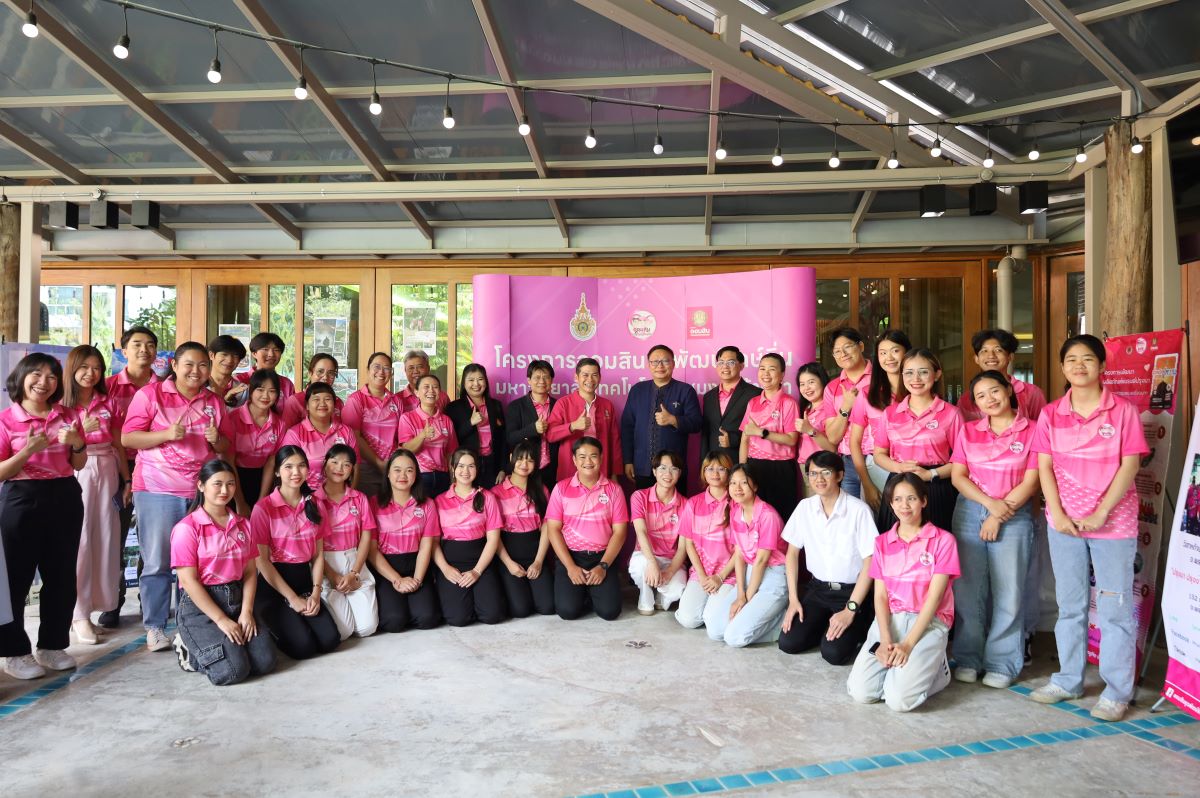
RMUTL actively assists communities in starting financially and socially sustainable businesses by providing relevant education, mentorship, and technical resources. The university operates as both a knowledge hub and a practical incubator, where academic expertise is transformed into economic opportunity for local entrepreneurs and community enterprises. A primary initiative illustrating this effort is the GSB Yuwapat Rak Thin Project 2024, a partnership with the Government Savings Bank (GSB) Region 8.
Educational Support and Mentorship for Local Innovation
The GSB Yuwapat Rak Thin project serves as a platform for students and faculty to work collaboratively with local enterprises in developing innovative products and services. Each participating student team receives guidance from RMUTL instructors, GSB mentors, and local community leaders. The university provides access to laboratories, design facilities, and marketing knowledge, while emphasizing sustainability in business planning.
Through this initiative, RMUTL integrates entrepreneurship education into its broader academic ecosystem. Students are trained to apply principles of innovation, product design, and financial literacy directly to real-world community contexts. The curriculum uses project-based learning to foster practical experience, linking theoretical knowledge to measurable community outcomes.
Key examples from 2024 include:
-
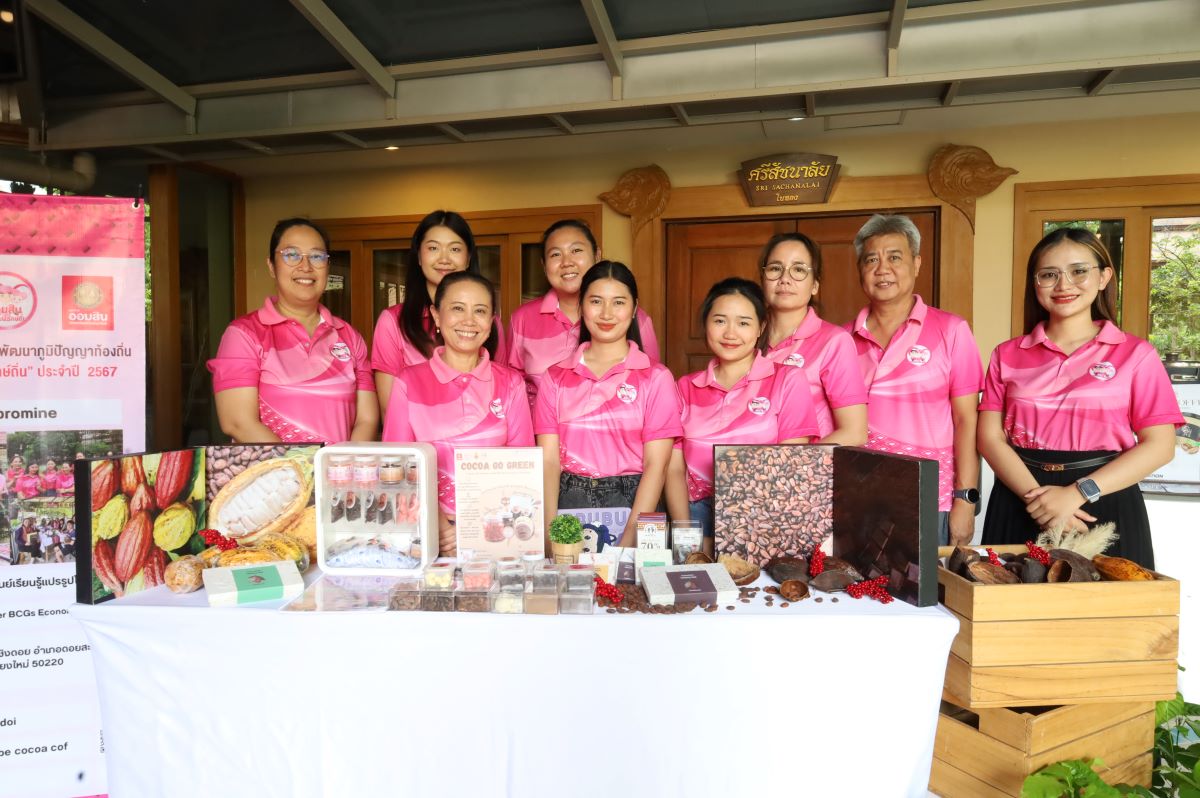
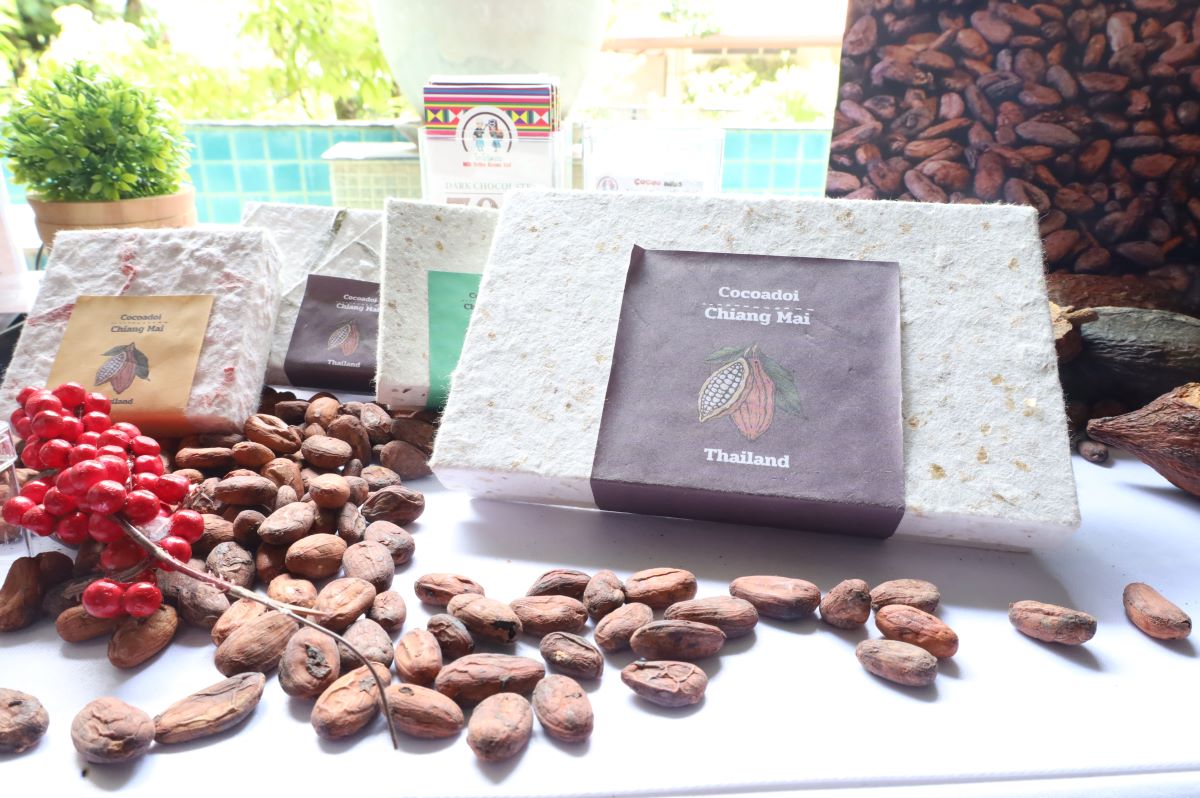
Team Theobromine collaborated with the Cocoa Processing Learning Center in Doi Saket, Chiang Mai, developing the “Good Mood Cocoa” product line. Through packaging redesign, quality improvement, and FDA registration support, the project increased local sales revenue by over 220%.
-
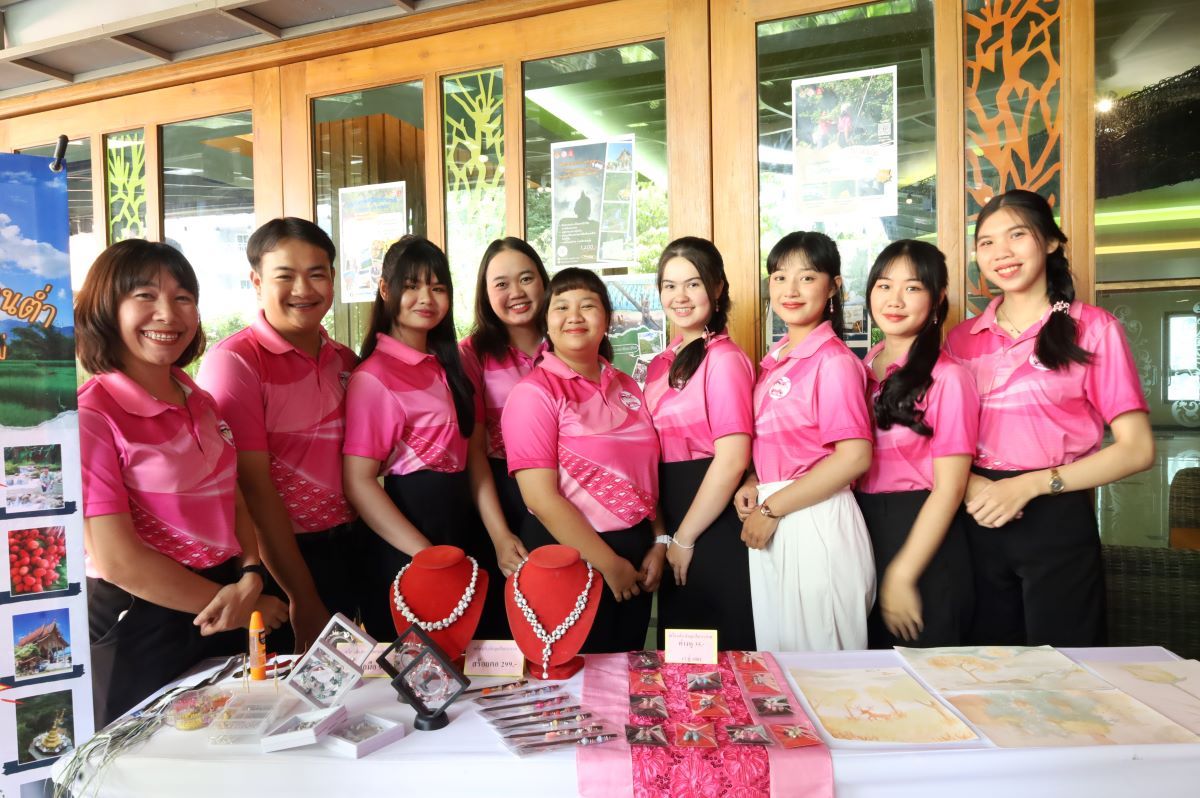
Team DPM Sandbox worked with Tha Kas Village in Lamphun Province to develop an “Eco Print” tourism product collection, integrating environmental sustainability with creative design.
-
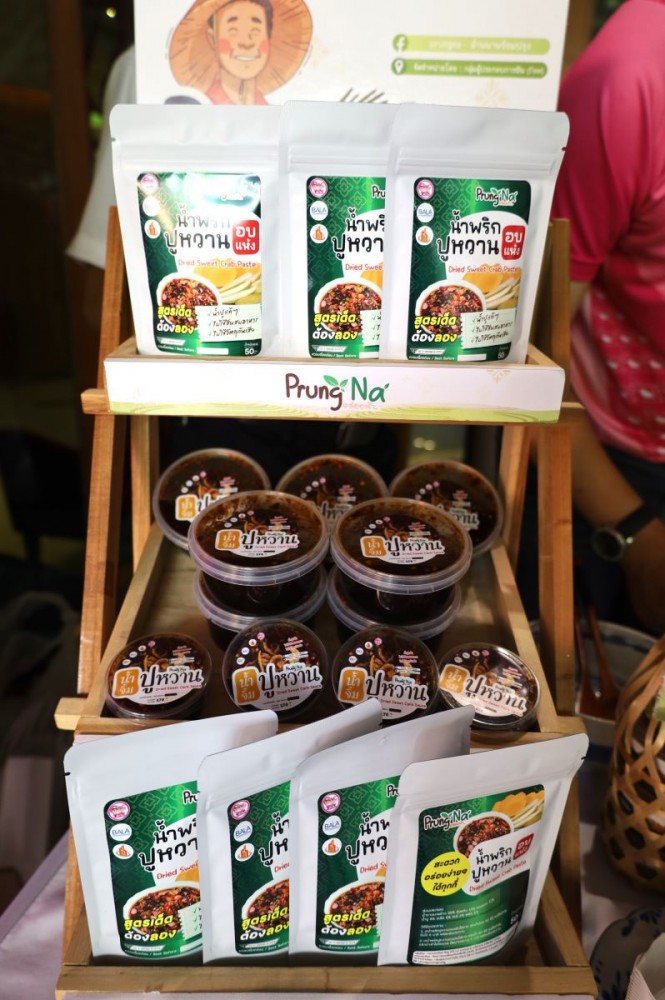
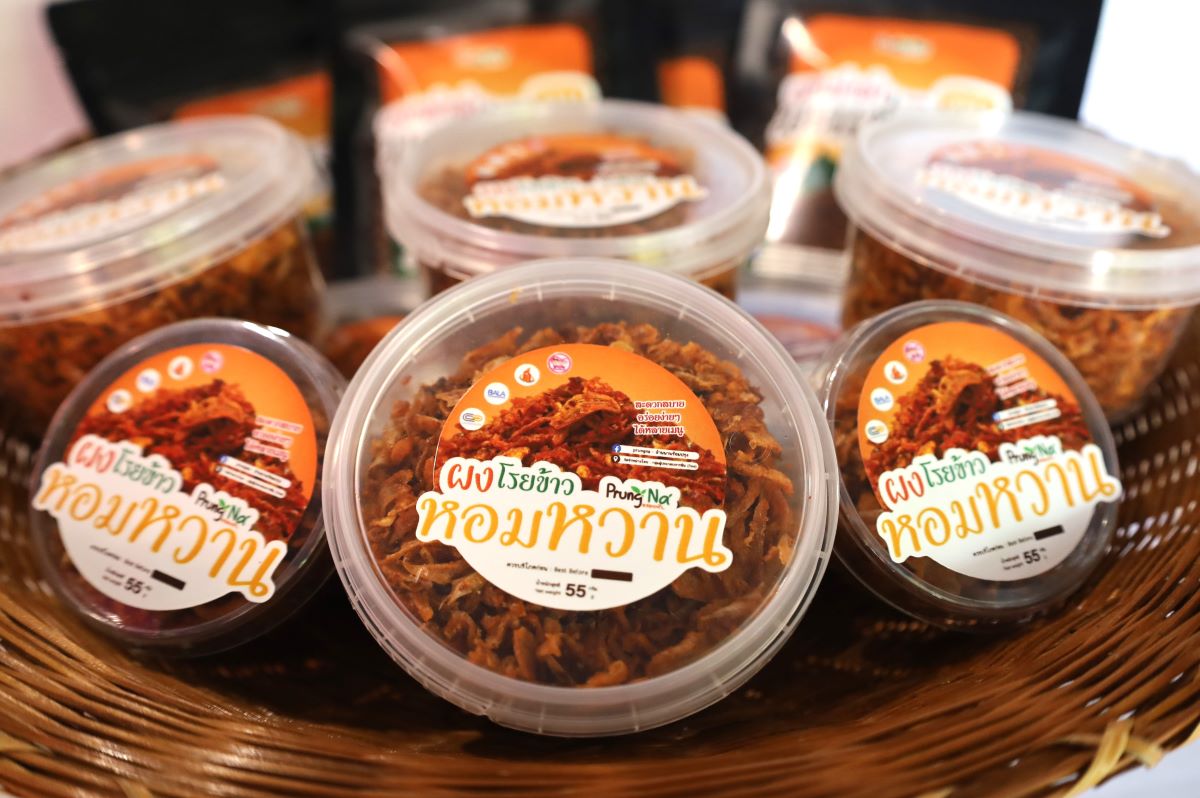
Team Finn partnered with Nam Pu Processing Enterprise in Fang District, Chiang Mai, to rebrand and develop “Sweet Fermented Crab Powder,” improving product shelf life, labeling, and marketing strategy.
Institutional Support for Start-up Development
Beyond individual projects, RMUTL institutionalizes entrepreneurship support through specialized programs. The university has established Entrepreneurship Education Courses embedded within various disciplines — including agriculture, food innovation, and Lanna handicrafts — to cultivate the entrepreneurial mindset among students.
Additionally, the university has adopted the Entrepreneurship Competence Framework (EntreComp) from the European Commission, adapting it for the Thai context to measure entrepreneurial competency in faculty and students. These efforts help ensure that entrepreneurship and innovation are not limited to business programs but become integral to the university’s identity as a community innovation driver.
RMUTL also organizes regular training workshops, such as product design clinics, marketing strategy sessions, and business model development bootcamps, which are accessible to students, alumni, and local entrepreneurs. The university’s multi-campus network across six northern provinces — Chiang Mai, Lampang, Chiang Rai, Nan, Tak, and Phitsanulok — allows these programs to reach diverse communities, including those in remote rural areas.
Outcomes and Impact
-
Strengthened capacity among community enterprises to manage and scale their operations.
-
Enhanced student learning through hands-on entrepreneurship experience.
-
Increased commercialization of local products that reflect regional identity and cultural heritage.
-
Formation of long-term partnerships between RMUTL, GSB, and local governments to support sustainable community enterprises.
These results demonstrate RMUTL’s effectiveness in transforming education into a community development mechanism, where academic innovation leads directly to poverty alleviation.
Source Links:
-
RMUTL News (Areas of Interest for Projects): https://rmutl.ac.th/news/23590
-
Facebook Report (Event Summary & +220% Income Growth): https://www.facebook.com/aomsinyuwaphat/posts/942921151211505
-
RMUTL Official News (Winners and Results): https://www.rmutl.ac.th/news/26664
Local Start-up Financial Assistance
RMUTL complements its educational support with direct financial assistance, helping communities and students transform sustainable business ideas into viable enterprises. In collaboration with the Government Savings Bank (GSB), the university manages multiple financial support mechanisms designed to provide seed funding, grants, and development capital for start-ups. Two primary programs illustrate this financial engagement: GSB Yuwapat Rak Thin 2024 and Smart Start Idea by GSB Startup 2024.
GSB Yuwapat Rak Thin: Funding for Community Enterprises
The GSB Yuwapat Rak Thin program provides funding to community-based teams to support local economic revitalization. Each selected team receives financial support to implement its business project in partnership with local enterprises. For example, in 2024, the Theobromine Team received financial and logistical support to develop its cocoa processing enterprise, ultimately winning first place and receiving a trophy and 4,000 Thai Baht in recognition of outstanding innovation and impact.
Funding from this project does more than simply reward winners—it provides vital early-stage capital that enables prototyping, raw material sourcing, and market testing. The financial support empowers student–community partnerships to move from concept development to operational practice, bridging the “funding gap” that often hinders rural entrepreneurs.
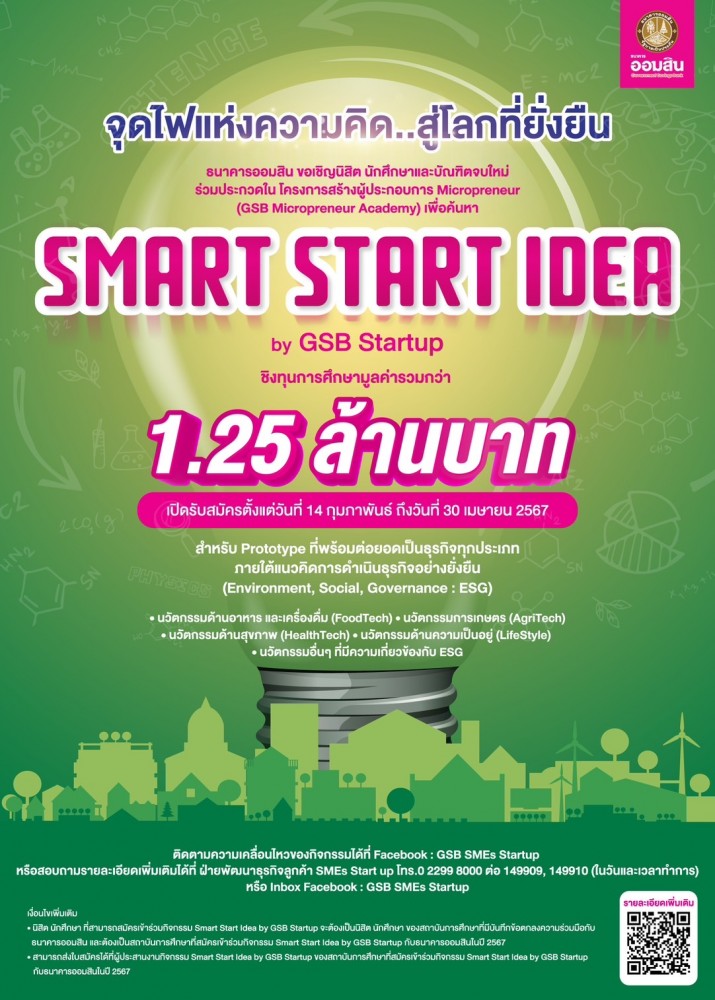
Smart Start Idea by GSB Startup 2024: From Prototype to Company
The Smart Start Idea by GSB Startup 2024 program expands RMUTL’s financial assistance scope to university-level entrepreneurship competitions. The initiative encourages students and recent graduates to form interdisciplinary teams to develop business ideas aligned with the ESG (Environment, Social, and Governance) principles. Participants are eligible to receive scholarships and startup funding for projects that advance to the national “Prototype to Company” round.
RMUTL provides institutional support by facilitating applications, mentoring, and internal selection processes. University-level juries select the top three proposals to represent RMUTL at the national competition, ensuring that only well-developed and socially responsible ideas advance. Those selected benefit from ongoing mentorship, funding, and potential business incubation.
Financial Assistance as a Mechanism for Poverty Reduction
Financial inclusion is a critical dimension of anti-poverty work. RMUTL’s financial assistance initiatives extend beyond competitions to build an environment in which new entrepreneurs can access capital safely and responsibly. Through its partnership with GSB, RMUTL encourages financial literacy among participants, teaching them about accounting, budgeting, and sustainable growth.
These funding schemes also serve as incubators for innovation, fostering a culture of risk-taking and creativity in local economic development. Students learn how to manage limited resources, plan for scalability, and apply ethical business models that generate both profit and social value.
Outcomes and Impact
-
Over 100 student-led teams received project-based funding in recent cycles.
-
Increased financial access for small rural enterprises that traditionally lack formal credit options.
-
Enhanced economic self-sufficiency among community partners.
-
Creation of local employment opportunities through new microbusiness ventures.
Financial assistance from RMUTL’s programs not only supports start-ups but also addresses the structural challenges of poverty by strengthening community resilience through entrepreneurship.
Source Links:
-
RMUTL GSB Project Report (Awards and Financial Support): https://www.rmutl.ac.th/news/26664
-
UBI RMUTL Smart Start Idea Program: https://ubi.rmutl.ac.th/news/24517-ubi-2024-08
Programs for Services Access
RMUTL plays a pivotal role in expanding community access to scientific, technological, and business development services, thereby improving living standards and reducing inequality. The university implements programs that bridge the gap between advanced academic research and community-level applications, particularly targeting rural entrepreneurs and microenterprises.
Scientific Services for Local Entrepreneurs
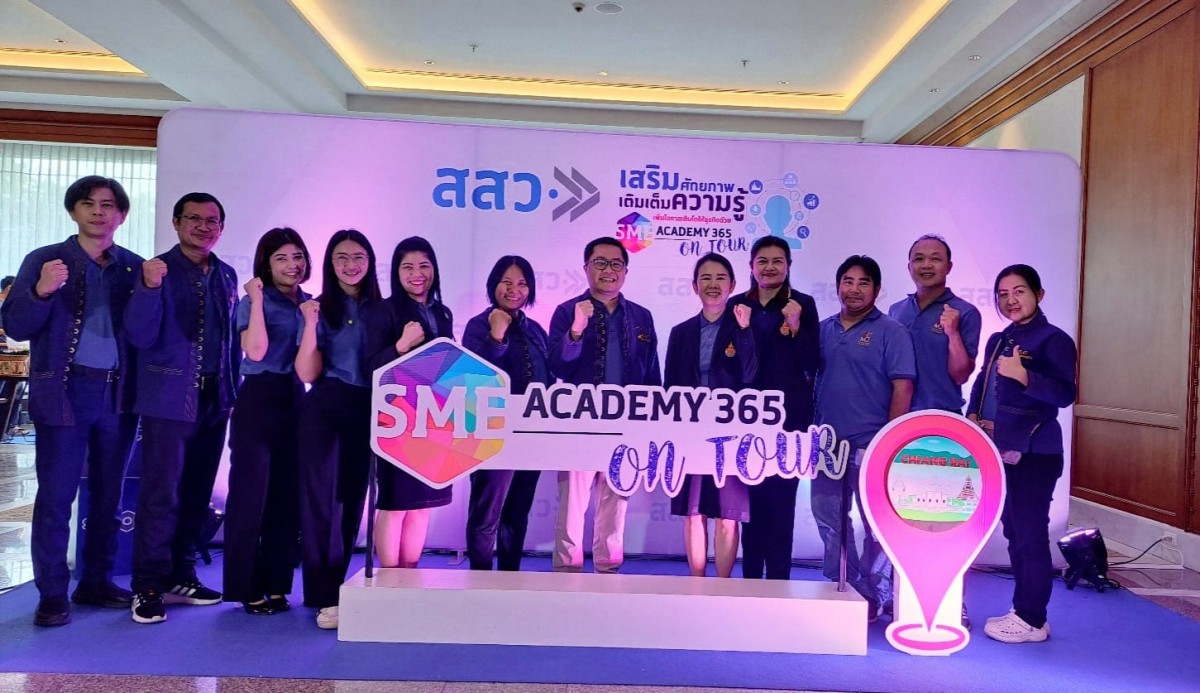
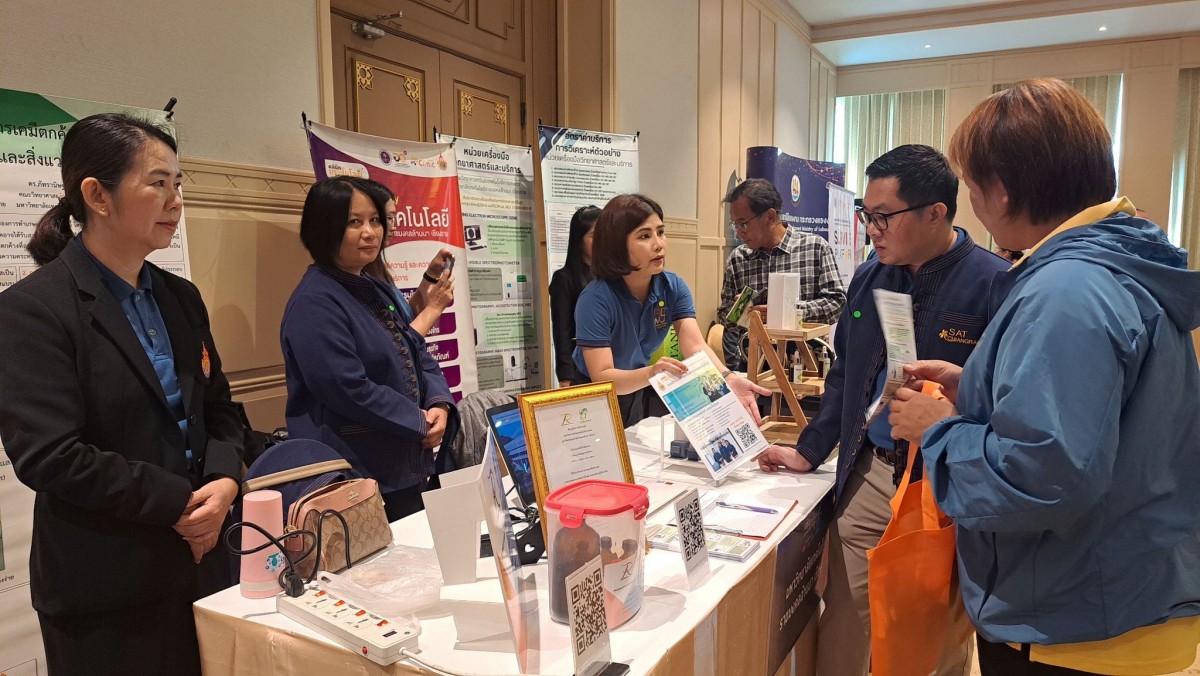
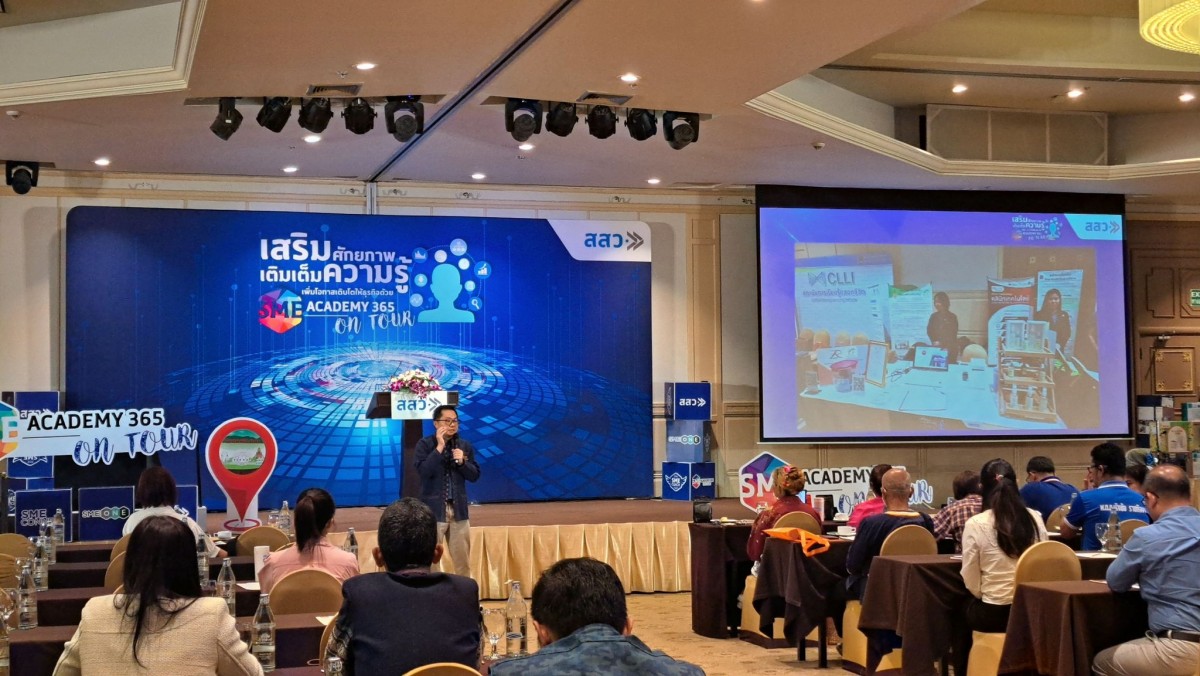
One prominent initiative in 2024 was RMUTL’s participation in the “SME Academy On Tour” program, organized by the Office of Small and Medium Enterprises Promotion (OSMEP). The Scientific Instrument and Service Unit, under the Faculty of Science and Agricultural Technology, RMUTL Chiang Rai, set up a public booth to demonstrate available scientific services to over 200 MSME owners, aspiring entrepreneurs, and pre-startup participants.
These services are critical for improving product quality and safety, enabling small producers to meet national and international standards. Key services offered include:
-
Pesticide residue testing using Test Kits, GC-MS, and GC instruments.
-
Active compound identification in herbs and plants via HPLC.
-
Surface composition and structural analysis using SEM.
-
Spectrophotometric and molecular analysis with UV-VIS technologies.
By providing affordable access to these high-end laboratory services, RMUTL bridges the resource gap between small-scale producers and larger corporations, thereby enhancing competitiveness in the agricultural and food-processing sectors.
Community-Based Research and Technology Transfer
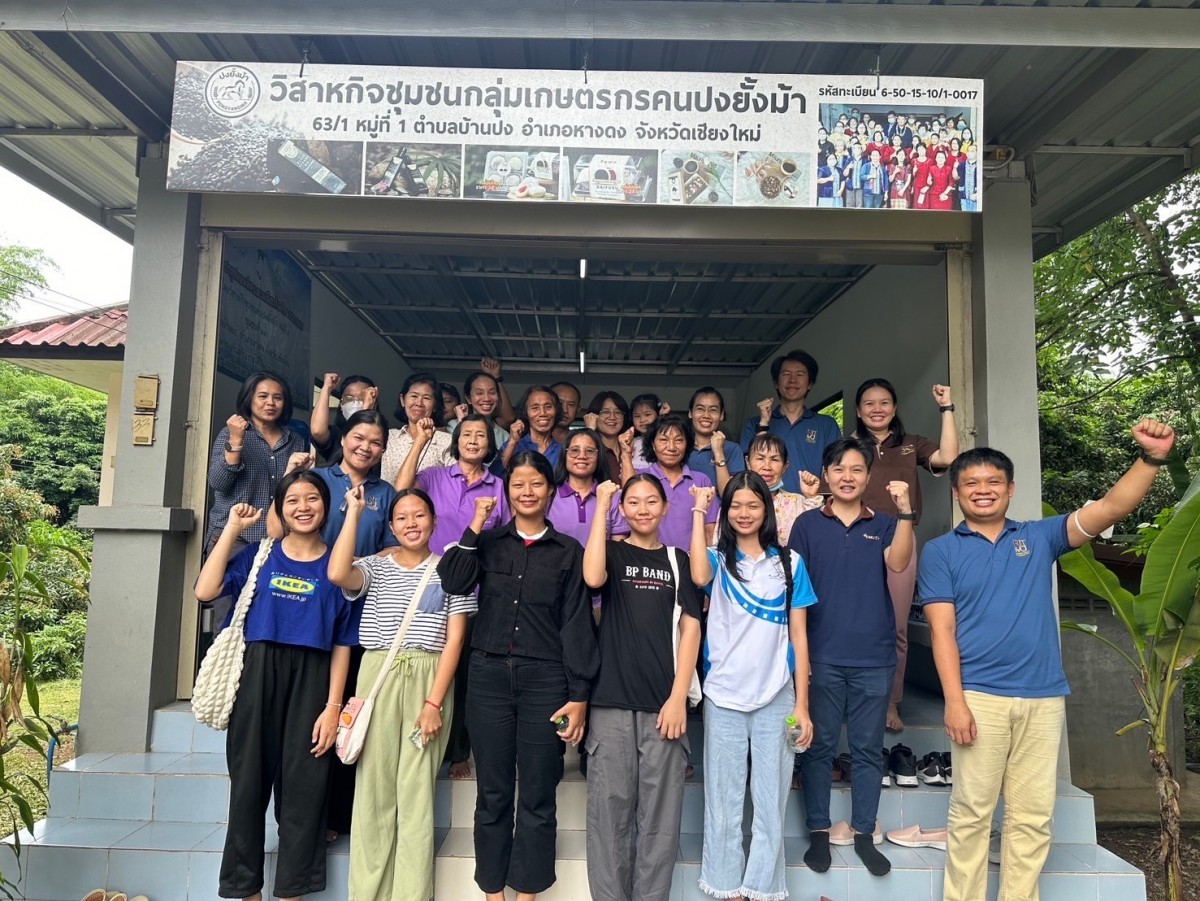
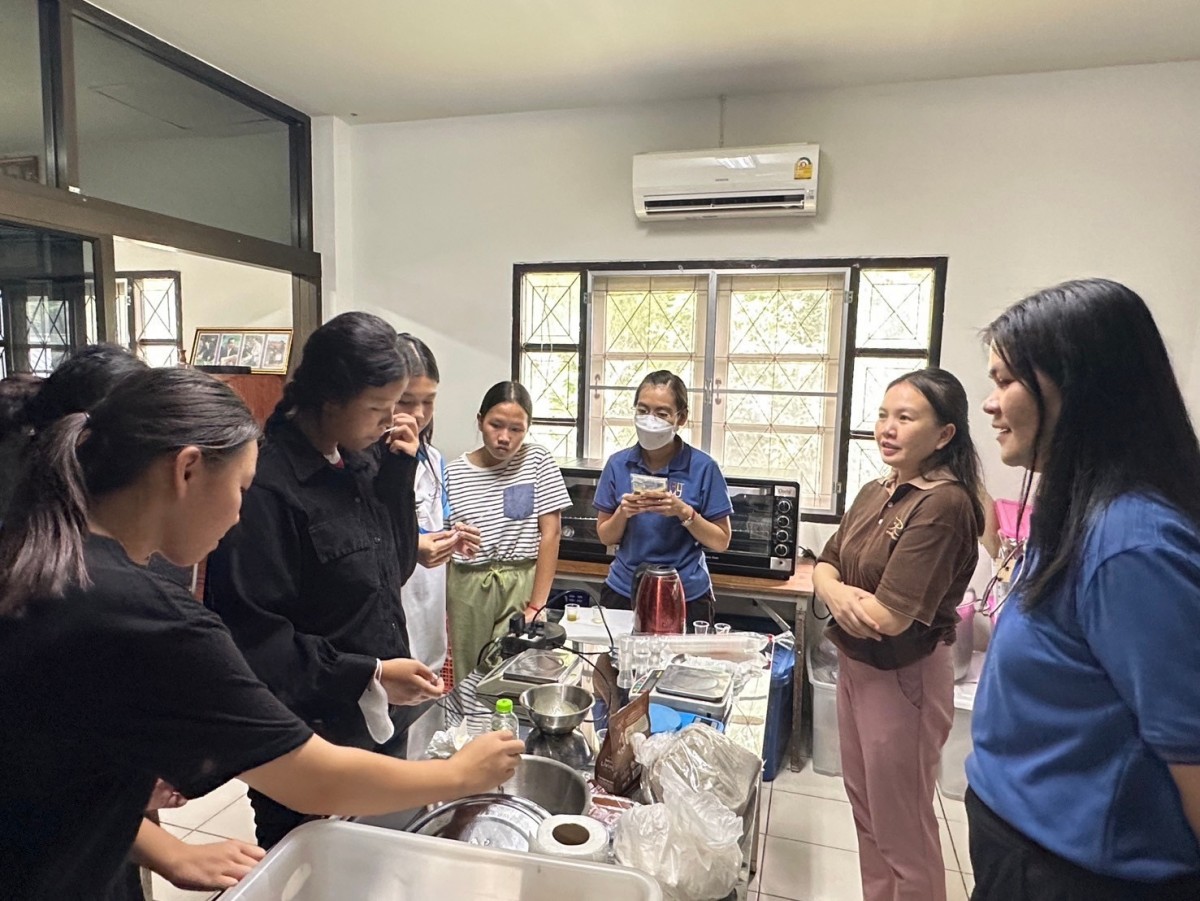
Beyond technical services, RMUTL supports communities through applied research and innovation. One example is the “Avocado Value-Added Product Development Project” in Ban Pong, Hang Dong District, Chiang Mai, conducted under the NRCT Community-Based Research (CBR) Program. The project, led by RMUTL researchers, aims to transform surplus avocado harvests into health-oriented commercial products.
The research team provides training in processing techniques, product design, and business planning, while also developing a model for community research collaboration. The initiative engages local farmers, the Ban Pong Municipality, the Royal Project Development Center, and local schools, building a sustainable ecosystem for knowledge transfer and innovation diffusion.
Integrating Access with Education and Policy
RMUTL’s service access model aligns with Thailand’s policy of developing universities as Reinventing Institutions, which emphasizes upskilling, reskilling, and entrepreneurship development. RMUTL’s system integrates community services with academic courses, enabling students to engage in service learning while supporting rural innovation.
Through these initiatives, RMUTL not only enhances access to essential services but also fosters long-term empowerment among local populations. Participants learn to use technology, analyze quality standards, and comply with regulations—skills that translate into increased income and resilience.
Outcomes and Impact
-
Over 200 MSMEs and entrepreneurs gained access to modern scientific tools and consultation.
-
Rural communities received training in value addition, product safety, and quality assurance.
-
Collaboration among local government, academia, and private sectors improved technology diffusion.
-
Strengthened local supply chains and created sustainable income sources.
Source Links:
-
RMUTL SAT News (Scientific Services and SME Academy): https://sat.rmutl.ac.th/news/27257
-
SAT Facebook Event (Chiang Rai Roadshow): https://www.facebook.com/Sat.rmutl/posts/pfbid0vi14CJkCncWeXebxd8QpkWVmHKpsnSzpmbxndj3qc1HkXHq6CVdxSzw6HvfWAGP1l
-
RMUTL TRPB Research News (Avocado Value-Added Project): https://trpb.rmutl.ac.th/news/25514
Through its strategic partnerships, applied learning approach, and community-centered innovation, RMUTL demonstrates a holistic model for poverty alleviation rooted in education, entrepreneurship, and technology. By integrating start-up mentoring, financial assistance, and access to scientific services, the university builds self-reliant communities capable of sustained economic growth.
The combined outcomes—new enterprises, skill development, and expanded service access—illustrate how higher education can be a catalyst for inclusive economic transformation. RMUTL’s community anti-poverty programs exemplify how universities can function as regional innovation engines, ensuring that knowledge serves not only academic excellence but also social and economic equity across all communities in northern Thailand.