Rajamangala University of Technology Lanna (RMUTL) actively participates in international collaborations to collect, examine, and exchange sustainability-related information that supports evidence-based decision-making in education, environmental management, and community development. Through partnerships with universities in Europe and Asia, RMUTL contributes to the development of shared knowledge and information concerning sustainable education, environmental conservation, cultural heritage, community well-being, and local development challenges.
Between January 2025 and March 2026, RMUTL engaged in international initiatives involving universities from Vietnam, Finland, Spain, Taiwan, and Singapore. These collaborations included the exchange of institutional information, international field studies, community observations, stakeholder engagement, and the joint examination of local development needs.
The initiatives demonstrate how international academic partnerships can contribute to sustainability-related data gathering at both institutional and community levels. The information and insights generated through these activities provide a foundation for evaluating existing practices, identifying development challenges, and designing more responsive educational and community development approaches.
International Collaboration on Institutional Sustainability Information through GreenEdAsia
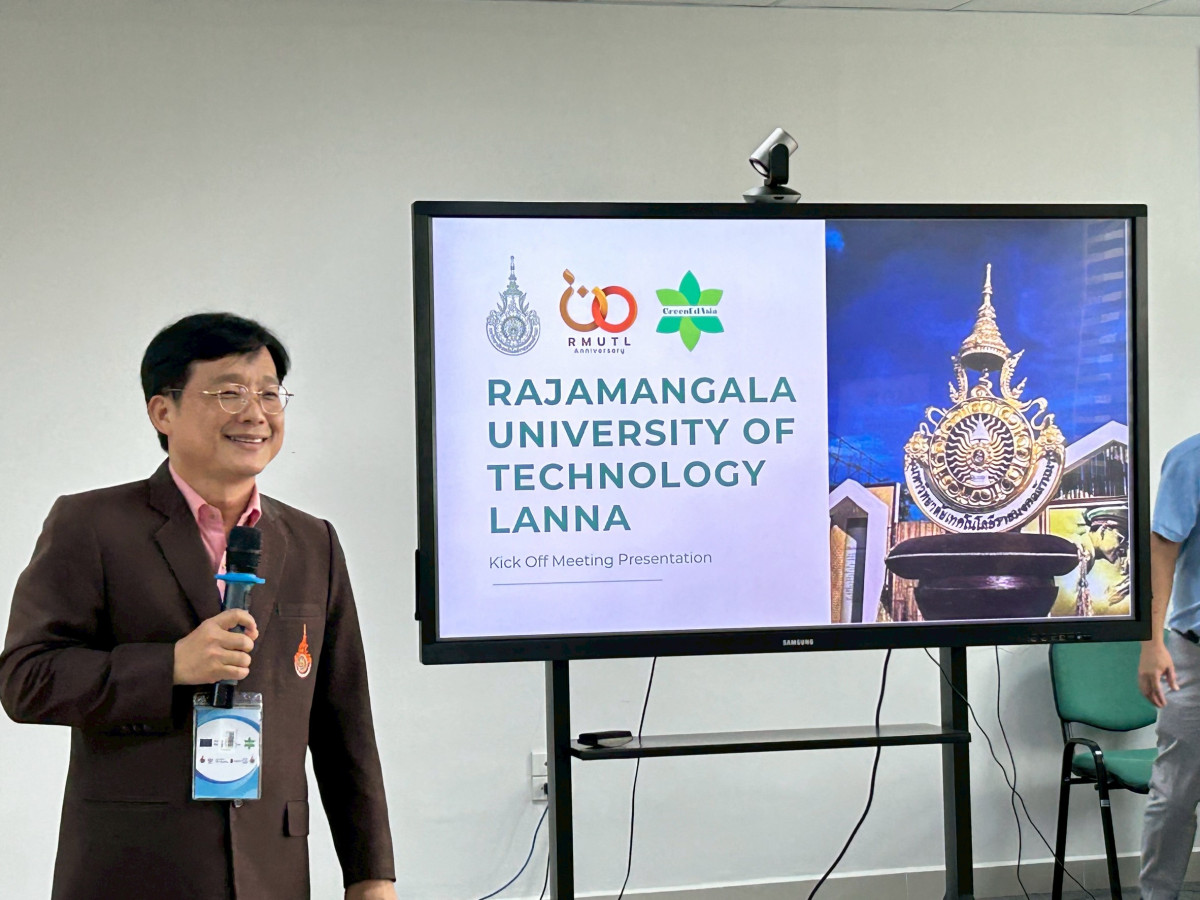
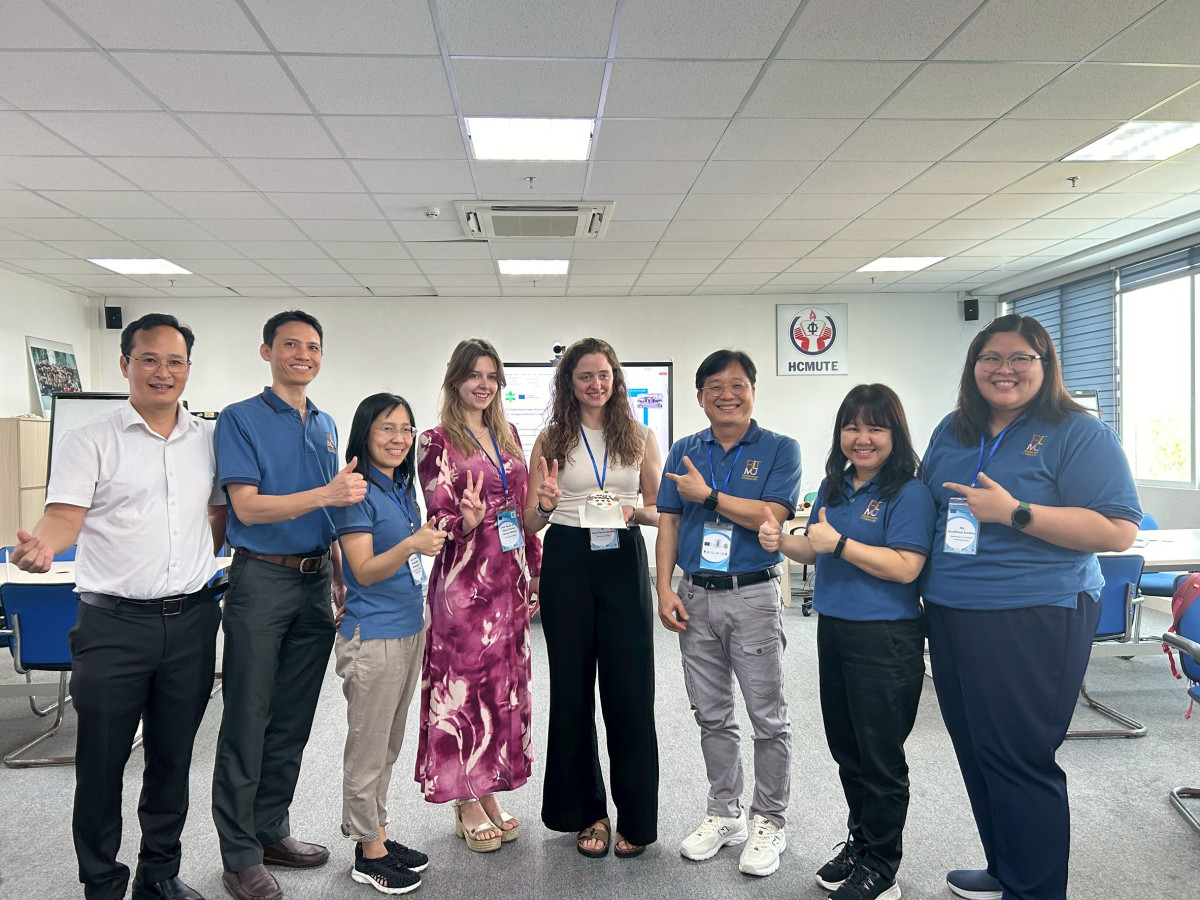
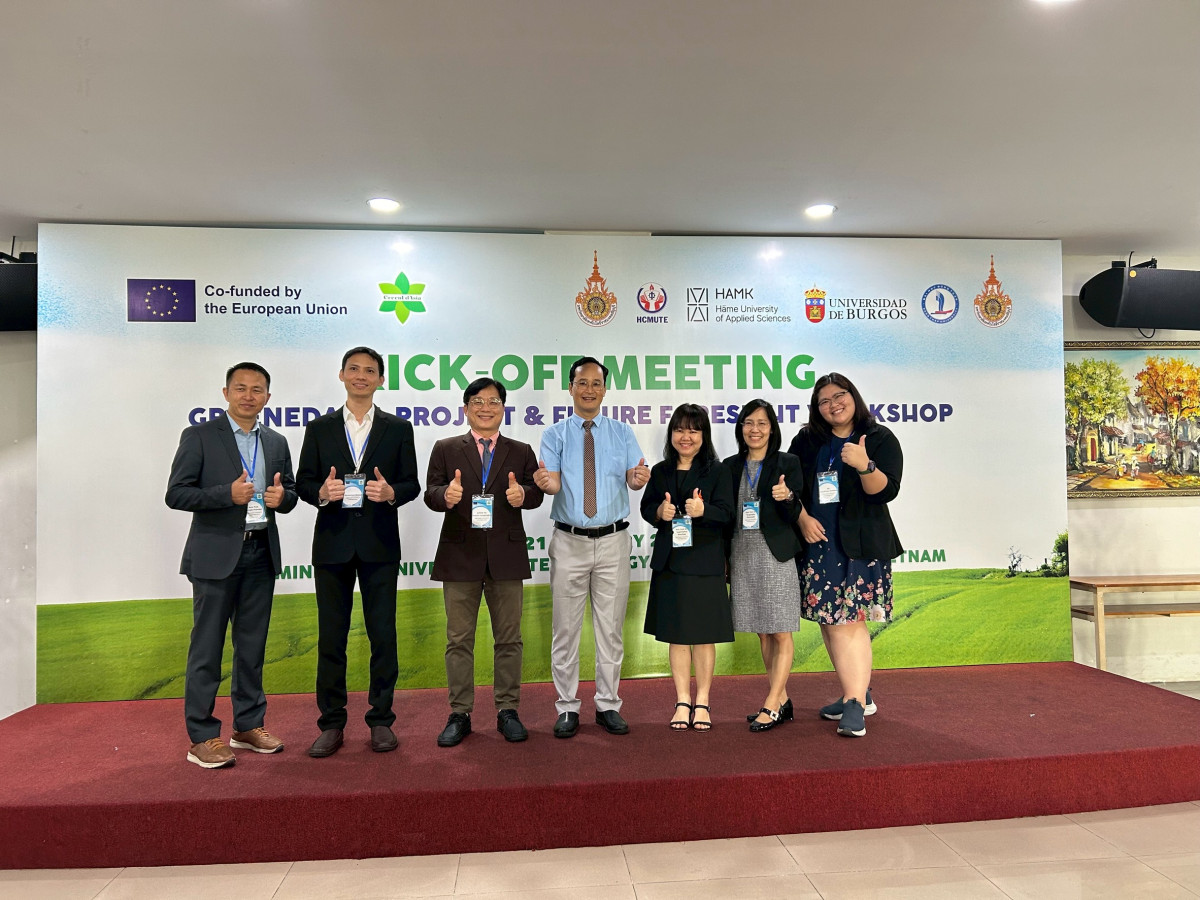
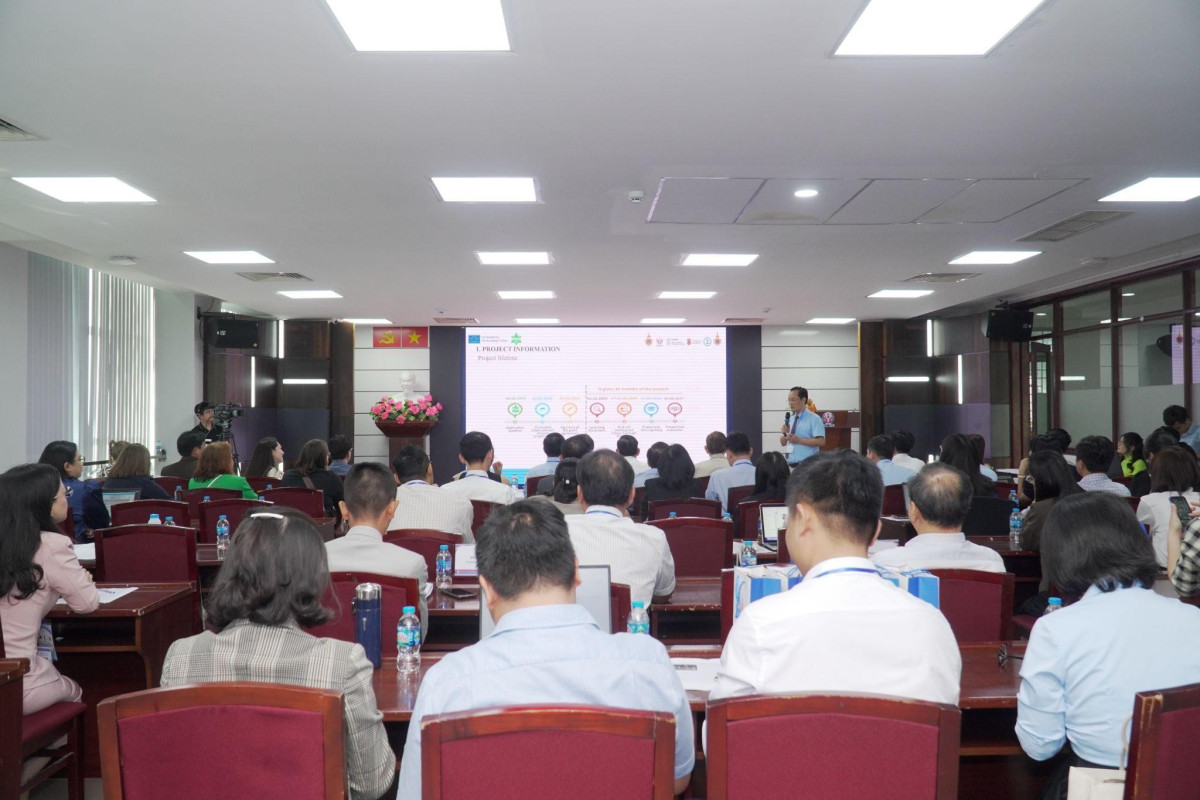
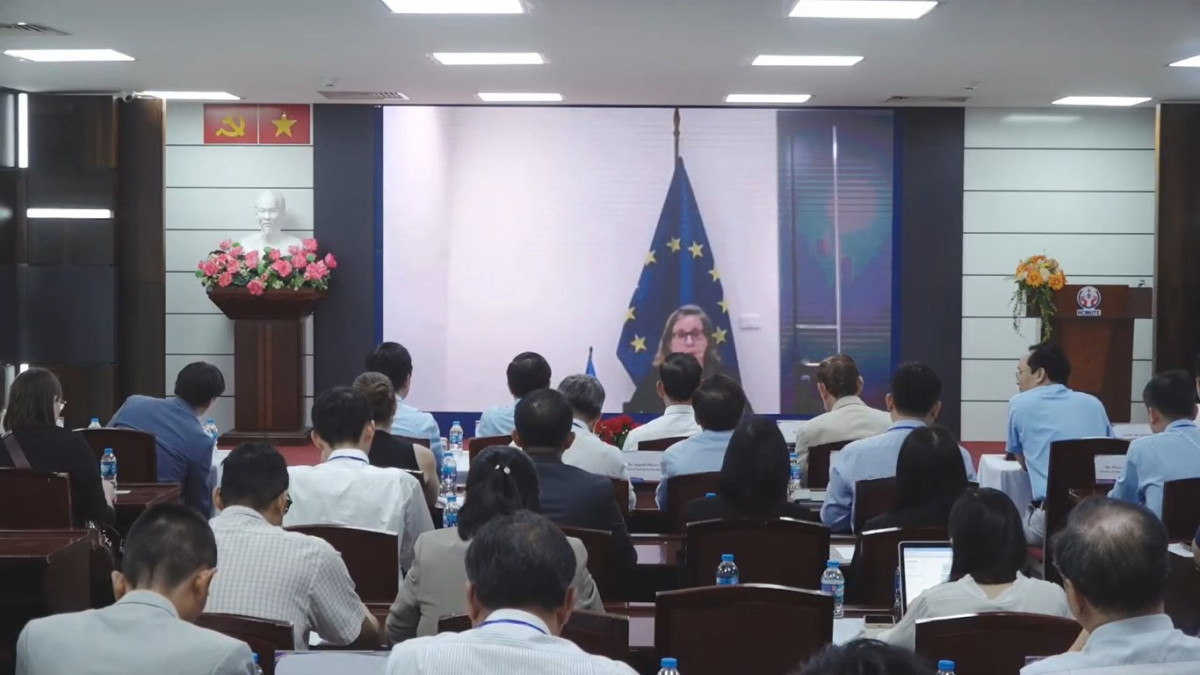
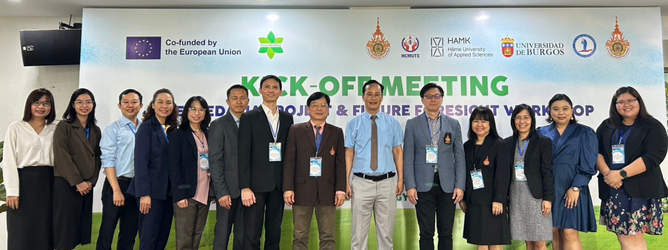
During February 17–21, 2025, RMUTL participated in the launch of the international project “Learning for Sustainable Future – Higher Education for Green Transition in Southeast Asia” (GreenEdAsia), hosted by Ho Chi Minh City University of Technology and Education (HCMUTE), Vietnam.
The project is funded by the European Union under the Erasmus+ Programme, with a total budget of €800,000, and involves six higher education institutions from four countries: RMUTL and Rajamangala University of Technology Thanyaburi (Thailand), HCMUTE and Dong Thap University (Vietnam), Häme University of Applied Sciences (Finland), and the University of Burgos (Spain).
Running until October 2027, GreenEdAsia provides an international framework for cooperation in sustainable higher education, particularly in integrating environmental considerations, green competencies, and sustainable innovation into academic programs.
A key aspect of the collaboration is the exchange of institutional information, sustainability-related knowledge, and educational practices among participating universities. This cooperation supports the collection and examination of information relevant to green education and institutional sustainability development.
Through international knowledge sharing and the examination of institutional approaches, RMUTL and its partners can identify common challenges, assess opportunities for curriculum improvement, and support the development of evidence-informed strategies for the transition toward more sustainable higher education systems.
The collaborative framework also creates opportunities to strengthen approaches to sustainability monitoring and evaluation by encouraging participating institutions to examine educational practices and share information across national and institutional contexts.
In May 2025, RMUTL further participated in GreenEdAsia activities at the University of Burgos, Spain, where international partners exchanged approaches to sustainable higher education, future competencies, bioeconomy, and university collaboration with society and industry.
These activities enabled RMUTL to examine and compare international practices and gather insights that could inform future institutional development and sustainability-related evaluation.
Through GreenEdAsia, RMUTL contributes to international information exchange and comparative learning while strengthening the foundation for future collaborative data collection, institutional assessment, and evidence-based educational improvement.
International Field Data Collection on Sustainable Tourism, Environmental Conservation, and Community Well-Being in Taiwan
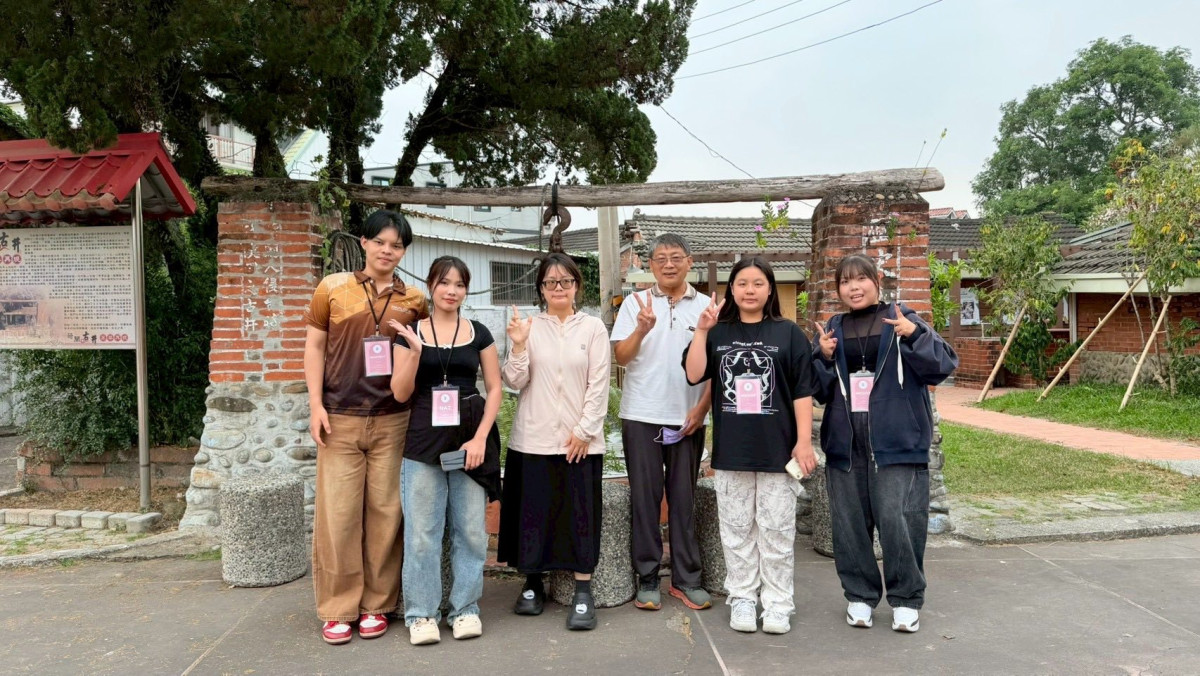
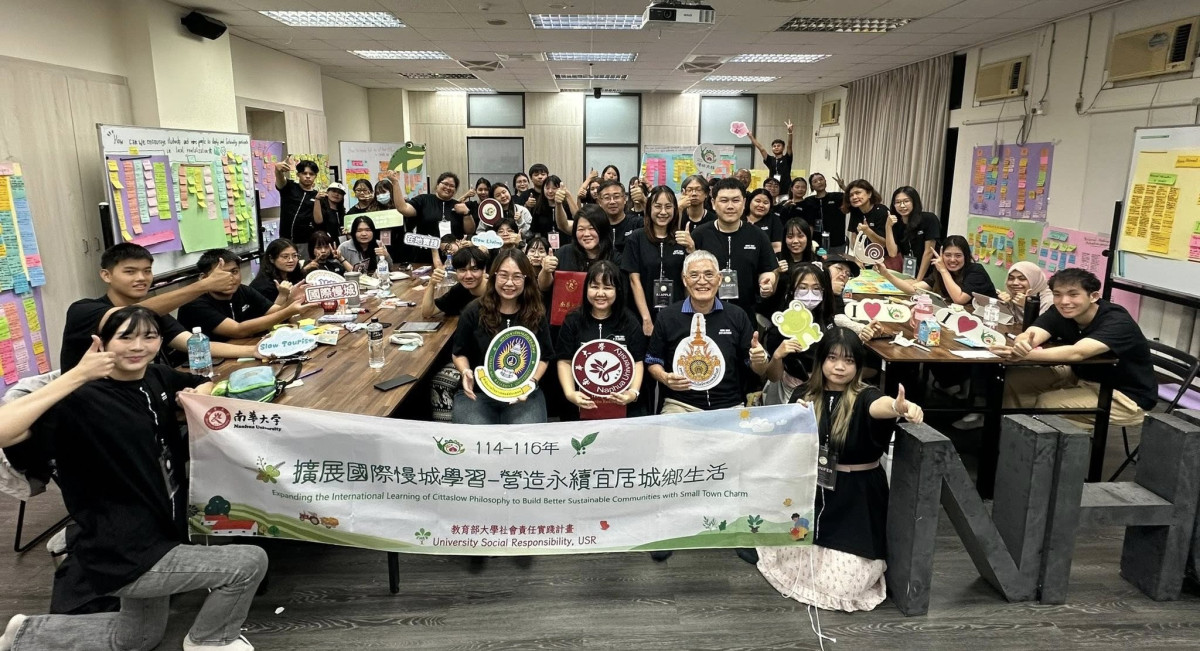
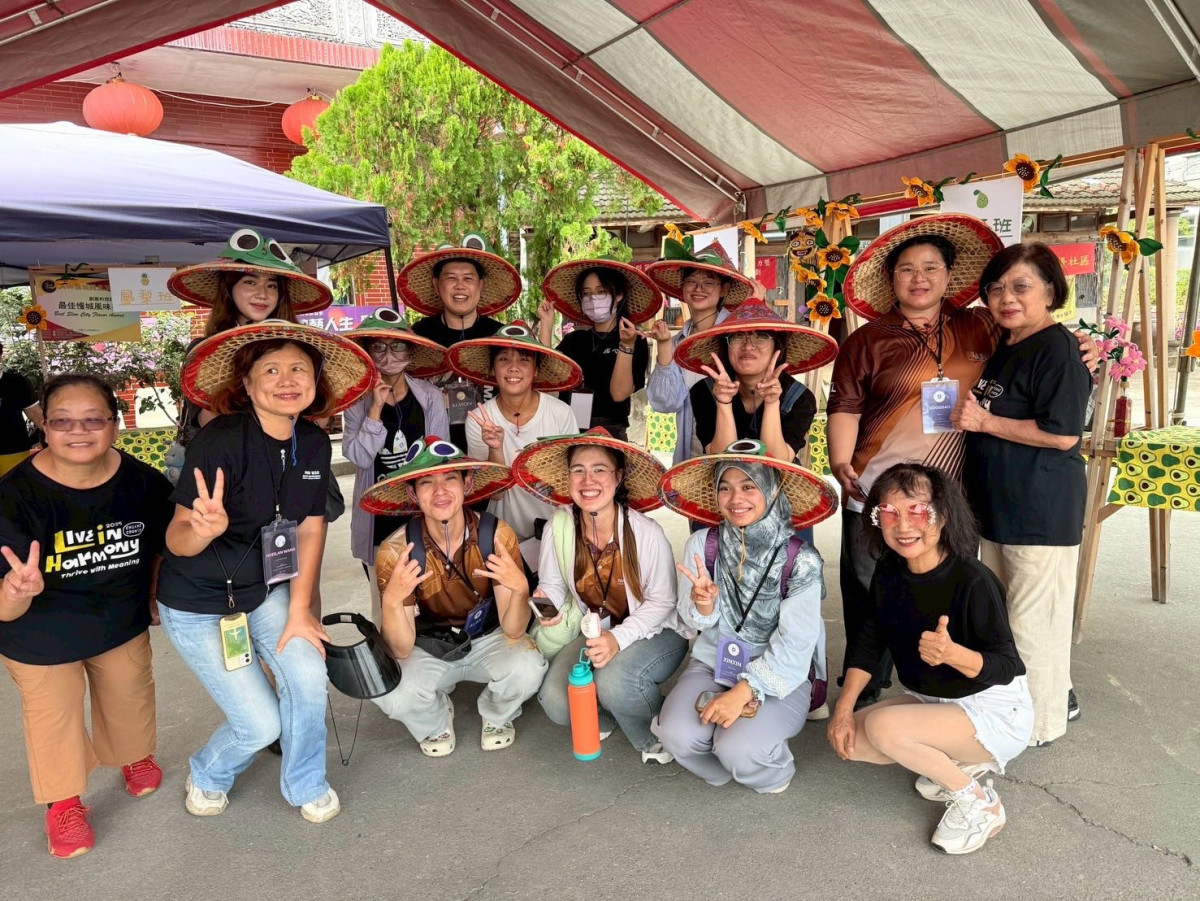
During November 5–17, 2025, RMUTL collaborated with Nanhua University (NHU), Taiwan, through the “Slow Movement × Design Thinking Workshop 2025.”
The program involved 11 RMUTL students and five faculty members working with international participants to investigate sustainability-related challenges in Taiwanese communities through field studies, local observations, interdisciplinary discussions, and community engagement.
The international teams examined four communities—Dalin, Luman, Pinglin, and Mayuan—focusing on sustainable tourism, cultural preservation, agricultural practices, biodiversity conservation, and community well-being.
The field activities emphasized gathering qualitative information about local conditions and understanding how communities respond to economic, social, cultural, and environmental challenges.
Participants observed community activities, examined local development conditions, engaged with community contexts, and exchanged interpretations of the issues identified during fieldwork. Using a Design Thinking approach, the teams organized their observations, identified community needs, and considered possible solutions.
This international collaboration contributed to the collection and examination of community-level information across several interconnected dimensions:
Sustainable Tourism and Local Economies: The teams examined community tourism practices, local resources, and development opportunities, generating insights into approaches that could support local livelihoods while respecting community identity.
Environmental Conservation and Biodiversity: Field observations addressed environmental conditions, agricultural practices, and biodiversity conservation, supporting a broader understanding of relationships between environmental management and community development.
Cultural Heritage and Community Identity: The teams explored local traditions and cultural practices, highlighting their significance for community identity and sustainable tourism development.
Community Well-Being: Participants examined local living conditions and community development challenges, contributing qualitative insights into factors affecting social well-being and opportunities for community improvement.
By combining field observations with interdisciplinary discussions and cross-cultural perspectives, RMUTL and Nanhua University jointly examined information relevant to sustainable community development.
The collaboration demonstrated the value of international field-based research in generating context-specific evidence and supporting a shared understanding of environmental, economic, and social challenges.
International Community-Based Information Gathering through Learning Express 2025
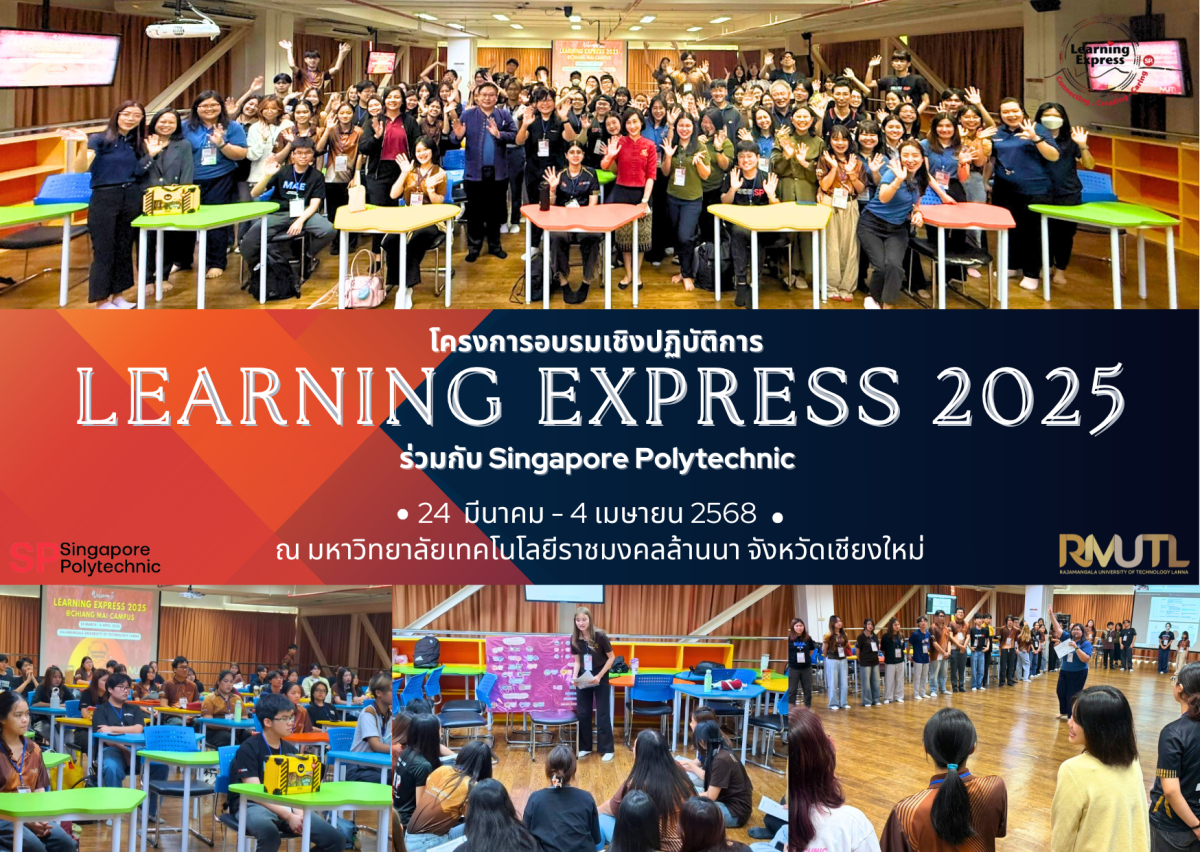
RMUTL further strengthened international collaboration in community-based research and information gathering through Learning Express 2025, organized in partnership with Singapore Polytechnic, Singapore.
The program commenced on March 24, 2025, and continued through April 4, 2025. It brought together students, academic staff, facilitators, and community stakeholders to study local development challenges in northern Thailand.
Participating communities included Ban Don Luang in Lamphun Province, as well as Ban Choeng Doi and Ban Ton Nae Noi in Chiang Mai Province.
Using Design Thinking and community engagement approaches, Thai and Singaporean participants worked with local stakeholders to understand community conditions, identify practical development challenges, and explore potential solutions.
The program emphasized the importance of understanding community needs before proposing interventions. International student teams engaged with local contexts, exchanged observations, and considered community perspectives when developing possible social innovation solutions.
This process supported the gathering and interpretation of community-based information through international academic cooperation.
The collaboration also encouraged participants to examine the connections among local livelihoods, cultural resources, social development, and sustainable economic opportunities.
Learning Express provided a practical model for international universities to cooperate in understanding community challenges and using locally grounded information to support the development of appropriate solutions.
Although the program extended into April 2025, its commencement and international collaboration activities in March fall within the reporting period.
Institutional Contributions to International Sustainability Data Gathering and Analysis
Collectively, these initiatives demonstrate RMUTL’s participation in international sustainability-related information gathering through several complementary approaches.
International Institutional Data and Information Exchange: Through GreenEdAsia, RMUTL participates in a multinational university network that exchanges institutional knowledge and information concerning green education, sustainability practices, and approaches to educational improvement.
Collaborative Community-Level Data Collection: The partnership with Nanhua University enabled RMUTL faculty members and students to participate directly in international field studies, gathering qualitative information about tourism, environmental conditions, cultural heritage, agriculture, and community well-being.
Cross-Cultural Examination of Community Needs: Through Learning Express, RMUTL and Singapore Polytechnic collaborated with local communities to examine development challenges and integrate stakeholder perspectives into the identification of potential solutions.
Comparative Analysis and Knowledge Sharing: The international activities allowed RMUTL and its partners to exchange observations and examine approaches used in different geographical, cultural, and institutional settings. This comparative perspective can help identify practices that may be adapted to local contexts.
Evidence-Informed Educational and Community Development: Information exchanged and gathered through these collaborations provides a foundation for developing more responsive educational activities, improving community-oriented innovation, and supporting future evaluation of sustainability initiatives.
Together, these efforts demonstrate that RMUTL’s international partnerships extend beyond academic mobility and institutional networking. They include practical participation in gathering, examining, and exchanging sustainability-related information through collaborative academic projects and community-based field activities.
Summary of International Collaboration and Data Gathering Activities
| Date | International Partners and Activities | Data Gathering and Examination Focus | Contributions and Potential Impacts |
|---|---|---|---|
| February 17–21, 2025 | GreenEdAsia project involving RMUTL and universities from Thailand, Vietnam, Finland, and Spain | Exchange of institutional sustainability information, green education practices, and approaches to evaluating sustainable higher education | Established a multinational cooperation framework supporting information sharing, comparative institutional learning, and future evidence-informed educational improvements |
| March 24–31, 2025 (reporting-period portion) | RMUTL and Singapore Polytechnic: Learning Express 2025 | Community needs, local development challenges, cultural resources, livelihoods, and stakeholder perspectives | Supported international collaboration in understanding local community conditions and identifying opportunities for community-oriented innovation |
| May 2–11, 2025 | RMUTL and GreenEdAsia international partners at the University of Burgos, Spain | Comparative examination of sustainable higher education, future competencies, bioeconomy, and university–society collaboration | Expanded access to international practices and comparative knowledge that can inform sustainability-oriented institutional development |
| November 5–17, 2025 | RMUTL and Nanhua University, Taiwan: Slow Movement × Design Thinking Workshop | Qualitative community information from Dalin, Luman, Pinglin, and Mayuan, covering sustainable tourism, biodiversity, agriculture, cultural heritage, and well-being | Generated field-based insights into community sustainability challenges and strengthened international cooperation in qualitative information gathering and analysis |
Overall Contributions and Institutional Impact
Through partnerships with universities across Europe and Asia, RMUTL has strengthened its participation in international sustainability-related information gathering at institutional and community levels.
The GreenEdAsia collaboration established a multinational framework for sharing institutional information and comparing educational sustainability practices. The Nanhua University partnership enabled direct participation in qualitative community field studies across four Taiwanese communities, while Learning Express facilitated joint examination of community development challenges with Singaporean academic partners.
These activities have contributed to international knowledge exchange, practical experience in community-level data gathering, and a broader understanding of sustainability challenges across different contexts.
The information and collaborative experiences generated through these initiatives provide a foundation for future research cooperation, institutional sustainability assessment, curriculum development, and community-based innovation.
By connecting international academic partnerships with evidence gathering and practical development challenges, RMUTL continues to strengthen its capacity to contribute to informed decisions and collaborative solutions for sustainable educational, environmental, and social development.
Sources
- RMUTL Joins International GreenEdAsia Collaboration to Support Sustainability Data and the SDGs — February 17–21, 2025.
https://sdgs.rmutl.ac.th/17/rmutl-joins-international-greenedasia-collaboration-to-support-sustainability-data-and-the-sdgs/ - RMUTL Strengthens International Collaboration and Research to Develop Best Practices through GreenEdAsia — May 2–11, 2025.
https://sdgs.rmutl.ac.th/17/mutl-strengthens-international-collaboration-and-research-to-develop-best-practices-for-the-sdgs-through-greenedasia/ - RMUTL and Nanhua University Gather Community Sustainability Data through International Field Studies in Taiwan — November 5–17, 2025.
https://sdgs.rmutl.ac.th/17/rmutl-and-nanhua-university-gather-community-insights-on-sustainable-tourism-environment-and-well-being-in-taiwan/ - Learning Express 2025: RMUTL and Singapore Polytechnic Collaborate with Local Communities to Address Sustainable Development Challenges — March 24–April 4, 2025.
https://sdgs.rmutl.ac.th/17/learning-express-2025-rmutl-and-singapore-polytechnic-collaborate-with-local-communities-to-address-sustainable-development-challenges/