
Policy Context: RMUTL’s Commitment to Ending Poverty
RMUTL has established a strong institutional policy framework to help end poverty in all its dimensions, aligned with the Sustainable Development Goal 1 (No Poverty).
RMUTL’s Strategic Plan and SDG Action Framework emphasize:
-
Promoting educational equity by selecting and supporting students from financially disadvantaged backgrounds through scholarships and financial-aid programs.
-
Enhancing community self-reliance via technology transfer, vocational training, and innovation for local economic development.
-
Participating in policy-making at the local, regional, and national levels to design and implement programs addressing poverty, food-insecurity, and social vulnerability.
-
Integrating academic research, community engagement, and sustainability education to foster inclusive growth and resilience in Northern Thailand’s rural and high-land communities.
Through these policies, RMUTL functions not only as a higher-education institution but also as a strategic partner in rural poverty reduction and sustainable agriculture.
Field Implementation: Collaborative Action for Poverty Alleviation and Sustainable Agriculture
Venue: Lertor Royal Project Development Centre, Mae Tuen Sub-district, Mae Ramat District, Tak Province
Partners: RMUTL and King Mongkut’s University of Technology Thonburi (KMUTT)
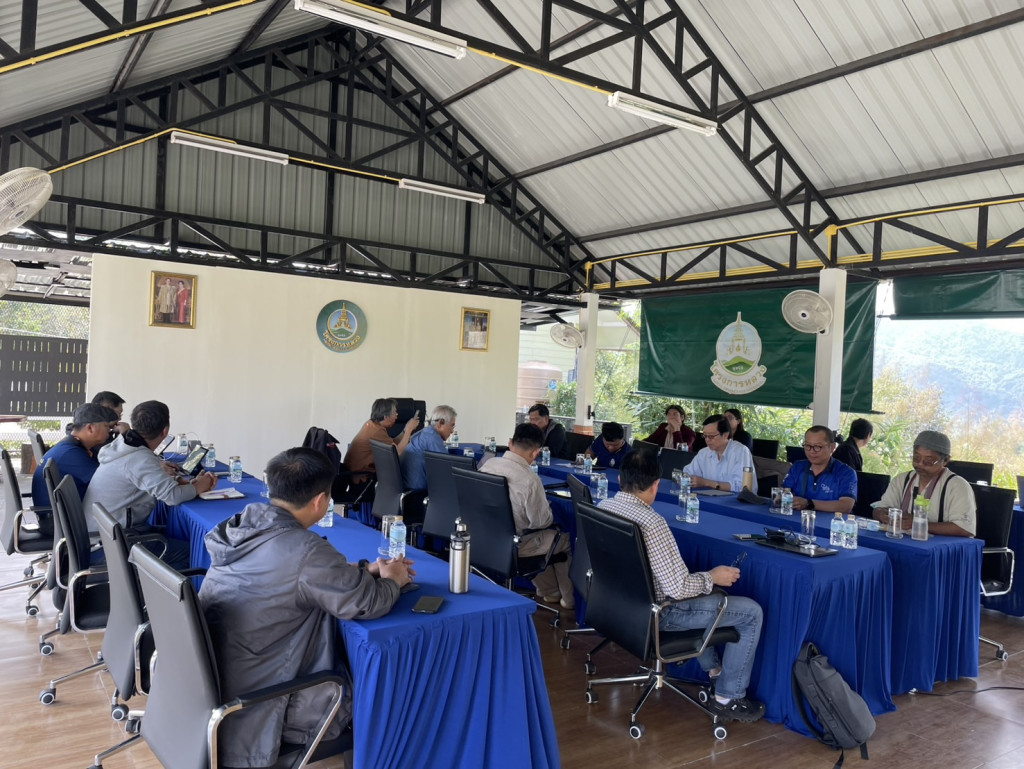
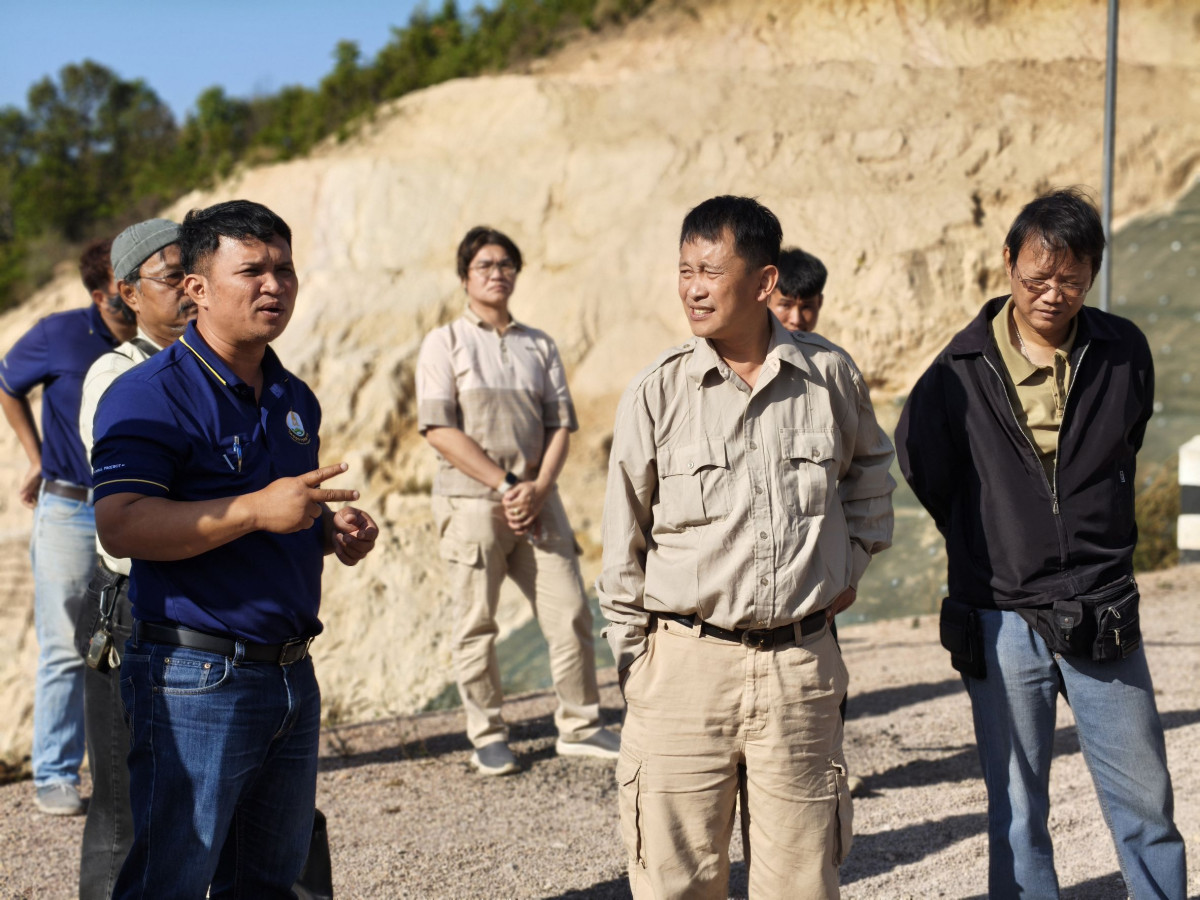
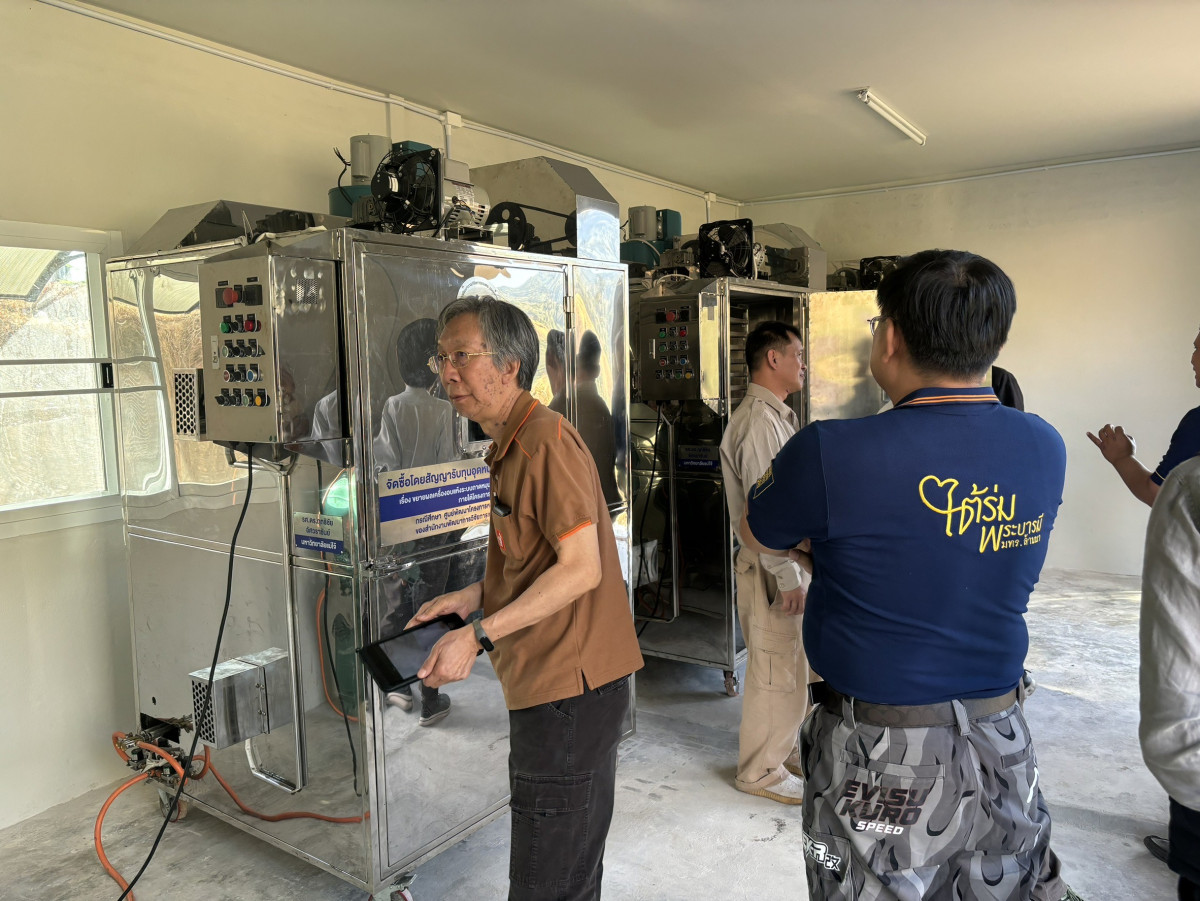
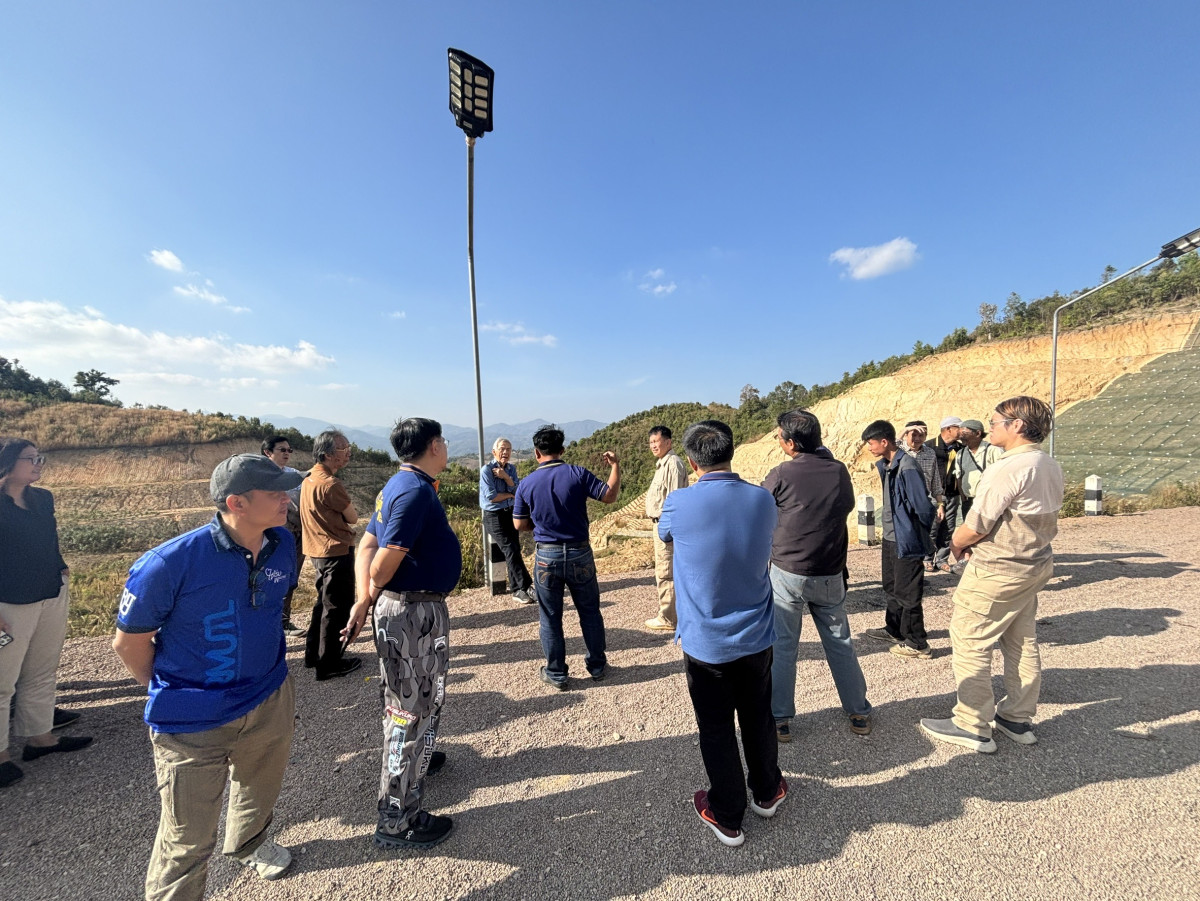
On 31 January 2025, RMUTL, in collaboration with KMUTT, conducted a joint field visit to the Lertor Royal Project Development Centre to monitor progress in high-land agriculture development and strengthen cooperative planning for sustainable academic and community development.
The RMUTL delegation was led by Assistant Professor Dr Chatturith Thongpron (Advisor to the President) and Assistant Professor Dr Worachet Muangjai (Director of the Institute for Technology Transfer to Communities and Head of the “Under the Royal Auspices” programme), accompanied by senior administrators, faculty, researchers from RMUTL’s Institute of Research & Development and the Institute for Technology Transfer to Communities.
From KMUTT, the team was headed by Associate Professor Dr Suvit Sae-Tia (President of KMUTT), Associate Professor Dr Sakrin Pumrattan (former President of KMUTT and Spatial-Development Project Advisor), along with senior administrators, faculty and researchers.
Key Objectives and Policy Linkages
The field mission aimed to:
-
Monitor and evaluate high-land agriculture development according to the Royal Project model, emphasizing four main dimensions:
-
Mapping & Analysis – spatial surveys and resource assessments
-
Land Use Planning – sustainable land-management systems
-
Development & Career Promotion – livelihood opportunities and income security for local farmers
-
Community Organisation Development – strengthening community-based institutions for participatory development
-
-
Exchange views on the Centre’s challenges and needs in order to guide future operations that support sustainable agriculture, reduce environmental impact, and enhance community capacity.
-
Integrate knowledge and technology transfer from higher-education institutions to establish high-land agriculture management approaches, soil and water system management, and productivity-enhancing technology.
-
Conduct field surveys to monitor community career-development outcomes, and discuss pathways for value-addition of agricultural products, processing-industry development and market-expansion strategies for farmers.
-
Explore knowledge-transfer mechanisms to enable the community to adapt and develop sustainably.
Implementation Outcomes and Next Steps
This collaboration demonstrates how RMUTL operationalizes its anti-poverty policy by combining education, research, innovation, and local partnership. The initiative contributes to national and regional policy goals on poverty reduction, rural development and sustainable agriculture.
Key outcomes and next steps include:
-
Engaging stakeholders to assess project outcomes and identify ongoing operational gaps.
-
Planning value-added processing, product innovation and market capacity expansion for farmers.
-
Ensuring sustainability of community livelihoods by transferring technological and organisational knowledge.
-
Strengthening local food security, farmer capacity, and community resilience through integrated research-community action.
RMUTL + EEF Collaboration: High Vocational Education Scholarship Programe
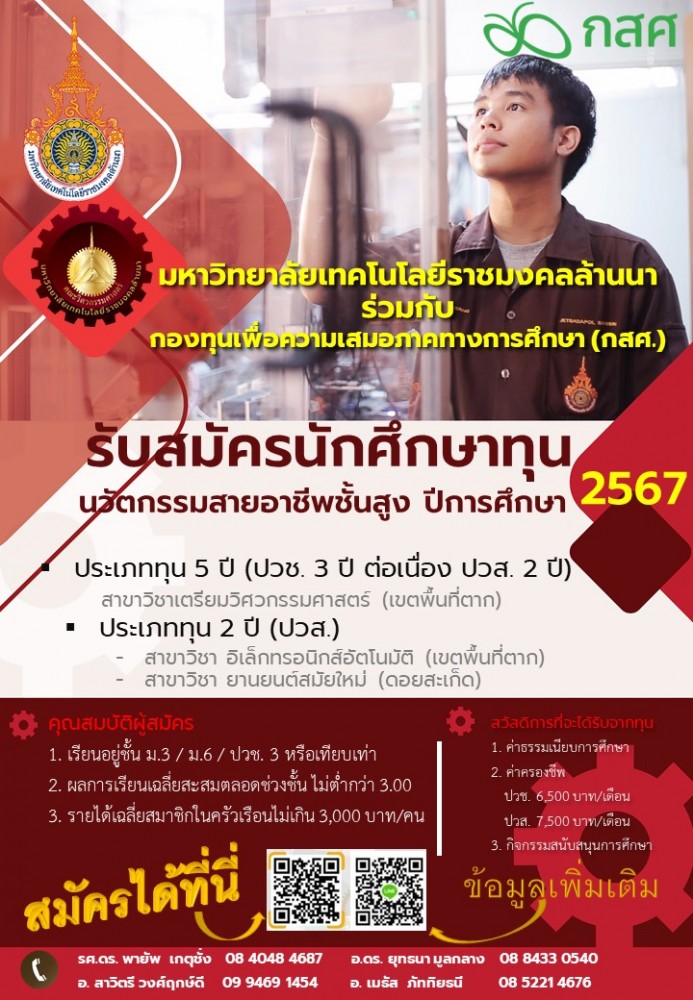
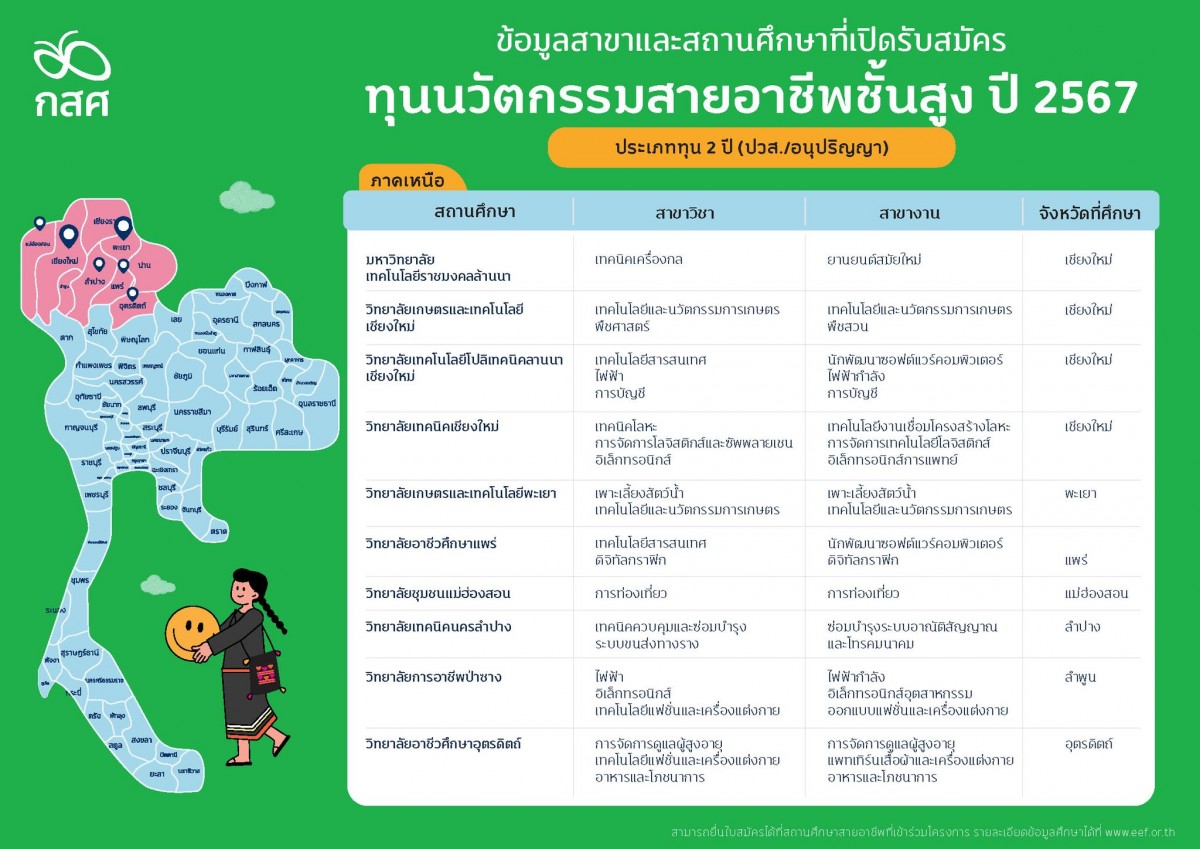
RMUTL, in collaboration with EEF, is driving forward the High Vocational Education Scholarship Programe – Innovative Educational Institutions (Continuous Innovation), Cohort 6, aimed at expanding educational opportunities for under-privileged and low-income students.
The initiative includes:
-
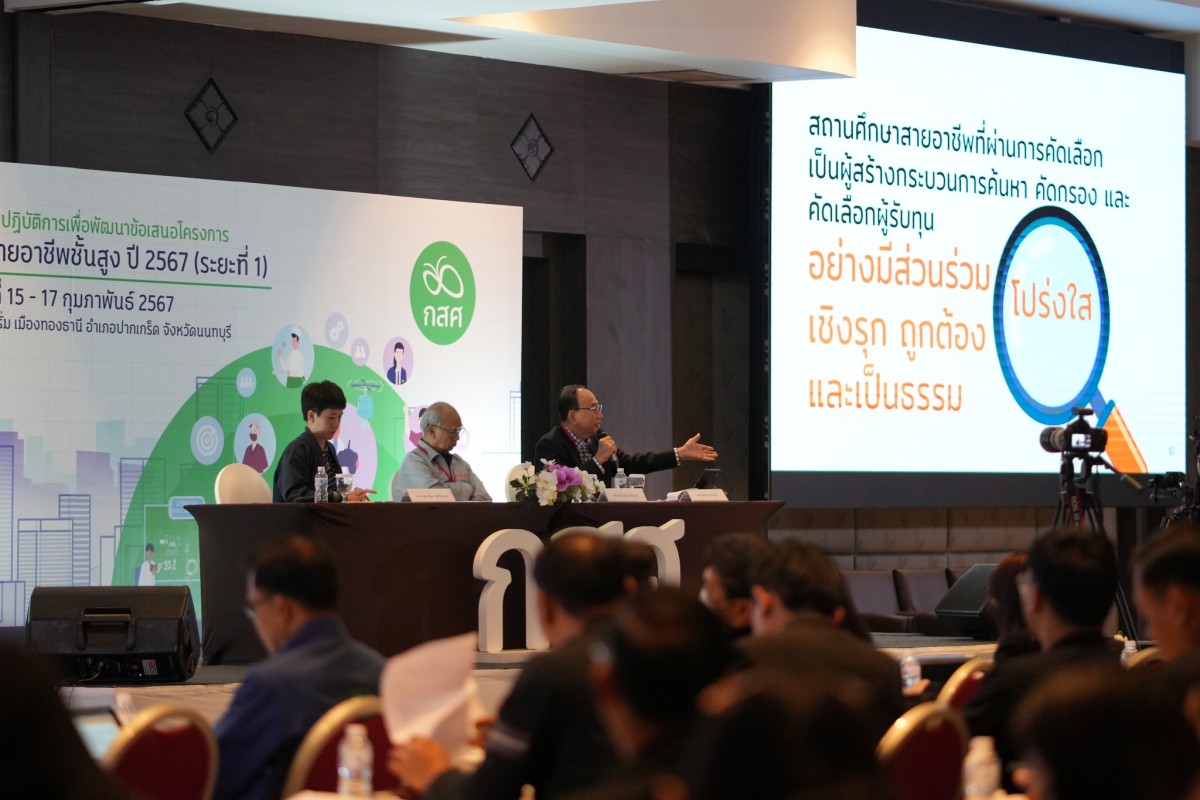
RMUTL representative participated in a workshop to develop the proposal for the Vocational Innovation Scholarship in the academic year 2024 (phase 1).
-
Representatives from 69 institutions involved in the project joined to design innovations for student-guidance, outreach, screening and selection of students who are economically under-privileged, disadvantaged and lacking opportunity. In addition to poverty, factors such as interest, aptitude and positive attitude towards vocational study are key selection criteria.
-
The workshop emphasized prevention of student drop-out and student development in three domains: welfare (care of student living conditions), high-quality teaching and learning, and job-opportunity creation.
-
For academic year 2024/2567, RMUTL has been awarded 80 scholarships as selected by EEF within the Innovation Educational Institutions category (Continuous Innovation) in the following approved programs:
-
Preparatory Engineering stream, 5-year scholarship (Vocational Certificate to Higher Vocational Certificate) at the Faculty of Science, RMUTL Tak.
-
Electronics stream, 2-year scholarship (Higher Vocational Certificate) at Faculty of Engineering, RMUTL Tak.
-
Electric Vehicle stream, 2-year scholarship (Higher Vocational Certificate) at Faculty of Engineering, RMUTL Chiang Mai, Doi Saket campus.
-
-
Applicants interested in joining the scholarship can contact the Faculty of Engineering and the Faculty of Science at RMUTL as per the attached document.
Policy Linkage & Impact
This program directly links to RMUTL’s internal anti-poverty policy, and to the national policy of Thailand in expanding access to education and supporting disadvantaged learners. By focusing on vocational education for low‐income students, the initiative addresses both educational equity and labour market integration — thereby contributing to poverty-reduction by enhancing skills, employability and income potential.
Sources: