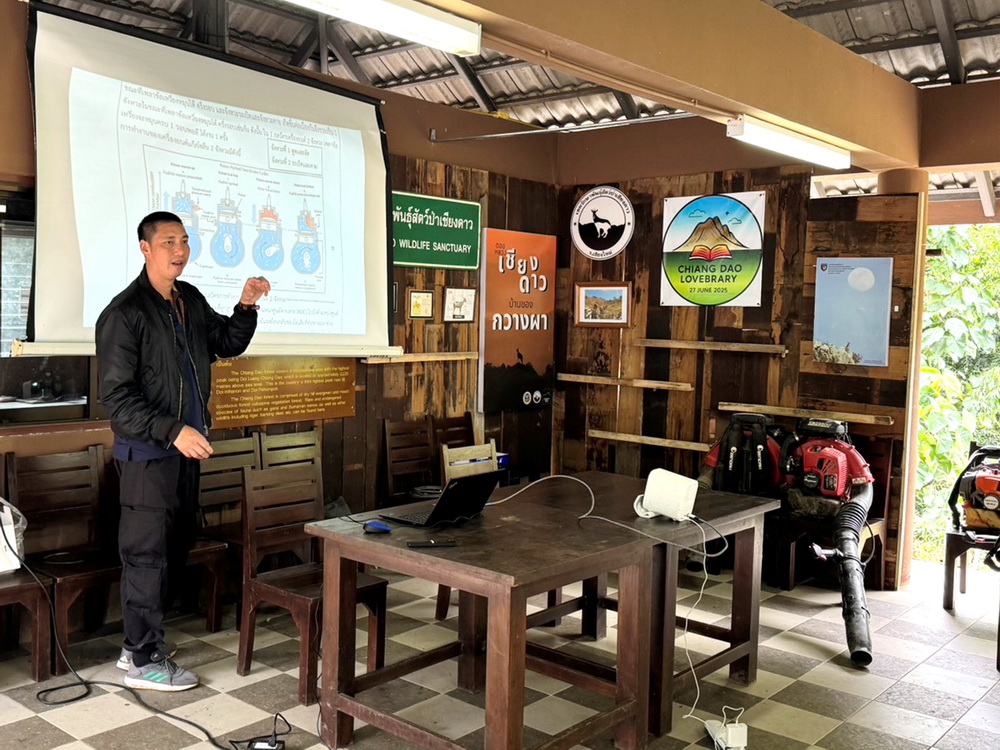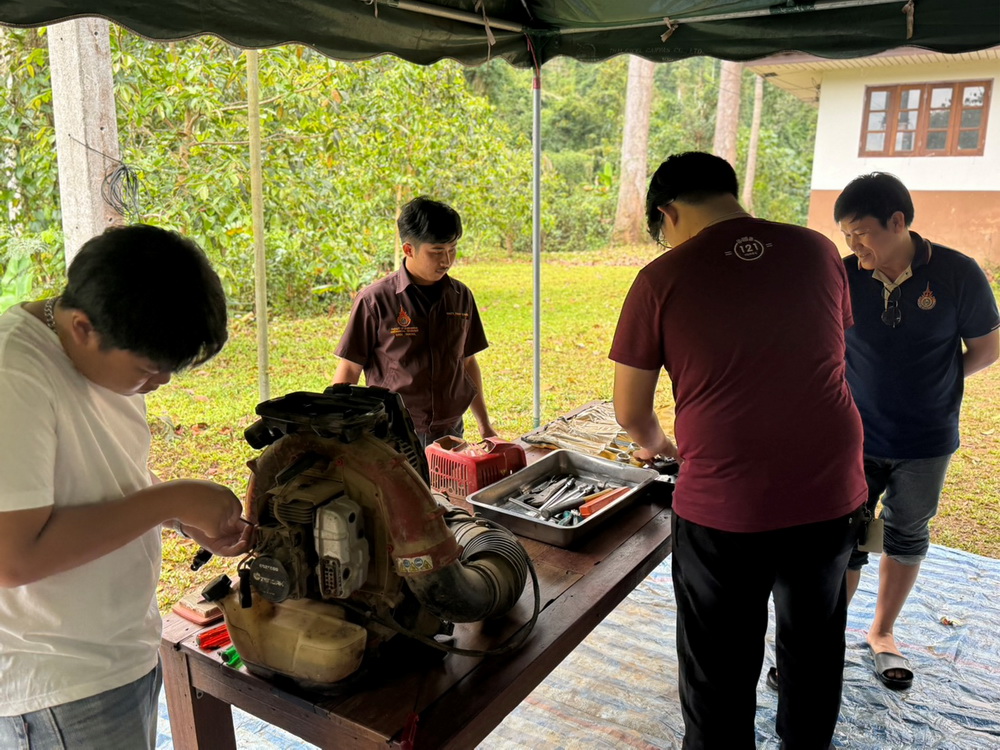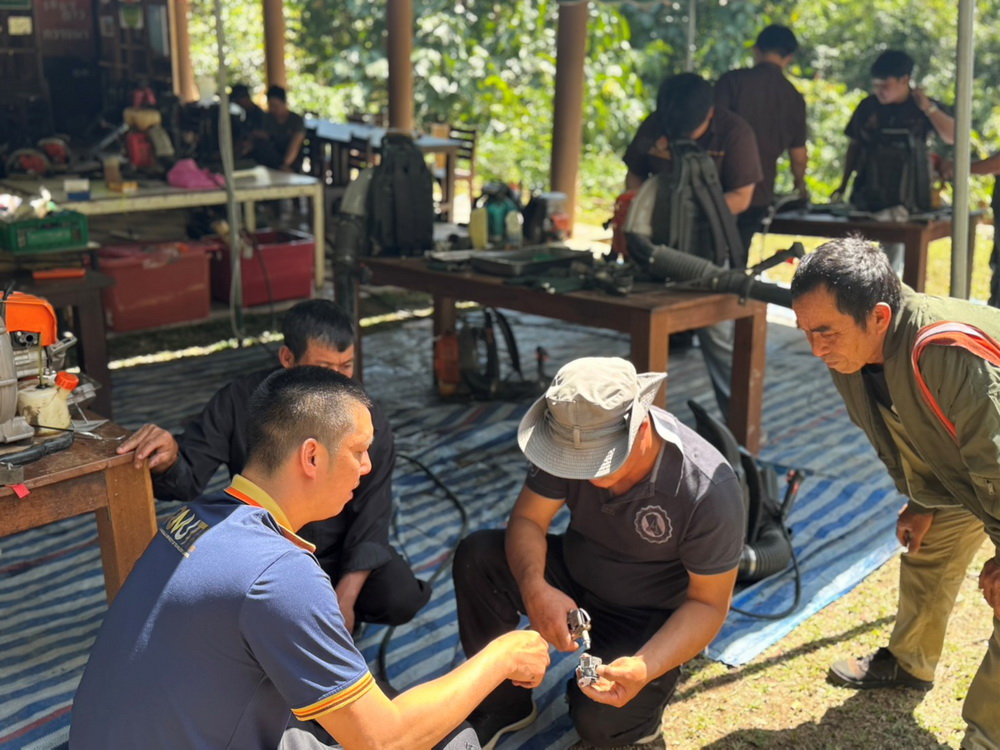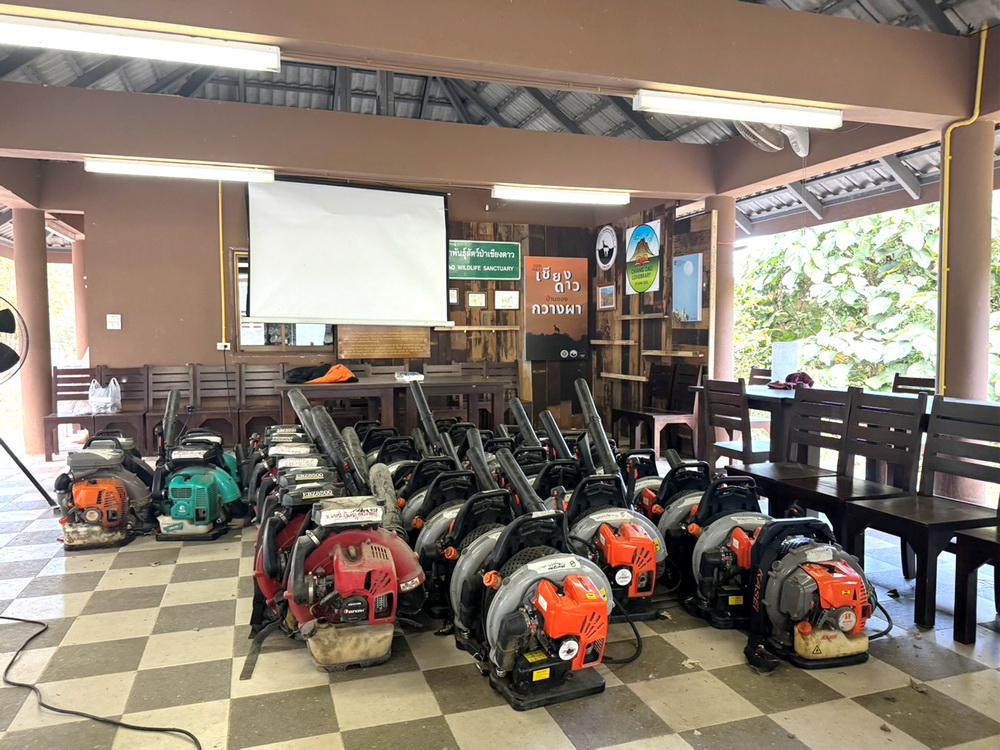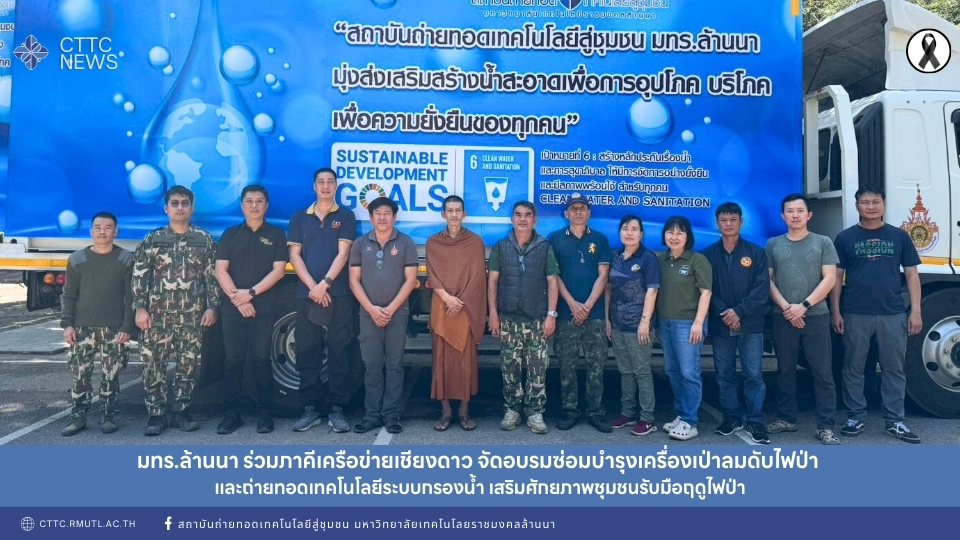
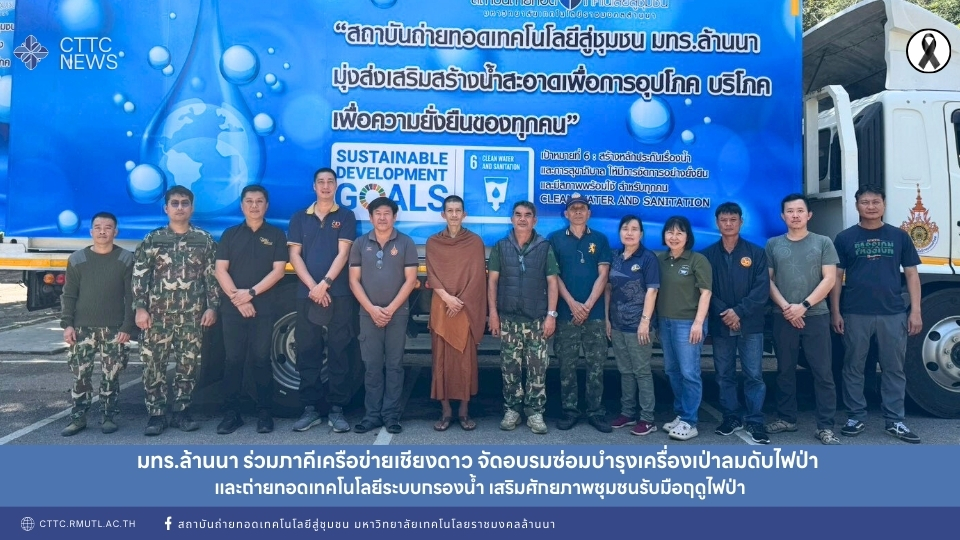
Chiang Mai, Thailand, 25–27 February 2026 – Rajamangala University of Technology Lanna (RMUTL), through its Community Technology Transfer Institute, collaborated with the Chiang Dao Wildlife Sanctuary and local community networks to strengthen cross-sectoral cooperation in addressing wildfire prevention, environmental management, and access to clean water in Chiang Dao District, Chiang Mai Province.
The initiative brought together higher education, a government agency, and local community networks for knowledge exchange, capacity building, and joint problem-solving. It also demonstrates a multi-stakeholder approach that can support broader collaboration among universities, government agencies, non-governmental organizations (NGOs), civil society, and local communities in advancing the Sustainable Development Goals.
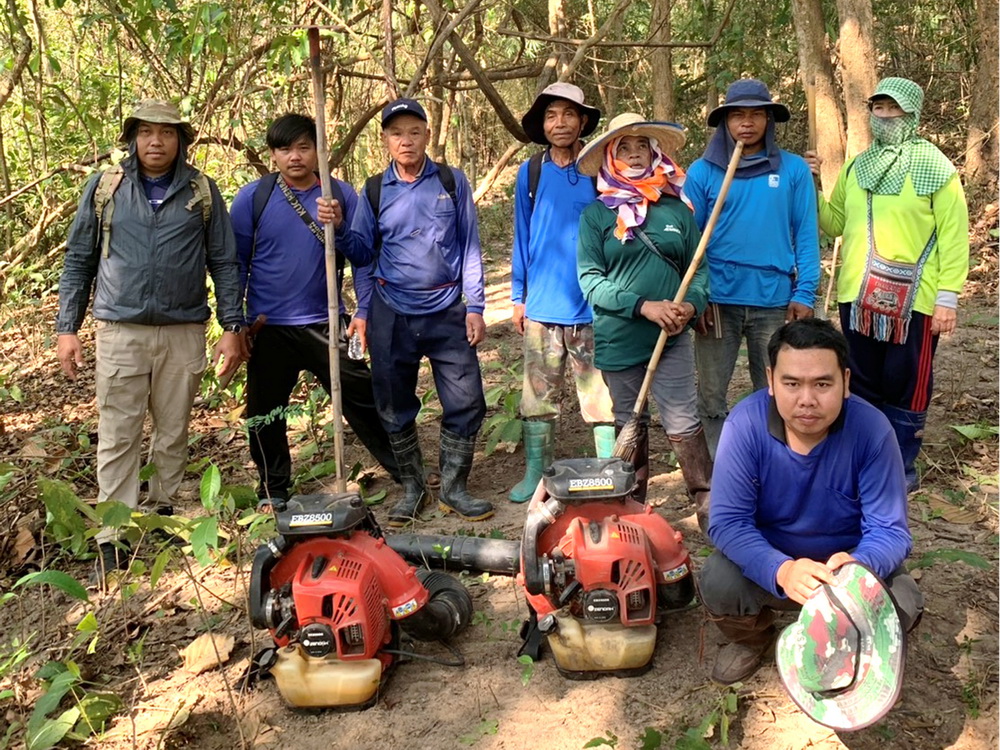
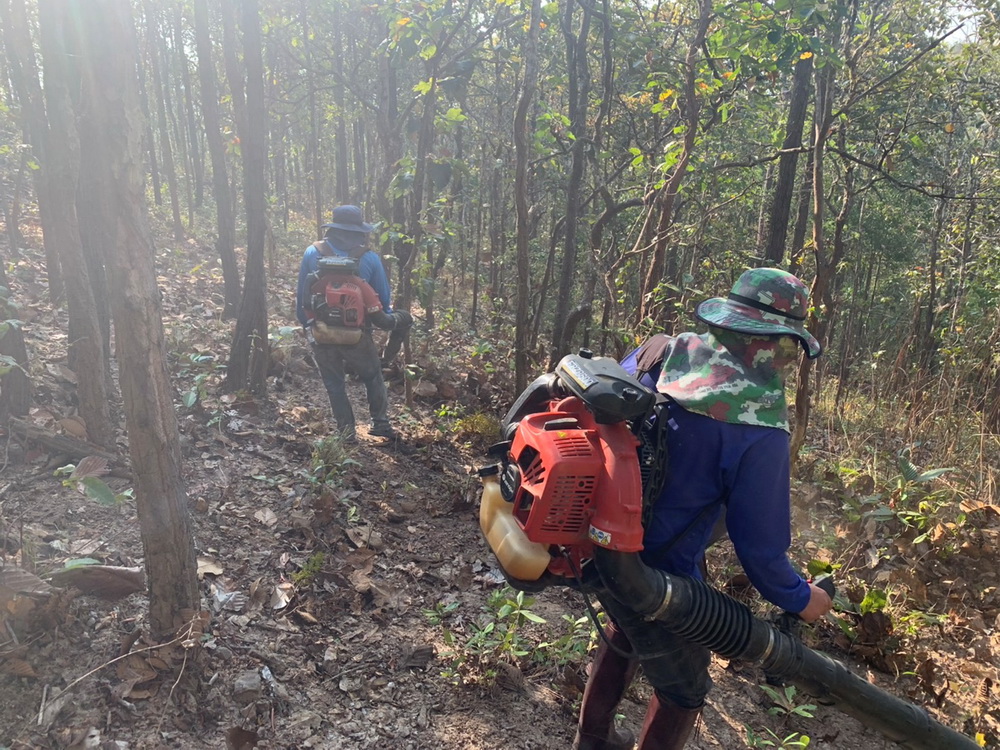
A hands-on training workshop was conducted for 40 participants, covering small-engine maintenance, fault diagnosis, preventive maintenance, and preparation of wildfire leaf blowers before the wildfire season. A total of 60 wildfire leaf blowers from organizations in Chiang Dao were inspected and maintained. RMUTL lecturers, technical personnel, and engineering students contributed their technical expertise, while local stakeholders shared operational experience and knowledge of local conditions.
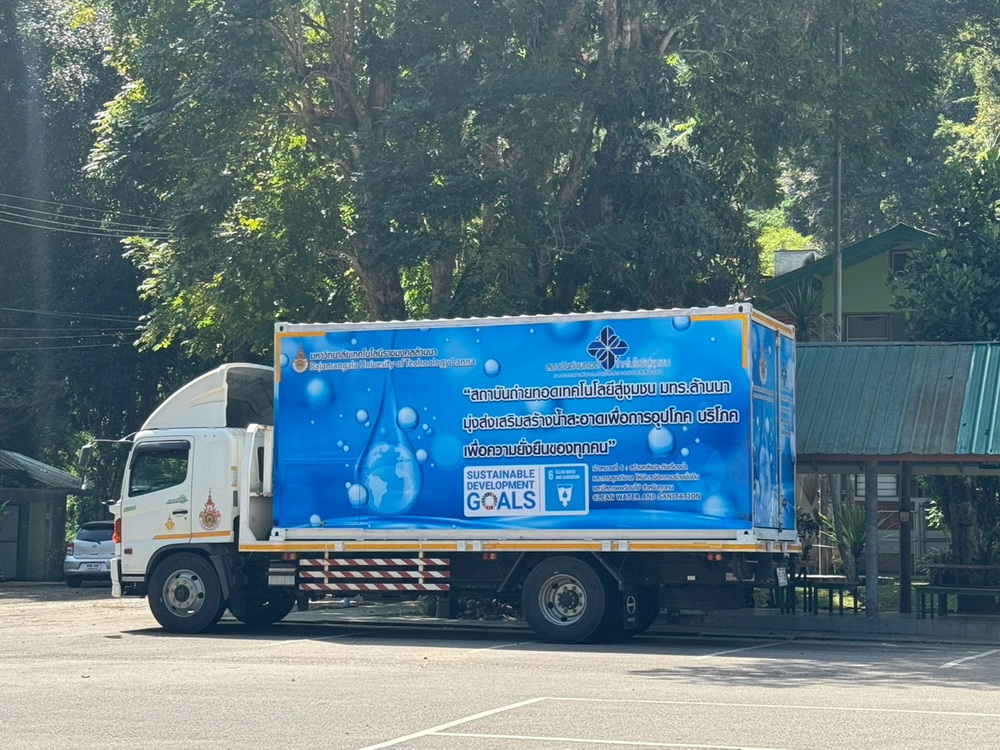
RMUTL also transferred knowledge on the Hydro Pure water filtration system to support access to clean drinking water for wildfire prevention and firefighting networks and provided 3,000 bottles of clean drinking water to local communities and volunteer networks.
The initiative demonstrates cross-sectoral dialogue and multi-stakeholder collaboration among the university, government, and community sectors. It also provides a foundation for engagement with NGOs and other relevant stakeholders in addressing shared sustainability challenges.
The initiative contributes particularly to SDG 17: Partnerships for the Goals, especially Indicator 17.2.2 – Cross-Sectoral Dialogue about the SDGs, while also supporting SDG 4: Quality Education, SDG 6: Clean Water and Sanitation, SDG 13: Climate Action, and SDG 15: Life on Land.