Empowering Local Enterprises and Strengthening Sustainable Livelihoods
Rajamangala University of Technology Lanna (RMUTL) is committed to reducing poverty and strengthening community resilience through education, applied research, entrepreneurship development, and technology transfer. As a university specializing in science, technology, and innovation, RMUTL connects academic expertise with the needs of local communities, particularly rural populations, small-scale farmers, community enterprises, and emerging entrepreneurs in northern Thailand.
In alignment with the United Nations Sustainable Development Goals (SDGs), RMUTL integrates poverty reduction and inclusive economic development into its academic and community engagement missions. The university promotes sustainable livelihoods by supporting local business development, strengthening entrepreneurial skills, improving access to technical knowledge and resources, and fostering collaboration among educational institutions, government agencies, financial institutions, and community organizations.
Throughout 2025, RMUTL implemented community development programs through its Institute of Technology Transfer to the Community, University Business Incubator (UBI), Royal Project Support initiatives, faculties, and regional campuses. These activities addressed practical challenges faced by local communities, including limited entrepreneurship skills, product development barriers, financial resource constraints, and gaps in technical knowledge.
The university’s approach emphasizes four interconnected areas: supporting sustainable local businesses, improving access to financial resources, expanding community access to technical knowledge and services, and strengthening partnerships for inclusive regional development.
Supporting Local Entrepreneurship and Sustainable Community Enterprises
RMUTL supports the establishment and development of financially and socially sustainable local businesses through entrepreneurship education, mentoring, product development, and access to university expertise.
The university’s community entrepreneurship initiatives focus on strengthening business capabilities, improving product quality, creating market opportunities, and promoting the sustainable use of local resources. These activities place particular emphasis on community enterprises that combine traditional knowledge, local cultural identity, agricultural resources, and innovation to develop income-generating opportunities.
Community Enterprise Development through the GSB Yuwapat Rak Thin 2025 Program
One of RMUTL’s major community entrepreneurship initiatives in 2025 was the GSB Yuwapat Rak Thin Program, implemented in collaboration with the Government Savings Bank (GSB). The program connected university students, faculty mentors, and local community enterprises to develop innovative products and services, improve business management capabilities, and strengthen the potential of community-based economic activities.
In January 2025, RMUTL selected five community development projects involving local enterprises in Chiang Mai, Lamphun, and Mae Hong Son. The projects focused on traditional textile development, creative products, community-based tourism, and value-added agricultural processing. Participating university teams worked directly with community members to identify business challenges, analyze existing products and services, develop appropriate solutions, and improve their market readiness. The program also promoted experiential learning by enabling students to apply knowledge of business administration, marketing, design, technology, and innovation to actual community development challenges.
Community Enterprise Development Projects in 2025
The following examples demonstrate how RMUTL and GSB collaborated with local communities to strengthen sustainable entrepreneurship.
| Community Enterprise / Project | University Support and Development Activities | Expected Community Benefits |
|---|---|---|
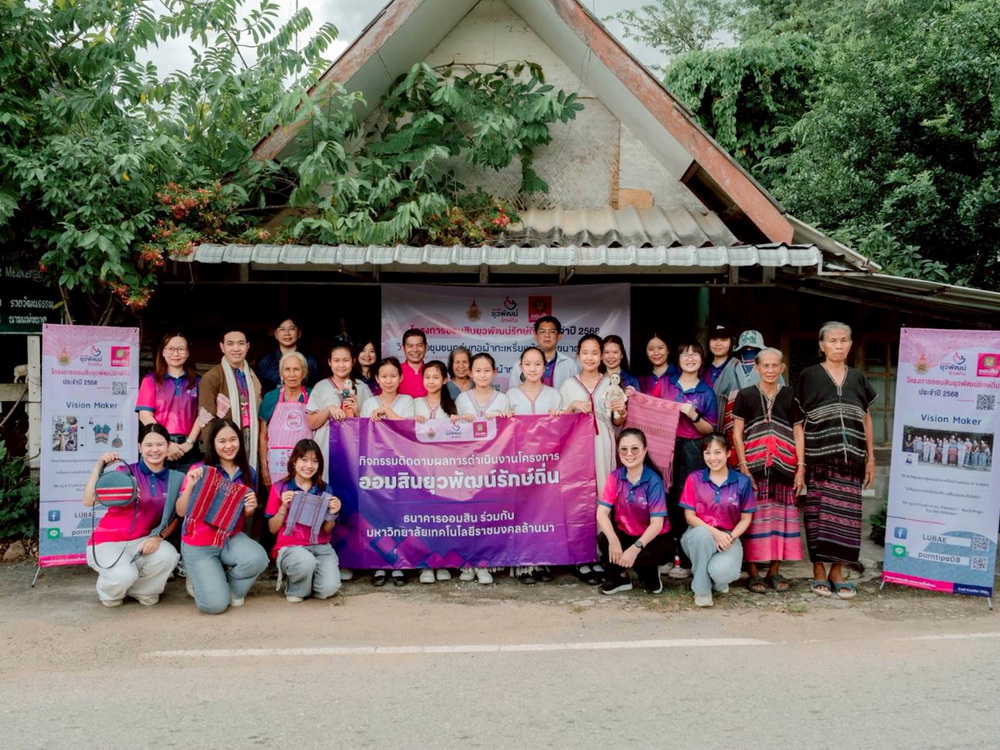
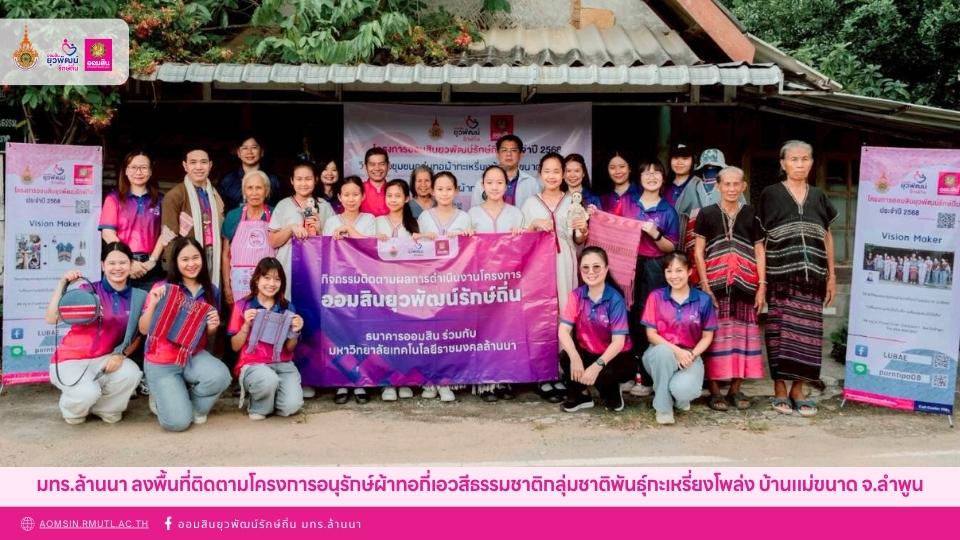
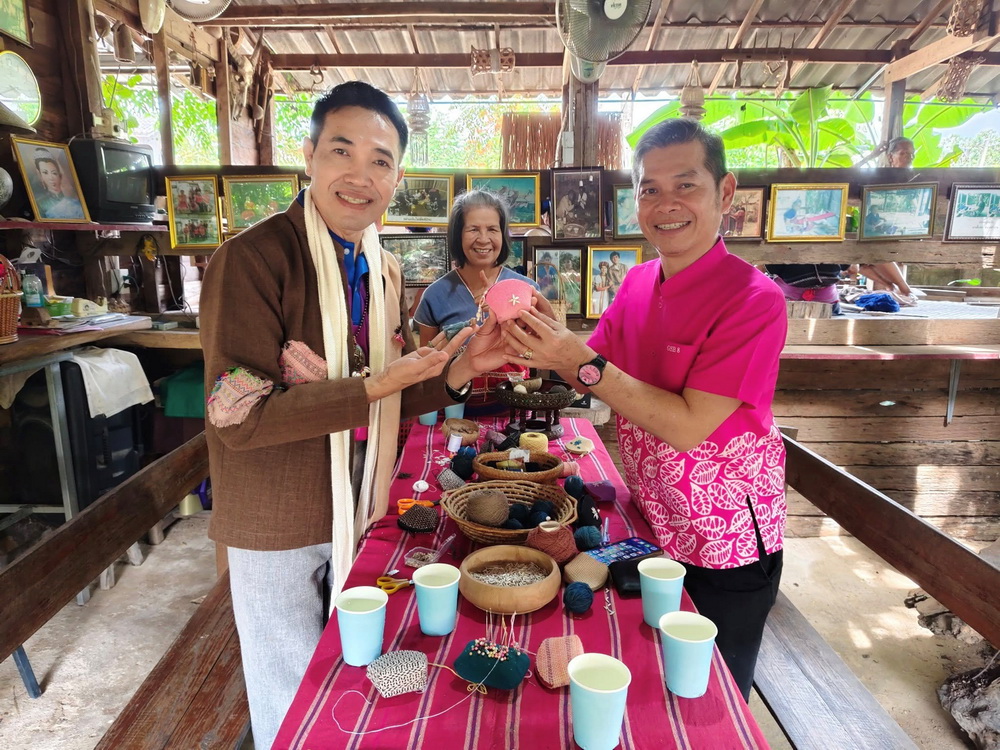
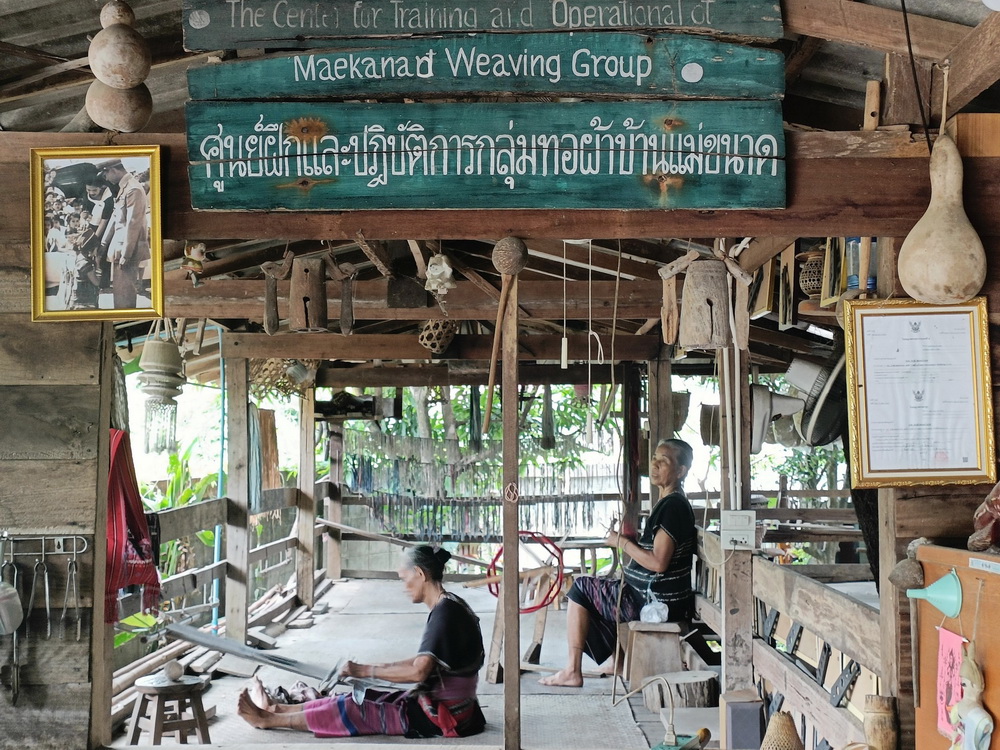
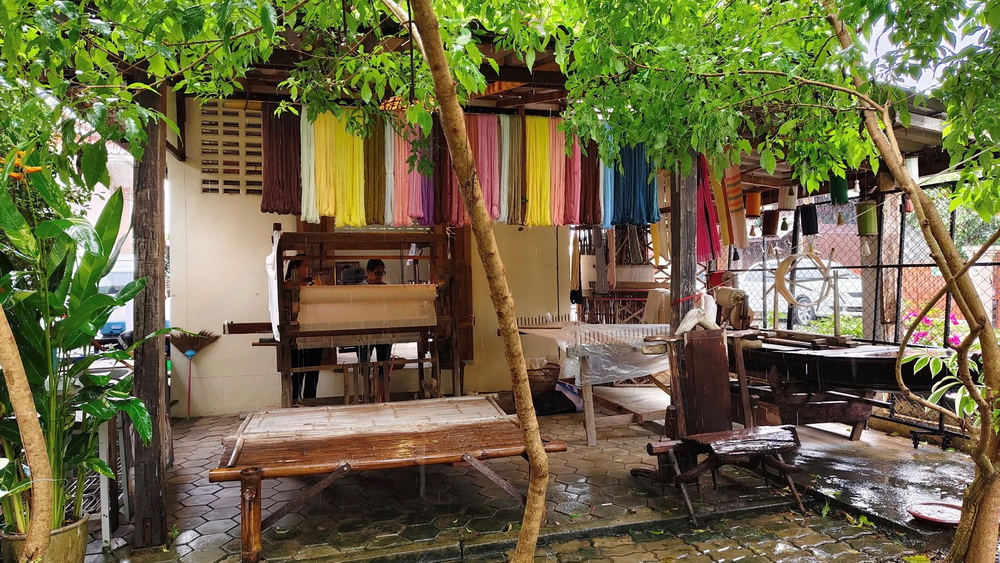
| Ban Mae Khanat Karen Textile Community, Lamphun | The Vision Makers student team collaborated with the Pwo Karen weaving community to preserve traditional backstrap weaving and natural dyeing practices. The project developed a Story Lookbook, an E-book, digital promotional artwork, and video content to communicate the cultural value of local textile products. | Improved product visibility, preservation of traditional craftsmanship, and broader opportunities for creative product marketing. |
| Tai Lue Textile Group, Ban Luang Tai, Doi Saket, Chiang Mai | RMUTL students supported product design, prototype development, household accounting, cost management, market analysis, and production planning. The project combined traditional textile knowledge with contemporary product development. | Stronger business management capabilities, improved product development skills, and opportunities for increased product value and market access. |
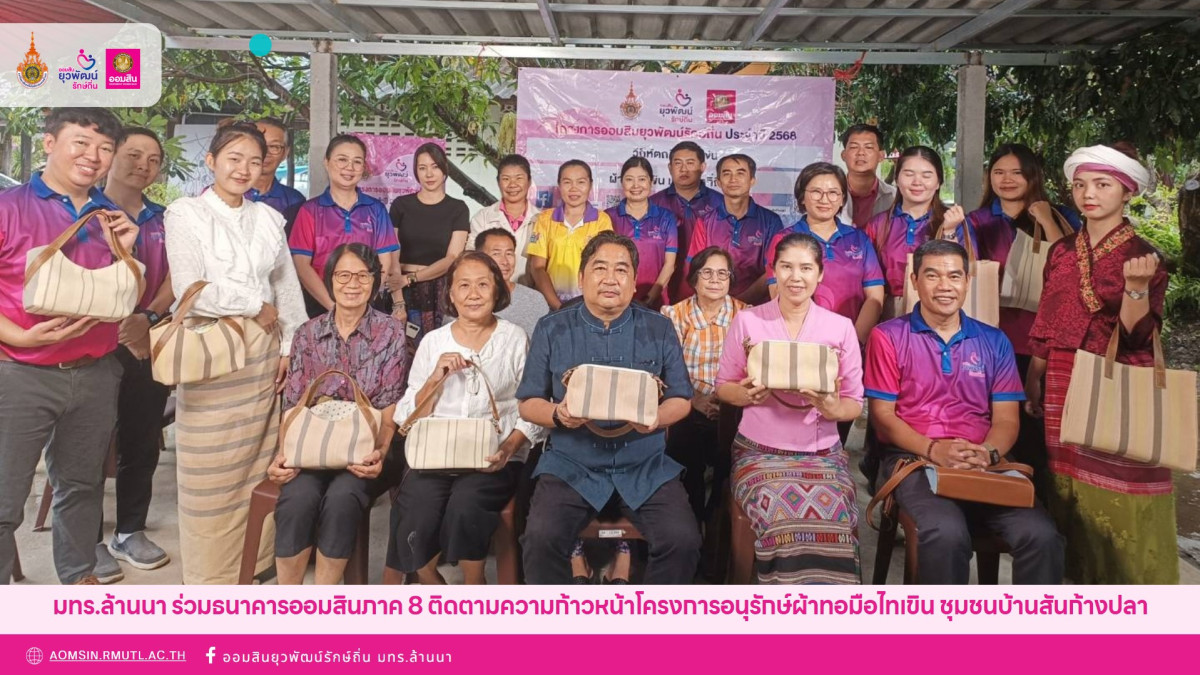
| Tai Khoen Handicraft Group, Ban San Kang Pla, San Kamphaeng, Chiang Mai | The Saneh Lanna student team supported natural-dyed textile development, contemporary fashion design, product diversification, and marketing activities. Products included clothing, bags, and accessories incorporating traditional Tai Khoen textiles. | Enhanced product differentiation, greater recognition of local craftsmanship, and improved opportunities for commercial development. |
| Ban Luang Community Enterprise, Phrao, Chiang Mai | The MechaBiz Synergy student team developed community-based tourism packages, digital promotional channels, cost calculation methods, business plans, and marketing strategies to improve tourism services. | Stronger tourism management skills, diversified tourism products, improved promotional capabilities, and opportunities for community income generation. |
| Community Enterprise Development in Mae Hong Son | The selected project focused on developing value-added products from locally available tiger-striped peanuts, connecting agricultural resources with community enterprise development. | Opportunities for agricultural product diversification, local value creation, and future business development. |
The projects illustrate RMUTL’s integrated approach to entrepreneurship support, bringing together business education, technical assistance, design expertise, and local knowledge. Rather than relying solely on classroom-based instruction, the university emphasized collaborative product development and direct engagement with participating communities.
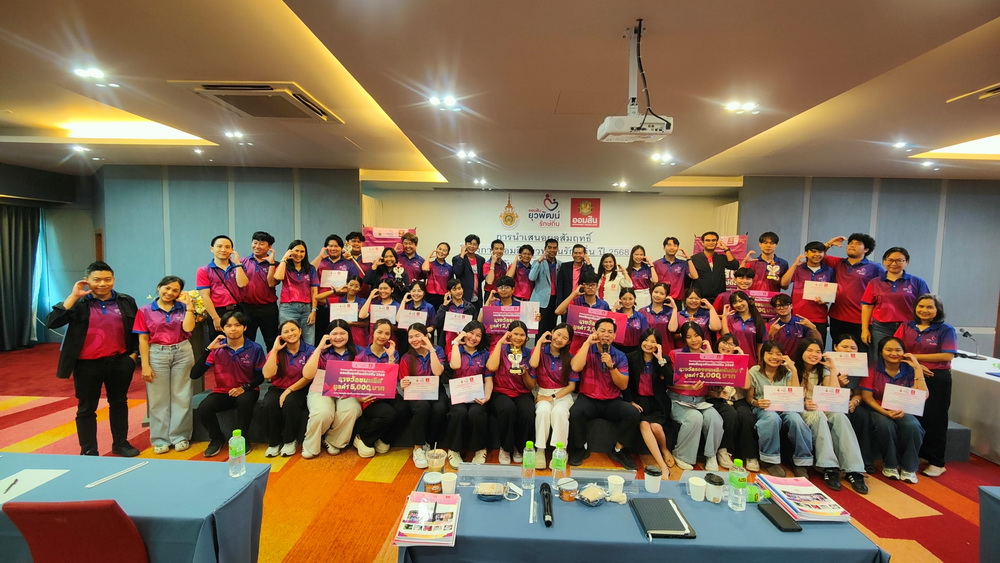
Figure 1. RMUTL students, faculty mentors, Government Savings Bank representatives, and community enterprises collaborate to develop local products and services, strengthen business capabilities, and promote sustainable livelihoods.
Measurable Economic Outcomes of Community Enterprise Development
The GSB Yuwapat Rak Thin 2025 Program delivered measurable outcomes across five participating community enterprises in Chiang Mai, Lamphun, and Mae Hong Son. According to the project’s final report, the initiatives benefited 165 individuals across the supply chain and supported community enterprises in improving their products, services, business management practices, and market access.
The project’s economic performance assessment reported positive achievements under an indicator measuring increased income from product or service sales or reduced operating expenses. The five participating enterprises reported the following results:
| Community Enterprise | Reported Economic Achievement |
|---|---|
| Tai Khoen Handicraft Group, Ban San Kang Pla | 100% |
| Pwo Karen Weaving Community Enterprise, Ban Mae Khanat | 566.67% |
| Forest and Income Creation Community Enterprise, Ban Thop Sok | 200% |
| Ban Luang Community-Based Tourism Enterprise | 150% |
| Tai Lue Handicraft Center, Ban Luang Tai | 100% |
These results demonstrate progress in the participating communities’ economic development activities. The reported percentages represent achievements under the project’s combined income-increase or expense-reduction indicator and should not be interpreted exclusively as sales revenue growth. Beyond these quantitative results, the program strengthened community business capabilities through product innovation, cost accounting, financial management, market development, and the application of locally appropriate technologies. The final report also identified broader economic and social benefits, including opportunities for employment and income generation, improved productivity and sales, stronger community participation, and the continued application of knowledge after project completion.
Strengthening Creative Industries and Traditional Textile Enterprises
The GSB Yuwapat Rak Thin 2025 Program placed particular emphasis on strengthening traditional textile enterprises by integrating cultural preservation with contemporary design and business development.
- In Ban Mae Khanat, Lamphun, the Vision Makers team collaborated with the local Pwo Karen weaving community to promote traditional backstrap weaving and natural-dyed textiles. The project developed digital communication materials, including a Story Lookbook, an E-book, promotional artwork, and video content highlighting traditional weaving techniques and community identity.
- At Ban Luang Tai in Doi Saket District, Chiang Mai, RMUTL students worked with the Tai Lue textile group to strengthen product development and business management. Activities included analyzing existing products, developing prototypes, introducing household accounting practices, evaluating production costs, and exploring market opportunities.
- In Ban San Kang Pla, San Kamphaeng District, Chiang Mai, the Saneh Lanna team collaborated with the Tai Khoen Handicraft Group to develop contemporary products from traditional woven textiles. The activities supported product diversification and integrated environmentally responsible production practices with modern fashion design.
These initiatives helped participating communities develop new approaches to product design, cost management, marketing, and cultural storytelling. By combining university expertise with traditional craftsmanship, RMUTL supported opportunities for higher-value products while preserving local cultural heritage.
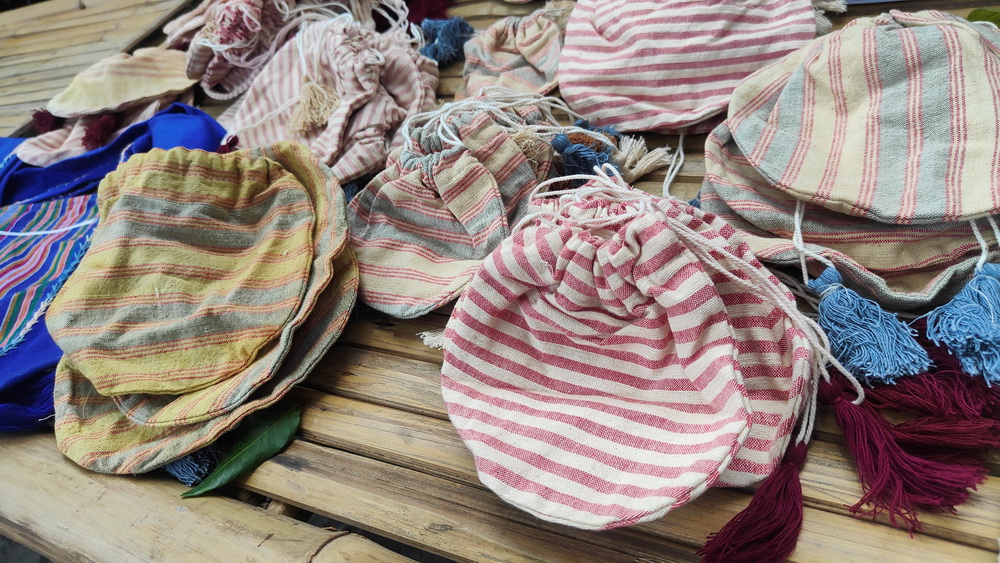
Figure 2. RMUTL supports traditional textile enterprises through product innovation, digital marketing, cost management, and the preservation of local cultural heritage.
Developing Community-Based Tourism Enterprises in Ban Luang, Phrao
RMUTL also supported community-based tourism as a strategy for strengthening local entrepreneurship and diversifying rural income opportunities. Under the GSB Yuwapat Rak Thin 2025 Program, the MechaBiz Synergy student team from the College of Integrated Science and Technology collaborated with the Ban Luang Community Enterprise in Long Khot Subdistrict, Phrao District, Chiang Mai.
The project, known as Aew Muan Rak Hak Ban Luang, focused on improving community tourism services and developing tourism products based on local resources, cultural identity, and community experiences. Key activities included developing diverse tourism packages, creating digital promotional channels, providing training in cost calculation, preparing business plans, and introducing marketing strategies. These activities were designed to help community members manage tourism services more independently and make informed decisions about pricing, promotion, and business operations.
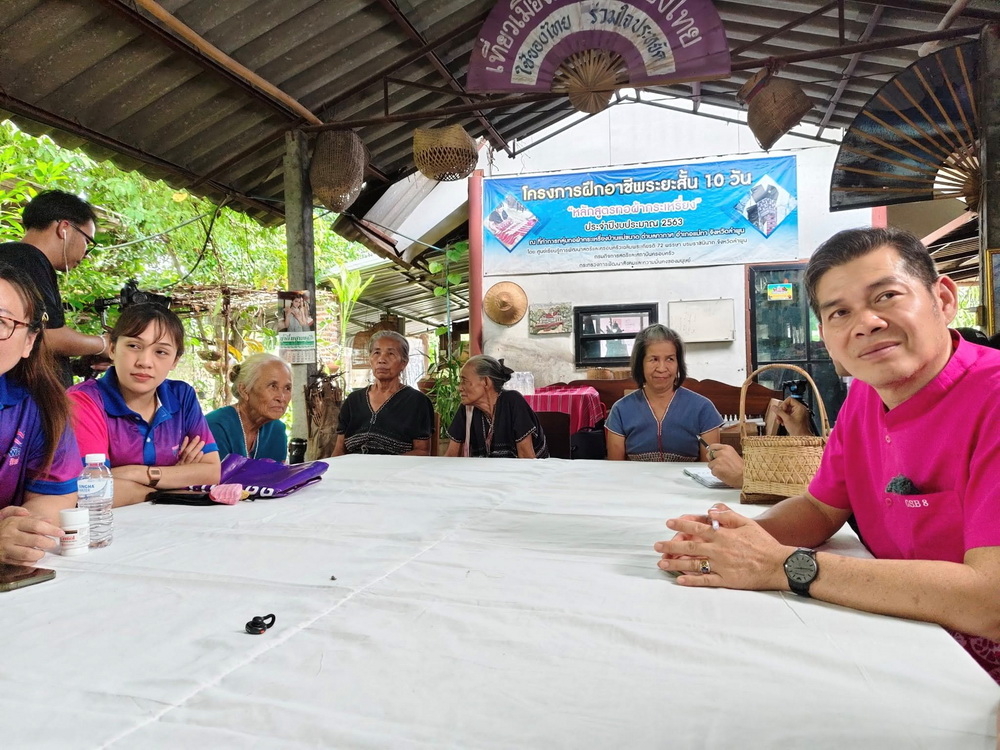
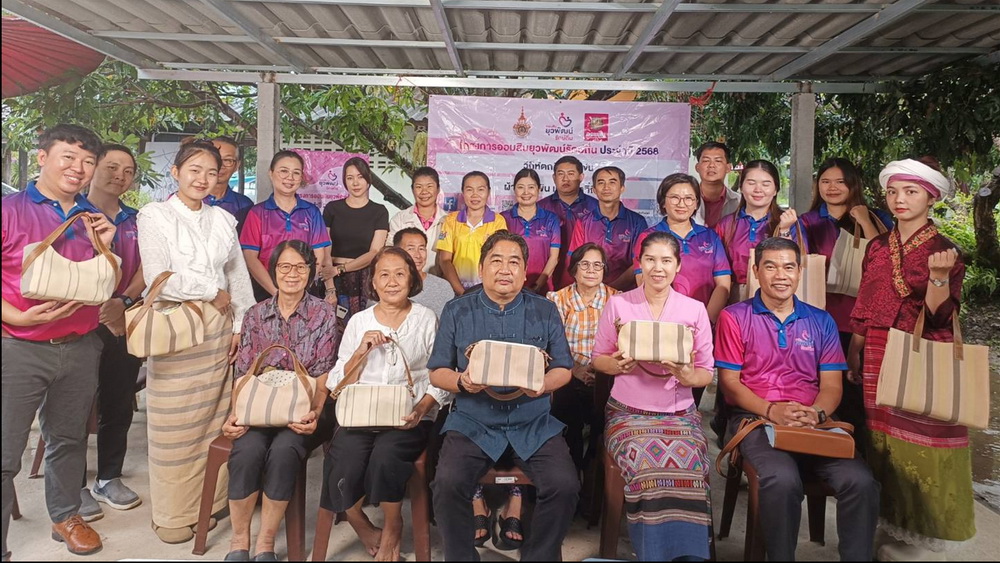
On September 2, 2025, RMUTL representatives and GSB Region 8 conducted a field visit to monitor the project’s progress and discuss its implementation with participating community members. The initiative demonstrated how tourism development, entrepreneurship education, and digital marketing can be combined to create additional economic opportunities for rural communities while preserving local identity.
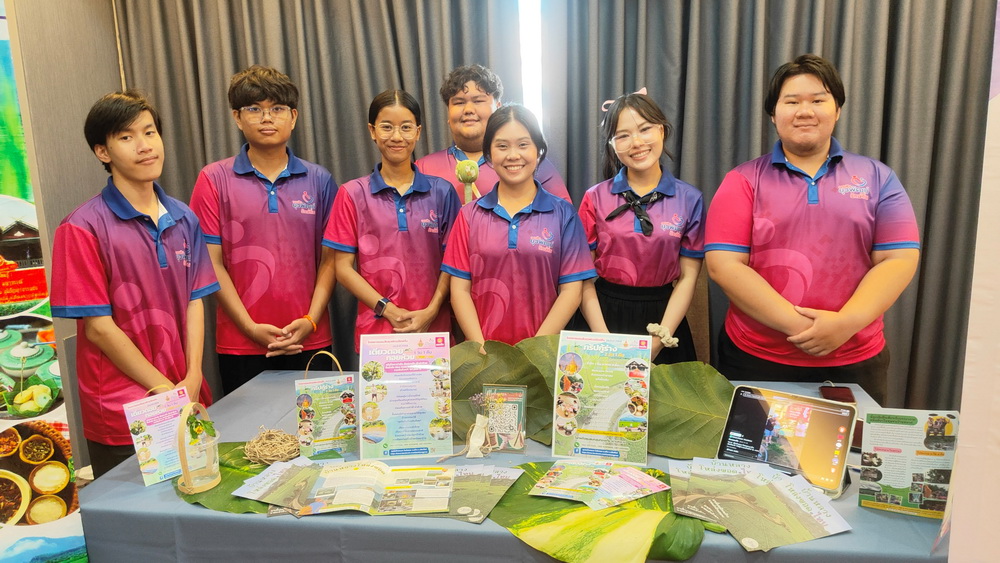
Figure 3. RMUTL and GSB support the Ban Luang Community Enterprise in developing community-based tourism packages, digital marketing channels, and business management capabilities.
National Recognition for Community Product Innovation
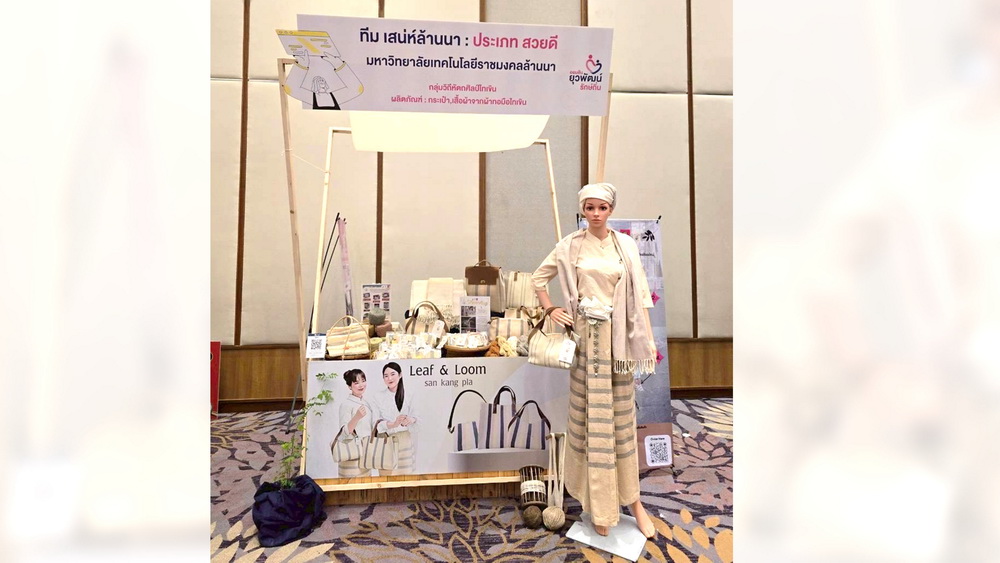
A significant achievement of the GSB Yuwapat Rak Thin 2025 Program was the recognition of RMUTL’s Saneh Lanna student team at the national Best of the Best 2025 competition.
On November 26, 2025, the team received the first runner-up award in the Aesthetic category, along with a cash prize of THB 25,000, at an award ceremony in Bangkok. The team was selected from a national competition involving 342 teams and advanced to the final group of 12 teams.
Working with the Tai Khoen Handicraft Group in Ban San Kang Pla, the students developed contemporary fashion products using traditional handwoven textiles and natural dyes. Their work included clothing, bags, and accessories that combined traditional craftsmanship with modern consumer preferences.
The team also exhibited its products during the national event, providing an opportunity to showcase local textile innovation to a wider audience. The award recognized the quality and creativity of the university–community collaboration and demonstrated the potential of traditional craftsmanship to support modern product development. Although the cash prize was awarded to the student team rather than documented as direct financial assistance to the community enterprise, the achievement provides evidence of successful product innovation and national recognition.
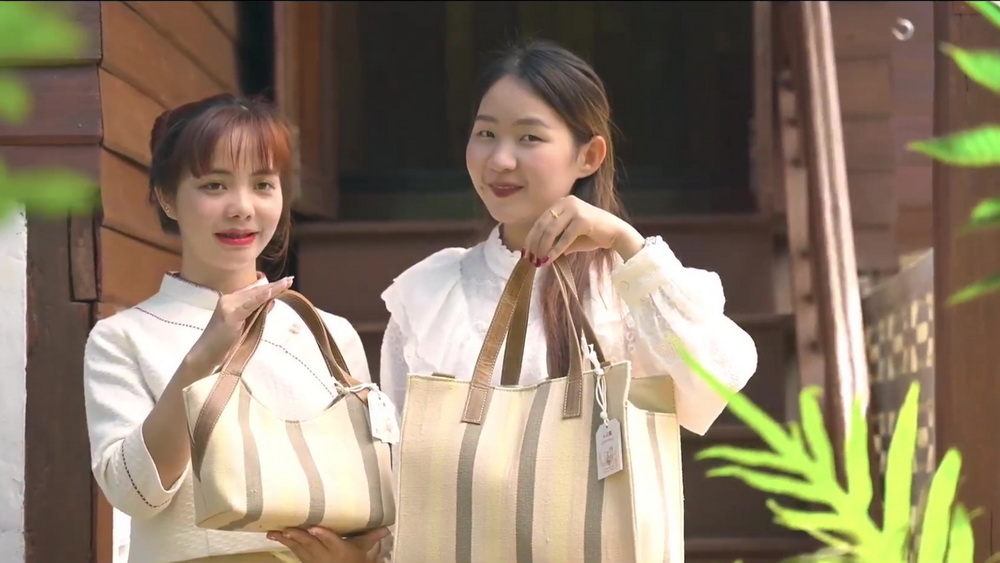
Figure 4. RMUTL’s Saneh Lanna team received a national first runner-up award in the Aesthetic category of the GSB Yuwapat Rak Thin Best of the Best 2025 competition for contemporary products developed with the Tai Khoen Handicraft Group.
Entrepreneurship Training and Business Readiness Development
In addition to community enterprise projects, RMUTL supported emerging entrepreneurs through business readiness training organized by its University Business Incubator and partner organizations.
On March 6–7, 2025, the university conducted a business readiness training program attended by 25 participants. The training addressed business planning, investment preparation, product development, innovation management, and potential funding opportunities. Participants received guidance from academic specialists and entrepreneurship development organizations to strengthen their ability to assess business opportunities, improve business models, and prepare for future enterprise development. Through these activities, RMUTL provided practical entrepreneurship education and professional mentoring to help emerging entrepreneurs build financially and socially sustainable businesses.
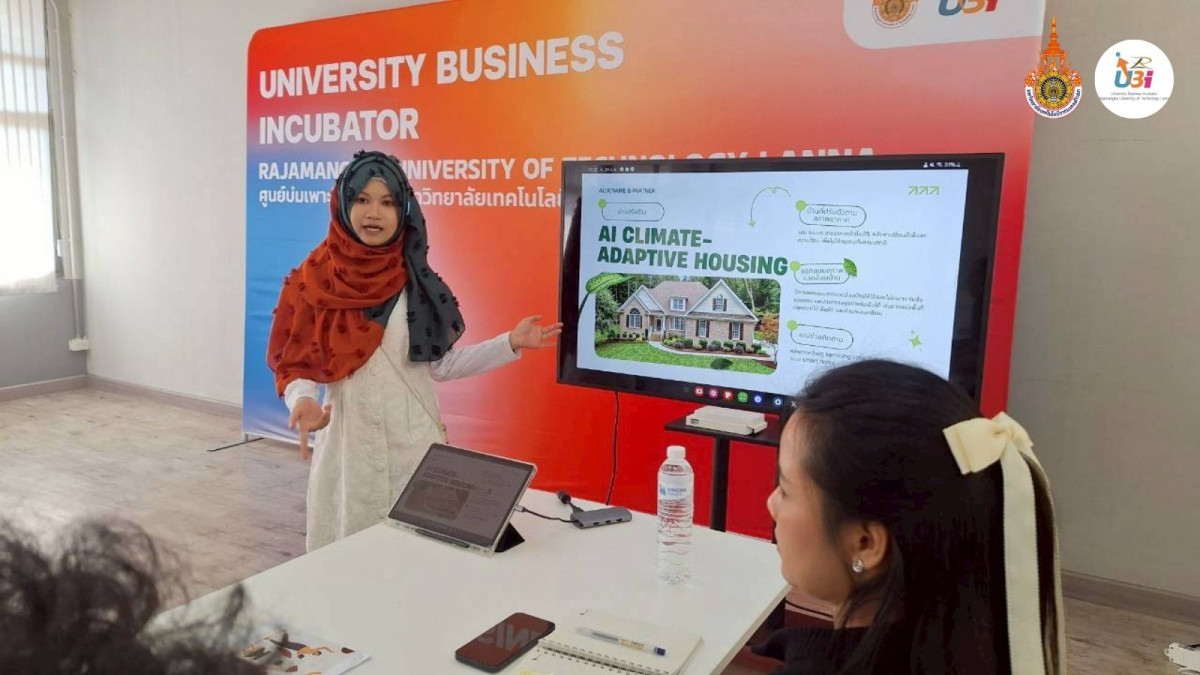
Figure 5. RMUTL provides entrepreneurship training and mentoring to strengthen business planning, innovation development, and investment readiness.
Creating Economic Opportunities through Agricultural Product Innovation
RMUTL also promoted entrepreneurship through agricultural product innovation and value-added food processing, particularly in rural and highland communities.
In May and July 2025, the university’s Royal Project Support team collaborated with academic specialists to conduct product development activities at the Nong Khiao Royal Project Development Center in Chiang Dao District, Chiang Mai. The activities supported the Kachin Sudjai Community Enterprise in developing avocado-based food products. Training covered food production standards, Good Manufacturing Practices (GMP), production hygiene, ingredient measurement, product formulation, and quality assessment.
On July 18, 2025, RMUTL conducted hands-on training in avocado ice cream development, including product formulation and sensory evaluation. The training provided community members with technical knowledge relevant to developing safe and marketable value-added food products. By connecting university expertise with local agricultural resources, RMUTL supported community enterprises in strengthening production capabilities and exploring new business opportunities.
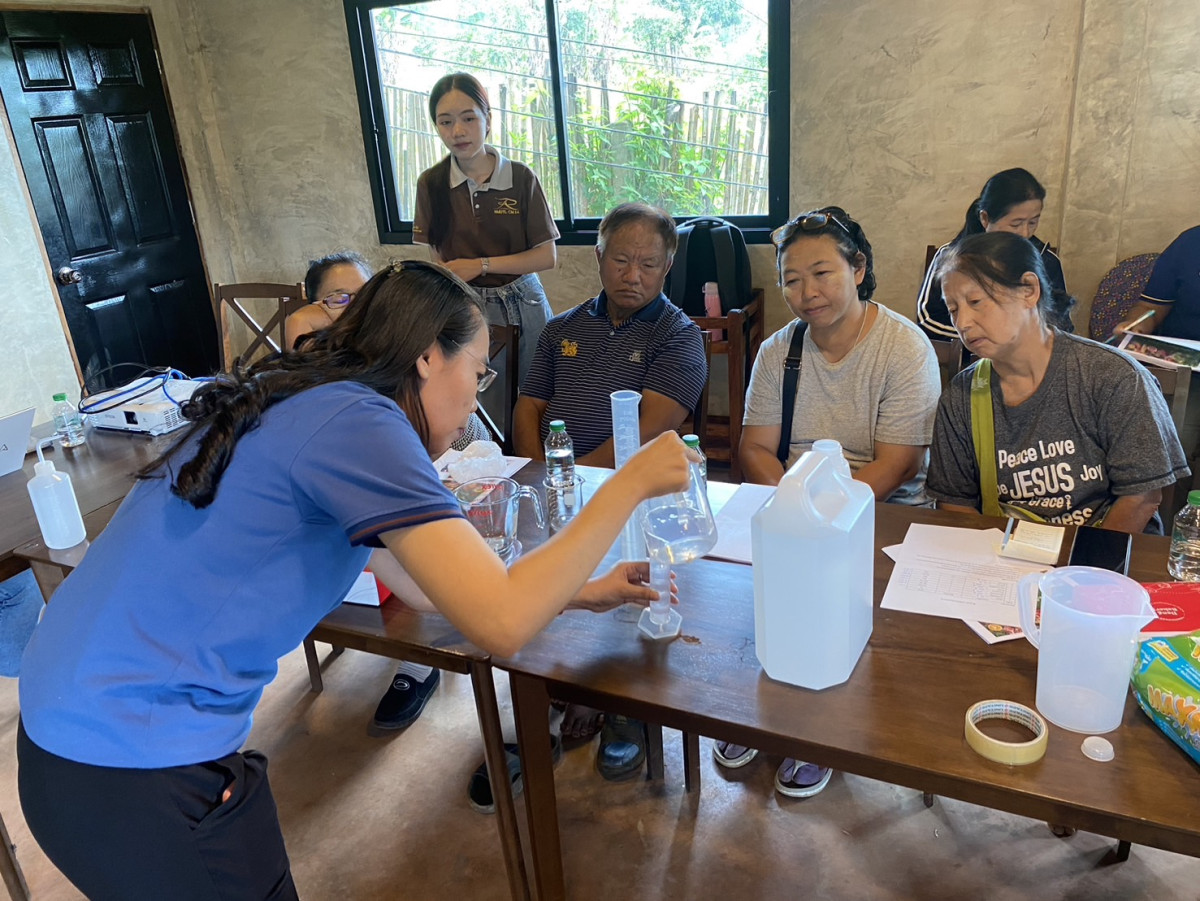
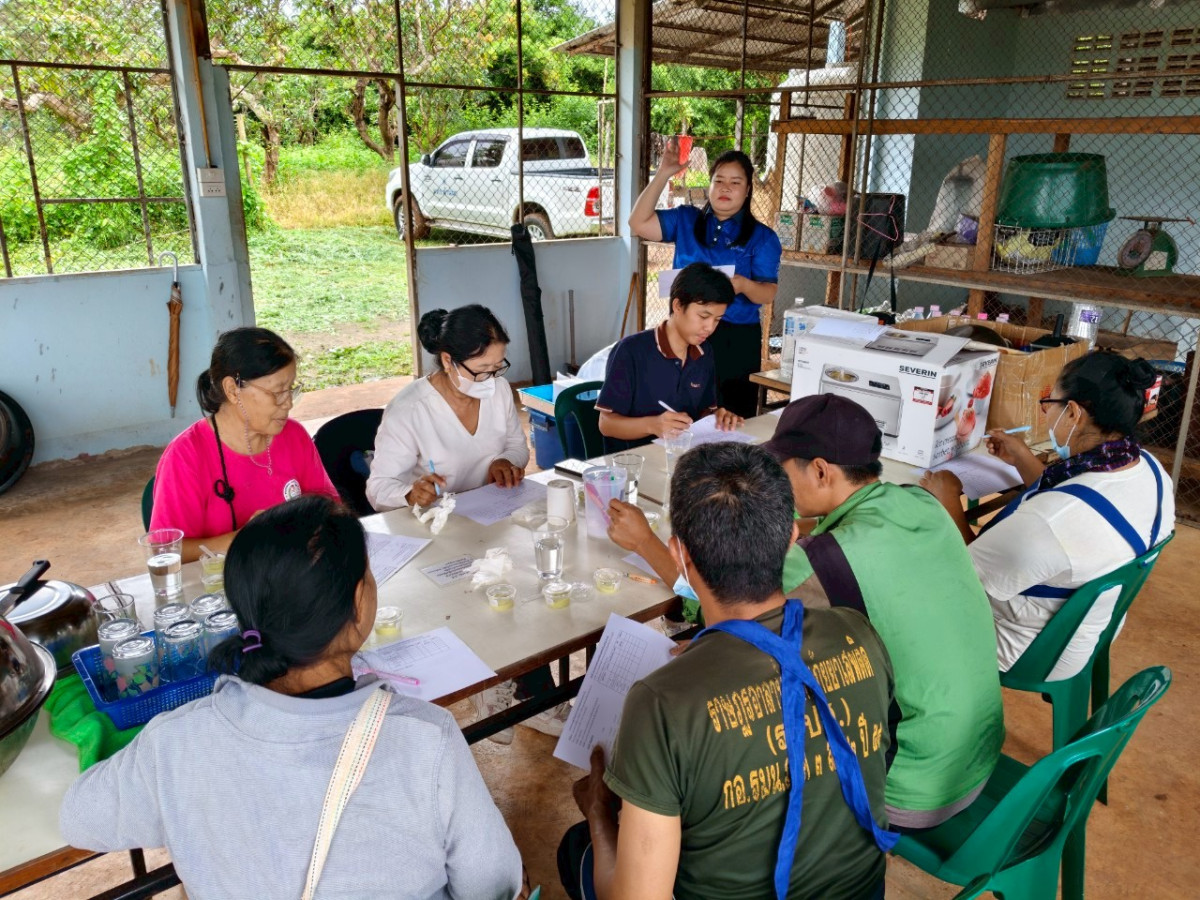
Figure 6. RMUTL transfers food processing technology and product development knowledge to local community enterprises to support agricultural value creation and sustainable livelihoods.
Community Outcomes and Benefits
RMUTL’s entrepreneurship development programs strengthened community capabilities in business planning, product design, cost management, marketing, and innovation.
Through the GSB Yuwapat Rak Thin 2025 Program, the university supported five community development projects across Chiang Mai, Lamphun, and Mae Hong Son. These projects promoted traditional craftsmanship, creative industries, tourism, and agricultural product development. The initiatives also increased community access to academic mentoring, technical expertise, and business development resources. The national recognition of the Saneh Lanna team further demonstrated the potential of university–community partnerships to transform traditional knowledge into innovative products. Together, these activities supported opportunities for sustainable enterprise development, local income diversification, and stronger community economic resilience.
Sources:
- GSB Yuwapat Rak Thin 2025: Selection of Five Community Development Teams
- Karen Textile Development in Ban Mae Khanat, August 2025
- Tai Lue Textile Enterprise Development in Ban Luang Tai, August 2025
- Tai Khoen Textile Development in Ban San Kang Pla, August 2025
- Community-Based Tourism Development in Ban Luang, September 2025
- Saneh Lanna National Best of the Best 2025 Award, November 2025
- Community Food Processing and Production Standards Training, May 2025
- Avocado Ice Cream Product Development, July 2025
- GSB Yuwapat Rak Thin Program at RMUTL
Improving Access to Financial Resources and Enterprise Development Support
Access to appropriate financial resources is an important factor in enabling local entrepreneurs and community enterprises to establish sustainable businesses. RMUTL supports this objective by facilitating cooperation with financial institutions, promoting financial literacy, and providing business development assistance.
Community Enterprise Support through Financial Institution Partnerships
RMUTL collaborates with the Government Savings Bank through the GSB Yuwapat Rak Thin Program to support community enterprise development.
In 2025, the university coordinated five community development projects involving student teams, academic mentors, local enterprises, and GSB representatives. The partnership provided a structured approach to identifying community needs, developing business improvement plans, implementing project activities, and monitoring progress. The program connected communities with financial-sector partners while enabling university personnel to contribute technical knowledge, business mentoring, and project management expertise.
During August and September 2025, RMUTL and GSB Region 8 conducted joint field visits to review community enterprise projects in Lamphun and Chiang Mai. These visits covered textile enterprise development, community product innovation, and tourism business improvement. The monitoring activities provided opportunities to evaluate implementation progress, identify business challenges, and discuss further development needs. The university–bank partnership strengthened institutional connections among community enterprises, educational institutions, and financial-sector organizations.
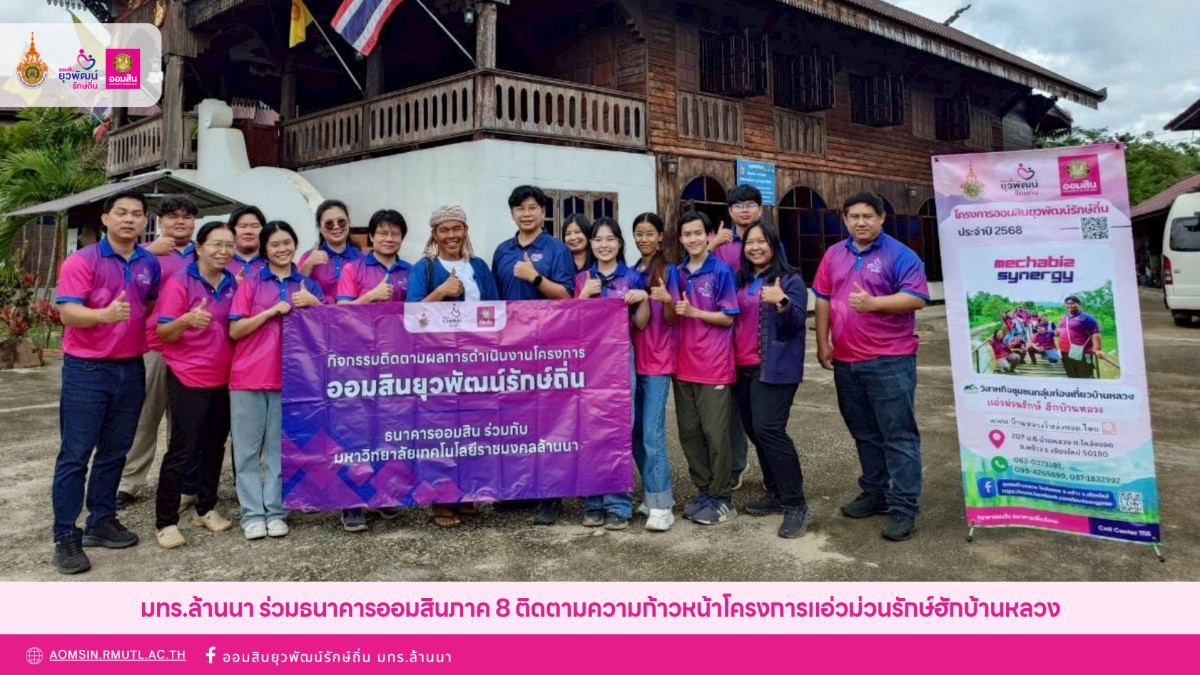
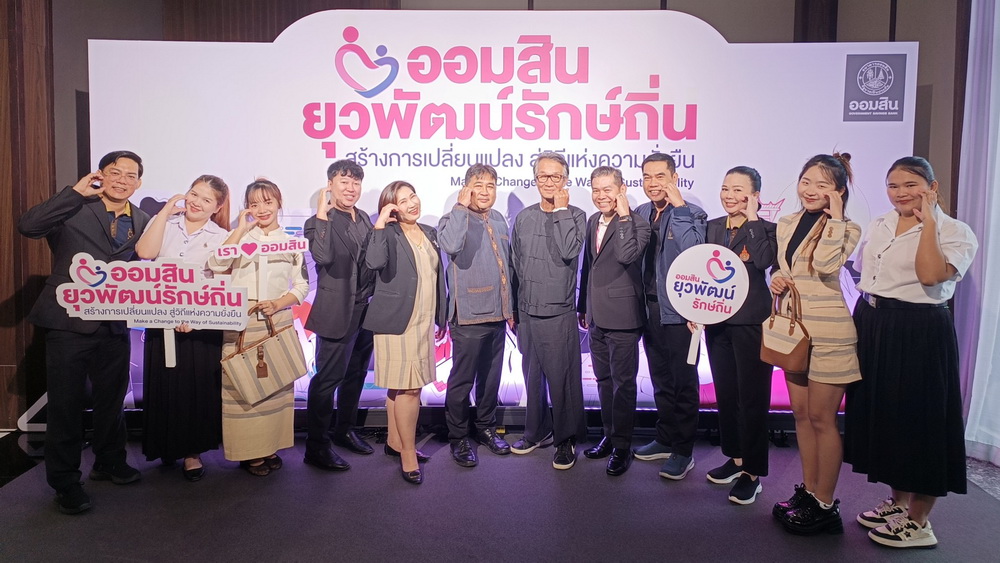
Figure 7. RMUTL and Government Savings Bank Region 8 collaborate to monitor community enterprise development, strengthen business support mechanisms, and improve access to entrepreneurship resources.
Financial Resources Allocated to Community Enterprise Development
In 2025, RMUTL and the Government Savings Bank implemented the GSB Yuwapat Rak Thin Program with a reported total project budget of THB 700,000 to support community development activities, student engagement, academic mentoring, and project coordination.
Of this amount, THB 221,000 was allocated specifically to community enterprise development support, including:
- THB 136,150 for product and packaging development.
- THB 75,500 for marketing activities, market channel development, and promotional materials.
- THB 9,350 for live-streaming equipment and community development manuals.
An additional THB 230,500 was budgeted for student and faculty participation in community development activities, while THB 248,500 was allocated to project administration, coordination, and monitoring. These financial resources supported activities aimed at improving the competitiveness of five participating community enterprises through product innovation, marketing development, and practical business assistance.
The Government Savings Bank also contributed to community enterprise development by providing financial guidance, supporting savings and financial management practices, and facilitating access to information about potential funding opportunities. This collaboration demonstrates RMUTL’s role in connecting community enterprises with financial-sector partners and directing project resources toward practical local business development.
Financial Management and Business Investment Readiness
RMUTL integrated financial management knowledge into its community development programs to help local entrepreneurs improve their ability to plan and manage business activities.
The Tai Lue Textile Enterprise Development Project in Ban Luang Tai introduced household accounting, production cost analysis, and business management practices. These activities supported community members in understanding production expenses, managing financial records, and improving pricing decisions. Similarly, the Ban Luang Community-Based Tourism Project provided training in cost calculation, business planning, and marketing. These activities helped participating community members assess operating costs and prepare for more sustainable tourism business management.
The March 2025 Business Readiness Training Program also introduced entrepreneurs to investment preparation and potential sources of business financing. Together, these initiatives strengthened financial literacy and business readiness among participating community enterprises and emerging entrepreneurs.
Community Outcomes and Benefits
RMUTL’s financial resource and enterprise development initiatives strengthened collaboration with financial institutions and expanded access to business mentoring, financial knowledge, and project development support. Community participants gained opportunities to improve their understanding of accounting, production costs, pricing, and investment preparation. These capabilities are important for sustainable enterprise management and can help emerging businesses make more informed financial decisions.
Sources:
- Tai Lue Textile Enterprise Development, August 2025
- Ban Luang Community-Based Tourism Development, September 2025
- GSB Yuwapat Rak Thin 2025: Community Development Project Selection
- Business Readiness Training, March 2025
Expanding Community Access to Technical Knowledge and Essential Services
RMUTL promotes inclusive community development by improving access to technical education, applied research, professional expertise, and practical services. The university delivers training and technology transfer programs designed to address local needs, particularly in rural communities where specialized knowledge and technical resources may be limited. Through its Institute of Technology Transfer to the Community, Royal Project Support initiatives, academic departments, and external partners, RMUTL helps community members acquire technical skills and apply appropriate technologies to their occupations and daily activities.
Technical Skills Training for Rural Communities and Environmental Protection
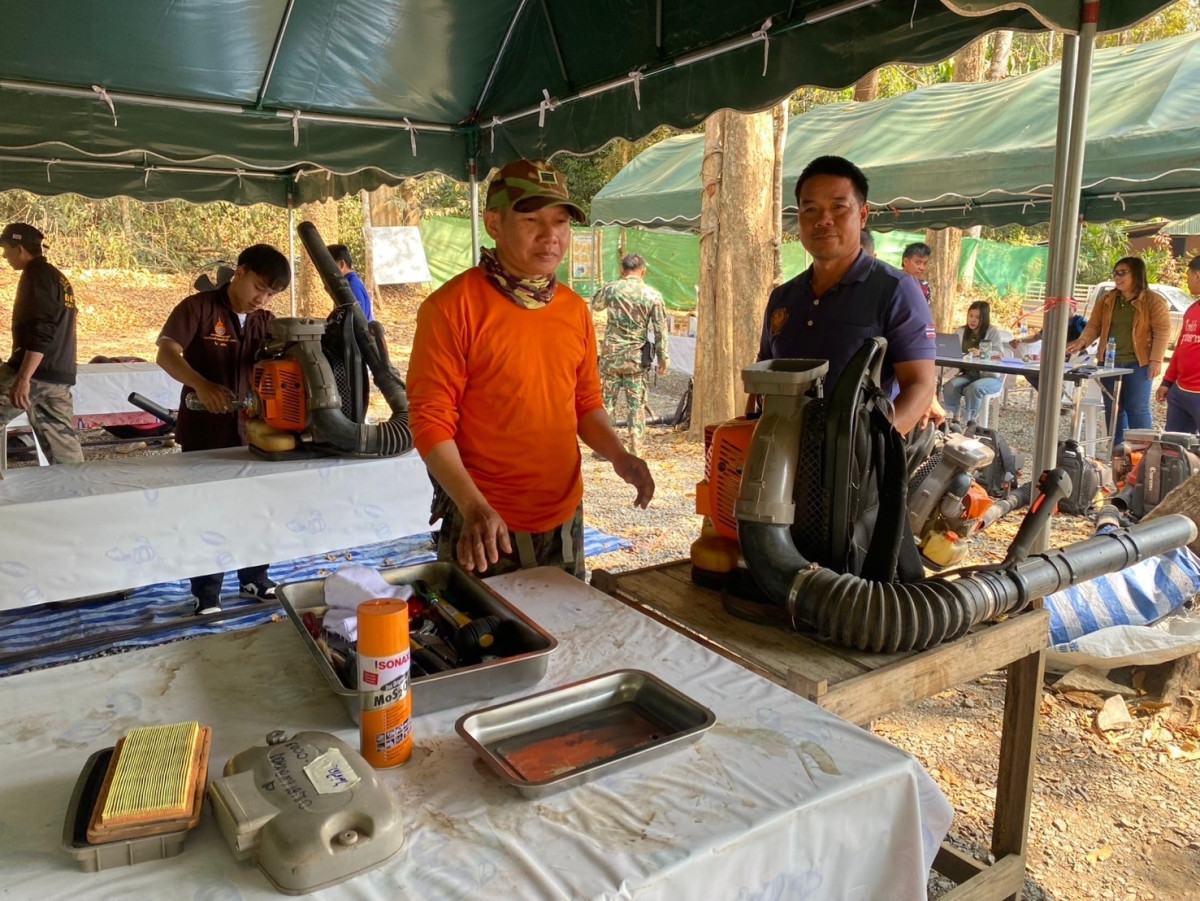
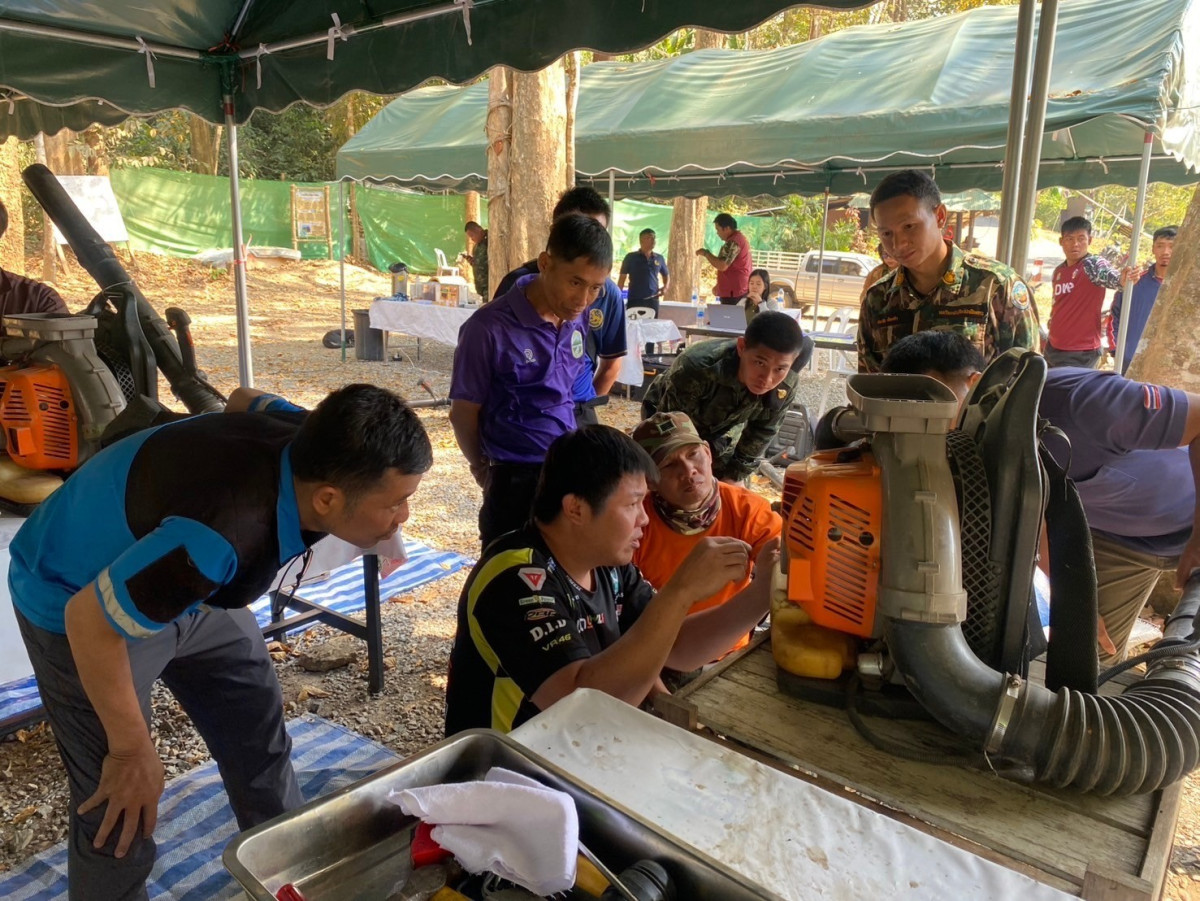
From March 3–5, 2025, RMUTL collaborated with Chiang Dao Wildlife Sanctuary, Mae Na Subdistrict Municipality, and partner organizations to provide hands-on training in small-engine maintenance and the servicing of leaf blowers used in forest-fire prevention. The program involved wildlife protection personnel, community leaders, and other local stakeholders in Chiang Dao District, Chiang Mai.
RMUTL faculty members, researchers, staff, and students provided technical instruction on engine maintenance, equipment inspection, troubleshooting, and repair procedures. A total of 75 leaf blowers were included in the maintenance activities. The program strengthened local technical skills and expanded access to equipment maintenance knowledge. It also supported community and local government capabilities in environmental management and forest-fire prevention. By transferring practical mechanical skills, RMUTL helped participating communities maintain essential equipment more independently.
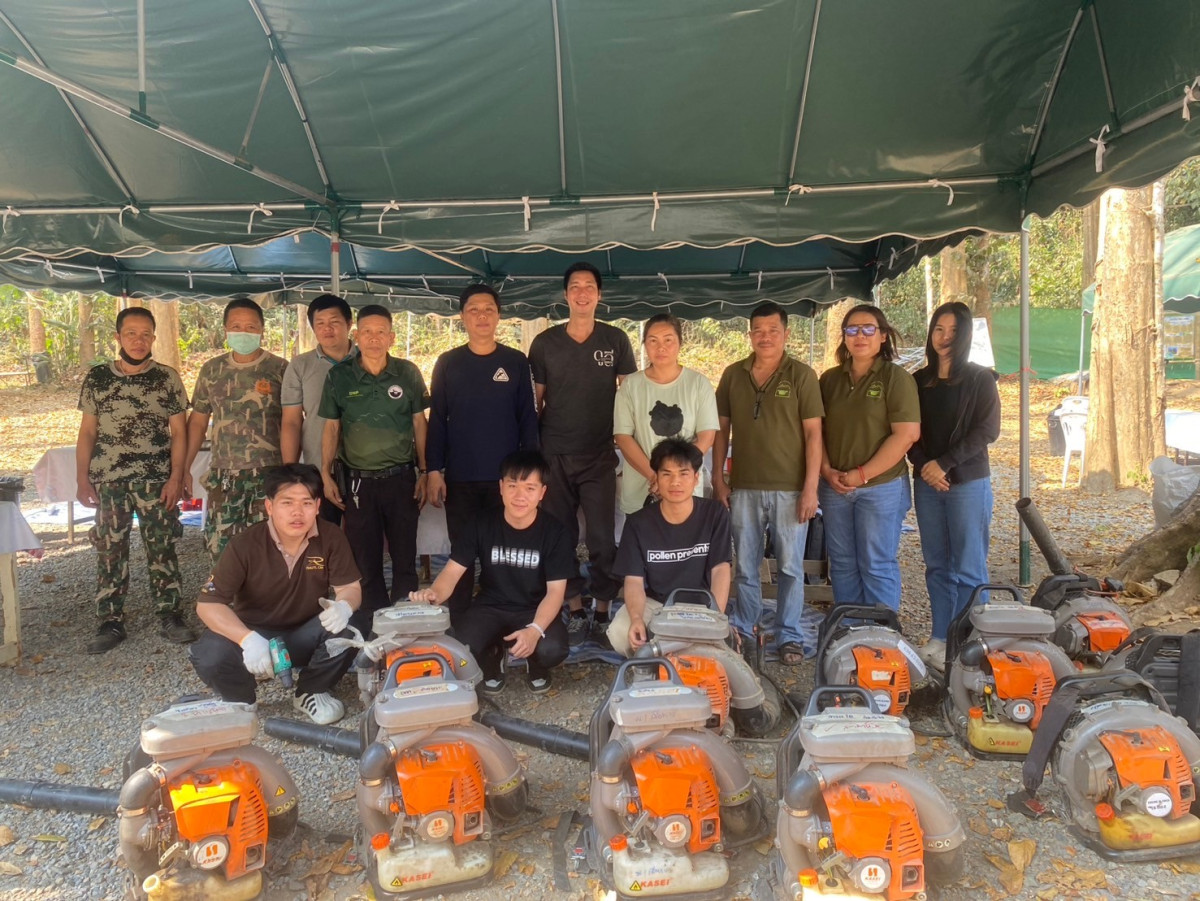
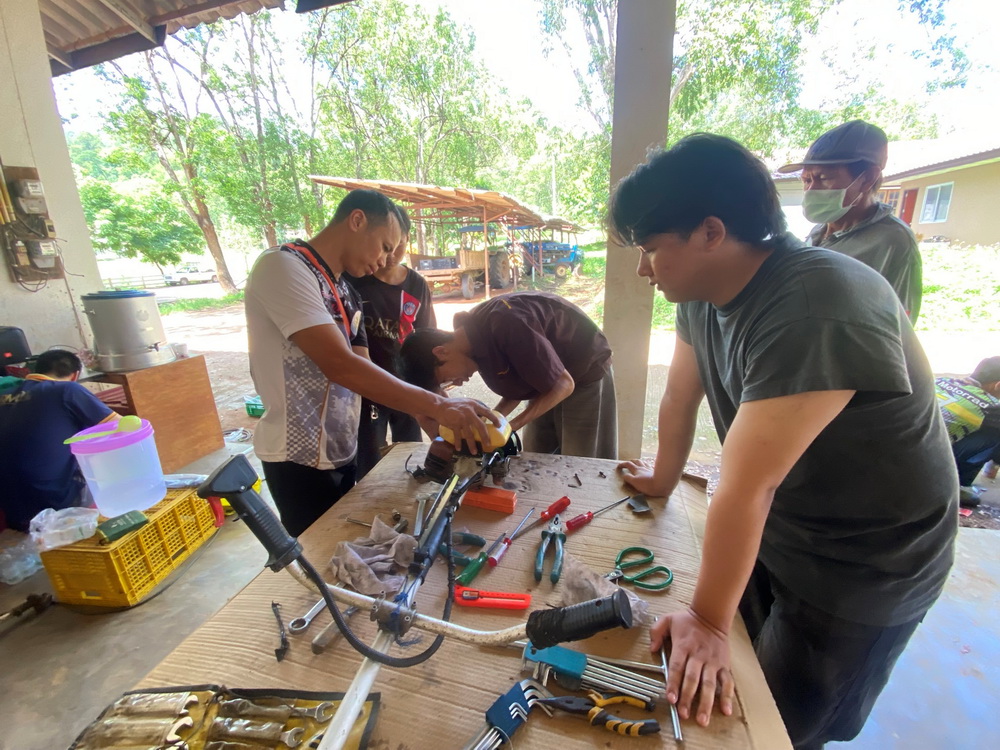
Figure 8. RMUTL provides hands-on mechanical maintenance training to strengthen local technical skills and support community environmental management.
Improving Access to Food Processing Technology and Production Standards
RMUTL expanded access to food processing knowledge through community training activities at the Nong Khiao Royal Project Development Center in Chiang Dao District, Chiang Mai.
In May 2025, the university organized knowledge transfer activities addressing community food production standards and industrial manufacturing requirements. Participants received practical guidance on Good Manufacturing Practices, production hygiene, ingredient measurement, equipment management, and food safety.
Additional training in July 2025 focused on avocado ice cream development, product formulation, and sensory evaluation. These activities enabled community members to apply technical knowledge to improve food processing methods, enhance product quality, and prepare for future business development. The programs addressed technical barriers faced by small-scale producers and strengthened community access to specialized food technology expertise.
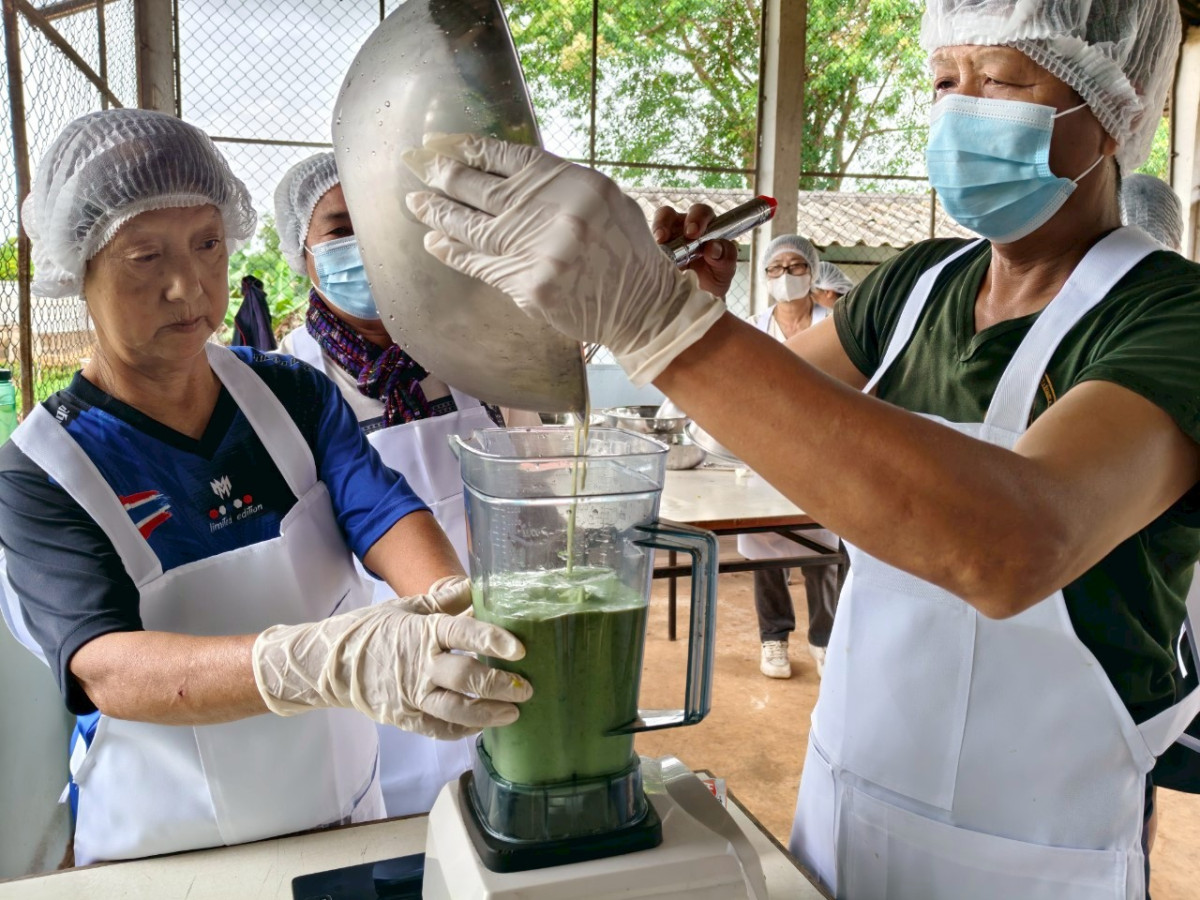
Figure 9. RMUTL expands community access to food technology, quality assurance knowledge, and practical product development support.
Expanding Market Access through Digital Skills and Business Development
The GSB Yuwapat Rak Thin 2025 Program strengthened community access to business knowledge, digital marketing tools, and practical enterprise management skills. According to the final project report, 37 RMUTL students participated in five community development teams, supporting the development of 13 online and nine offline marketing channels across the participating projects. The activities covered product development, packaging improvement, online marketing, promotional content creation, household accounting, production cost calculation, and financial management.
Community enterprises received support in using digital platforms such as Facebook and TikTok, developing promotional materials, and improving access to potential customers through local markets and other sales channels. Participating community members also received practical guidance on recording income and expenses, calculating production costs, setting appropriate prices, and assessing business profitability. These activities improved access to university expertise and practical business tools, helping community enterprises strengthen their management capabilities and expand opportunities for sustainable economic activities.
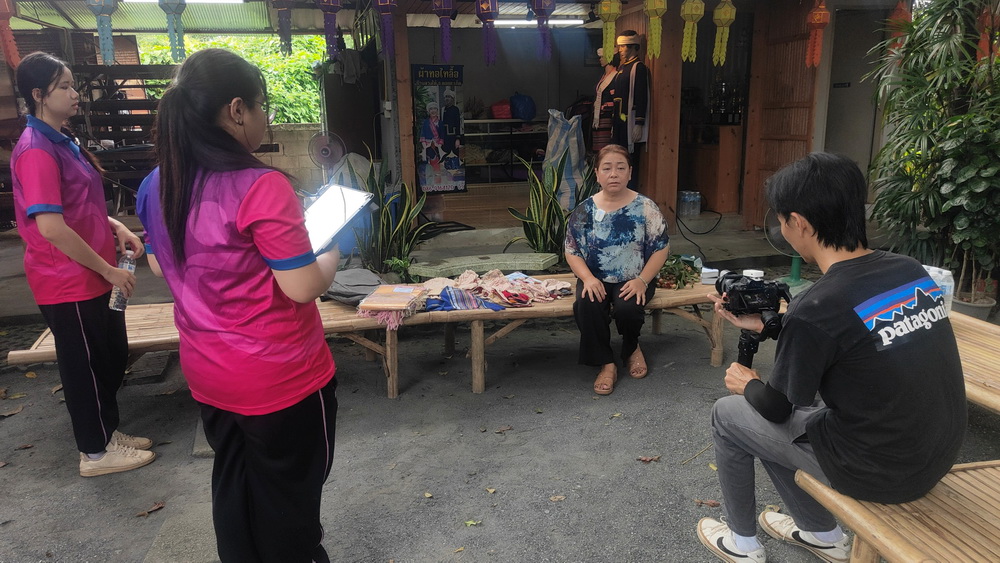
Figure 10. RMUTL strengthens community access to digital marketing tools, financial management knowledge, and business development skills.
Promoting Sustainable Agriculture through Community Technology Transfer
On September 12–13, 2025, RMUTL organized practical training in sustainable compost production at the Sufficiency Economy Learning Center in Doi Saket District, Chiang Mai. The activities brought together university faculty, engineering students, students receiving educational equity support, community members, and partner organizations. Participants learned about organic waste management, composting methods, and the development of compost production prototypes using locally available organic materials. The training promoted resource-efficient agricultural practices and encouraged communities to convert organic waste into useful agricultural inputs. These practices can help farmers manage organic resources more effectively and potentially reduce dependence on purchased agricultural materials. Through practical demonstrations and community participation, RMUTL supported access to sustainable agricultural knowledge and environmentally appropriate technologies.
Maintaining Community Engagement and Technical Support
RMUTL continued to engage with local institutions to monitor development activities, identify challenges, and improve the delivery of academic services.
On July 22, 2025, the Royal Project Support team and university personnel conducted a field visit to Doi Saket Phadung Sasana School in Chiang Mai. The visit focused on reviewing development activities, discussing implementation challenges, gathering project information, and exploring opportunities for applying appropriate technologies and innovations. These activities strengthened cooperation between university personnel and local stakeholders while helping ensure that technical assistance remained responsive to community needs.
Community Outcomes and Benefits
RMUTL’s community training and technology transfer programs expanded access to practical knowledge in mechanical maintenance, food processing, sustainable agriculture, business management, and digital marketing. These activities helped participants strengthen technical capabilities, improve production practices, and develop skills relevant to local occupations. By delivering accessible training and community-based technical assistance, RMUTL supported opportunities for greater self-reliance and more sustainable resource management.
Sources:
- Small-Engine Maintenance and Forest-Fire Prevention Training, March 2025
- Community Food Processing Standards Training, May 2025
- Avocado Food Product Development, July 2025
- Community Development Project Monitoring, July 2025
- Digital Marketing and Textile Development in Ban Mae Khanat, August 2025
- Tai Lue Textile Business Management Development, August 2025
- Community-Based Tourism and Digital Marketing Development, September 2025
- Sustainable Compost Production Training, September 2025
Strengthening Partnerships and Collaborative Planning for Poverty Reduction
RMUTL recognizes that sustainable poverty reduction requires coordinated efforts among educational institutions, government agencies, financial institutions, community organizations, and regional development partners. The university supports collaborative planning and community development through institutional strategies, academic service programs, applied research, and regional partnerships. These mechanisms enable RMUTL to contribute academic knowledge and technical expertise to initiatives addressing rural livelihoods, agricultural development, community enterprise management, and sustainable resource use.
Institutional Commitment to Community Development
RMUTL incorporates community engagement and sustainable regional development into its institutional planning framework. Through its academic service and technology transfer missions, the university coordinates programs that address local economic and social challenges. The Institute of Technology Transfer to the Community plays an important role in connecting university knowledge, research, and technical expertise with the needs of local communities. RMUTL’s approach emphasizes stakeholder participation, technology transfer, collaboration with local organizations, and continuous assessment of community development priorities. These mechanisms provide a foundation for community-based initiatives that promote economic opportunities, local skills development, and sustainable livelihoods.
University–Bank Partnerships for Community Economic Development
The GSB Yuwapat Rak Thin 2025 Program demonstrated RMUTL’s capacity to coordinate community development activities with a major public financial institution. The university collaborated with GSB Region 8 and participating community enterprises to implement development projects and monitor progress. During August and September 2025, joint monitoring activities were conducted in Ban Mae Khanat, Ban Luang Tai, Ban San Kang Pla, and Ban Luang. Representatives from the university and GSB reviewed project implementation, discussed community business development needs, and assessed opportunities to improve local products and services. These activities demonstrated a structured model of collaboration among educational institutions, financial organizations, and local communities. The partnership supported coordinated community enterprise development and created opportunities for continued institutional cooperation.
Supporting Agricultural Education and Rural Livelihoods
On October 3, 2025, RMUTL welcomed representatives of the Thai Young Farmers Promotion Foundation under Royal Patronage to discuss potential cooperation in agricultural education, knowledge sharing, and youth development. The discussions focused on opportunities to strengthen agricultural knowledge, expand practical learning, and support young farmers in developing professional skills. The meeting provided a platform for exchanging institutional expertise and exploring future collaboration in sustainable agriculture and rural development. Such partnerships can support long-term community development by connecting agricultural education, technical skills, and institutional resources.
Collaborative Planning for Sustainable Highland Community Development
RMUTL continued its community development partnerships during the first quarter of 2026, building on established collaboration with Royal Project Development Centers and regional stakeholders.
From March 10–13, 2026, the university’s Royal Project Support team and academic personnel participated in field assessments and development planning activities at the Le Tor Royal Project Development Center in Mae Ramat District, Tak Province. The activities included reviewing development progress and discussing collaborative plans for 2026–2027 and a longer-term development framework for 2028–2032. Planning discussions addressed highland agricultural development, water management, environmental conservation, community handicrafts, agricultural processing, and sustainable local livelihoods.
RMUTL contributed technical expertise and participated in discussions with development partners to identify local needs and opportunities for future cooperation. These activities reflected the university’s continuing participation in collaborative regional development planning and its support for sustainable livelihoods in rural and highland communities.
Community Outcomes and Benefits
RMUTL’s institutional partnerships and collaborative planning activities strengthened cooperation among universities, public agencies, financial institutions, community organizations, and development partners. These initiatives supported the identification of local development priorities, encouraged knowledge exchange, and established opportunities for continued community development programs. Through stakeholder engagement and coordinated project implementation, RMUTL helped strengthen the institutional relationships needed to support long-term rural development and community economic resilience.
Sources:
- RMUTL and GSB Region 8: Ban Mae Khanat Community Project Monitoring, August 2025
- RMUTL and GSB Region 8: Ban Luang Tai Textile Project Monitoring, August 2025
- RMUTL and GSB Region 8: Tai Khoen Textile Project Monitoring, August 2025
- RMUTL and GSB Region 8: Ban Luang Tourism Project Monitoring, September 2025
- RMUTL Collaboration with the Thai Young Farmers Promotion Foundation, October 2025
- Collaborative Development Planning at Le Tor Royal Project Development Center, March 2026
- RMUTL Institutional and Annual Action Planning
Overall Contributions to Sustainable Poverty Reduction
RMUTL’s community anti-poverty programs in 2025 demonstrate the university’s commitment to strengthening local economic opportunities and community resilience through education, applied research, entrepreneurship development, and institutional partnerships. The university supported community enterprises in developing business skills, improving products and services, applying appropriate technologies, and accessing academic expertise. Through the GSB Yuwapat Rak Thin 2025 Program, RMUTL implemented five community development projects focused on traditional textiles, creative products, community-based tourism, and agricultural value creation. These projects strengthened cooperation among students, academic mentors, community enterprises, and financial institutions. The development of contemporary Tai Khoen textile products and the national recognition of the Saneh Lanna team demonstrated the potential of university–community collaboration to transform traditional knowledge into innovative, market-oriented products.
In addition, RMUTL’s technical training programs improved community access to knowledge in mechanical maintenance, food processing, sustainable agriculture, digital marketing, and business management. The university also supported long-term community development through institutional partnerships, stakeholder engagement, and collaborative regional planning. Together, these initiatives contribute to the objectives of SDG 1 by strengthening entrepreneurship capabilities, promoting sustainable livelihoods, expanding access to technical knowledge, and supporting inclusive regional development. Through the integration of its educational and research missions with practical community engagement, RMUTL continues to strengthen its role in supporting local economic resilience, community self-reliance, and sustainable development across northern Thailand.
Demonstrated Community Development Outcomes in 2025
The GSB Yuwapat Rak Thin 2025 Program provides measurable evidence of RMUTL’s contribution to community enterprise development and local economic resilience. With a reported total project budget of THB 700,000, including THB 221,000 allocated to community enterprise development activities, the program supported five community enterprises and benefited 165 individuals across their supply chains. Through the participation of 37 university students and collaboration with faculty mentors, financial institutions, and local development partners, the program supported product innovation, business management improvement, financial literacy, and expanded market access. The final project report documented positive results under the income-increase or expense-reduction performance indicator for all five participating community enterprises. The program also supported the development of 13 online and nine offline marketing channels.
Beyond its quantitative achievements, the initiative contributed to preserving local knowledge, strengthening community participation, enhancing entrepreneurial capabilities, and creating opportunities for sustainable livelihoods. These outcomes demonstrate how RMUTL integrates education, applied research, financial-sector collaboration, and community engagement to support inclusive local economic development and advance the objectives of SDG 1: No Poverty.