Rajamangala University of Technology Lanna (RMUTL) extends educational opportunities beyond its campuses through dedicated community outreach programs, practical training, knowledge transfer, and lifelong learning activities. These initiatives provide local residents, farmers, community enterprises, alumni, and other external learners with access to academic knowledge, technology, and practical skills that support sustainable livelihoods, environmental responsibility, and community resilience.
Between January 2025 and March 2026, RMUTL implemented educational outreach activities across northern Thailand through its campuses, faculties, Community Technology Transfer Institute, Business Incubation Center, and Royal Project development partnerships.
The activities addressed sustainable agriculture, food safety, organic waste management, local resource conservation, entrepreneurship, and community-based economic development. In addition to transferring knowledge, the university supported opportunities for participants to apply new skills in their daily lives, agricultural activities, and community enterprises.
These initiatives demonstrate RMUTL’s commitment to making sustainability education accessible to the wider community through both structured training programs and community-based learning opportunities.
1. Local Community Education: Sustainable Agriculture and Practical Knowledge Transfer
RMUTL provides educational outreach to local residents and farming communities, particularly in highland and rural areas where access to specialized technical knowledge and agricultural innovation may be limited.
Sustainable Agricultural Practices and Community Application in Chiang Rai
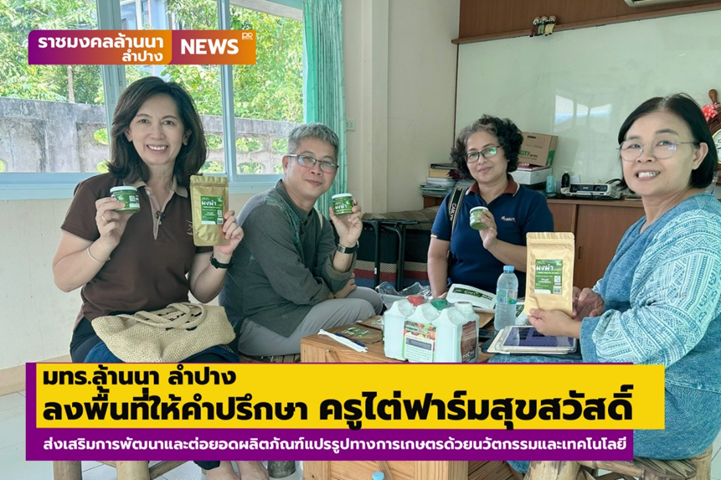
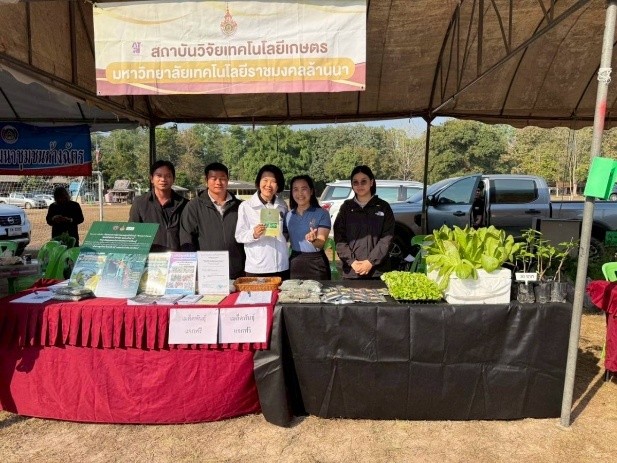
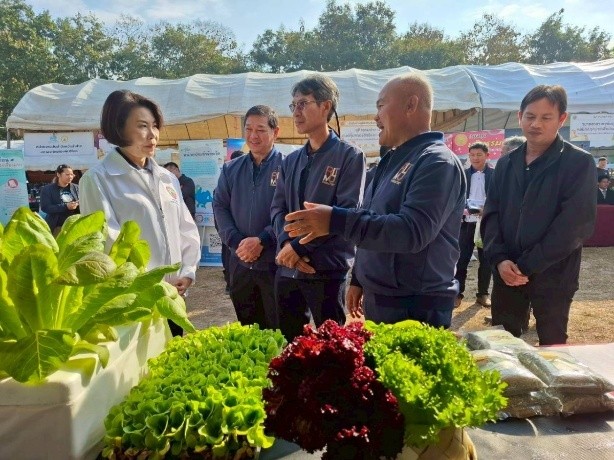
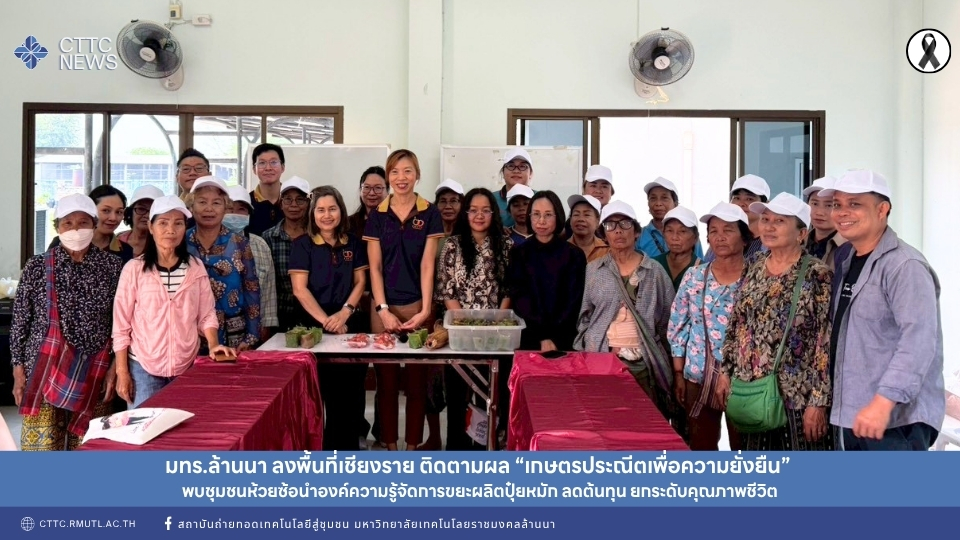
On March 25, 2026, RMUTL, through its Community Technology Transfer Institute, conducted a follow-up assessment of academic outreach activities in Chiang Rai Province under the “Impact Assessment Project of RMUTL Academic Services for Highland and Royal Initiative Communities, Fiscal Year 2025.”
The assessment covered the Sustainable Intensive Agriculture System Development Project at the Chakraband Pensiri Plant Development Center in Pong Pha Subdistrict, Mae Sai District, Chiang Rai Province, and examined the application of agricultural knowledge among local communities, including residents of Huai So Subdistrict Municipality in Chiang Khong District.
The university’s educational outreach focused on practical agricultural management, vegetable production, resource efficiency, and the use of locally available materials.
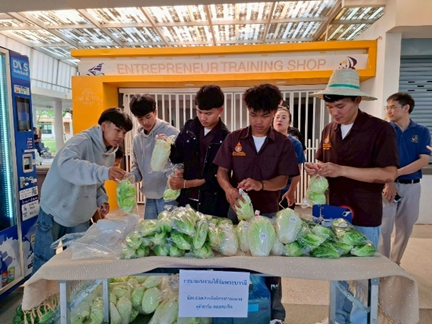
The follow-up assessment identified practical applications of knowledge previously transferred by RMUTL. Community members applied agricultural techniques to produce vegetables for household consumption and income generation.
Residents also used agricultural residues and household organic waste to produce compost for community vegetable plots. These practices provided opportunities to reduce dependence on purchased agricultural inputs, improve the utilization of local resources, and reduce organic waste.
The activity demonstrates how outreach education can extend beyond classroom-style instruction to support practical changes in community behavior and agricultural management.
By examining the application of previously transferred knowledge, RMUTL also gathered feedback that could inform improvements to future educational activities and technology transfer programs.
The documented outcomes illustrate the contribution of university knowledge to household food production, community self-reliance, and more resource-efficient agricultural practices.
Food Safety and Agricultural Product Development for Highland Community Enterprises
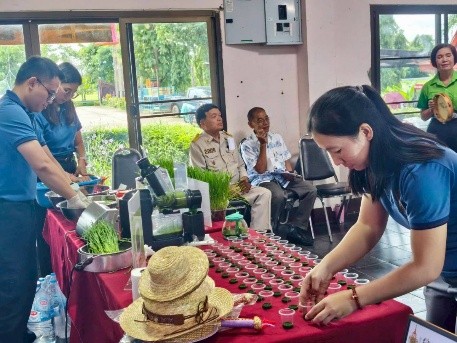
On May 22, 2025, RMUTL conducted a practical knowledge transfer activity at the Nong Khiao Royal Project Development Center in Mueang Na Subdistrict, Chiang Dao District, Chiang Mai Province.
The training formed part of a project supporting the development of avocado-based food products and income-generating opportunities for local community enterprises.
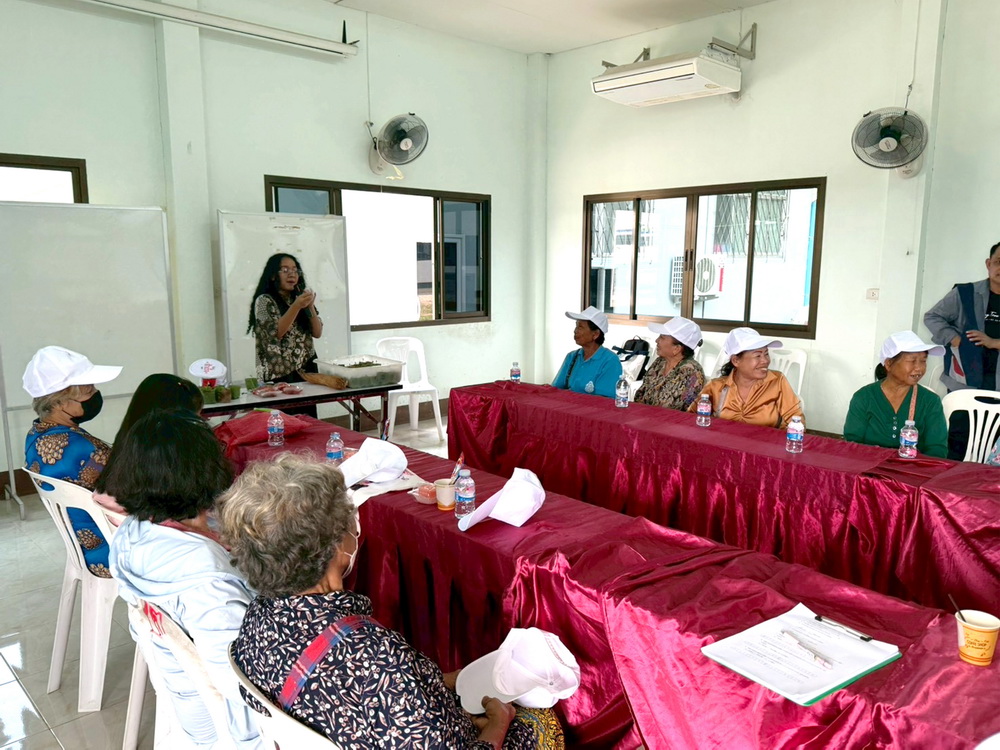
RMUTL academic staff and researchers provided training to members of the Kachin Sudjai Community Enterprise, focusing on food processing standards, production management, and safe product development.
The educational content included Good Manufacturing Practices (GMP), sanitation requirements, production equipment management, contamination prevention, ingredient measurement, and basic disinfection procedures.
Participants learned how food safety principles could be applied to community-scale production and how standardized processing methods could support the development of additional agricultural products.
This outreach activity provided access to technical knowledge that may otherwise be difficult for small community enterprises to obtain.
By strengthening understanding of food safety and production standards, RMUTL supported participants in developing skills relevant to safer food processing, improved product quality, and potential community income generation.
2. Local Community Education: Environmental Management and Circular Resource Use
RMUTL also provides community education addressing environmental challenges, particularly organic waste management, agricultural residue utilization, and resource conservation.
Practical Compost Production and Organic Waste Management in Doi Saket
During September 12–13, 2025, RMUTL organized a practical workshop on environmentally friendly compost production at its Sufficiency Economy Learning Center in Doi Saket District, Chiang Mai Province.
The activity involved university lecturers, students, local communities, and partner networks from Choeng Doi and Pa Pong subdistricts.
The training combined knowledge-based instruction with hands-on learning activities. Participants studied environmental problems associated with waste, the benefits of compost, and practical methods for converting organic materials into useful agricultural inputs.
A major component was the practical production of compost using mesh enclosures, enabling participants to learn an approach that could be adapted to local farming and household conditions.
The workshop encouraged communities to reduce organic waste, utilize agricultural residues, and explore alternatives to open burning.
The activity also promoted collaboration among university students, local residents, and community partners, allowing academic knowledge to be exchanged and applied within the local environment.
The documented educational output was a practical training activity supporting the development of a compost production model. Potential community benefits include reduced organic waste, improved agricultural resource efficiency, lower reliance on purchased fertilizers, and reduced environmental impacts from agricultural residue burning.
Through this initiative, RMUTL demonstrated how environmental education can be delivered through accessible, practical learning activities that connect technical knowledge with everyday community needs.
3. Local Community Education: Green Markets and Community-Based Learning Spaces
RMUTL expands public access to sustainability-related knowledge by creating community learning spaces that integrate agricultural knowledge, local products, cultural heritage, and economic development.
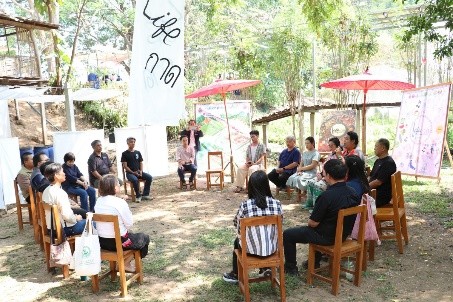
Life Kad: A Community Learning Space for Sustainable Development in Lampang
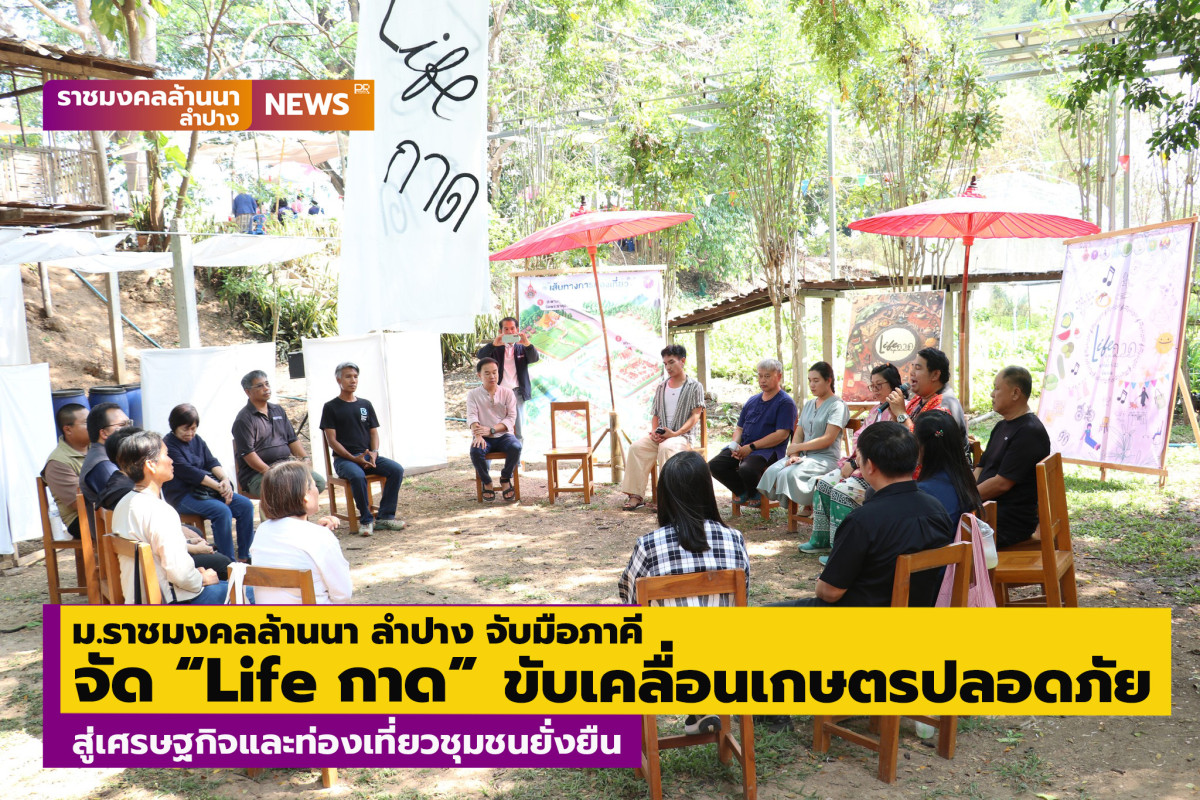
On March 22, 2026, RMUTL Lampang Campus collaborated with the Lampang Farmers Rehabilitation and Development Fund and local partner networks to organize “Market of Life, Market of Learning (Life Kad)” at Hug Nam Jang, Ban Kio Subdistrict, Mae Tha District, Lampang Province.
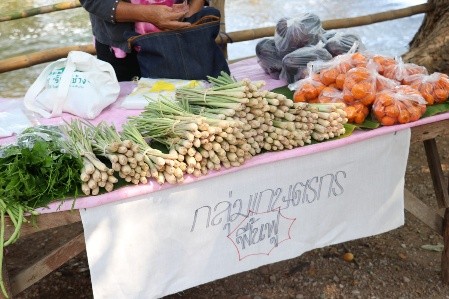
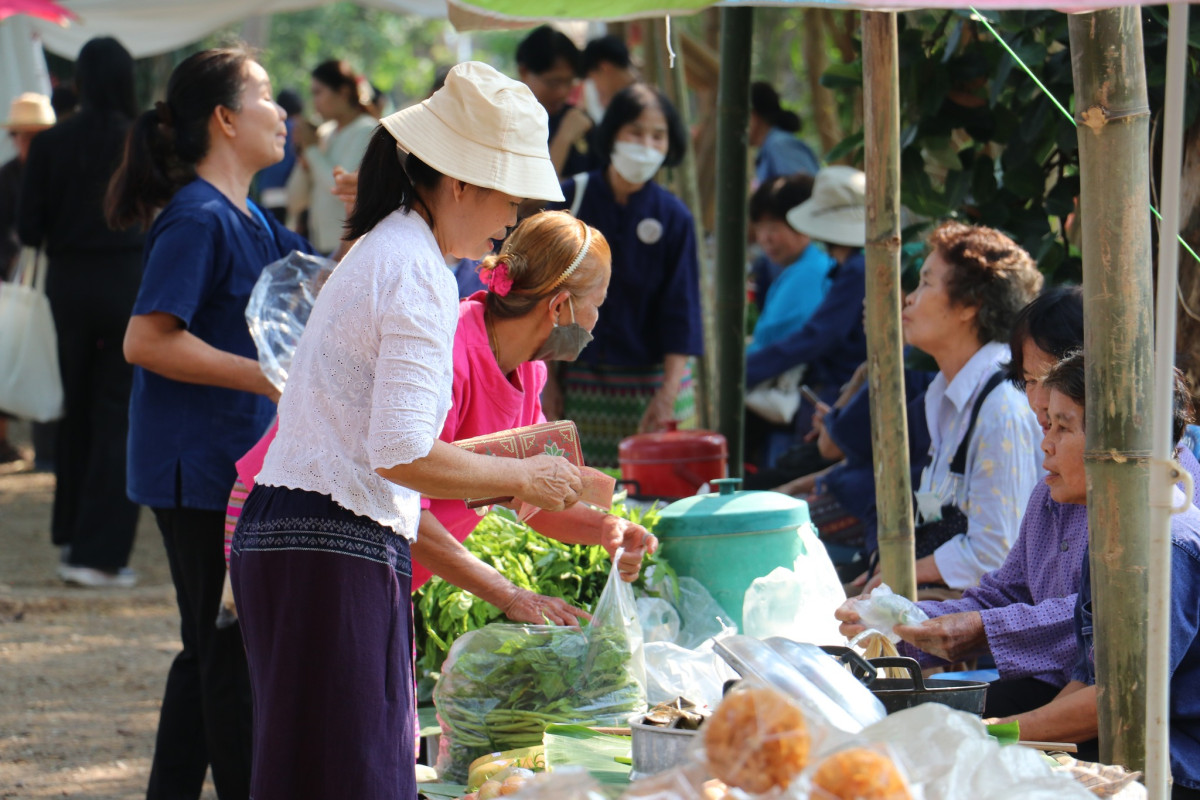
The green market was designed as both a marketplace for safe agricultural products and an educational platform where local residents could exchange experiences, learn about sustainable practices, and explore opportunities for community development.
The activity was linked to a research project applying technologies and innovations under the Bio-Circular-Green (BCG) Economy Model to support local economic development and more climate-responsive rice production systems. The research involved cooperation between RMUTL researchers and the National Science and Technology Development Agency (NSTDA).
One of the educational components was a community discussion session entitled “Sharing Together: Responding to a Changing World,” which encouraged participants to exchange local experiences and practical knowledge.
The event also featured local plant varieties, safe agricultural products, traditional knowledge, contemporary crafts, herbal products, and community-based learning activities.
These activities provided opportunities for community members to explore connections among agriculture, environmental management, cultural preservation, and local economic resilience.
The initiative also connected nearby cultural and tourism destinations, including Khua Tae Merit Bridge, Wat Phra That Sandon, and Ban Luk Woodcarving Community, creating opportunities to introduce visitors and local residents to community resources and traditional knowledge.
By integrating research, practical learning, and community participation, Life Kad demonstrated how educational outreach can be embedded in community economic activities rather than limited to formal training venues.
The activity supported knowledge exchange, public awareness of sustainable agriculture, and opportunities for local producers to connect with consumers and community networks.
4. Local Community Education: Conservation and Management of Local Resources
RMUTL contributes to community education by strengthening knowledge and practical skills related to biodiversity conservation and local resource management.
During February 18–21, 2025, RMUTL Nan Campus organized practical training on local resource management under the Plant Genetic Conservation Project initiated by Her Royal Highness Princess Maha Chakri Sirindhorn.
The training focused on the six components of local resource-based work, providing structured educational activities related to the documentation, management, conservation, and responsible use of local resources.
The program supported the development of knowledge relevant to local administrative organizations and other participating stakeholders involved in community resource management.
By providing technical instruction and opportunities for practical learning, RMUTL contributed to strengthening participants’ understanding of how local biological and cultural resources can be identified, documented, and managed.
This educational outreach supports local capacity building and creates opportunities for communities and responsible organizations to apply knowledge to resource conservation and long-term environmental management.
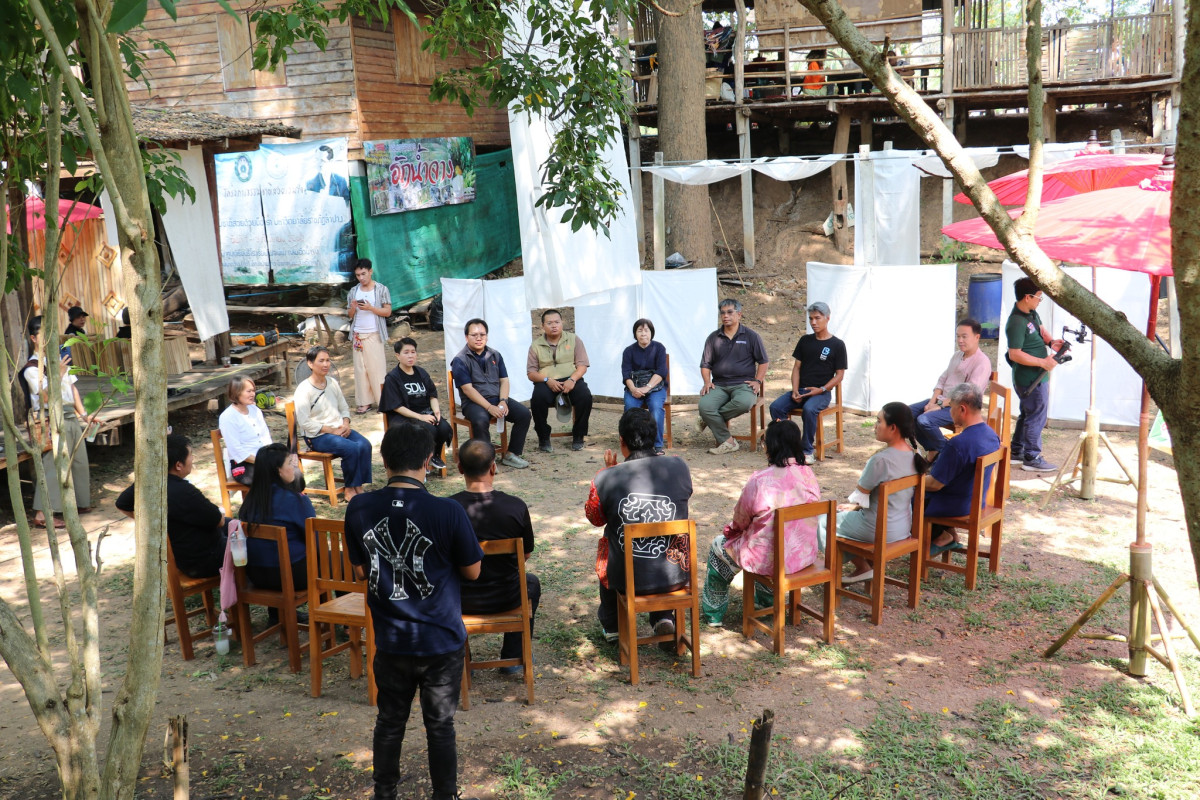
5. Alumni and External Learners: Entrepreneurship and Lifelong Skills Development
RMUTL extends its educational mission to graduates and external learners by offering professional development activities that strengthen entrepreneurship, innovation, and business management capabilities.
During March 6–7, 2025, RMUTL, through its Business Incubation Center and partner organizations, organized the “Business Readiness and Entrepreneurial Development” workshop at the university’s Chiang Mai campus.
The workshop targeted entrepreneurs, alumni, students, and university personnel, bringing together 25 participants for practical business development training.
The training covered business planning, investment strategies, product and service development, access to funding opportunities, and the application of technology and innovation to improve business competitiveness.
Experts from academic and professional organizations contributed knowledge and practical perspectives to support participants in developing business-related competencies.
For alumni, the workshop provided an opportunity to continue professional learning beyond graduation and access university expertise relevant to entrepreneurship and innovation.
For local entrepreneurs and other external participants, the activity offered practical knowledge that could support business planning, product development, and participation in local and regional markets.
The initiative illustrates RMUTL’s commitment to lifelong learning and its role in supporting the development of entrepreneurial skills among graduates and the wider community.
6. Development of Educational Resources and Community Learning Models
In addition to delivering training activities, RMUTL supports the development and practical use of educational resources that allow community members to continue applying knowledge after participating in university outreach programs.
These resources and learning approaches include:
Practical Agricultural Knowledge: Training content on vegetable production, agricultural management, food safety, product processing, and resource-efficient farming practices.
Environmental Learning Models: Hands-on compost production and organic waste management activities that demonstrate practical approaches for reducing waste and reusing agricultural materials.
Community-Based Learning Platforms: Initiatives such as Life Kad, which combine research-based knowledge with community experiences, local products, cultural practices, and informal public education.
Professional and Entrepreneurial Learning: Workshops that provide alumni and external participants with knowledge of business planning, investment, innovation, and market development.
Resource Conservation Training: Structured educational activities supporting local resource documentation, biodiversity conservation, and responsible environmental management.
These approaches extend the accessibility of university expertise beyond enrolled students and provide educational opportunities for community members with different learning needs, professional backgrounds, and local development priorities.
The activities also demonstrate the value of integrating formal academic knowledge with community experience to create practical, locally relevant learning opportunities.
7. Institutional Contributions to Community Education and Lifelong Learning
RMUTL’s outreach activities demonstrate four interconnected contributions to education beyond the university.
Expanding Access to Practical Knowledge: The university provided opportunities for farmers, community enterprises, local residents, and alumni to access knowledge and skills through training, workshops, and community-based educational activities.
Strengthening Community Capacity: The outreach programs supported practical learning in sustainable agriculture, food production, environmental management, entrepreneurship, and local resource conservation.
Supporting Knowledge Application: Follow-up activities, particularly in Chiang Rai, demonstrated that community members were applying transferred knowledge to vegetable cultivation, compost production, and household resource management.
Promoting Continuing Education and Community Partnerships: RMUTL collaborated with government agencies, development organizations, research institutions, and community networks to strengthen learning opportunities and establish foundations for continued educational engagement.
These contributions reflect the university’s commitment to making education relevant and accessible throughout different stages of life and across diverse community settings.
8. Summary of Community Outreach Educational Activities and Their Benefits
| Date | Educational Outreach Activities | Target Groups | Educational Content and Outputs | Benefits and Potential Impacts |
|---|---|---|---|---|
| February 18–21, 2025 | Local Resource Management Training, RMUTL Nan | Local community and local resource management stakeholders | Practical training on six components of local resource-based work and resource conservation | Strengthened knowledge relevant to documenting, conserving, and managing local biological and cultural resources |
| March 6–7, 2025 | Business Readiness and Entrepreneurial Development Workshop, Chiang Mai | Alumni, entrepreneurs, and other participants | Business planning, product development, investment strategies, financing, and innovation training for 25 participants | Expanded lifelong learning opportunities and supported entrepreneurial skills and potential business development |
| May 22, 2025 | Food Safety and Avocado Product Development Training, Nong Khiao Royal Project Development Center | Local community and community enterprises | GMP, sanitation, production standards, ingredient measurement, and safe food processing | Strengthened technical knowledge for safer food production and potential improvements in product quality and community enterprise development |
| September 12–13, 2025 | Environmentally Friendly Compost Production Workshop, Doi Saket, Chiang Mai | Local community and community partners | Practical compost production, organic waste management, and agricultural residue utilization | Supported waste reduction knowledge, circular resource use, and alternatives to agricultural residue burning |
| March 22, 2026 | Life Kad Green Market and Community Learning Initiative, Lampang | Local community, farmers, and community entrepreneurs | Community discussions, knowledge exchange, safe agriculture, local products, cultural knowledge, and community learning | Increased opportunities for informal public education, community networking, and sustainable local economic development |
| March 25, 2026 | Sustainable Agriculture Knowledge Transfer Follow-Up, Chiang Rai | Local community and highland agricultural communities | Assessment of agricultural knowledge application, vegetable production, and organic compost utilization | Demonstrated community application of transferred knowledge for household food production, potential income generation, and more efficient use of local resources |
9. Overall Contributions and Institutional Impact
Between January 2025 and March 2026, RMUTL demonstrated continued engagement in community education through practical training, agricultural knowledge transfer, environmental learning, and entrepreneurship development.
The activities reached different groups beyond the university’s enrolled student population, particularly local residents, farmers, community enterprises, and alumni.
The university provided structured learning opportunities in food safety, local resource management, compost production, business development, and sustainable agricultural practices. It also established community learning spaces where local knowledge and academic expertise could be exchanged.
Importantly, the follow-up assessment in Chiang Rai provided evidence that community members had applied transferred knowledge to agricultural production and organic waste utilization, demonstrating practical learning outcomes beyond participation in individual training events.
The Life Kad initiative in Lampang further illustrated how public education can be integrated with local markets, cultural activities, and community economic development.
Together, these activities strengthen the university’s role as a provider of accessible education, practical knowledge, and lifelong learning opportunities for the wider community.
By connecting educational outreach with local development needs, RMUTL contributes to community self-reliance, resource efficiency, environmental awareness, professional development, and more inclusive access to knowledge.
Sources
- Local Resource Management Training, RMUTL Nan — February 18–21, 2025
https://nan.rmutl.ac.th/news/28122-18022568 - RMUTL Expands Outreach Educational Activities for Alumni, Local Residents, and Displaced People — March 6, 2025
https://sdgs.rmutl.ac.th/17/17-4/17-4-3/rmutl-expands-outreach-educational-activities-for-alumni-local-residents-and-displaced-people/ - Food Safety and Community Food Production Standards Training — May 22, 2025
https://trpb.rmutl.ac.th/news/28951-23568 - Environmentally Friendly Compost Production Workshop, Doi Saket — September 12–13, 2025
https://trpb.rmutl.ac.th/news/30203-15968 - RMUTL Lampang Strengthens Education through Community-Based Learning and Green Market Initiative — March 22, 2026
https://sdgs.rmutl.ac.th/17/rmutl-lampang-strengthens-education-for-the-sdgs-through-community-based-learning-and-green-market-initiative/ - RMUTL Strengthens Community-Based Knowledge Transfer and Sustainable Agriculture — March 25, 2026
https://sdgs.rmutl.ac.th/17/rmutl-strengthens-education-for-the-sdgs-through-community-based-knowledge-transfer-and-sustainable-agriculture/