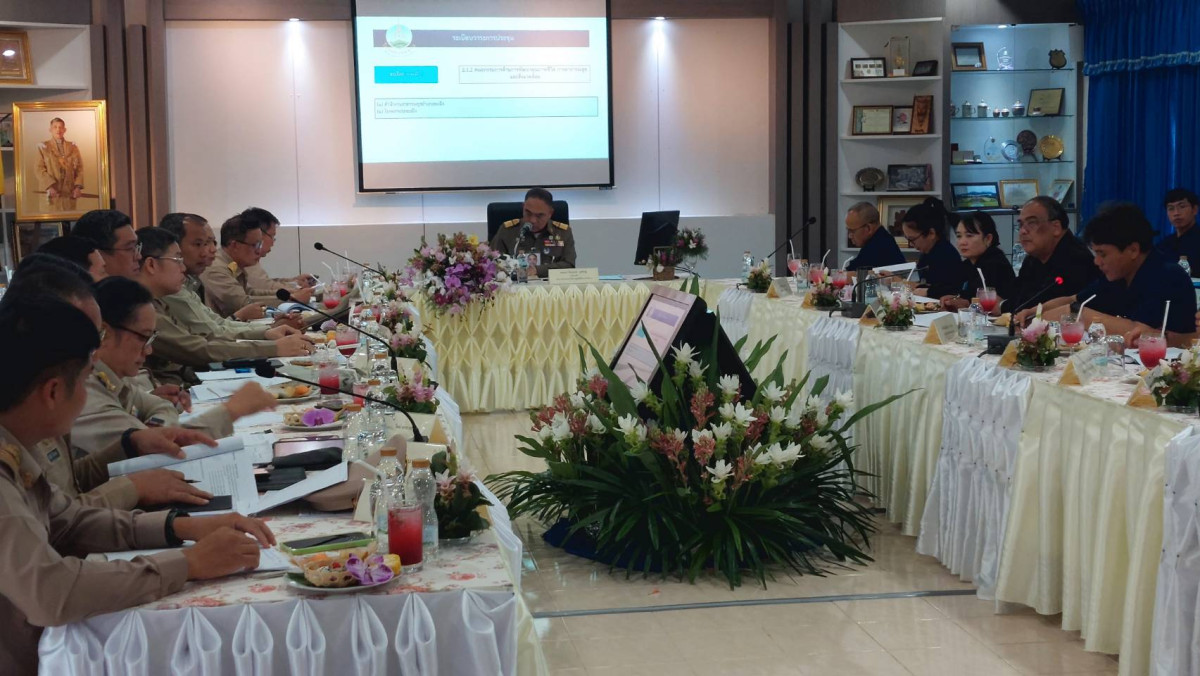
Rajamangala University of Technology Lanna (RMUTL) actively collaborates with nonprofit organizations, humanitarian networks, and community development foundations to address social, educational, economic, and environmental challenges. Through student volunteering programs, collaborative research, technology transfer, and educational resource development, the university connects its academic expertise with the missions of development organizations to improve community well-being and support sustainable livelihoods.
Between January 2025 and March 2026, RMUTL strengthened cooperation with the Thai Red Cross network, the Royal Project Foundation, and the World Vision Foundation of Thailand. These partnerships demonstrate three complementary approaches to university–nonprofit collaboration: engaging students in humanitarian service, conducting applied research that addresses community needs, and supporting the development of educational knowledge and resources for vulnerable populations.
Together, these initiatives illustrate RMUTL’s commitment to working with nonprofit partners to translate academic knowledge, research outcomes, and community participation into practical contributions to society.
1. Student Volunteering Programs: Promoting Community Health through Humanitarian Partnerships
RMUTL promotes student volunteerism and social responsibility through collaboration with humanitarian organizations, providing opportunities for students to contribute to public health and community welfare.
On July 17, 2025, RMUTL Nan Campus collaborated with the Nan Provincial Red Cross Chapter, the regional National Blood Service, and Nan Hospital to organize a community blood donation campaign at the university’s Agricultural Biotechnology Learning and Laboratory Building.
The initiative brought together students, faculty members, university personnel, healthcare professionals, and local community members to support humanitarian healthcare services and strengthen blood supplies for patients requiring medical treatment.
A total of 83 individuals participated in the campaign, contributing 29,050 milliliters of blood. In addition, seven participants expressed their intention to donate their eyes, while another seven registered their intention to donate organs.
Beyond the immediate contribution to local healthcare services, the activity provided opportunities for RMUTL students to engage in community service, develop civic responsibility, and recognize the importance of voluntary contributions to public well-being.
The university’s role extended beyond providing a venue for blood donation. By working with the Red Cross network and healthcare agencies, RMUTL helped facilitate community participation and encouraged students and university personnel to support a shared humanitarian mission.
This collaboration demonstrates how student volunteering programs can strengthen relationships between universities, humanitarian organizations, and local communities while contributing to healthcare support and social responsibility.
The documented outcomes include the blood collected and the expressions of intent for eye and organ donation. Continued student participation in humanitarian activities can further strengthen volunteer engagement and awareness of community health needs.

2. Research Programs: Collaborative Agricultural Innovation for Sustainable Highland Livelihoods
RMUTL collaborates with the Royal Project Foundation, a nonprofit development organization, to conduct applied research and transfer technologies addressing agricultural challenges in highland communities.
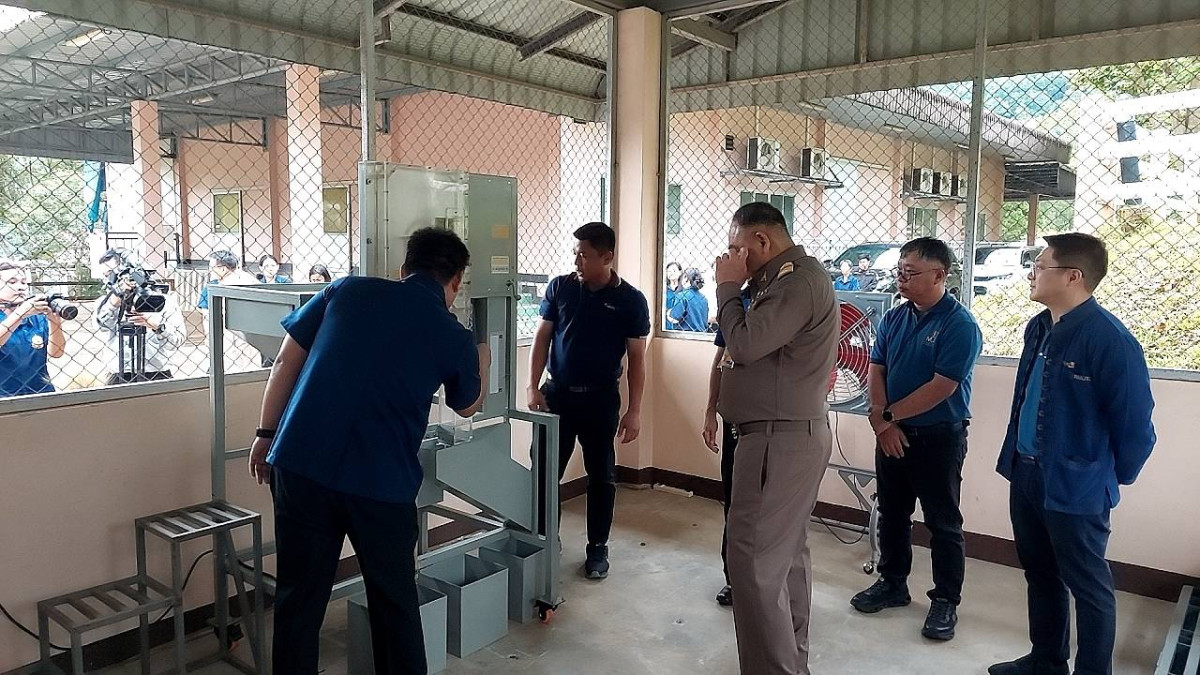
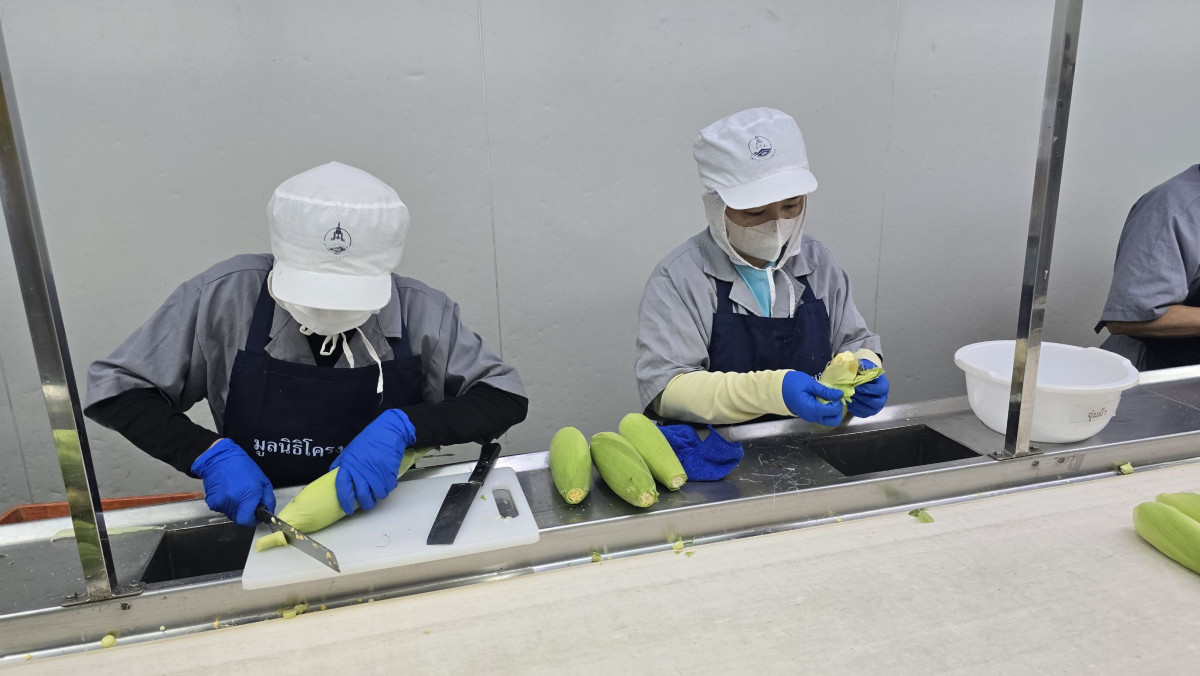
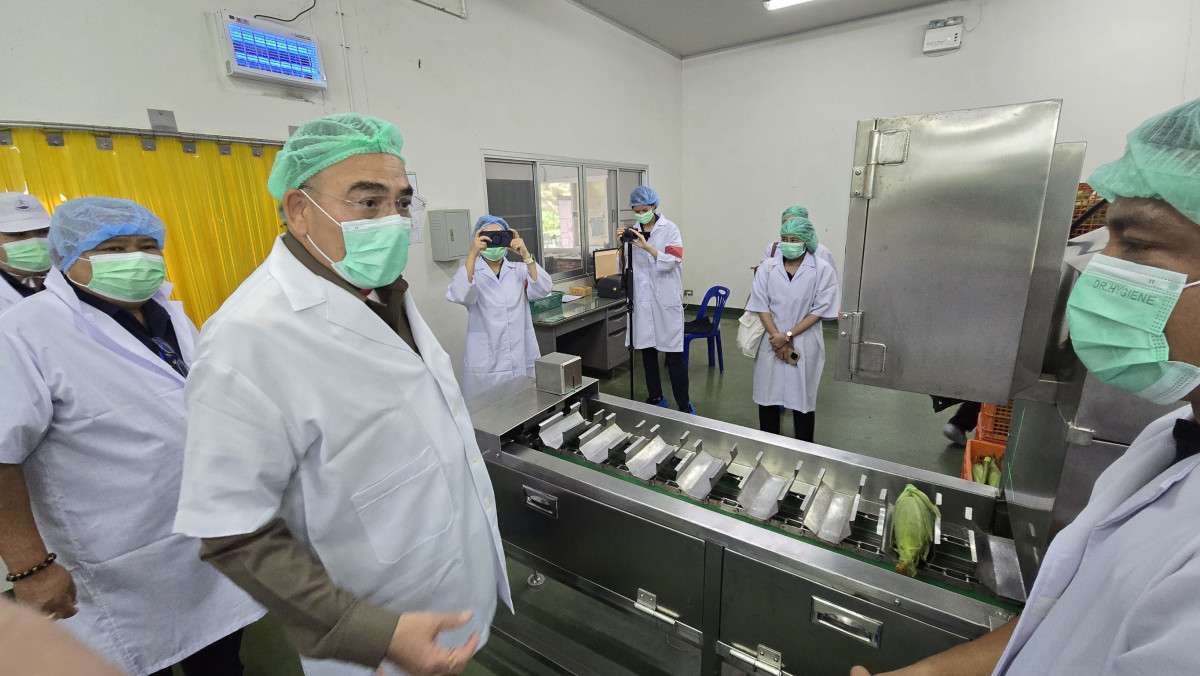
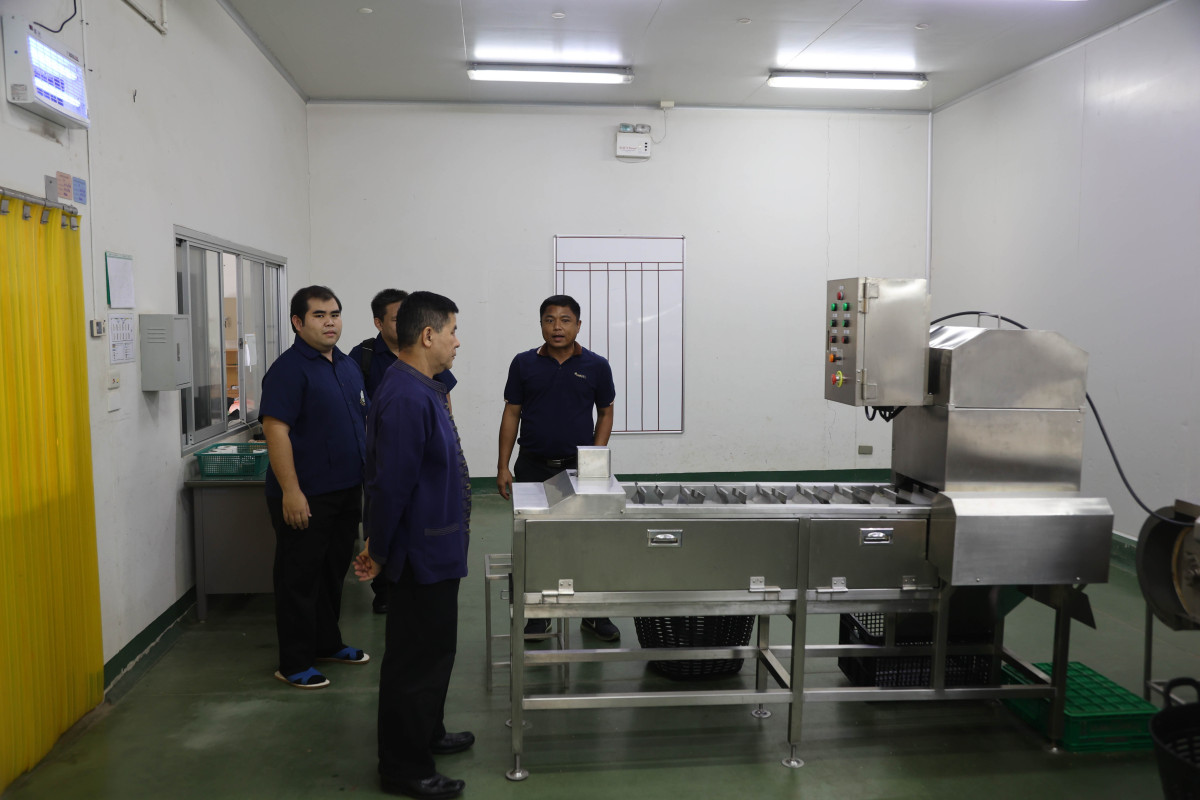
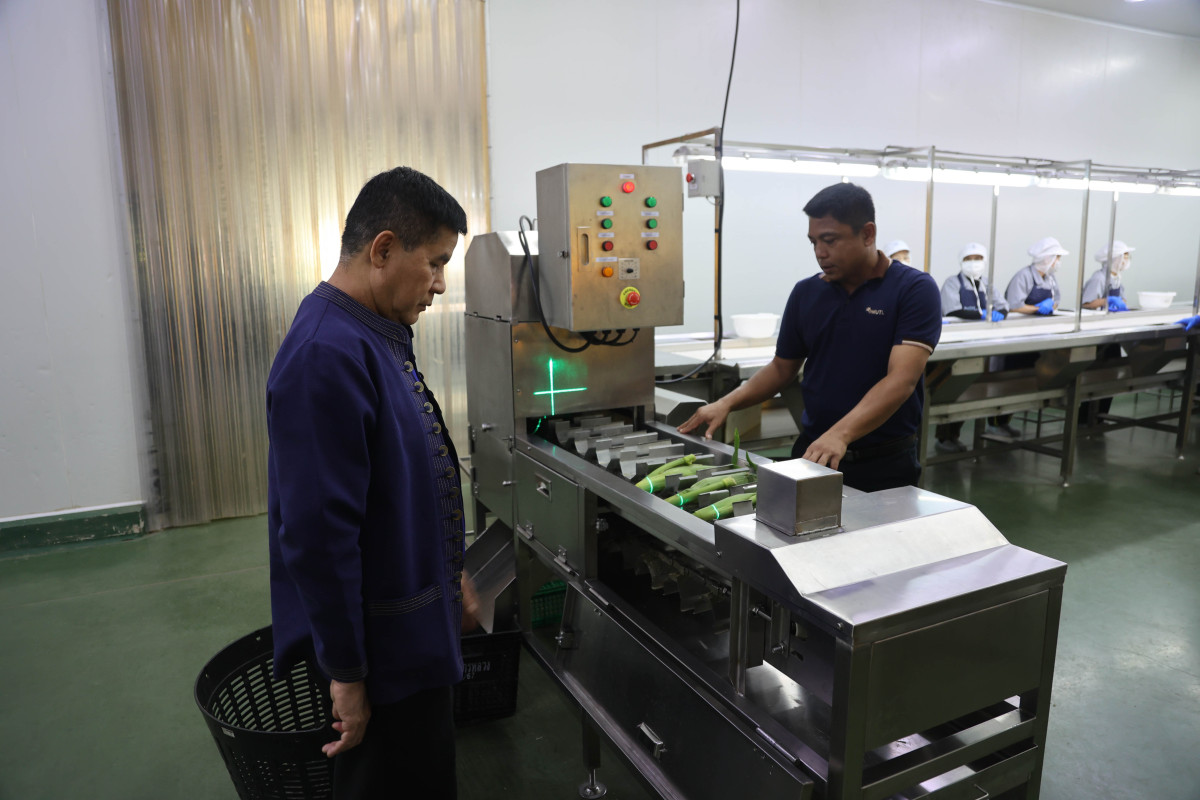
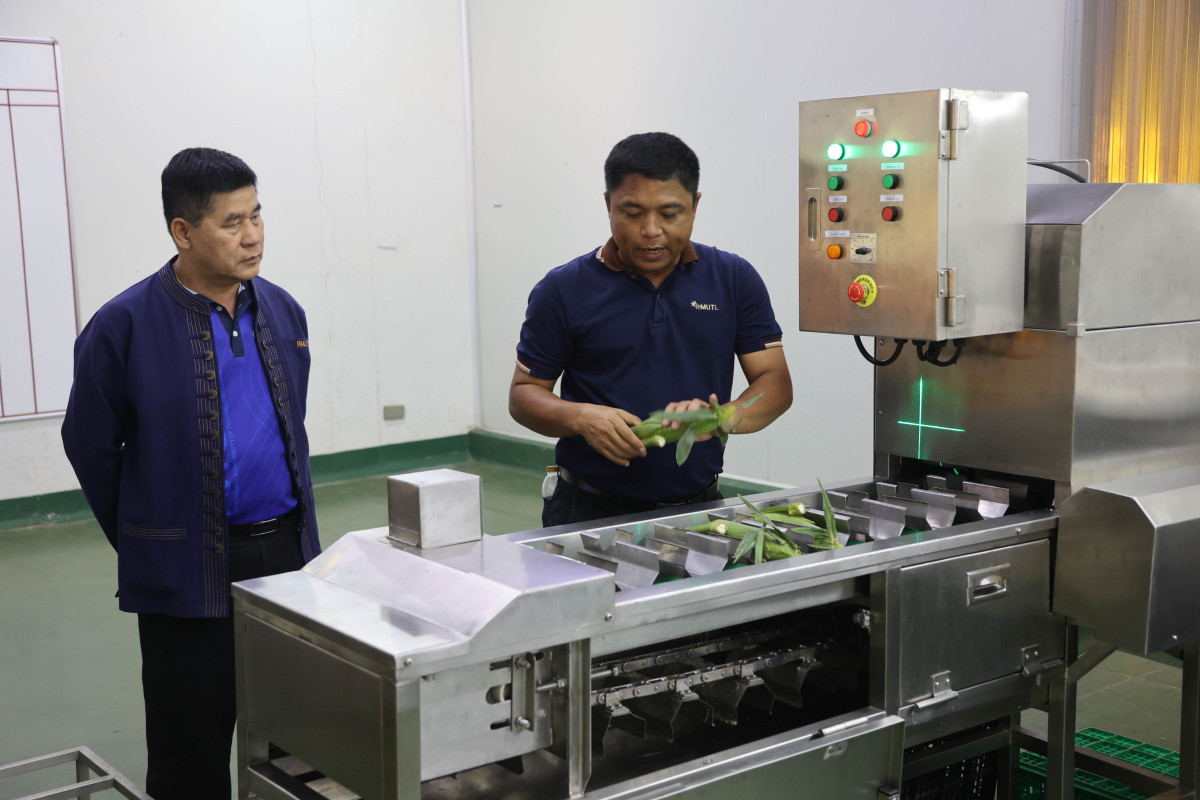
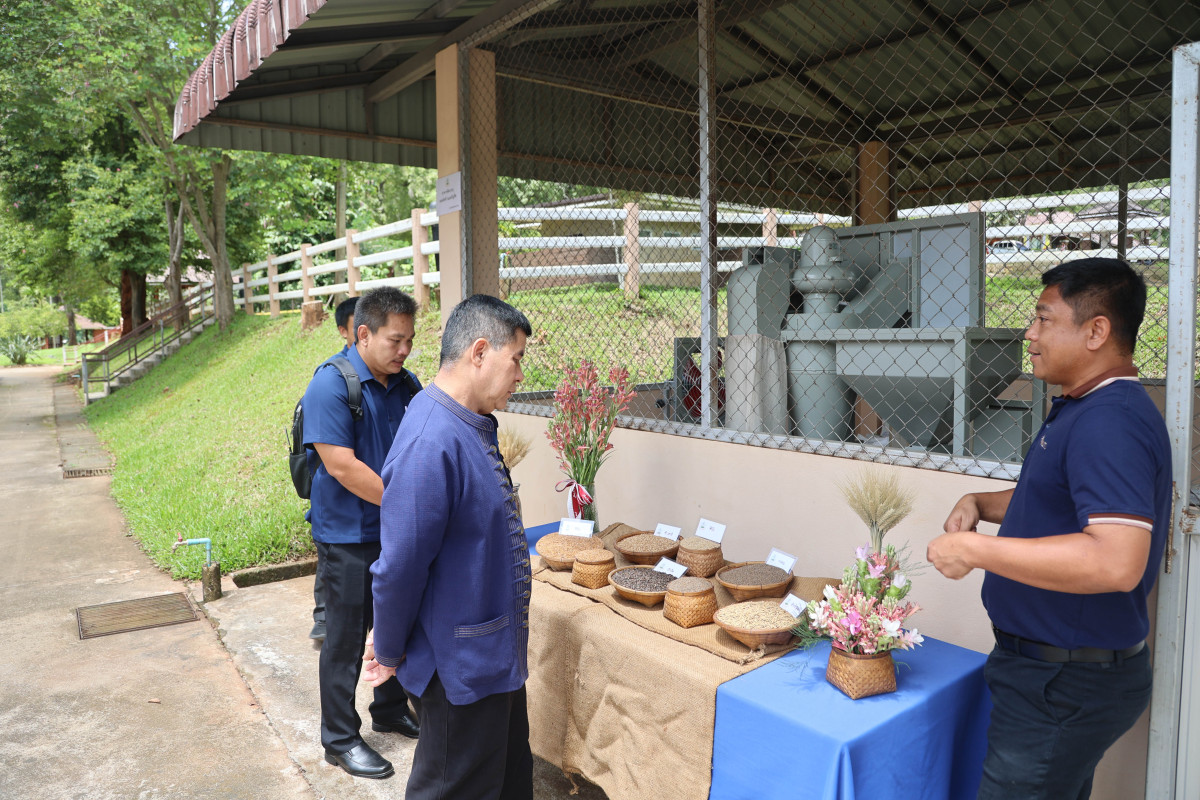
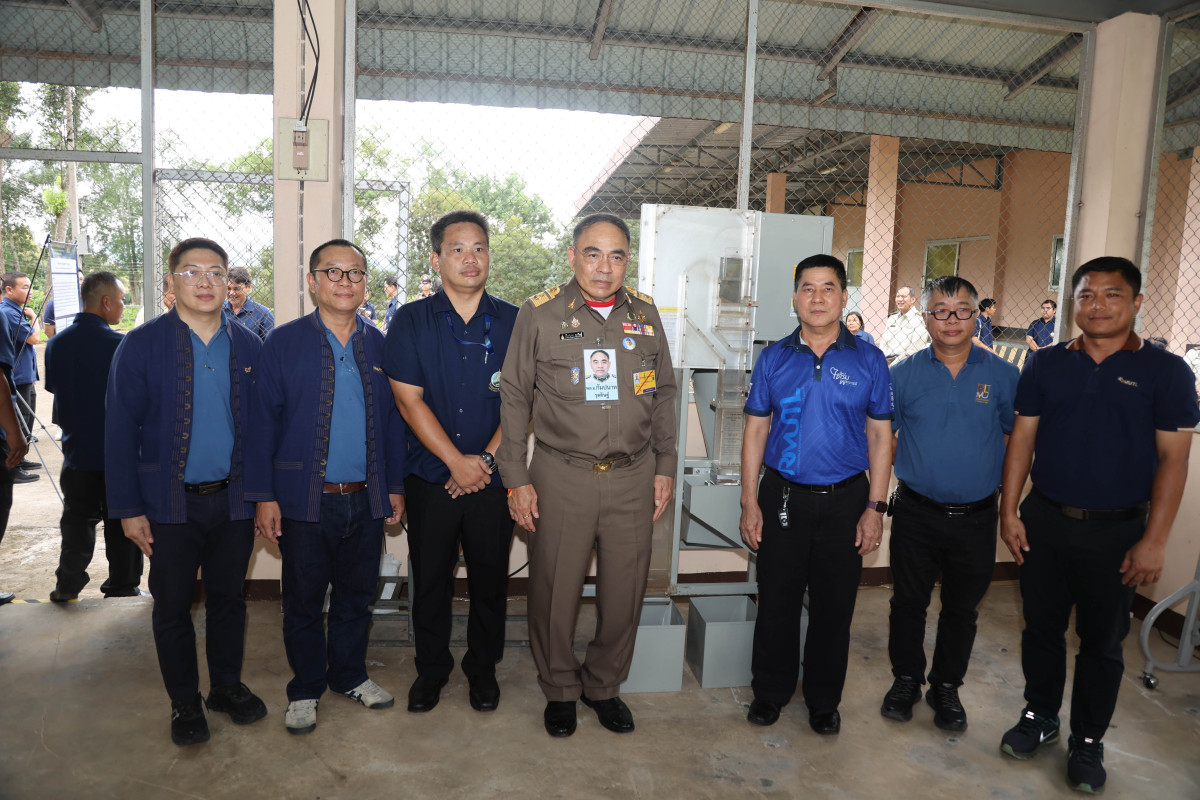
On August 22, 2025, RMUTL delivered a research-based bicolor sweet corn trimming machine to the Royal Project Foundation at Pang Da Royal Agricultural Station in Chiang Mai Province.
The machine was developed by RMUTL researchers to address labor-intensive post-harvest processing and support improvements in agricultural production.
The research focused on practical challenges associated with the trimming and preparation of bicolor sweet corn, particularly the time and labor required for conventional processing. The developed technology was designed to improve processing efficiency, reduce labor requirements, and support product quality.
As part of the collaboration, RMUTL transferred knowledge and provided training to Royal Project personnel on the operation of the equipment. This approach helped connect university research with agricultural operations and established a foundation for applying the innovation in practice.
The partnership demonstrates the role of nonprofit organizations in identifying practical development needs and supporting the application of university research to agricultural production.
The documented research output was the developed and delivered machine, accompanied by operational knowledge transfer. Its intended benefits include more efficient post-harvest processing, reduced labor demands, improved agricultural productivity, and opportunities to support farmers’ livelihoods.
The collaboration also created opportunities for knowledge and technology to be further adapted and transferred to other agricultural areas facing similar challenges.
3. Research Programs: Joint Research Planning with the Royal Project Foundation and Development Partners
In addition to transferring completed research outputs, RMUTL works with nonprofit development organizations to identify research priorities and develop collaborative projects based on the needs of local communities.
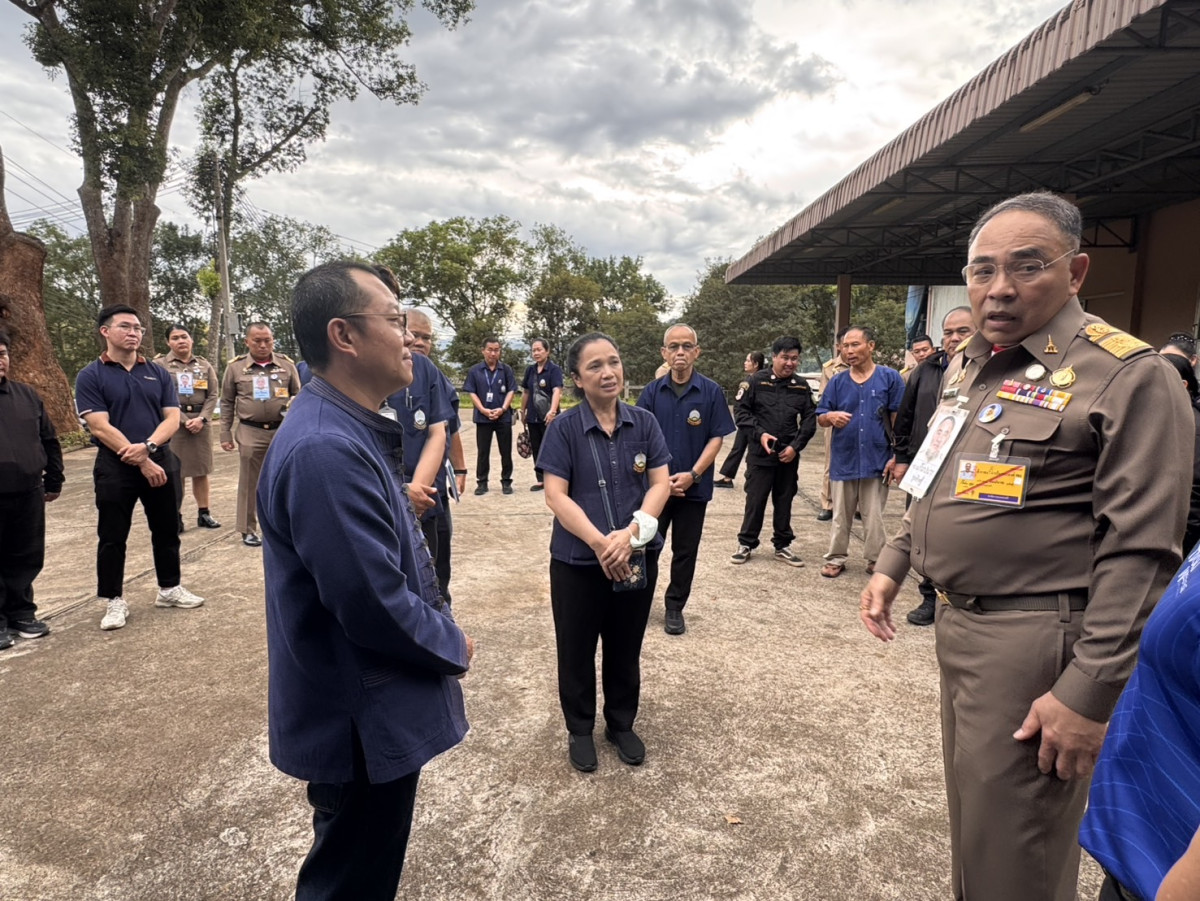
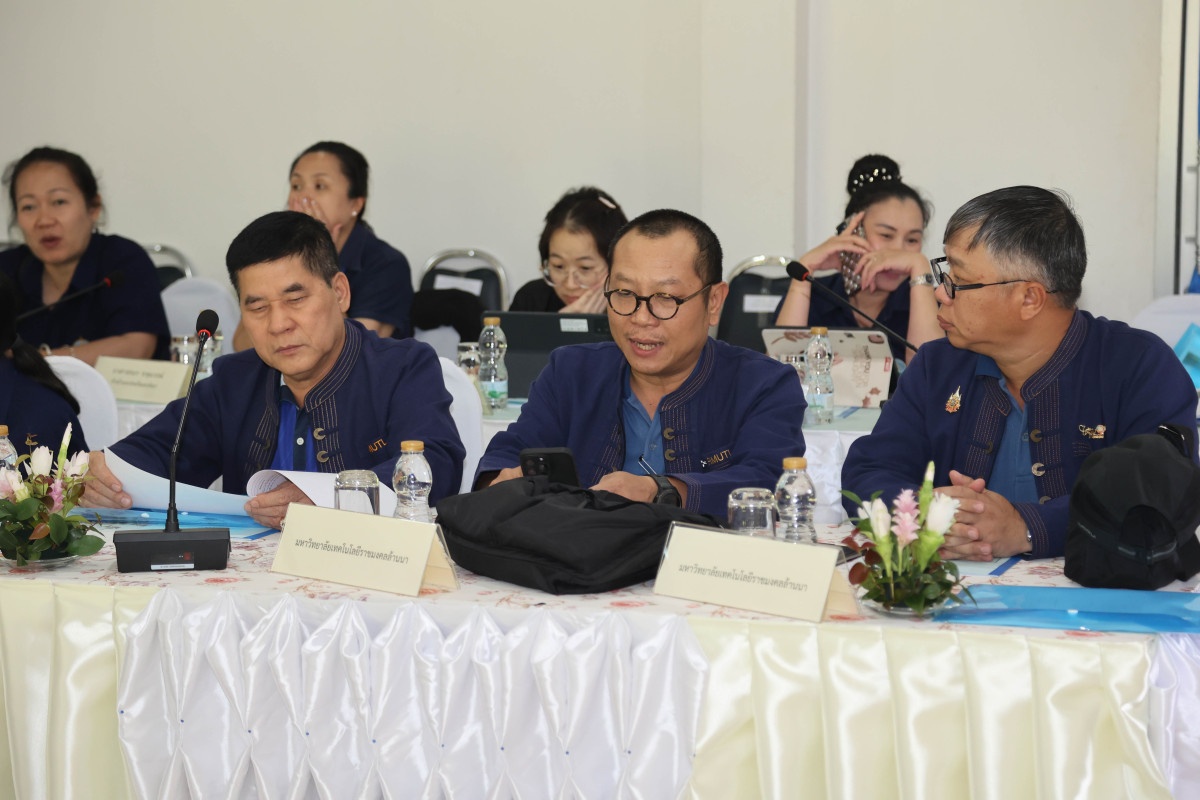
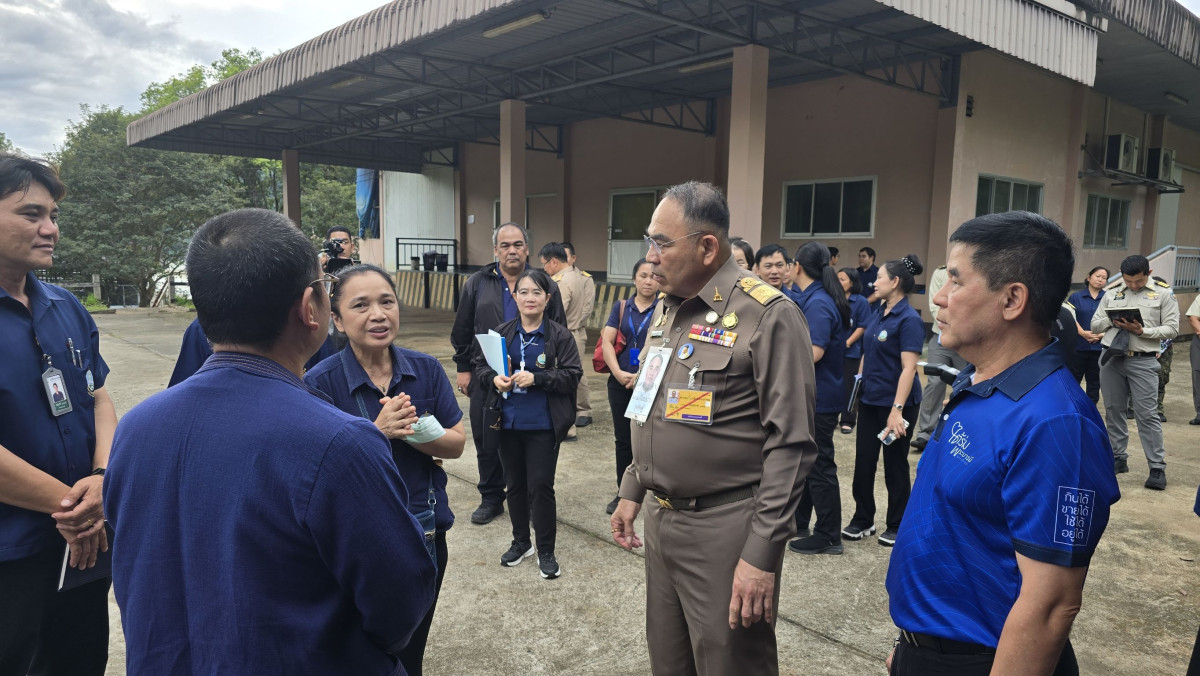
On October 27, 2025, RMUTL strengthened its research partnership with the Royal Project Foundation and the Electricity Generating Authority of Thailand (EGAT) through a strategic consultation at the Chanokathibet Damri Royal Project Agricultural Research and Development Centre in Chiang Mai Province.
The RMUTL delegation included representatives from the Community Technology Transfer Centre and the Clean Energy System Research Unit, Faculty of Engineering.
The meeting provided an opportunity for university researchers and development partners to examine challenges affecting highland communities and explore potential research cooperation.
Discussions focused on identifying priority research areas, combining institutional expertise, and considering how academic knowledge, engineering technologies, and available resources could be applied to community development.
The consultation emphasized the importance of developing research proposals that respond to actual social, economic, and environmental needs rather than focusing solely on academic or technological interests.
Through the partnership, RMUTL and its collaborators explored opportunities to integrate research capabilities with the Royal Project Foundation’s experience in community-based development and EGAT’s technical resources.
The meeting represented an initial stage in the development of collaborative research proposals. It established a basis for further cooperation but did not, by itself, constitute evidence that the proposed research projects had been completed.
This initiative demonstrates RMUTL’s participation in nonprofit-oriented research planning, particularly in identifying community needs, developing potential research partnerships, and preparing for the practical application of research and innovation in highland areas.
Potential longer-term benefits include stronger coordination among research and development organizations, improved access to appropriate technologies, and research activities more closely aligned with the needs of highland communities.
4. Development of Educational Resources: Improving Literacy and Learning Opportunities for Vulnerable Children
RMUTL collaborates with nonprofit educational and humanitarian organizations to strengthen learning opportunities and support the development of teaching knowledge and educational resources for underserved communities.
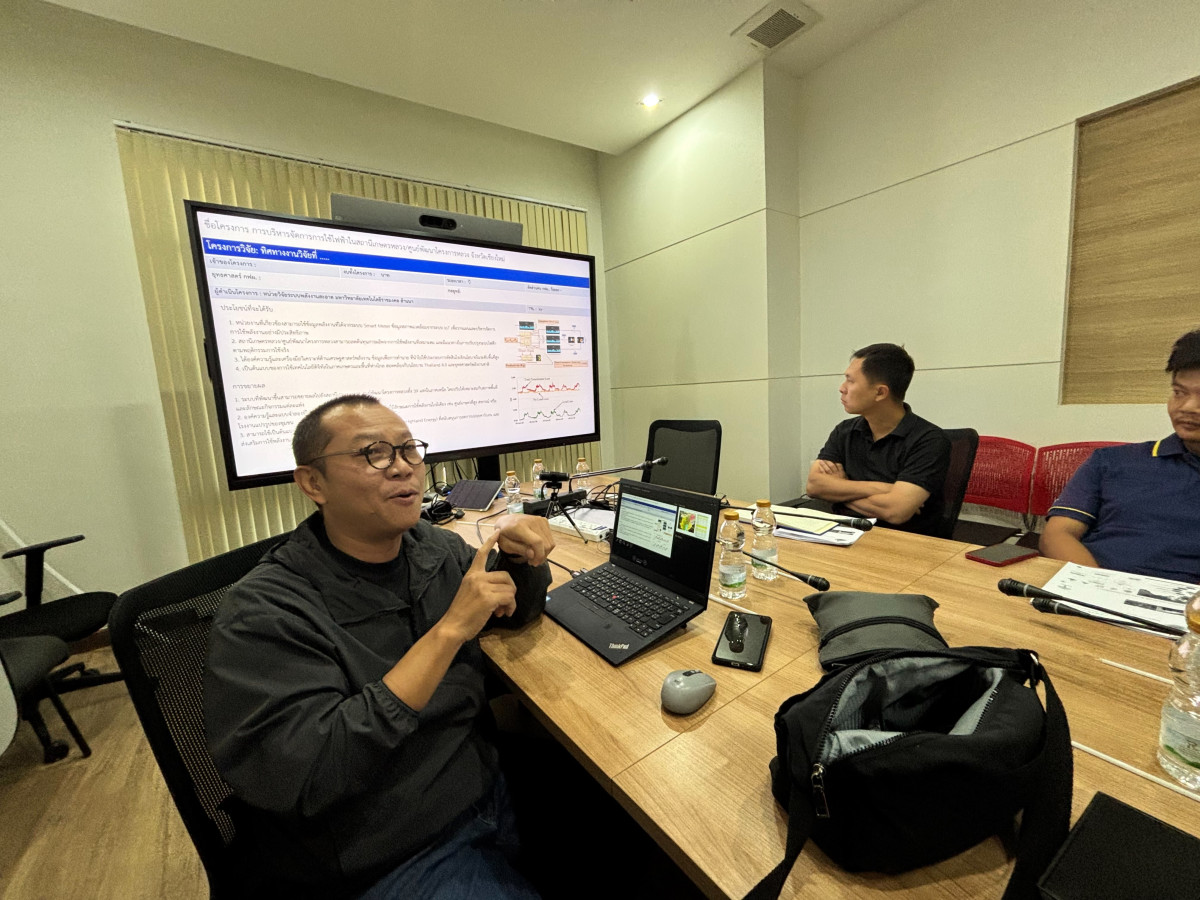
On November 6, 2025, RMUTL Tak Campus joined six partner organizations in signing a Memorandum of Understanding to support a literacy tutoring initiative for children and young people in Tak Province.
The participating organizations included the Tak Provincial Red Cross Chapter, the Tak Provincial Learning Promotion Office, the Tak Provincial Education Office, the Office of National Higher Education Science Research and Innovation Policy Council, and the World Vision Foundation of Thailand.
The collaboration responds to educational challenges associated with geographical conditions, socioeconomic disadvantages, and unequal access to educational services, particularly among vulnerable children and those at risk of leaving the education system.
The initiative focuses on strengthening foundational literacy, supporting specialized literacy tutors, developing teacher competencies, and improving approaches to reading and writing instruction.
A central component of the partnership is the development and exchange of educational knowledge that can support teachers and tutors in designing learning activities appropriate to local conditions and learner needs.
Through cooperation with the World Vision Foundation of Thailand and educational agencies, RMUTL contributes to a collaborative framework for strengthening instructional capacity and supporting the development of educational resources and approaches for vulnerable learners.
The partnership also creates opportunities to connect university expertise with the practical experience of nonprofit organizations working with children and disadvantaged communities.
The documented outcome during the reporting period was the establishment of formal institutional cooperation and agreed educational priorities. The initiative provides a foundation for subsequent development of teaching materials, instructional support, and capacity-building activities.
Its anticipated benefits include improved access to foundational literacy support, stronger teacher and tutor capabilities, and more inclusive learning opportunities for children facing educational disadvantages.
By participating in this partnership, RMUTL demonstrates how universities and nonprofit organizations can combine educational expertise, community knowledge, and institutional resources to address barriers to learning.

5. Institutional Contributions through University–Nonprofit Collaboration
RMUTL’s partnerships with humanitarian organizations and nonprofit development foundations demonstrate an institutional approach that connects academic missions with practical community needs.
The university’s contributions are organized into three principal areas.
Student Volunteering Programs
RMUTL encourages students to participate in humanitarian activities in cooperation with nonprofit and healthcare networks. The blood donation initiative in Nan Province demonstrates how student engagement and community participation can support essential healthcare services while promoting civic responsibility and a culture of volunteerism.
Research Programs
RMUTL works with the Royal Project Foundation and other development partners to identify research needs, develop practical agricultural technologies, and explore new research opportunities.
The delivery of the bicolor sweet corn trimming machine demonstrates the application of completed research to agricultural operations, while the subsequent strategic consultation illustrates the development of future research cooperation based on community needs.
Together, these activities reflect different stages of nonprofit-oriented research collaboration, from problem identification and research planning to technology development and knowledge transfer.
Development of Educational Resources
RMUTL collaborates with the World Vision Foundation of Thailand and educational agencies to improve teaching knowledge, strengthen literacy support, and establish a framework for developing instructional resources for vulnerable children.
This cooperation contributes to efforts to reduce educational disadvantages and support more inclusive access to foundational learning.
6. Summary of University–Nonprofit Collaboration and Community Contributions
| Date | Collaboration and Nonprofit Partners | Collaboration Type | Key Activities and Outputs | Benefits and Potential Impacts on Communities and Society |
|---|---|---|---|---|
| July 17, 2025 | RMUTL Nan Campus, Nan Provincial Red Cross Chapter, National Blood Service, and Nan Hospital | Student Volunteering Programs | Community blood donation campaign involving 83 participants; 29,050 milliliters of blood collected; seven expressions of intent for eye donation and seven for organ donation | Contributed to regional blood supplies, supported humanitarian healthcare services, encouraged voluntary participation, and promoted student social responsibility |
| August 22, 2025 | RMUTL and the Royal Project Foundation, Pang Da Royal Agricultural Station, Chiang Mai Province | Research Programs | Developed and delivered a bicolor sweet corn trimming machine; provided operational training and technology transfer to Royal Project personnel | Provided a practical agricultural innovation intended to reduce processing time and labor requirements, improve production efficiency, and support highland agricultural livelihoods |
| October 27, 2025 | RMUTL, Royal Project Foundation, and EGAT, Chiang Mai Province | Research Programs | Joint consultation to identify highland development challenges, research priorities, and opportunities for integrated research proposals | Established a foundation for community-oriented collaborative research and future application of technical expertise to economic, social, and environmental challenges |
| November 6, 2025 | RMUTL Tak Campus, World Vision Foundation of Thailand, Tak Provincial Red Cross Chapter, and educational agencies | Development of Educational Resources | Signed a memorandum of understanding supporting literacy tutoring, specialized tutor development, teacher capacity building, and improvement of instructional approaches | Established a cooperative framework to strengthen literacy education, improve teaching capacity, and expand learning support for vulnerable children and young people |
7. Overall Contributions and Institutional Impact
The four initiatives demonstrate RMUTL’s engagement with nonprofit organizations through student volunteerism, applied research, collaborative research planning, and educational development.
In the area of humanitarian service, the partnership with the Thai Red Cross network generated measurable contributions to community healthcare while providing students with opportunities to participate in volunteer activities.
In applied research, collaboration with the Royal Project Foundation resulted in the development and delivery of agricultural processing technology, accompanied by training and knowledge transfer. The subsequent research consultation strengthened institutional cooperation and identified potential directions for addressing development challenges in highland communities.
In educational development, the partnership with the World Vision Foundation of Thailand and regional educational agencies established a formal framework for improving literacy instruction and supporting vulnerable learners.
These activities demonstrate the different ways RMUTL contributes to nonprofit-led and collaborative development efforts: by mobilizing students and university resources, applying research to practical problems, and strengthening educational knowledge and institutional capacity.
The documented outputs include humanitarian contributions, a transferred agricultural innovation, research planning activities, and a formal education partnership. Their longer-term impacts on community health, agricultural livelihoods, and educational outcomes will depend on continued implementation and follow-up evaluation.
Through these partnerships, RMUTL strengthens the connection between higher education and nonprofit development organizations, supporting collaborative approaches that respond to community needs and contribute to more inclusive and sustainable regional development.
Sources
- RMUTL Nan and Thai Red Cross Network Promote Student Volunteerism through Community Blood Donation Initiative — July 17, 2025.
https://sdgs.rmutl.ac.th/17/rmutl-nan-and-thai-red-cross-network-promote-student-volunteerism-through-community-blood-donation-initiative/ - RMUTL and Royal Project Foundation Advance Agricultural Innovation for Highland Communities — August 22, 2025.
https://sdgs.rmutl.ac.th/17/rmutl-and-royal-project-foundation-advance-agricultural-innovation-for-highland-communities/ - RMUTL and Royal Project Foundation Advance Collaborative Research for Sustainable Highland Communities — October 27, 2025.
https://sdgs.rmutl.ac.th/17/rmutl-and-royal-project-foundation-advance-collaborative-research-for-sustainable-highland-communities/ - RMUTL Tak and World Vision Foundation Strengthen Literacy Education and Teacher Support for Vulnerable Children — November 6, 2025.
https://sdgs.rmutl.ac.th/17/rmutl-tak-and-world-vision-foundation-strengthen-literacy-education-and-teacher-support-for-vulnerable-children/