
Energy Wastage Identification
RMUTL is strengthening its capacity to review electricity consumption and identify potential energy wastage through campus energy management activities and smart monitoring technologies.
At Chiang Rai Campus, institutional energy conservation functions support energy consumption reviews, while the July 2025 installation of 18 smart switches introduced additional monitoring and electrical control capabilities. These initiatives provide a foundation for identifying unnecessary electricity use and improving building operations.
Energy Reviews and Consumption Monitoring
Reviewing electricity consumption is essential for understanding how buildings and equipment use energy and identifying opportunities for improvement.
RMUTL Chiang Rai Campus maintains energy management functions relating to energy consumption records, equipment inspection, conservation measures, and energy reporting.
These activities support the review of building electricity use and help responsible personnel investigate changes in consumption.
Building-level records can also inform decisions concerning equipment maintenance, operational schedules, and future efficiency improvements.
Smart Monitoring to Support Waste Identification
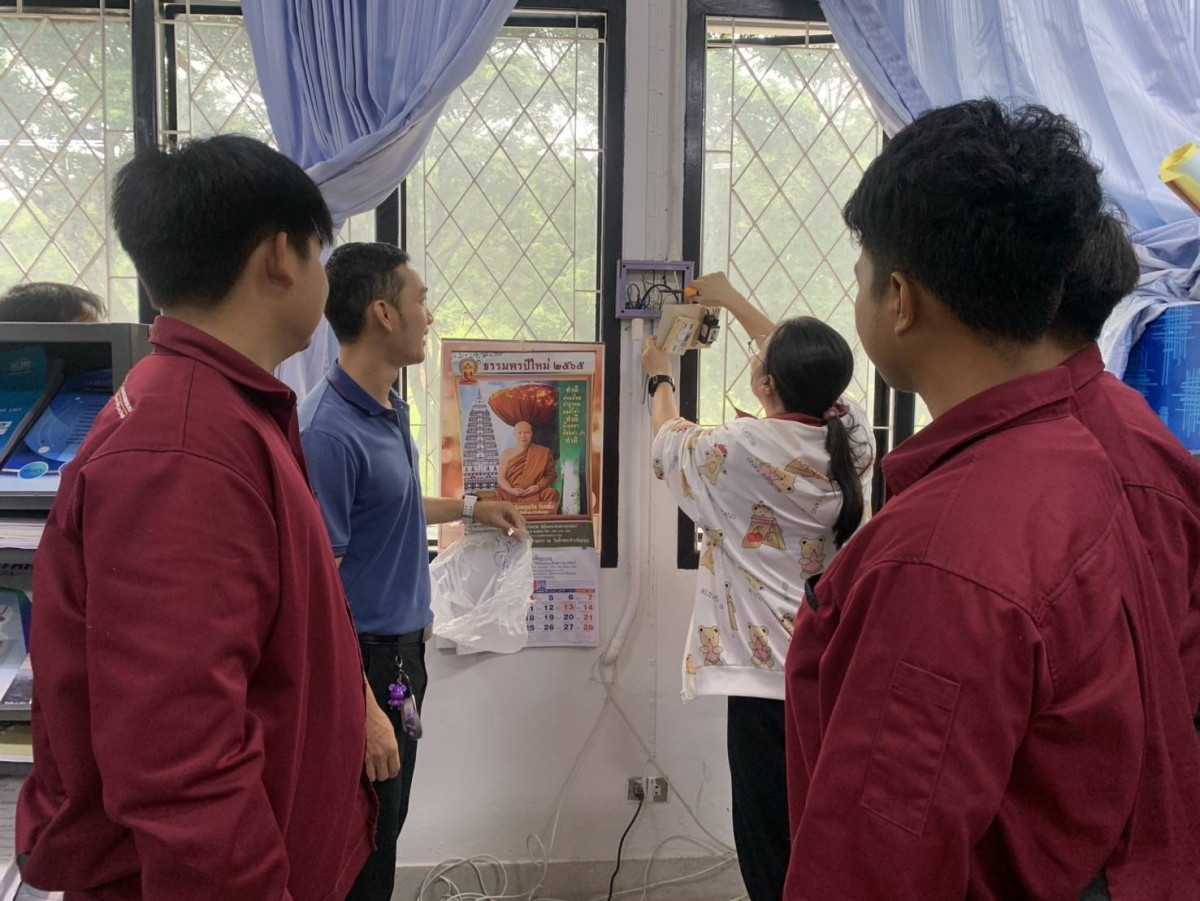
On July 16, 2025, the campus installed 18 Tuya Smart Switch devices in its administrative building.
The devices enable remote control and monitoring of electricity use, providing opportunities to identify equipment that operates unnecessarily or outside required periods.
Such technologies support more detailed energy monitoring and may help facility personnel target corrective measures.
The system also provides a model for further improvements to campus energy monitoring.
Institutional Review and Improvement
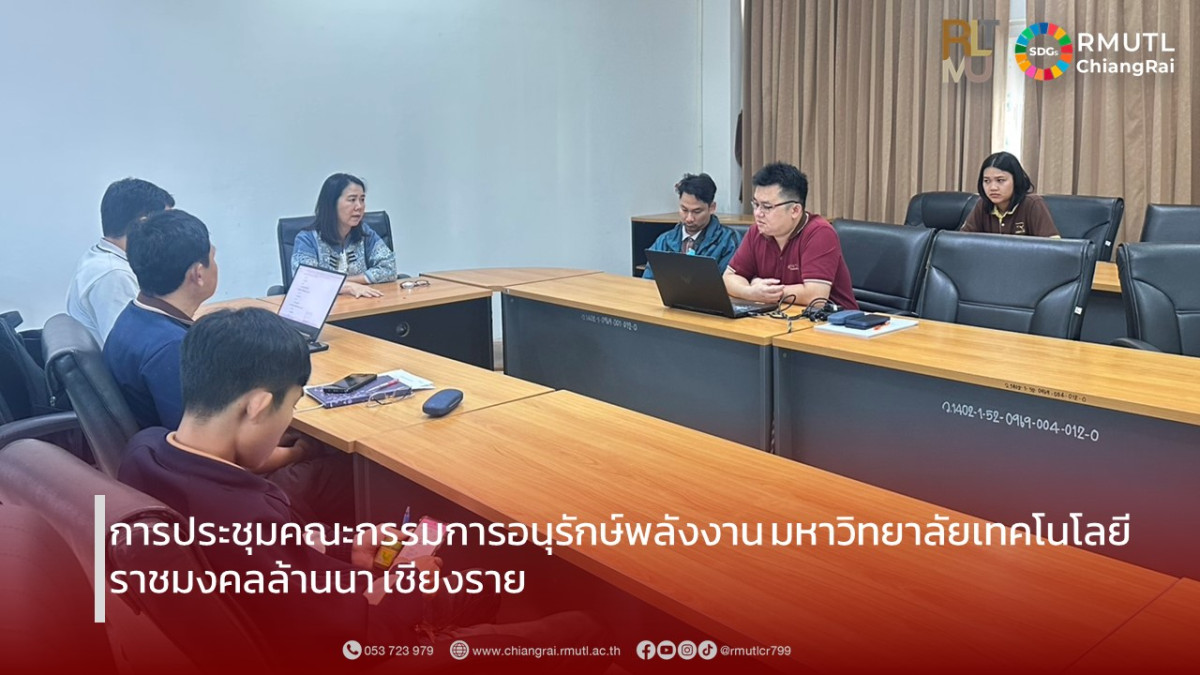
The Energy Conservation Committee and related assessment functions provide mechanisms for discussing energy consumption, monitoring conservation activities, and recommending improvements.
Together, administrative review and digital monitoring can support a more systematic approach to detecting potential energy wastage.
However, the reviewed evidence does not establish a university-wide analysis identifying and ranking the buildings or equipment systems with the highest energy losses.
Contributions and Expected Impact
The university has demonstrated practical monitoring activities and introduced technologies that support the identification of unnecessary electricity use.
Further evidence, including building energy audits, electricity consumption comparisons, and documented corrective actions, would enable a more complete assessment of actual energy wastage and the effectiveness of energy management improvements.
Summary of Activities and Impacts
| Activity / Event | Promoted Theme | Stakeholders / Participants | Timeframe / The Impact |
|---|---|---|---|
| Building electricity consumption monitoring | Energy consumption review and potential waste identification | Chiang Rai Campus energy management personnel and facility units | 2025–2026 — Supported review of electricity demand and operational performance |
| Smart Switch Installation | Real-time monitoring and electrical equipment control | Electrical engineering students, campus administration, building users | July 16, 2025 — Installed 18 smart switches to improve visibility and control of electricity use |
| Energy Conservation Committee Activities | Review of energy management and corrective planning | Campus committees and responsible personnel | February 2025–January 2026 — Supported ongoing discussion of energy conservation improvements |
| Further building energy audits | Identification and prioritization of high-wastage facilities | Responsible energy and infrastructure units | Further evidence required — No verified university-wide ranking of energy wastage found in reviewed reports |