
Rajamangala University of Technology Lanna (RMUTL) continues to advance its long-term vision of transitioning toward 100% renewable energy through strategic partnerships, clean energy research, technical capacity building, and cooperation with government agencies, industry, and local communities.
Building upon its 2024 Green University partnership, which promotes solar energy, electric mobility, and sustainable campus infrastructure, RMUTL expanded its clean energy initiatives throughout 2025 and early 2026.
A significant development was the strengthening of collaboration with the Electricity Generating Authority of Thailand (EGAT) through joint research discussions, technical investigations, research networking, and community-based energy assessments.
Key activities included:
- Strengthening clean energy research cooperation with EGAT in July 2025.
- Examining community-scale electricity management through the Ban Khlong Ruea microgrid initiative.
- Expanding solar photovoltaic training and renewable energy professional development for external learners.
- Investigating cleaner energy and pollutant reduction technologies at the Mae Hong Son Diesel Power Plant.
- Developing research cooperation among RMUTL, EGAT, and the Royal Project Foundation.
- Conducting joint energy and environmental assessments at Wat Chan Hospital and Royal Project Development Centers in January 2026.
These initiatives demonstrate RMUTL’s efforts to promote renewable energy knowledge, strengthen technical cooperation, and prepare the institutional and community foundations for a cleaner energy transition.
Although a formal public pledge toward 100% renewable energy has not yet been verified, the university’s continued partnerships and activities demonstrate progress toward broader renewable energy engagement beyond the campus.
1. Building on the Green University Partnership and Renewable Energy Vision
RMUTL’s current energy transition initiatives build upon strategic cooperation established in previous years.
On May 10, 2022, RMUTL held a strategic meeting with EGAT to explore energy conservation, renewable electricity generation, and potential energy system improvements under the university’s Green Campus Development Plan.
The discussions addressed opportunities for improving electricity efficiency, examining renewable energy applications, and strengthening cooperation in sustainable campus infrastructure.
During August 20–21, 2024, RMUTL organized the “Carbon Neutral of University” workshop to strengthen institutional knowledge of carbon management, energy efficiency, and clean energy development.
The workshop supported discussions on integrating environmental considerations into university policies and operations.
A further milestone occurred on October 15, 2024, when RMUTL signed a memorandum of understanding with three private-sector partners to advance the Green University initiative.
The collaboration promoted renewable energy development, particularly solar power, alongside electric vehicles and electric motorcycles in university operations.
It also provided a framework for joint research, technological innovation, and potential investment in cleaner energy infrastructure.
Together, these earlier initiatives established a foundation for RMUTL’s continuing engagement in renewable energy development.
In 2025, the university extended this work through additional research partnerships, technical training, and cooperation with energy-sector organizations and local communities.
2. Strengthening National Clean Energy Research Cooperation with EGAT
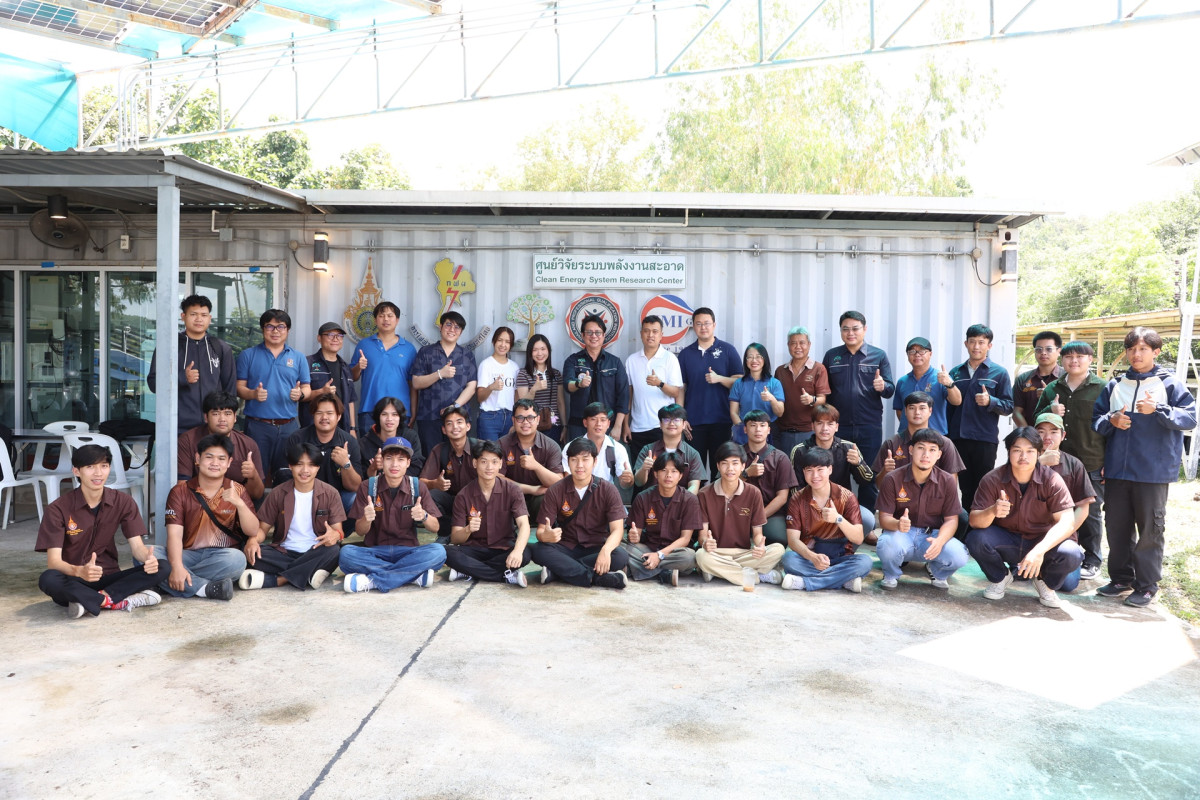
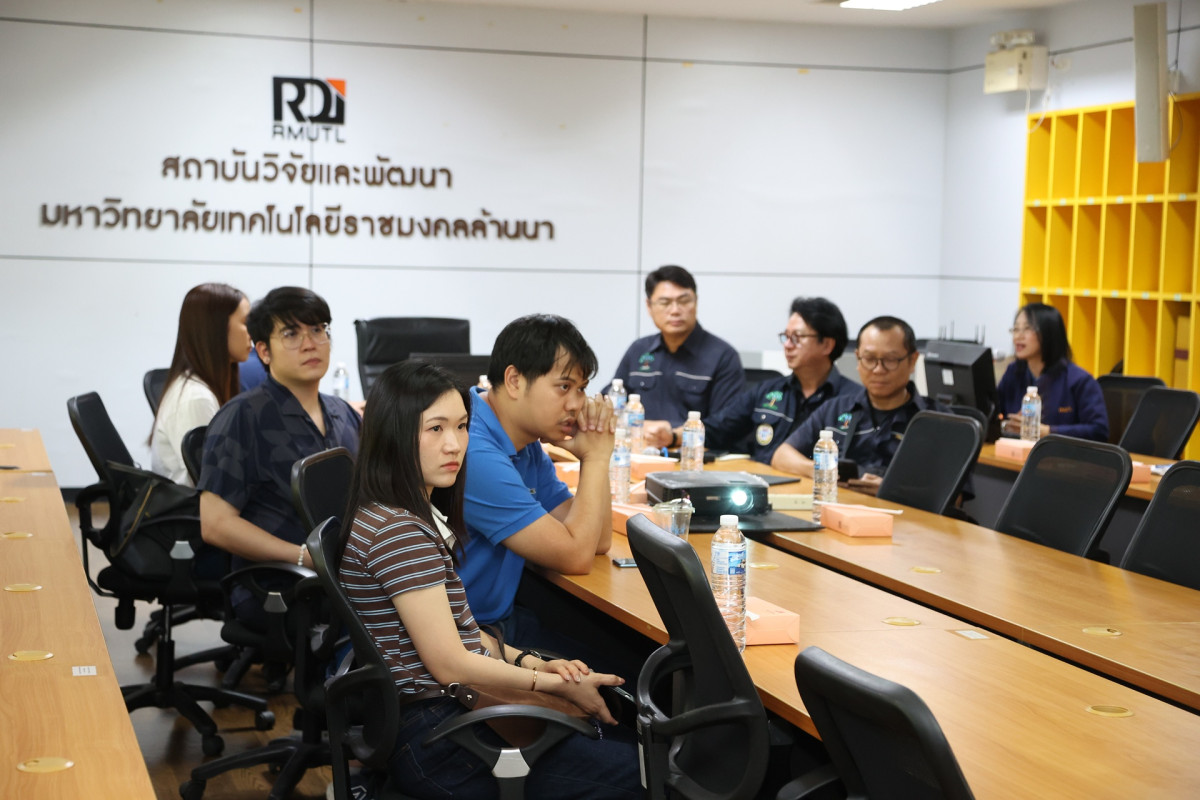
On July 15, 2025, RMUTL welcomed representatives from EGAT’s Research and Innovation Division to its Clean Energy System Research Unit and energy and environmental laboratories at Doi Saket Campus, Chiang Mai Province.
The visit provided opportunities for university researchers and EGAT specialists to exchange technical knowledge, review ongoing research, and discuss future collaboration in clean energy innovation and environmental management.
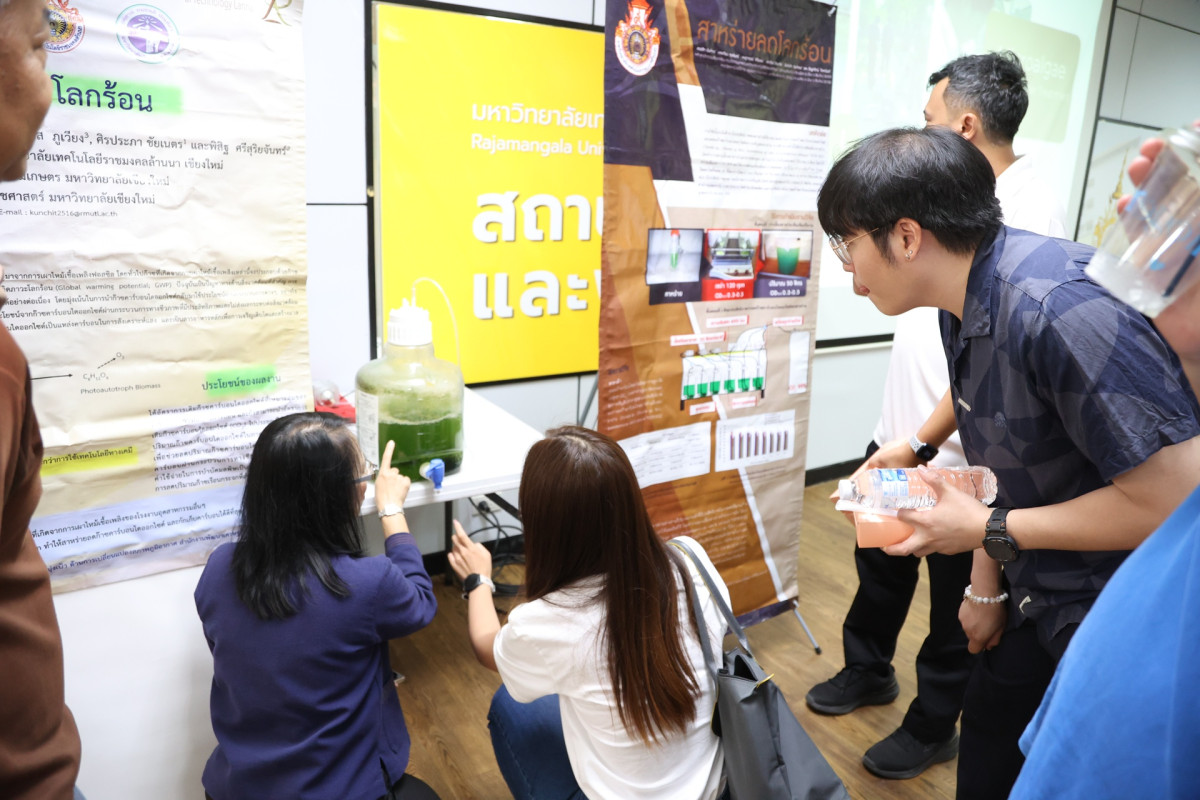
The discussions included research on the removal of pollutants from diesel electricity generators using microalgae-based biological capture and degradation processes.
The research, undertaken with EGAT support and cooperation, aims to explore environmentally responsible approaches to managing emissions from existing electricity generation systems.
Although pollutant treatment is distinct from renewable electricity generation, the activity contributes to the broader energy transition by addressing environmental challenges associated with conventional energy infrastructure.
The meeting also strengthened communication between university researchers and a national energy organization, creating opportunities for collaborative research on cleaner energy technologies and more sustainable energy systems.
This cooperation demonstrates RMUTL’s role in connecting academic research with practical challenges faced by Thailand’s energy sector.
3. Promoting Community Renewable Energy Systems and Decentralized Electricity Management
During May 27–30, 2025, RMUTL researchers participated in the 17th Electrical Engineering Network Conference (EENET 2025) and visited the Ban Khlong Ruea community microgrid initiative in Chumphon Province.
The academic activities provided opportunities to exchange knowledge about electrical engineering, energy technologies, and community-scale electricity management.
The community microgrid visit offered practical insights into decentralized electricity systems and approaches relevant to the integration of cleaner energy resources.
Community energy systems can provide important reference models for considering how renewable energy generation, local electricity management, and energy resilience may be combined.
For RMUTL, the visit contributed to technical learning and the examination of approaches that may be relevant to future energy research and community development projects.
The activity represents an exchange of knowledge and experience rather than confirmation that RMUTL implemented or operated the community microgrid.
Nevertheless, it strengthened the university’s understanding of community-oriented energy technologies and provided information relevant to future cooperation.
4. Expanding Renewable Energy Skills beyond the University
RMUTL recognizes that the transition toward renewable energy requires not only technological development but also a workforce capable of installing, operating, maintaining, and improving renewable energy systems.
During February 17–21, 2025, RMUTL personnel served as instructors in a 30-hour training program on solar photovoltaic installation and maintenance.
The program was organized by the Chiang Mai Institute for Skill Development 19 at Tha Ton Subdistrict Administrative Organization in Mae Ai District, Chiang Mai Province.
A total of 20 participants attended, including independent workers and other designated occupational groups.
The training combined theoretical knowledge with practical activities involving electrical safety, measurement tools, solar energy principles, system design, installation, inspection, and maintenance.
By transferring technical knowledge to people outside the university, RMUTL supported access to competencies relevant to solar technology adoption and employment in renewable energy-related occupations.
During July 15–17, 2025, RMUTL also collaborated with the Office of the Vocational Education Commission to conduct renewable energy professional training and competency assessment at the Renewable Energy Learning Center, Doi Saket Campus.
The program involved 40 vocational teachers and personnel and focused on improving their technical knowledge and competencies in accordance with professional qualification standards.
These initiatives expanded opportunities for renewable energy knowledge transfer beyond RMUTL and strengthened the capacity of external educational and occupational networks.
Such activities can contribute to a broader renewable energy transition by increasing the availability of trained personnel and supporting the practical application of clean energy technologies.
5. Developing Cleaner Energy and Environmental Technologies with EGAT
During October 13–14, 2025, researchers from three RMUTL research units conducted a technical study at the Mae Hong Son Diesel Power Plant and the associated EGAT learning center.
The participating units included the Clean Energy System Research Unit, the Applied Electric Field in Engineering Research Unit, and the Environmental Research Unit.
The activity focused on examining pollutant treatment systems and discussing opportunities for developing technologies that could reduce environmental impacts associated with electricity generation.
The study strengthened collaboration among RMUTL research groups and provided information relevant to future research on cleaner energy and environmental management.
While the activity did not demonstrate a completed transition to renewable electricity, it contributed to the investigation of environmental improvements for existing energy systems.
These efforts are complementary to longer-term renewable energy development and illustrate the university’s broader approach to energy-related technological challenges.
6. Developing Joint Research Directions with EGAT and the Royal Project Foundation
On October 27, 2025, RMUTL participated in a strategic consultation with the Royal Project Foundation to explore integrated research cooperation involving EGAT.
The meeting brought together representatives from RMUTL’s Community Technology Transfer Institute and Clean Energy System Research Unit, along with development partners.
The discussions focused on identifying research priorities and opportunities to combine technical expertise, institutional knowledge, and available resources to address challenges affecting highland communities.
The consultation established a basis for developing integrated research proposals that respond to the practical needs of participating organizations and communities.
The partnership provided opportunities to consider appropriate technological and environmental solutions that could support sustainable development in rural and highland areas.
As the discussions represented the initial stage of collaborative research planning, the activity should not be interpreted as evidence that proposed energy technologies had already been installed or implemented.
Its principal contribution was strengthening cooperation and establishing potential directions for future research and technology development.
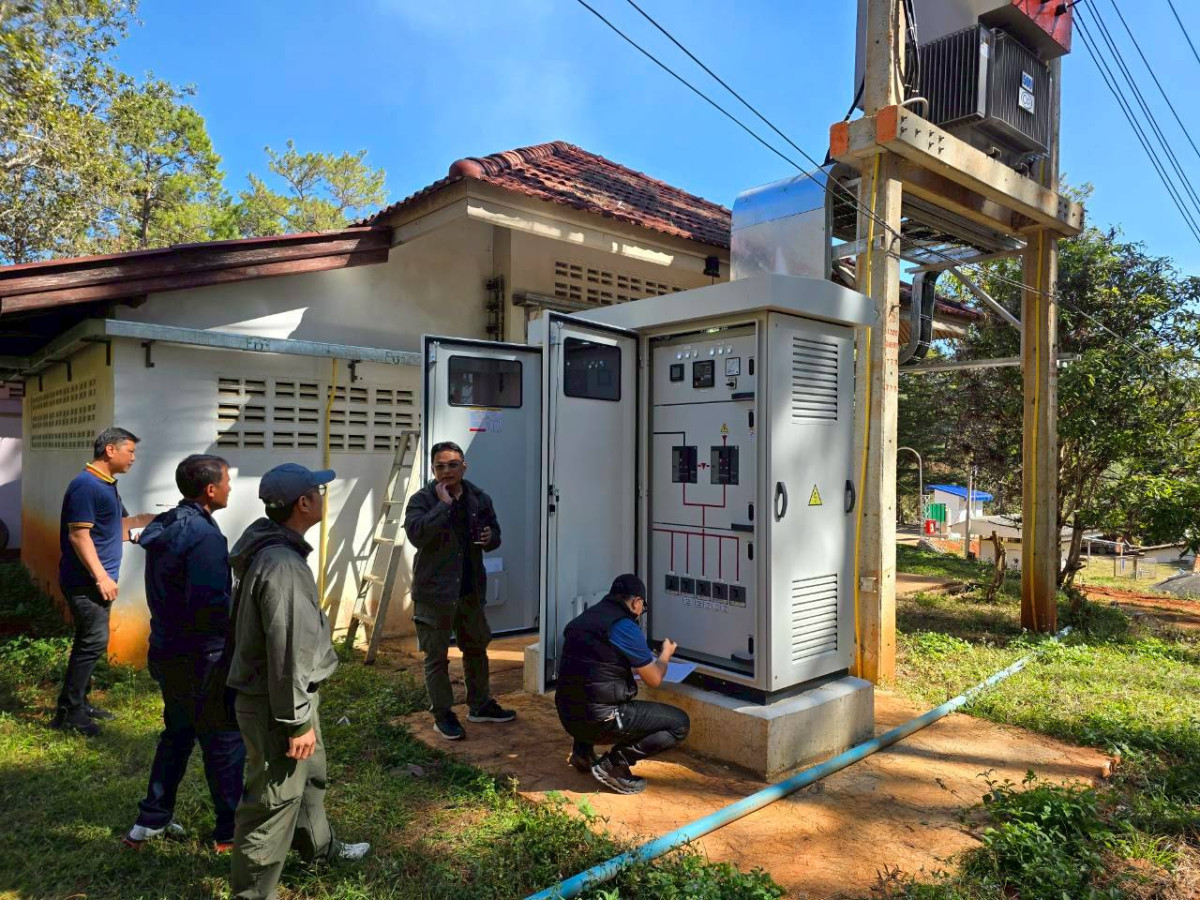
7. Strengthening National Research Networks for Energy Transition
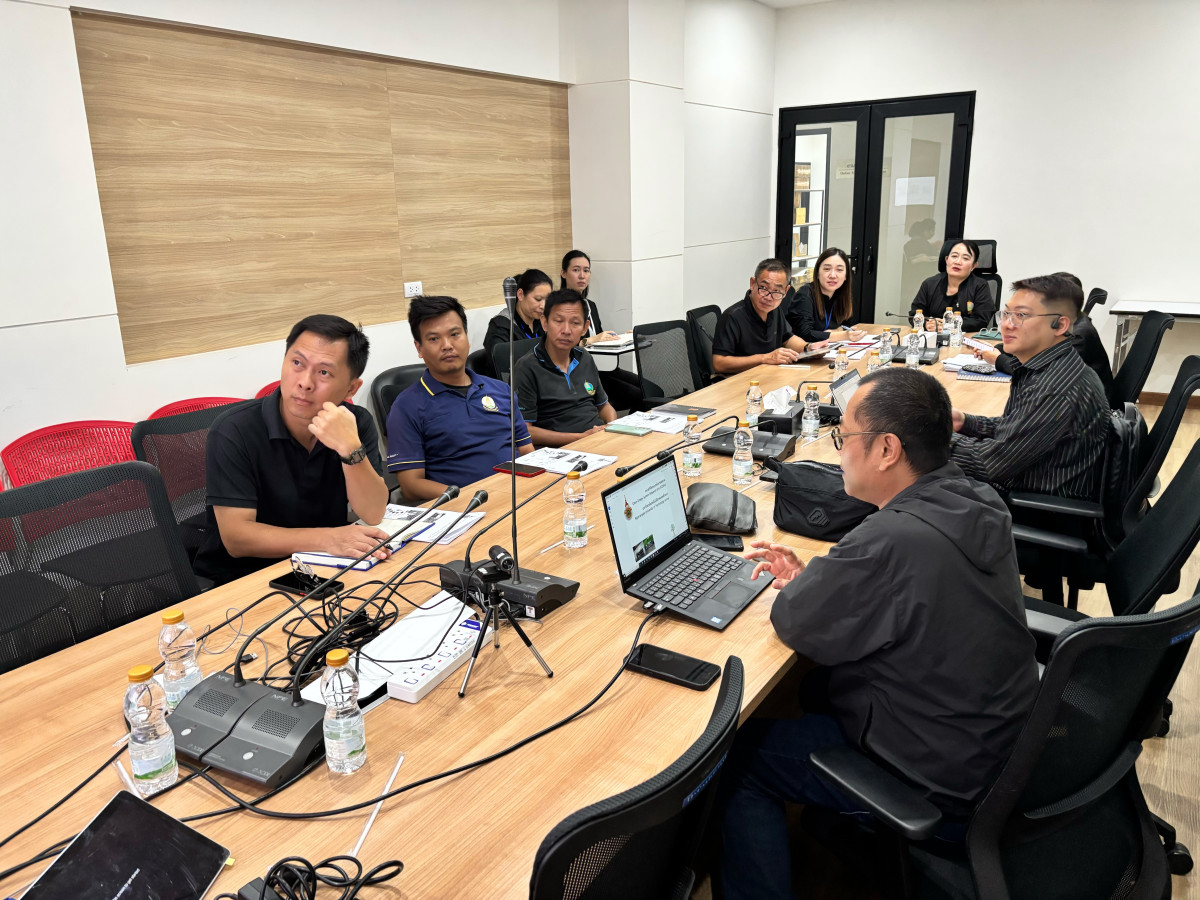
During December 1–2, 2025, RMUTL researchers participated in EGAT’s annual government relations and research networking meeting in Rayong Province.
The university was represented by researchers from its Clean Energy System Research Unit and Environmental Research Unit.
The meeting brought together EGAT representatives, universities, and research networks to exchange knowledge concerning energy management, technological development, place-based research, and future directions for Thailand’s energy sector.
RMUTL researchers also presented progress in their collaborative research on pollutant removal from diesel generators using microalgae-based biological treatment.
The activity strengthened professional relationships and provided opportunities to discuss future cooperation on energy and environmental research.
Such networks contribute to the development of shared technical knowledge and create opportunities for universities and energy organizations to coordinate research relevant to cleaner energy systems.
For RMUTL, participation reinforced its continued engagement with public-sector partners and supported the development of research capabilities relevant to a more environmentally responsible energy future.
8. Joint Energy and Environmental Assessments for Highland Communities
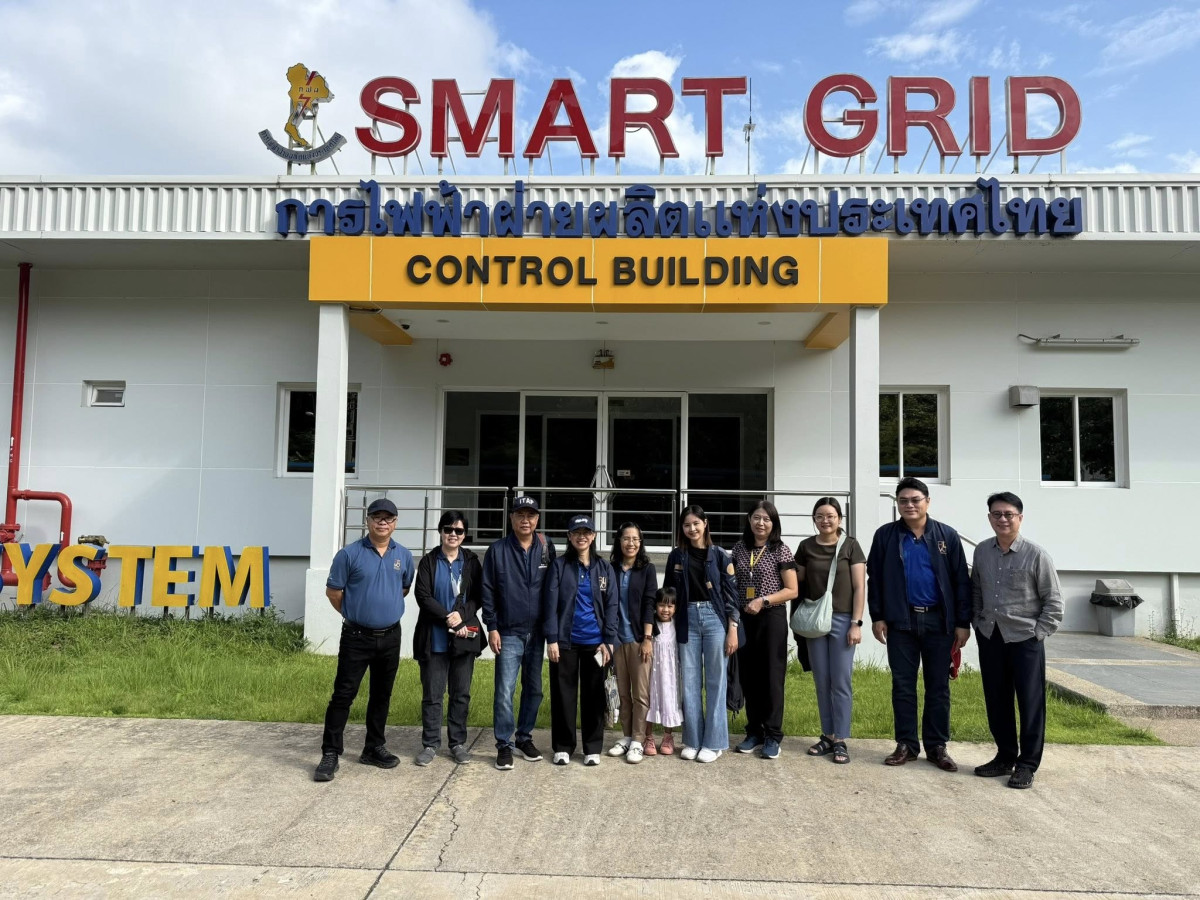
During January 20–22, 2026, RMUTL and EGAT conducted joint field activities at Wat Chan Hospital in Galyani Vadhana District, Chiang Mai Province, and at Royal Project Development Centers.
The university delegation included representatives from the Research and Development Institute, Clean Energy System Research Unit, Community Technology Transfer Institute, and Royal Initiative Project Working Group.
The EGAT delegation included personnel involved in energy management.
At Wat Chan Hospital, the teams examined local energy and environmental challenges and exchanged information with hospital administrators concerning operational conditions and community health issues.
The discussions focused particularly on biomass management, reducing open burning, and addressing air pollution associated with fine particulate matter.
The teams also visited Nong Hoi and Mae Sa Mai Royal Project Development Centers to gather information on energy consumption, resource management, and local development needs.
The joint assessments provided a foundation for considering more appropriate energy and environmental management approaches in highland communities.
By connecting research expertise with local conditions, RMUTL and EGAT strengthened opportunities to develop practical solutions that respond to community needs.
The fieldwork represents an important step in identifying technical requirements and potential research interventions. However, the public report does not establish that renewable energy installations or a 100% renewable electricity system were completed at the visited sites.
9. Connecting Institutional Partnerships with a Wider Renewable Energy Commitment
RMUTL’s activities during 2025 and early 2026 demonstrate continued progress in developing the knowledge, partnerships, and technical capabilities relevant to broader renewable energy adoption.
The university’s contributions can be understood through four interconnected areas.
Strategic Partnerships and Institutional Direction: The Green University initiative established in 2024 provides a foundation for continued cooperation with private-sector partners on solar energy, electric mobility, and sustainable infrastructure.
Research and Technological Development: Collaboration with EGAT supports research into energy technologies, environmental management, and improvements to existing electricity generation systems.
Public Education and Workforce Development: Solar photovoltaic training and professional competency programs extend renewable energy knowledge to external workers and educators, supporting wider technical capacity for clean energy adoption.
Community Energy Planning and Engagement: Community microgrid learning and joint field assessments provide information relevant to developing appropriate energy solutions for local communities and public institutions.
Together, these initiatives demonstrate RMUTL’s growing role in promoting the technical, educational, and collaborative foundations of a renewable energy transition.
They also provide opportunities for future public engagement in renewable energy commitments.
However, achieving the specific objective of a public pledge toward 100% renewable energy would require a formal commitment that explicitly identifies the intended renewable energy target, participating external organizations or communities, and the scope or timeframe of implementation.
The documented activities demonstrate progress toward such an objective, while the formal public pledge remains to be verified.
10. Summary of Activities and Impacts
| Activity / Event | Promoted Theme | Stakeholders / Participants | Timeframe / The Impact |
|---|---|---|---|
| Green Campus Development Consultation with EGAT | Energy conservation, renewable generation, and green campus planning | RMUTL administrators and EGAT | May 10, 2022 — Established early strategic cooperation; historical foundation |
| Carbon Neutral University Workshop | Carbon management, energy efficiency, and renewable energy awareness | RMUTL administrators, faculty, and external experts | August 20–21, 2024 — Strengthened institutional knowledge and awareness |
| Green University Memorandum of Understanding | Solar energy, electric mobility, and sustainable campus infrastructure | RMUTL and three private-sector partners | October 15, 2024 — Established a partnership framework supporting future cleaner energy development |
| Solar Photovoltaic Installation and Maintenance Training | Renewable energy skills and workforce development | RMUTL instructors, Chiang Mai Institute for Skill Development 19, and 20 external trainees | February 17–21, 2025 — Delivered 30 hours of practical solar energy training |
| EENET 2025 and Ban Khlong Ruea Community Microgrid Visit | Decentralized electricity systems and community energy learning | RMUTL researchers and electrical engineering networks | May 27–30, 2025 — Supported knowledge exchange on community-scale energy systems |
| EGAT Visit to RMUTL Clean Energy Research Facilities | Clean energy research, environmental technologies, and academic cooperation | RMUTL Clean Energy System Research Unit and EGAT Research and Innovation Division | July 15, 2025 — Strengthened research consultation and future cooperation opportunities |
| Renewable Energy Professional Competency Training | Renewable energy workforce and educator development | RMUTL, Office of the Vocational Education Commission, and 40 trainees | July 15–17, 2025 — Supported professional competency development and assessment |
| Mae Hong Son Diesel Power Plant Technical Study | Cleaner energy research and pollutant treatment technologies | Three RMUTL research units and EGAT-related energy personnel | October 13–14, 2025 — Supported technical investigation and identification of environmental research opportunities |
| Joint Research Planning with the Royal Project Foundation and EGAT | Integrated research and community-oriented technology development | RMUTL, Royal Project Foundation, and EGAT | October 27, 2025 — Established directions for developing integrated research proposals |
| EGAT Annual Research Networking Meeting | National energy research collaboration and environmental innovation | RMUTL researchers, EGAT, and research networks | December 1–2, 2025 — Shared research progress and strengthened national cooperation |
| Energy and Environmental Assessment at Wat Chan Hospital and Royal Project Centers | Community energy assessment, biomass management, and environmental improvement | RMUTL, EGAT, hospital personnel, and Royal Project Development Centers | January 20–22, 2026 — Identified local energy and environmental challenges for future technical planning |
11. Overall Institutional Contributions and Impact
Between 2022 and 2024, RMUTL established strategic foundations for renewable energy development through its Green Campus planning, carbon neutrality awareness activities, and Green University partnership.
During 2025 and early 2026, the university continued this direction through practical cooperation with EGAT, renewable energy training, applied research, and field-based energy assessments.
The documented activities expanded collaboration beyond the university by involving national energy organizations, private-sector partners, vocational education networks, occupational groups, and local communities.
The university also strengthened its capacity to contribute to energy-related research and knowledge transfer, including solar photovoltaic technology, decentralized electricity systems, environmental management, and community energy planning.
The most significant documented contributions include renewable energy training for external learners, the development of national research partnerships, technical investigations of energy systems, and joint assessments of community energy needs.
These activities create opportunities for wider renewable energy adoption and more coordinated clean energy development.
While RMUTL continues to advance its vision of a cleaner energy future, the available evidence does not yet establish a formal public pledge to achieve 100% renewable energy beyond the university.
The university’s continued collaboration with government agencies, industry, and communities provides a foundation for developing such a commitment and supporting future renewable energy initiatives.
Sources
- RMUTL Progresses Toward a 100% Renewable Energy Commitment through Partnerships and Policy Initiatives — Historical Activities (2022–2024)
https://sdgs.rmutl.ac.th/7/7-4-2progresses100-renewable/ - Solar Photovoltaic Installation and Maintenance Training — February 17–21, 2025
https://www.rmutl.ac.th/news/28186-2025-02-14-21 - EENET 2025 and Ban Khlong Ruea Community Microgrid Study — May 27–30, 2025
https://www.rmutl.ac.th/news/29015 - RMUTL Welcomes EGAT Representatives for Clean Energy Research Cooperation — July 15, 2025
https://www.rmutl.ac.th/news/29512 - Renewable Energy Professional Competency Training — July 15–17, 2025
https://www.rmutl.ac.th/news/29488 - RMUTL Research Units Study Environmental Technologies at Mae Hong Son Diesel Power Plant — October 13–14, 2025
https://engineering.rmutl.ac.th/news/30510 - RMUTL, Royal Project Foundation, and EGAT Develop Integrated Research Cooperation — October 27, 2025
https://www.rmutl.ac.th/news/30631 - RMUTL Researchers Strengthen Energy and Environmental Research Networks with EGAT — December 1–2, 2025
https://www.rmutl.ac.th/news/31007 - RMUTL and EGAT Conduct Energy and Environmental Field Assessments at Wat Chan Hospital and Royal Project Areas — January 20–22, 2026
https://www.rmutl.ac.th/news/31534-23169