SDG 17
Partnerships for the Goals
Rajamangala University of Technology Lanna (RMUTL) | Sustainability Report 2025
SDG17 Highlights 2025
Rajamangala University of Technology Lanna (RMUTL) is firmly committed to advancing SDG 17: Partnerships for the Goals by fostering meaningful collaboration among government agencies, higher education institutions, private organizations, non-governmental organizations, and local communities. Guided by its vision of becoming a leading university of technology and innovation for sustainable communities, RMUTL recognizes that achieving sustainable development requires collective efforts, knowledge sharing, and strong partnerships at local, national, and international levels. Through collaborative research, academic services, policy engagement, and community-based initiatives, the University actively contributes to addressing environmental, social, and economic challenges while supporting the United Nations 2030 Agenda for Sustainable Development.
In 2025, RMUTL continued to strengthen its partnerships through various initiatives, including sustainable water resource management, environmental conservation, community resilience, international academic cooperation, and sustainability education. These efforts demonstrate the University’s dedication to transforming academic knowledge and technological innovation into practical solutions that benefit society. RMUTL also emphasizes transparent SDG reporting, institutional accountability, and the integration of sustainability into education and outreach activities. The following sections highlight the University’s contributions to Relationships to Support the Goals (17.2), Publication of SDG Reports (17.3), and Education for the SDGs (17.4), reflecting its ongoing commitment to building inclusive, impactful, and long-term partnerships for a sustainable future.
Relationships with Regional NGOs and Government for SDG Policy
RMUTL is committed to strengthening partnerships with government agencies and NGOs to support SDG-related policies and sustainable regional development. The University has undertaken various collaborative initiatives, including;
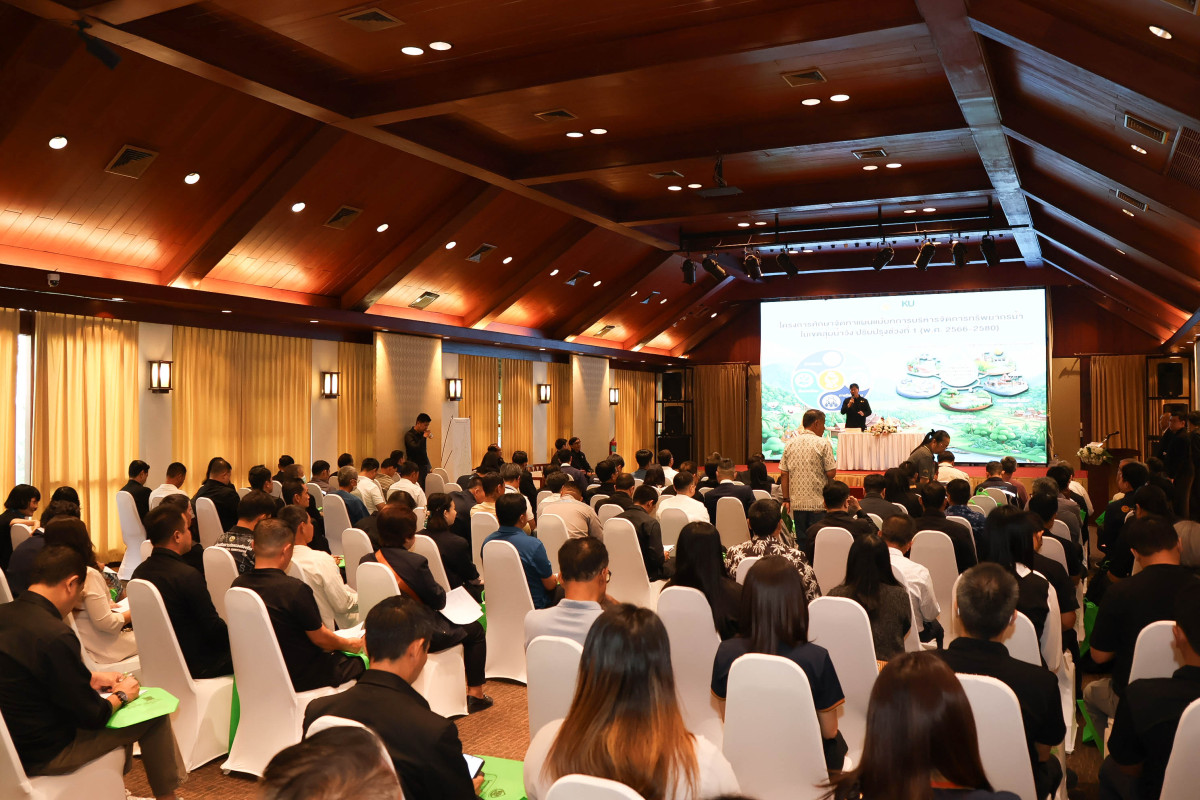
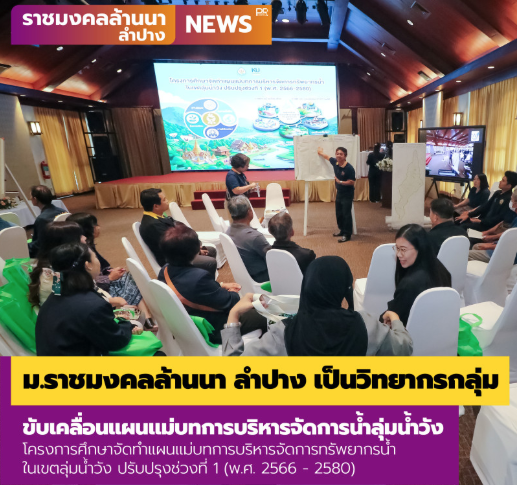
On 25 March 2026, Rajamangala University of Technology Lanna (RMUTL), Lampang Campus, collaborated with the Office of the National Water Resources (ONWR), Region 1, and Kasetsart University to organize a stakeholder consultation meeting for the revision of the Wang River Basin Water Resources Management Master Plan (2023–2037). Held in Lampang Province, the meeting brought together approximately 120 participants from government agencies, academic institutions, local organizations, and communities to discuss regional water management challenges.
RMUTL faculty members and researchers facilitated discussions to identify key issues, gather community perspectives, and develop recommendations for sustainable water resource management. The findings will contribute to the revision of the long-term master plan, reflecting RMUTL’s commitment to SDG 17 through collaborative policymaking, knowledge exchange, and multi-stakeholder engagement for sustainable regional development.
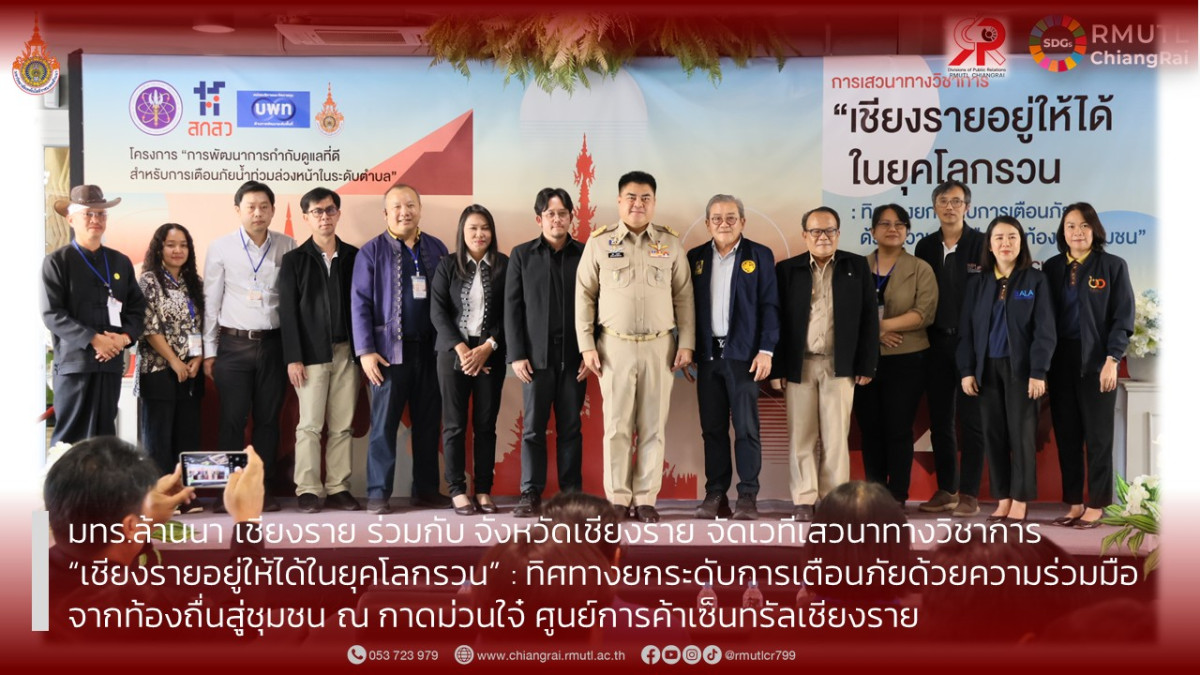
On 25 December 2025, Rajamangala University of Technology Lanna (RMUTL), Chiang Rai Campus, collaborated with the Chiang Rai Provincial Government to organize an academic forum entitled “Living with Climate Change in Chiang Rai: Strengthening Early Warning Systems through Local and Community Partnerships” at Central Chiang Rai. Presided over by Mr. Chuchip Pongchai, Governor of Chiang Rai, the forum brought together government agencies, water resource authorities, local administrative organizations, academic institutions, and community representatives to discuss climate change adaptation and flood disaster preparedness.
The forum provided a platform for cross-sectoral dialogue and collaborative policy development, connecting provincial policies with local implementation strategies and community needs. Participants exchanged experiences, identified challenges, and developed recommendations to strengthen subdistrict-level flood early warning systems. This initiative demonstrates RMUTL’s commitment to SDG 17.2 by promoting cooperation between government agencies, academic institutions, and local communities to support evidence-based policymaking, disaster resilience, and sustainable regional development.
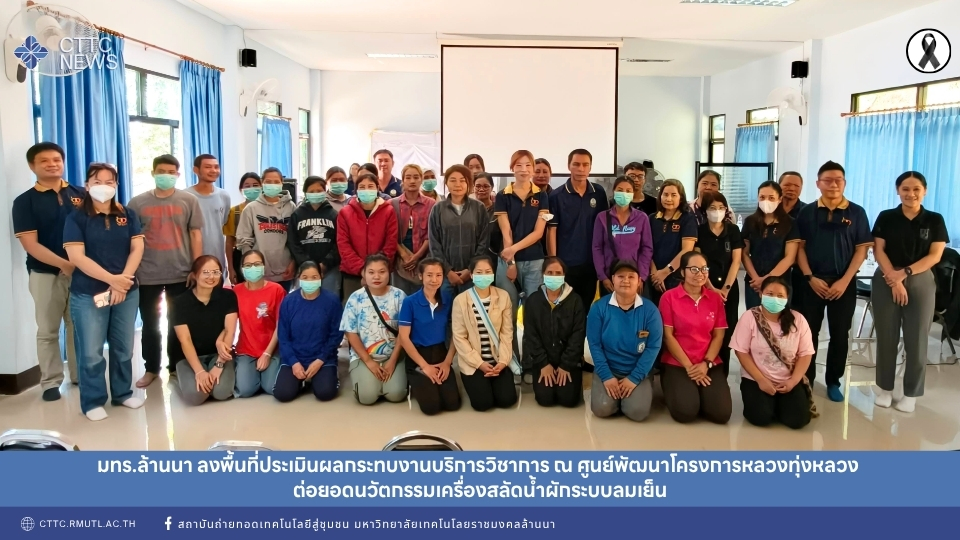
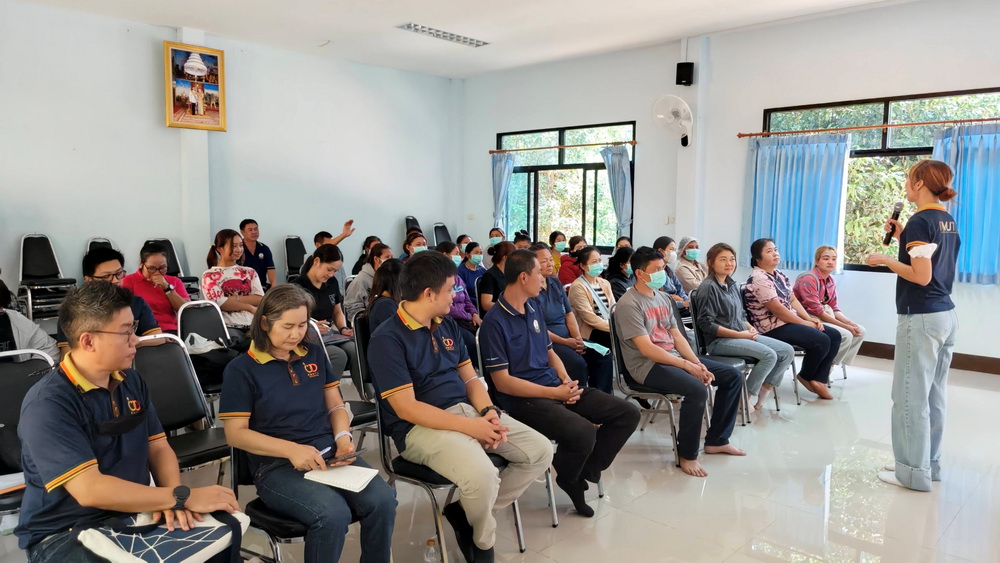
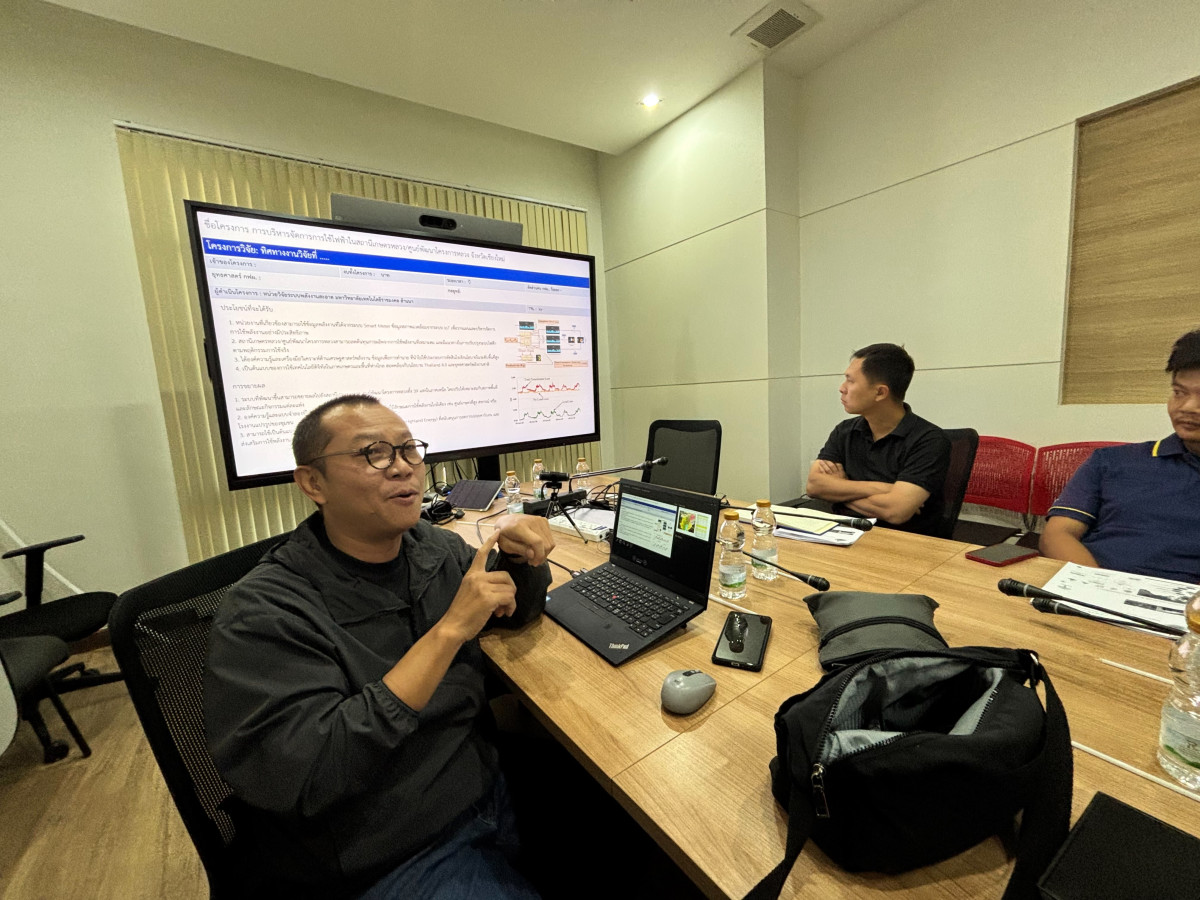
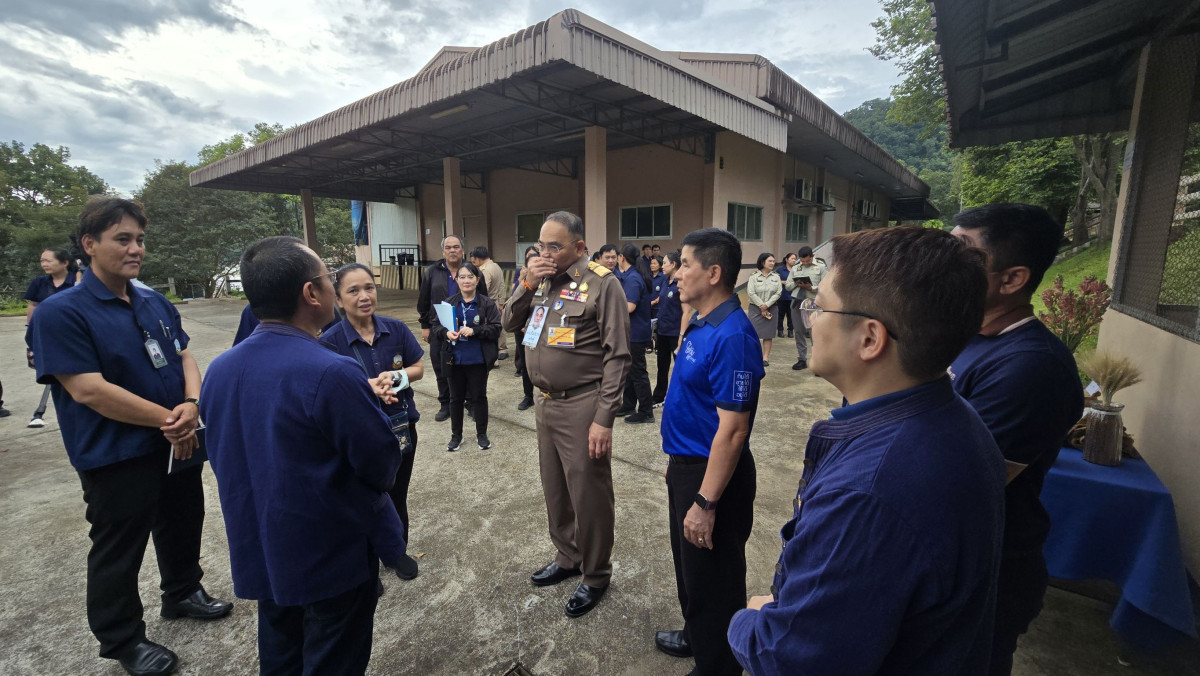
On 30 March 2026, Rajamangala University of Technology Lanna (RMUTL), through the Community Technology Transfer Institute, conducted an impact assessment at the Thung Luang Royal Project Development Center, Mae Wang District, Chiang Mai Province. The university team collected questionnaires and interviews from local stakeholders to assess the economic, social, and environmental impacts of RMUTL’s academic service activities using the Impact Pathway approach, supporting evidence-based improvement and sustainable community development.
The visit also provided a platform for cross-sectoral dialogue and knowledge exchange between the university and the Royal Project Development Center on the application of RMUTL’s cold-air vegetable dewatering technology. Center staff shared practical information on post-harvest management, including produce collection, chemical residue inspection, quality sorting, packaging, and the use of the university-developed technology to reduce moisture, minimize product damage, and extend the shelf life of vegetables. RMUTL researchers and Center staff also exchanged feedback on the current system to identify opportunities for further technological improvement based on actual operational needs.
Through this stakeholder dialogue, knowledge exchange, and joint review of practical outcomes, RMUTL connects university research and innovation with the needs of agricultural development partners and highland communities.
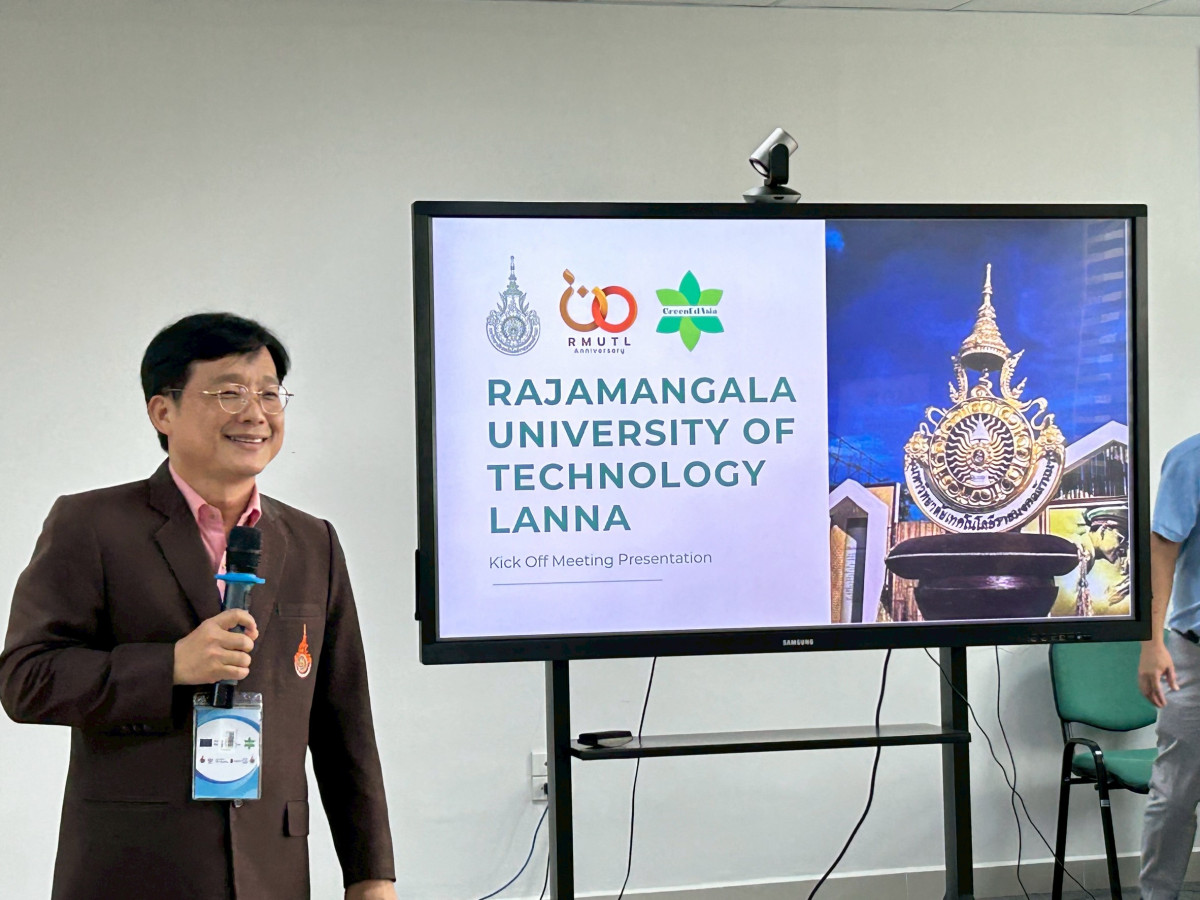
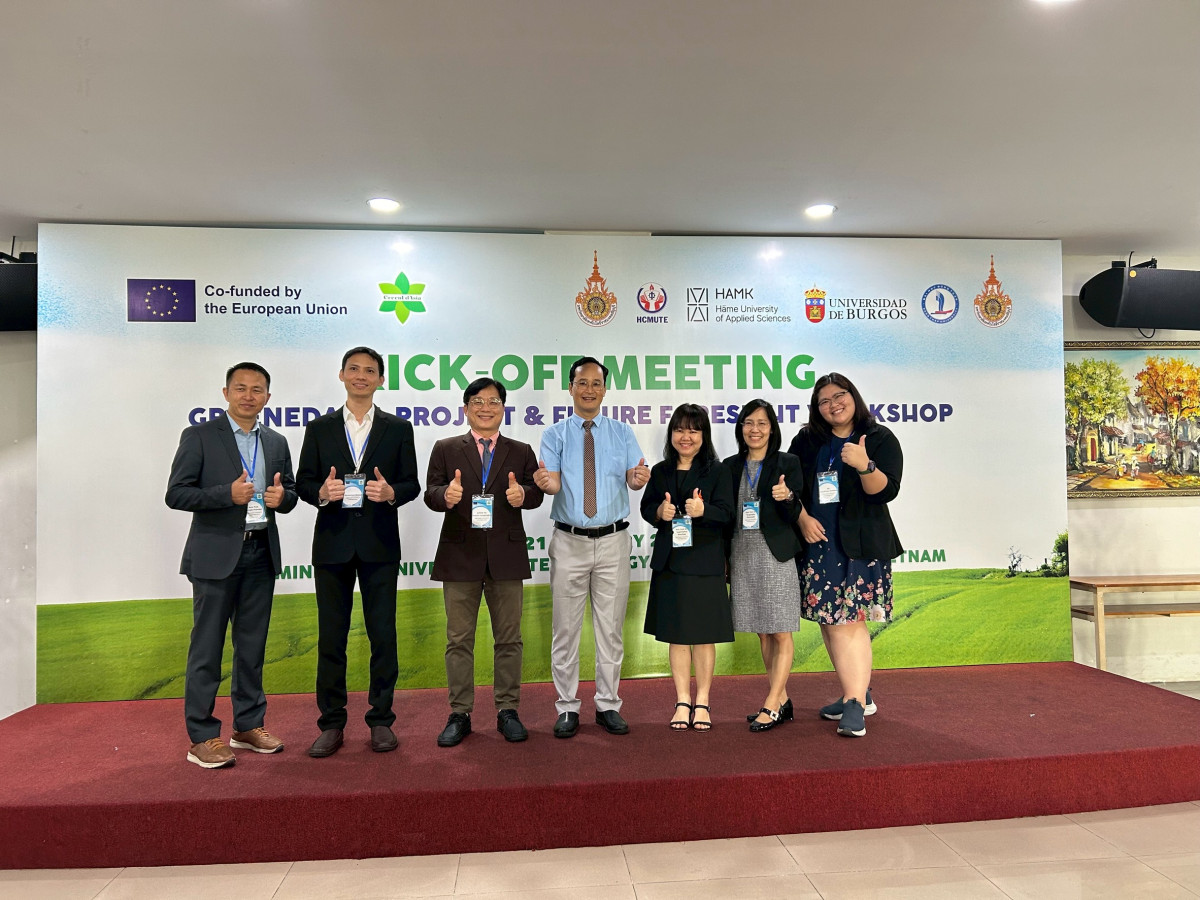
From 17–21 February 2025, Rajamangala University of Technology Lanna (RMUTL) joined international university partners in the launch of the “Learning for Sustainable Future – Higher Education for Green Transition in Southeast Asia” (GreenEdAsia) project at Ho Chi Minh City University of Technology and Education (HCMUTE), Vietnam. Funded by the European Union under the ERASMUS+ Program with a total budget of €800,000, GreenEdAsia brings together universities from Thailand, Vietnam, Finland, and Spain to advance sustainable development and the green transition in Southeast Asian higher education.
The international partnership includes HCMUTE, Dong Thap University, Häme University of Applied Sciences (HAMK), the University of Burgos (UBU), Rajamangala University of Technology Thanyaburi (RMUTT), and RMUTL. Through this international network, participating universities collaborate to exchange institutional information, sustainability-related knowledge and academic practices that can support the development and evaluation of green education initiatives. The collaboration provides an international framework for participating institutions to share evidence and information relevant to sustainability and the United Nations Sustainable Development Goals (SDGs).
Running until October 2027, GreenEdAsia focuses on integrating green and environmentally friendly elements into academic programs, strengthening international academic cooperation, and supporting the development of a more sustainable higher education system in Southeast Asia.
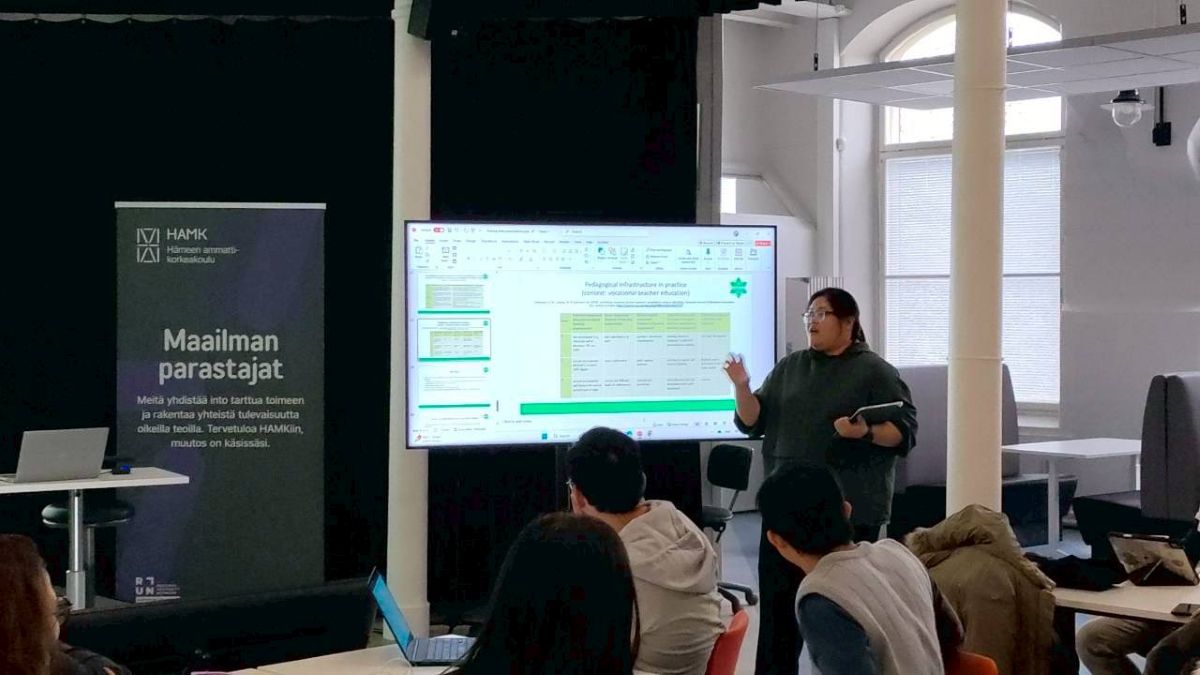
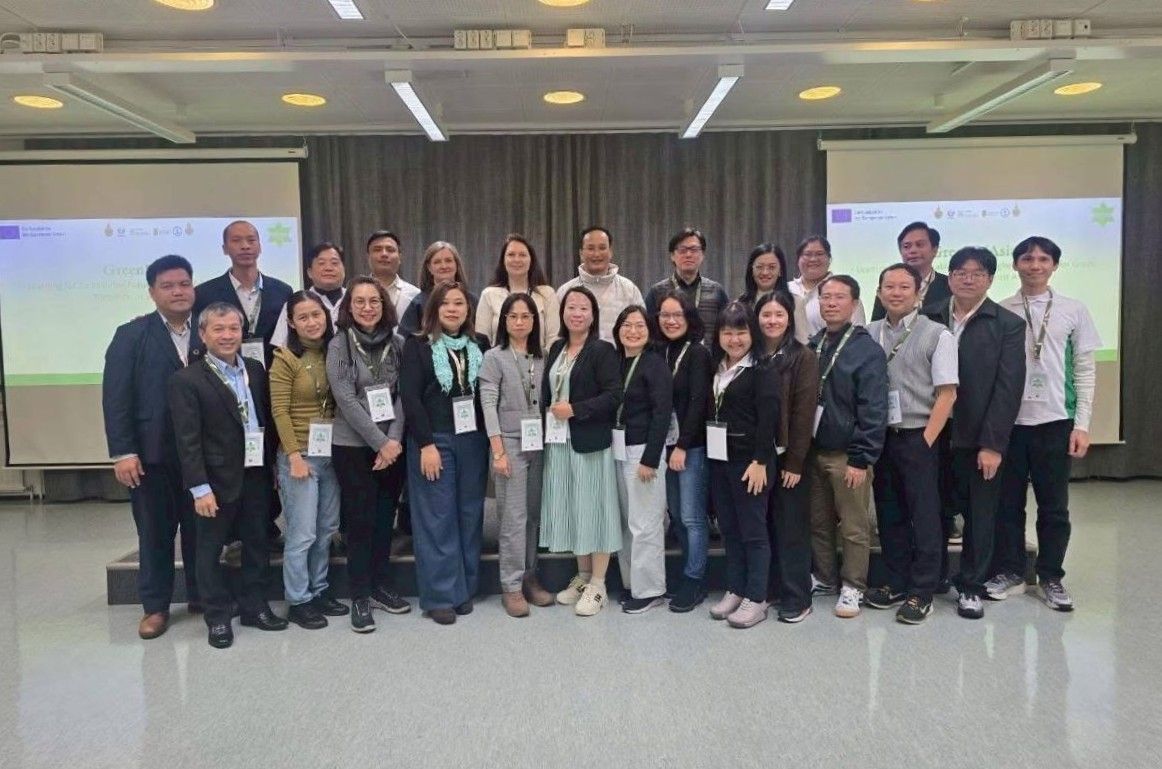
From 6–10 October 2025, Rajamangala University of Technology Lanna (RMUTL) participated in the GreenEdAsia Teacher Training Week under the Erasmus+ project “Learning for Sustainable Future: Higher Education for Green Transition in Southeast Asia” at Häme University of Applied Sciences (HAMK), Finland. The program brought together academic staff from partner universities in Thailand, Vietnam, and Finland to exchange knowledge, compare innovative teaching approaches, and explore international best practices in sustainability education, including Problem-Based Learning, Transdisciplinary Learning, Design-Based Learning, Circular Economy, and smart technologies.
Through interactive workshops and collaborative learning activities, participants shared educational experiences, developed prototype learning activities, and jointly planned future project implementation. This initiative demonstrates RMUTL’s commitment to SDG 17 by strengthening international academic partnerships, promoting cross-border knowledge exchange, and developing collaborative educational practices that support sustainability and the green transition in higher education.
Collaborating with NGOs to Advance the SDGs through Student Volunteering, Research, and Educational Resource Development
RMUTL actively collaborates with non-governmental organizations (NGOs) to advance the SDGs through student volunteering, joint research, and educational resource development, fostering community engagement, knowledge sharing, and sustainable development. Here are some activities regarding this topic.
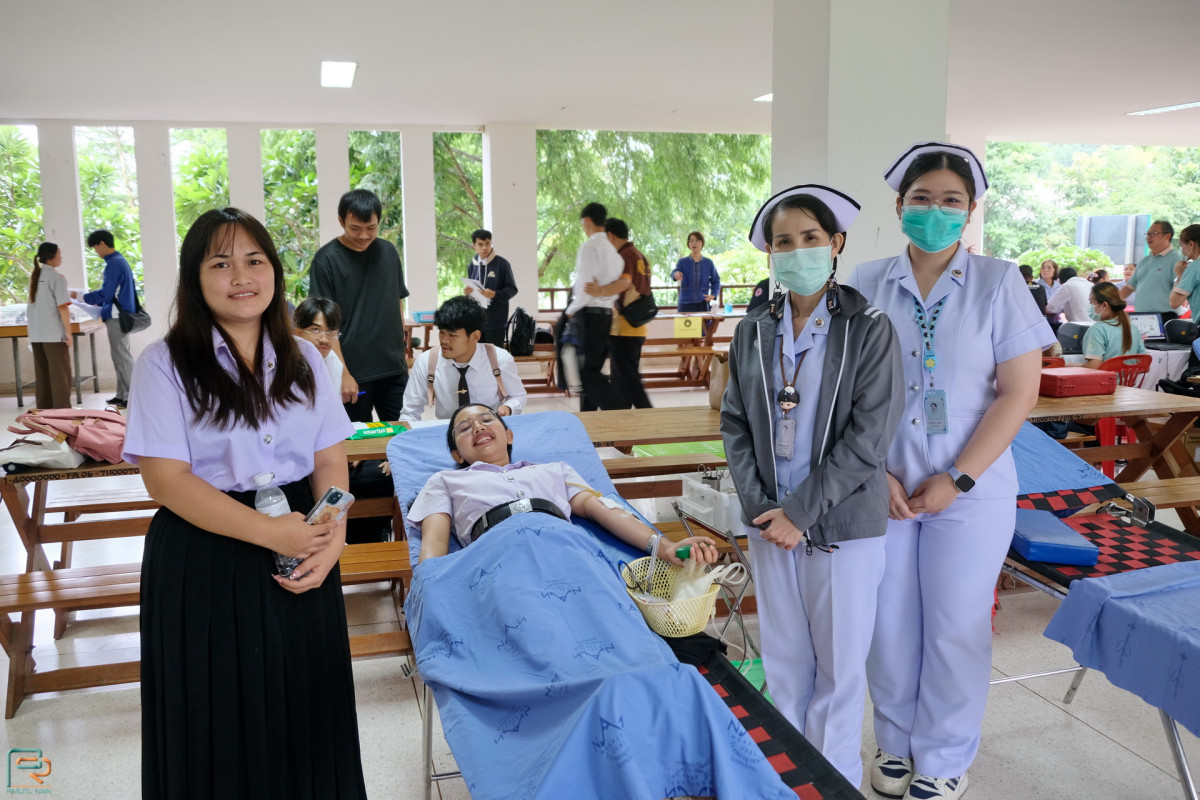
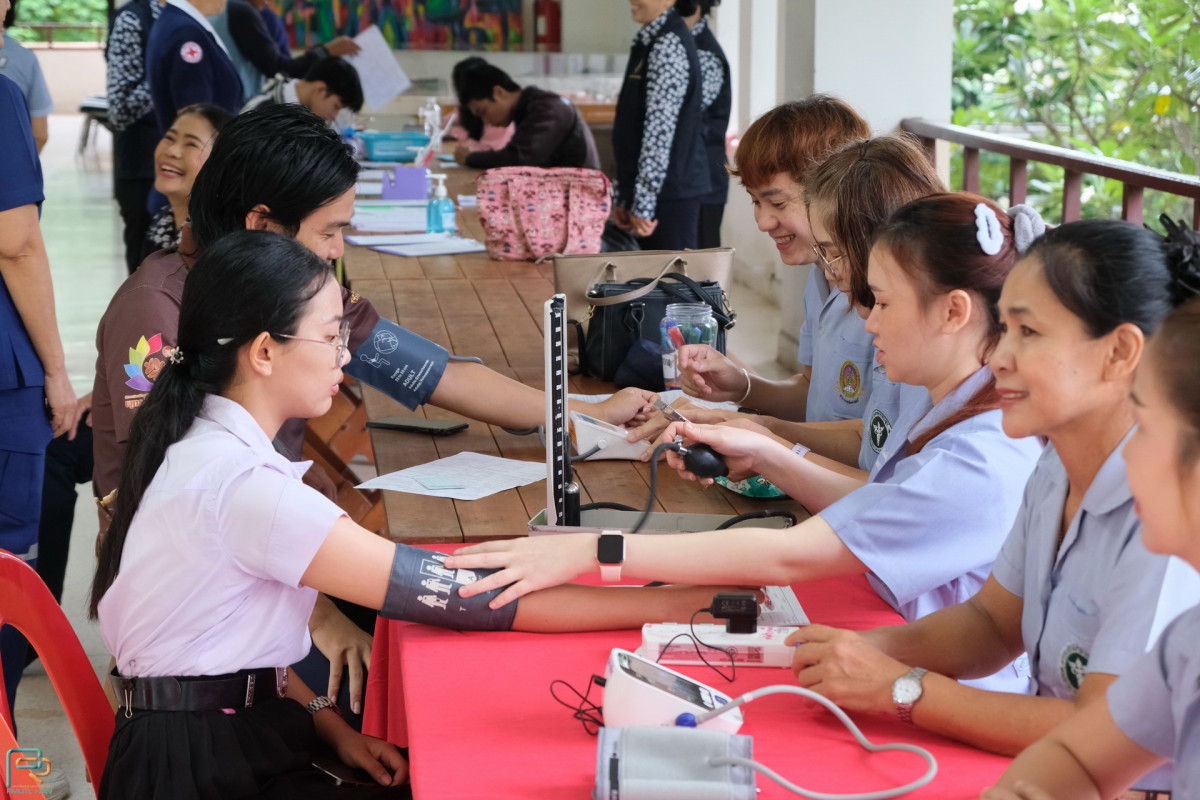
On 17 July 2025, Rajamangala University of Technology Lanna (RMUTL), Nan Campus, collaborated with the Nan Provincial Red Cross Chapter, the National Blood Service branch, and Nan Hospital to organize a community blood donation campaign. The activity engaged students, faculty, staff, and local residents in humanitarian volunteering, with 83 participants contributing a total of 29,050 milliliters of blood. Additionally, seven individuals registered as prospective eye donors and seven as prospective organ donors.
Through this collaboration, RMUTL promotes student volunteering and community engagement while supporting essential healthcare services. The initiative strengthens partnerships with humanitarian organizations, encourages social responsibility among students, and contributes to the well-being of local communities.
On 22 August 2025, Rajamangala University of Technology Lanna (RMUTL) collaborated with the Royal Project Foundation to deliver a research-based bicolor sweet corn trimming machine at Pang Da Royal Agricultural Station, Chiang Mai. Developed by RMUTL researchers, the innovation aims to improve agricultural productivity, reduce labor requirements, and support sustainable livelihoods through technology transfer and practical training.
Building on this partnership, RMUTL, the Royal Project Foundation, and the Electricity Generating Authority of Thailand (EGAT) held a strategic meeting on 27 October 2025 to explore joint research opportunities addressing highland community needs. These initiatives strengthen collaborative research between the university and nonprofit development organizations, integrating academic expertise, technological innovation, and community-based solutions for sustainable development.
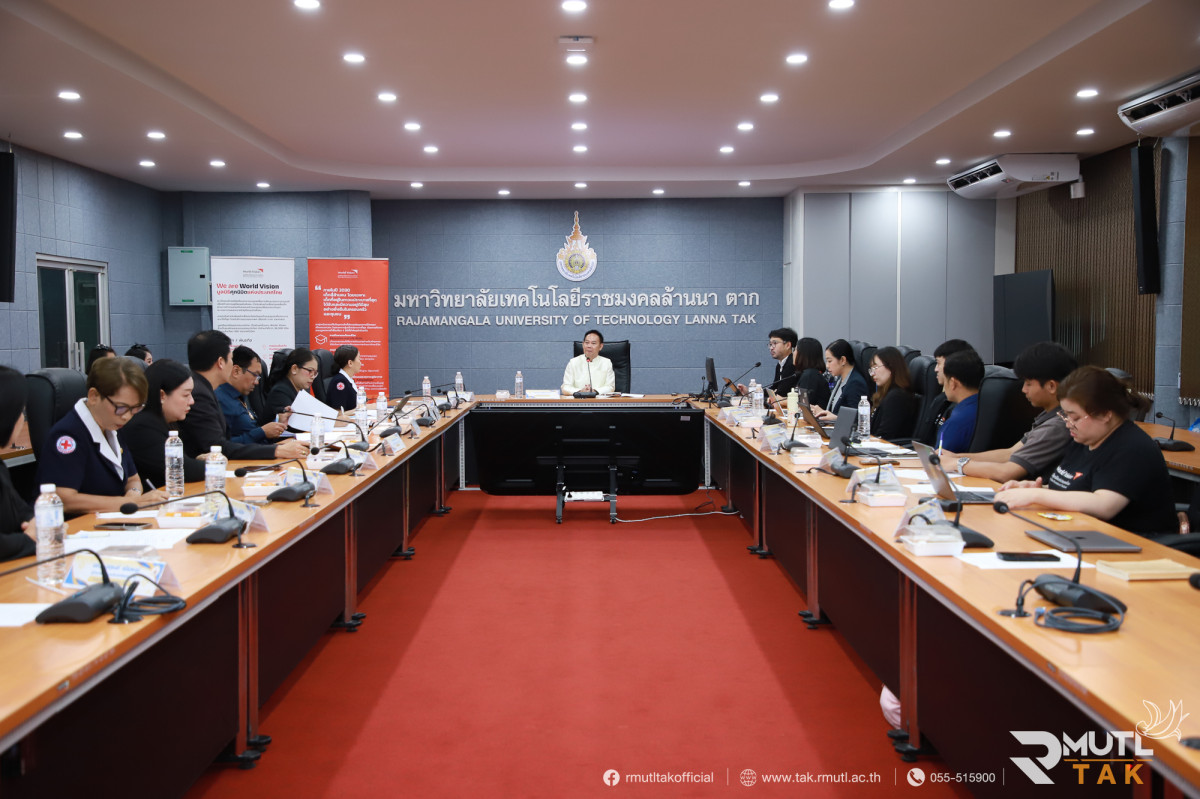
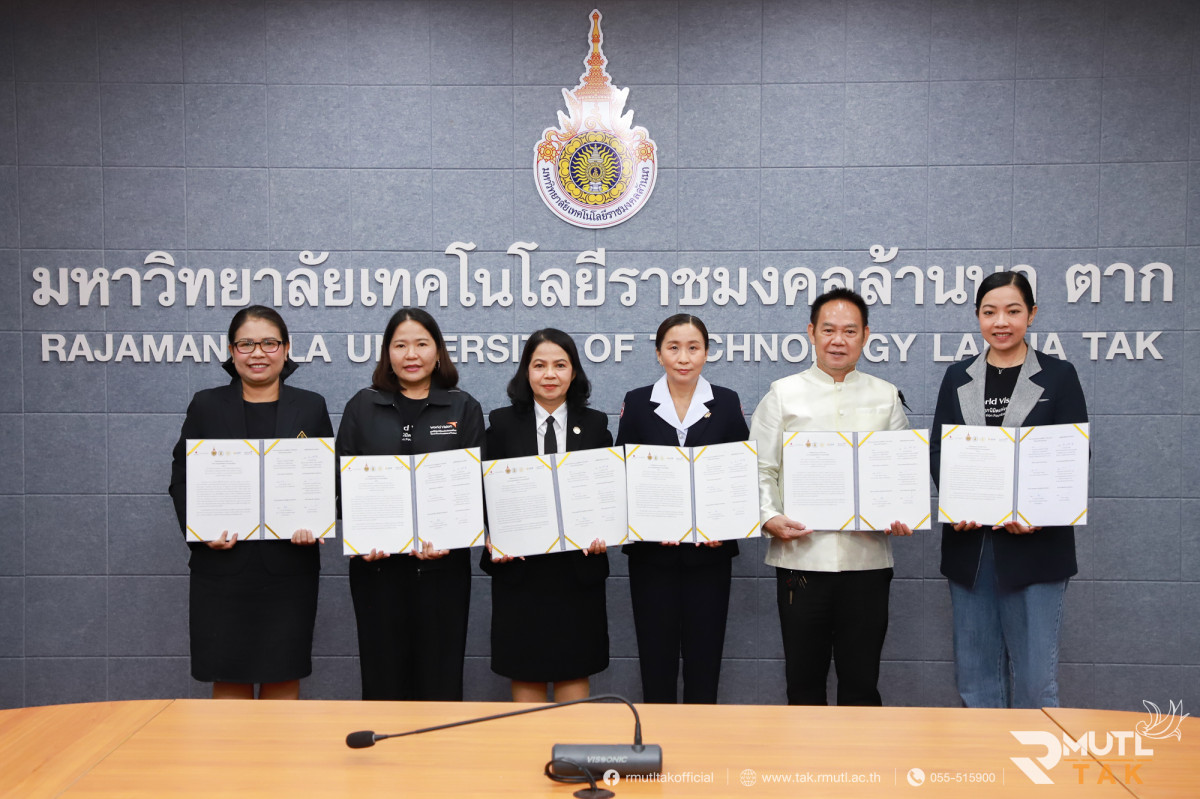
On 6 November 2025, Rajamangala University of Technology Lanna (RMUTL), Tak Campus, joined six partner organizations, including the World Vision Foundation of Thailand, to sign a Memorandum of Understanding supporting literacy education for vulnerable children in Tak Province. The collaboration aims to address educational inequality by strengthening foundational reading and writing skills, supporting specialized literacy tutors, and improving access to quality education.
Through this partnership, RMUTL contributes to the development of educational knowledge, teaching resources, and teacher capacity, enabling educators to deliver more effective learning activities tailored to local needs. The initiative promotes collaboration between academic institutions, government agencies, and nonprofit organizations to expand inclusive learning opportunities for disadvantaged children and communities.
Education for the SDGs
Rajamangala University of Technology Lanna (RMUTL) is committed to promoting education for sustainable development through curriculum integration, specialized academic programs, community outreach, and practical learning experiences. The University has implemented various initiatives to enhance sustainability knowledge and skills among students and local communities, ensuring that education contributes to long-term social, economic, and environmental well-being. The following activities highlight RMUTL’s continued efforts to advance meaningful sustainability education both within and beyond the university.
Commitment to Meaningful Education for the SDGs
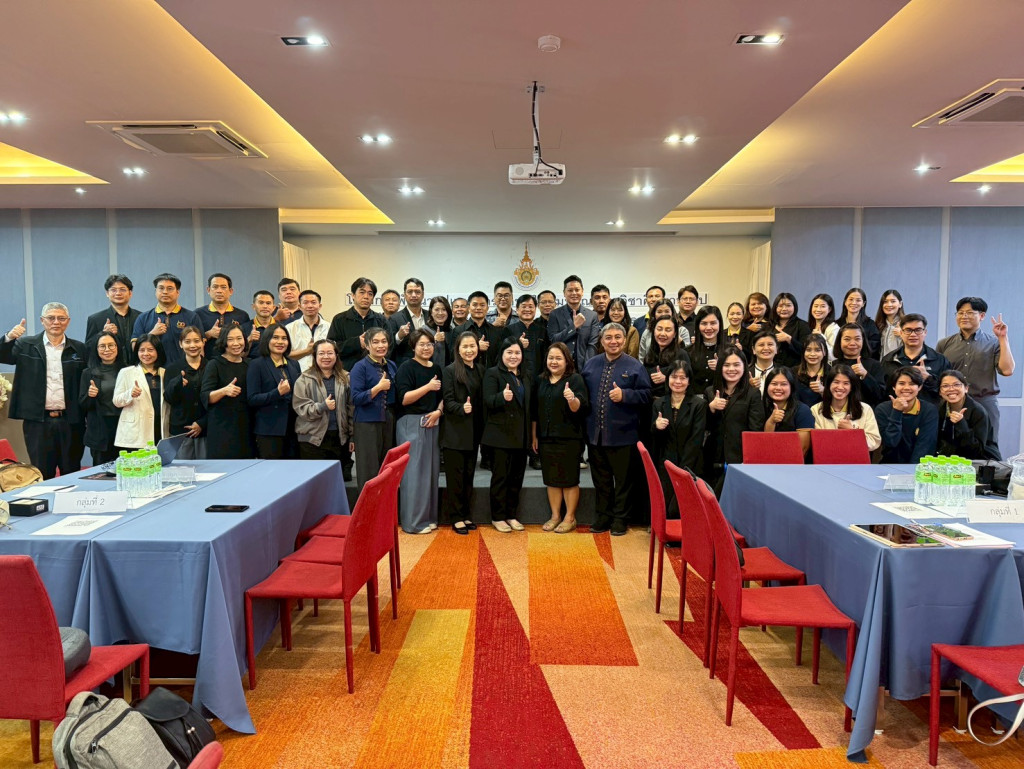
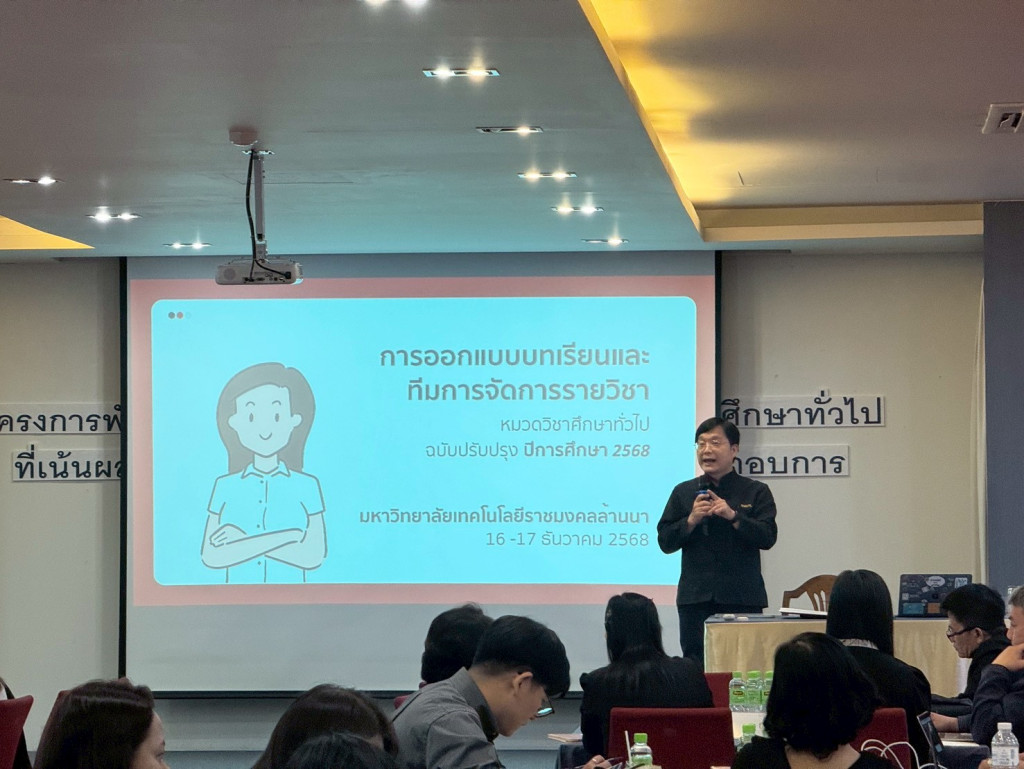
Throughout 2025, RMUTL strengthened sustainability education across its six campuses through curriculum development, compulsory general education, and optional student activities. In May 2025, the University organized a General Education Curriculum Development Workshop to promote interdisciplinary learning and integrate sustainability-related knowledge across academic programs. Its 24-credit general education framework provides undergraduate students with a common foundation in responsible citizenship, critical thinking, and social development.
Beyond formal coursework, RMUTL encourages voluntary participation in sustainability-focused learning activities, including the Startup Launchpad Hackathon 2025, which incorporated an “SDGs in Action” component. These initiatives demonstrate the University’s commitment to providing meaningful sustainability education through curriculum-wide integration, mandatory core learning, and optional extracurricular opportunities.
Specific Courses on Sustainability
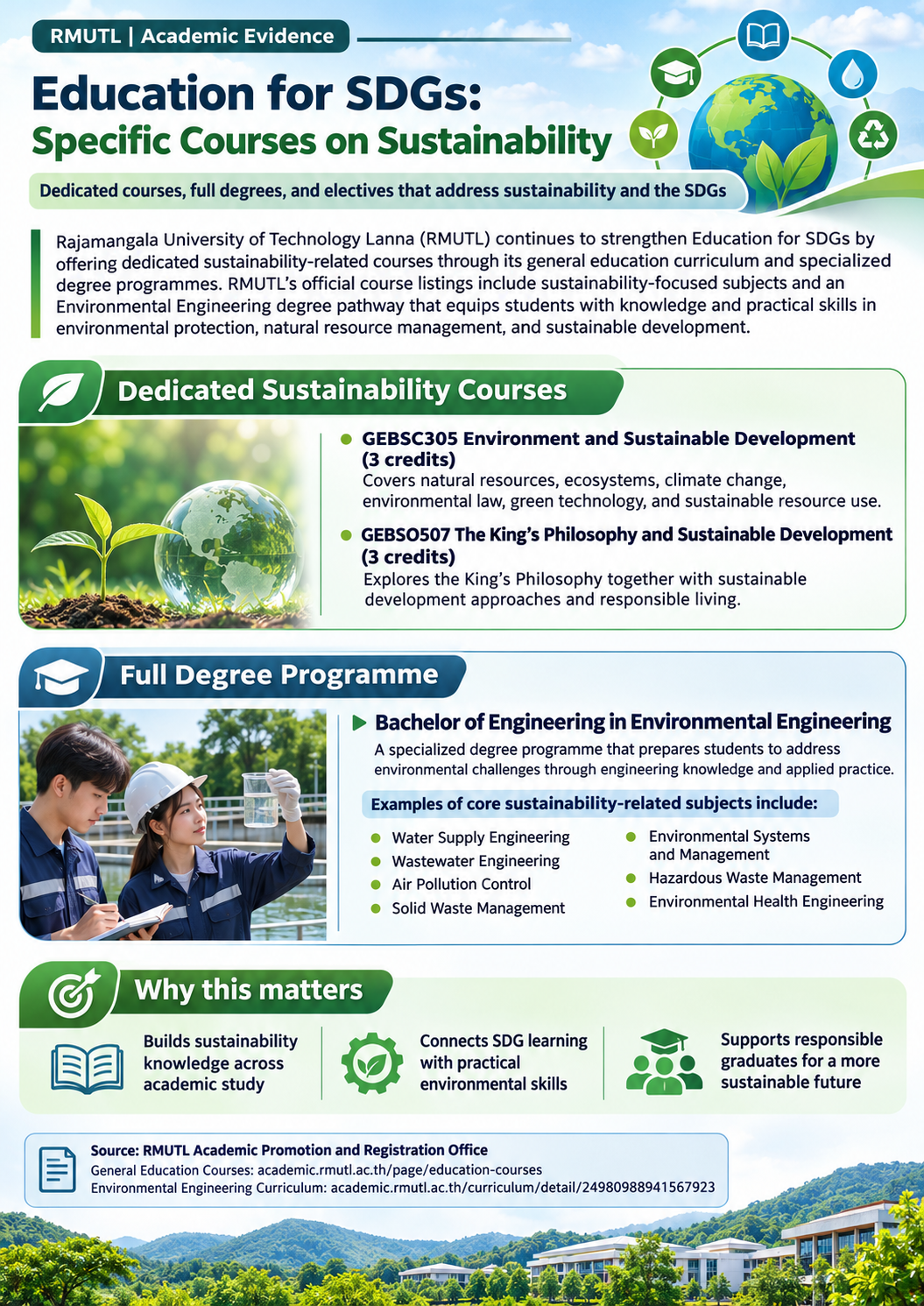
RMUTL offers dedicated academic courses and degree programs that address sustainability and environmental challenges. These include GEBSC305 – Environment and Sustainable Development and GEBSO507 – The King’s Philosophy and Sustainable Development, both three-credit general education courses focusing on environmental responsibility, sustainable resource management, and community development.
The University also provides a Bachelor of Engineering in Environmental Engineering, covering wastewater treatment, air pollution control, solid waste management, and environmental impact assessment. Through these specialized courses and programs, RMUTL equips students with theoretical knowledge and practical competencies to address sustainability challenges in their professional fields.
Education for the SDGs in the Wider Community
RMUTL extends sustainability education beyond university campuses through community-based learning, knowledge transfer, and academic outreach. These initiatives provide local residents with practical knowledge and technologies to improve livelihoods, strengthen environmental responsibility, and promote sustainable community development.
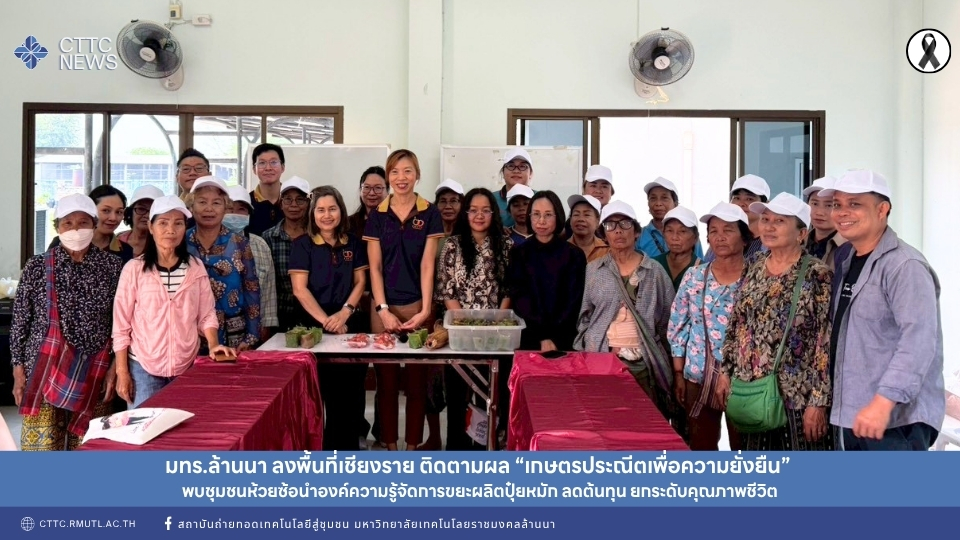
On 25 March 2026, RMUTL’s Community Technology Transfer Institute conducted a follow-up field visit in Chiang Rai Province to assess the impact of academic services supporting highland and Royal Initiative communities. The activity focused on sustainable agriculture and the application of university knowledge to improve local livelihoods and resource management.
The assessment highlighted how community members applied agricultural knowledge to vegetable cultivation, household income generation, and organic waste composting. Through these outreach activities, RMUTL promotes practical sustainability education, enabling local residents to develop self-reliance, reduce agricultural waste, and adopt environmentally responsible practices.
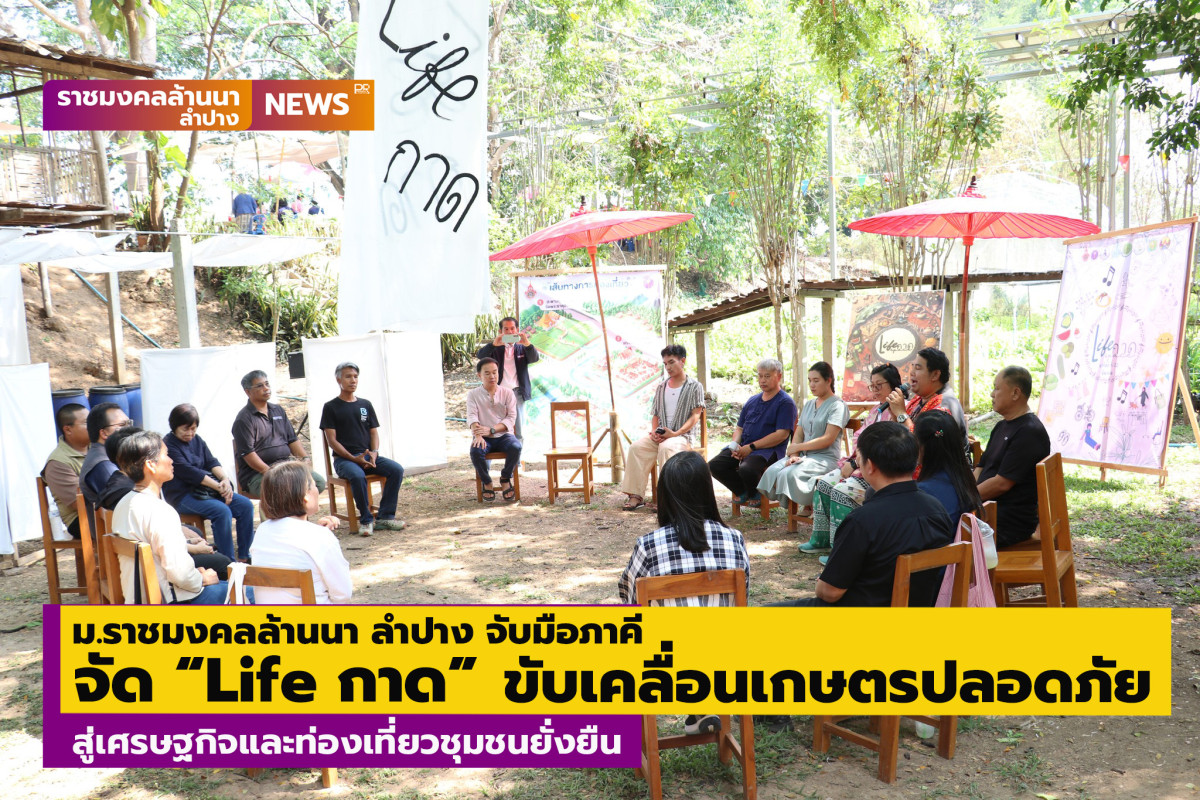
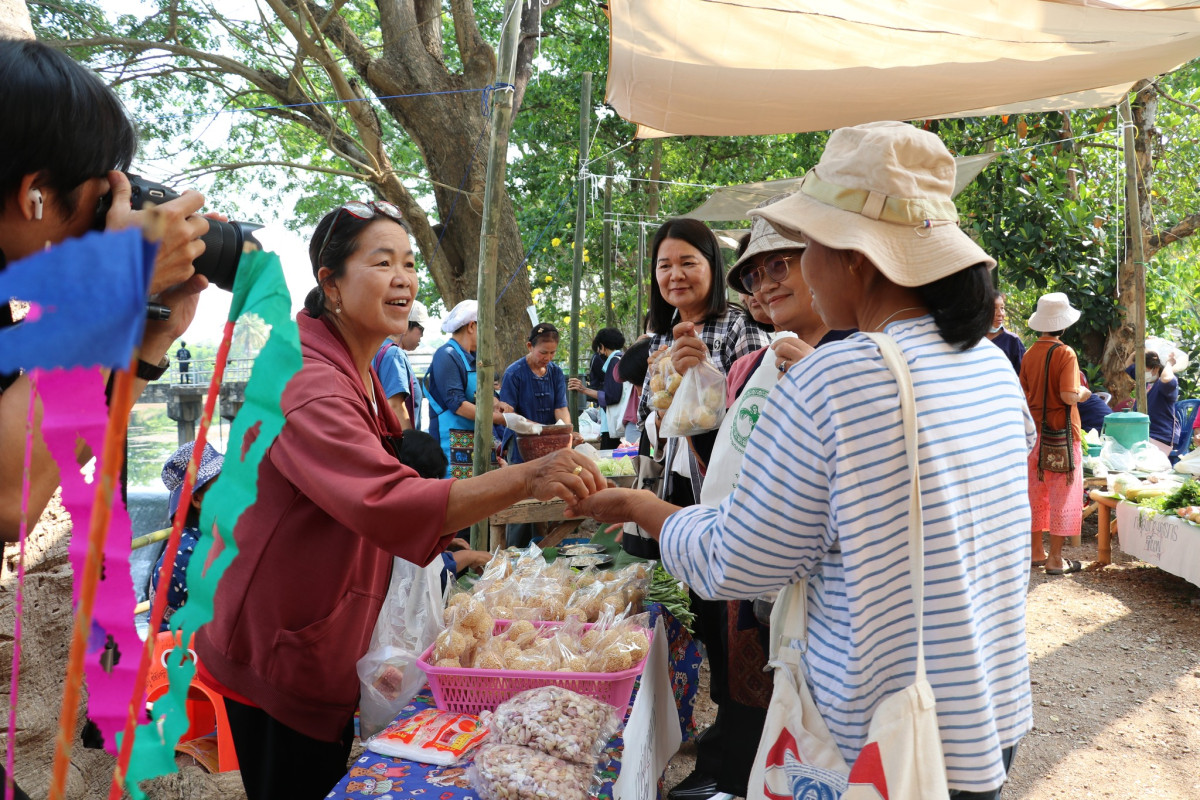
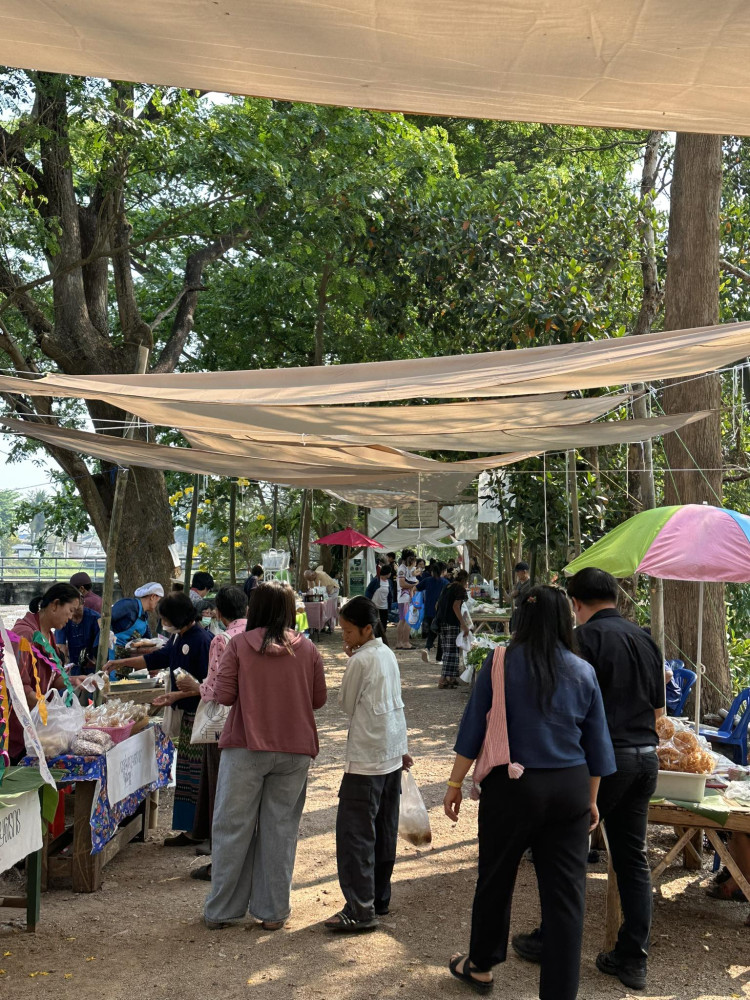
On 22 March 2026, RMUTL Lampang, in collaboration with the Lampang Farmers Rehabilitation and Development Fund and partner organizations, organized the “Market of Life, Market of Learning (Life Kad)” green market in Mae Tha District, Lampang Province. The initiative created a community-based learning platform connecting sustainable agriculture, local products, traditional knowledge, and environmental awareness.
Conducted under a research project supporting the Bio-Circular-Green (BCG) Economy Model, the activity encouraged knowledge exchange among local residents, farmers, researchers, and community organizations. Through educational discussions and practical demonstrations, RMUTL supported local communities in applying sustainability concepts to agriculture, resource management, and economic development.
Sustainability Literacy
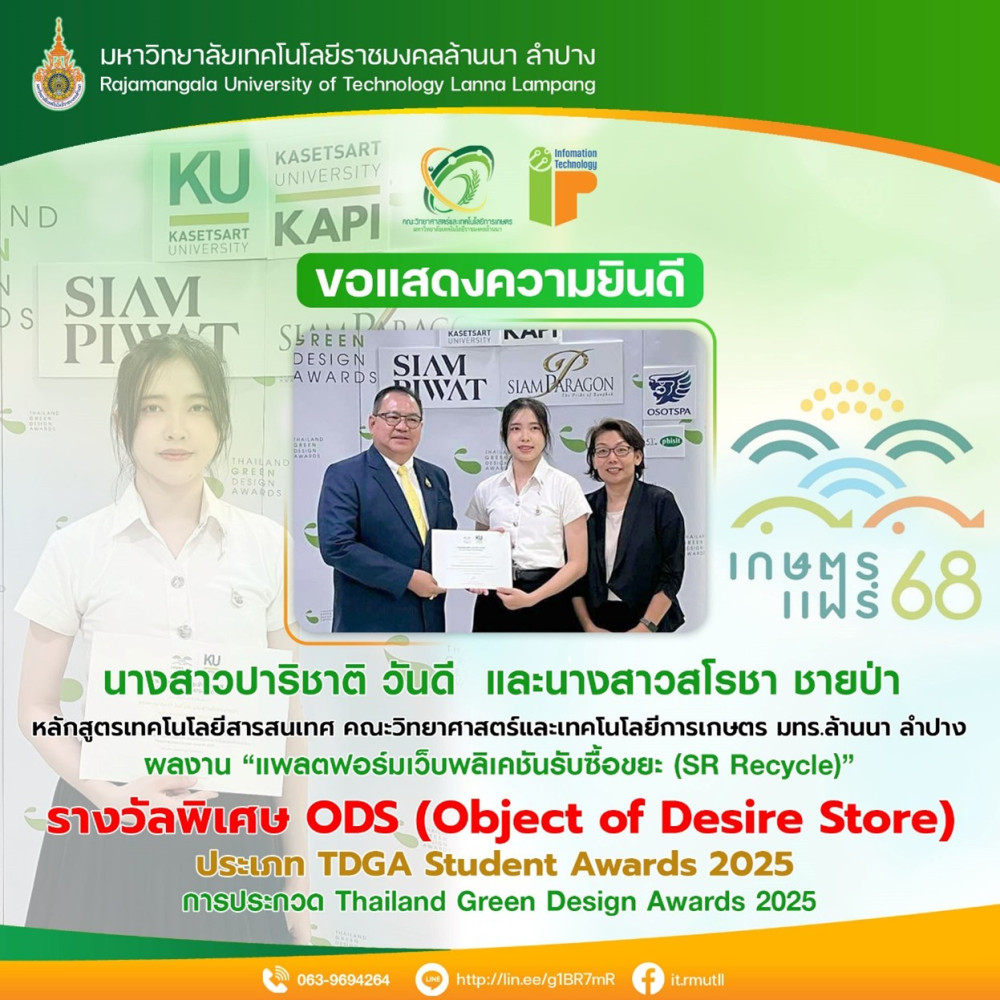
On 4 February 2025, students from RMUTL Lampang received the Object of Desire Store (ODS) Special Award at the Thailand Green Design Awards 2025, held during Kaset Fair at Kasetsart University. Two Information Technology students, Ms. Parichat Wandee and Ms. Sarocha Chaipa, developed “SR Recycle,” a web-based application designed to support recyclable waste trading and promote responsible waste management.
The project demonstrates students’ ability to apply sustainability knowledge through technological innovation and practical problem-solving. This achievement provides an example of project-based evidence of sustainability literacy, reflecting how students can translate environmental concepts into solutions that support resource efficiency, recycling, and sustainable consumption.
Moving Forward
Rajamangala University of Technology Lanna (RMUTL) continues to demonstrate its strong commitment to sustainable development through meaningful partnerships, collaborative research, and inclusive education. Throughout 2025–2026, the University strengthened cooperation with government agencies, non-governmental organizations, international academic institutions, and local communities to address environmental, social, and educational challenges. These collaborations have supported regional policy development, international knowledge exchange, student volunteering, agricultural innovation, and educational opportunities for vulnerable communities. Furthermore, RMUTL has advanced sustainability education through curriculum integration, specialized courses, community outreach, and student-led innovations. By connecting academic expertise with practical community needs and encouraging collaboration across different sectors, RMUTL reinforces its role as a university dedicated to fostering sustainable communities, strengthening institutional partnerships, and contributing to the long-term achievement of the United Nations Sustainable Development Goals.